

Dissolving and welding: Uncovering the science and key processes of weld formation
In the wonderful world of welding, “dissolution” is a crucial physico-chemical process that directly determines the strength and reliability of the weld head. Many people mistakenly think that welding is simply a matter of “melting and bonding”, but behind the scenes is a sophisticated process of “dissolution” and “diffusion” at work. This article takes a closer look at the science of dissolving and welding.
I. What is “dissolution” in welding?
In the context of welding, “dissolution” usually means:
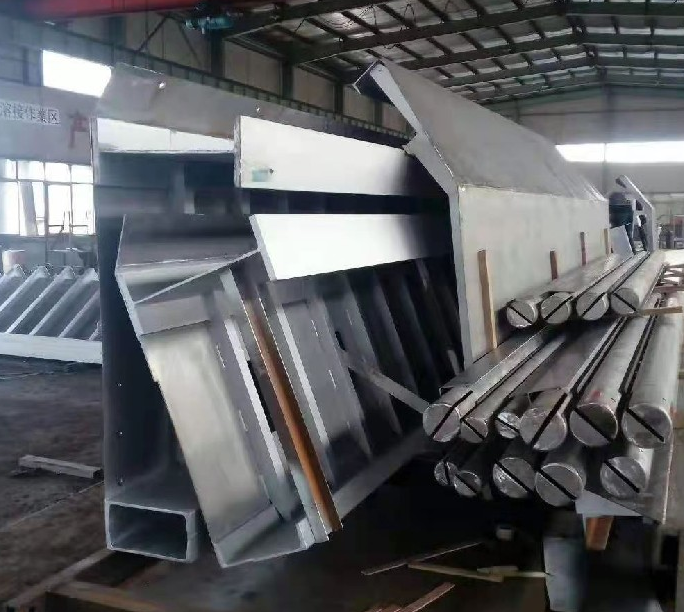
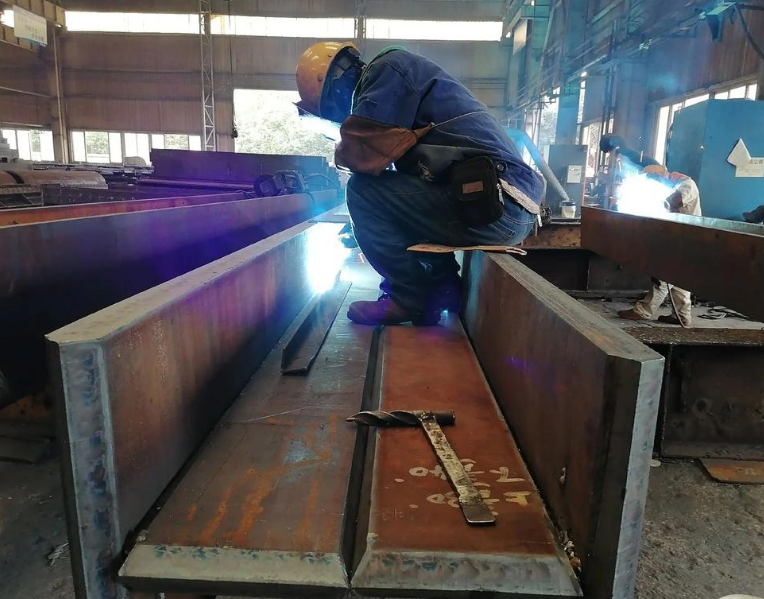
Mutual dissolution of base material and solder: In brazing and fusion welding, the molten solder (or filler metal) interacts with the solid base material surface, with atoms of the base material dissolving into the liquid solder, while atoms of the solder diffuse into the base material to form a transition layer with a gradual change in composition.![图片[1]-溶解与焊接:揭秘焊缝形成的科学原理与关键工艺-大连富泓机械有限公司](https://cndlfh.com/wp-content/uploads/2025/11/QQ20251002-202304.png)
Dissolution and removal of oxide film: In aluminium or stainless steel welding, the key role of the flux is to dissolve and remove the oxide film on the surface of the base material, so that the pure metal surface is exposed and a good fusion can be achieved.
II. Core welding process based on the “dissolution” principle
Fusion Welding - Thorough dissolution and re-solidification
Process: The weld area (base material and filler material) is heated until it melts, forming a common melt pool. In this molten pool, the different metal elements are fully dissolved and mixed, and when cooled, a new, uniform weld metal crystal is formed.
Applications: MIG/MAG welding, TIG welding, laser welding. Suitable for joining high strength structural parts.
Brazing - precise capillary soluble joints
Process: The base material is not melted, but only brazing materials with lower melting points (e.g. copper- and silver-based brazing materials) are heated and melted. The molten brazing material fills the gap by capillary action and forms a strong metallurgical bond by slight dissolution and diffusion with the surface of the base material.
Applications: Air conditioning ducts, circuit boards, carbide cutting tools, jewellery. Suitable for precision, dissimilar material connections.
III. Why is it important to control “dissolution”?
Improper dissolution can lead to serious welding defects:
Excessive dissolution: Leads to edge biting, burn-through of the base material, or the formation of brittle intermetallic compounds, which reduces the strength of the joint.
Insufficient dissolution: The solder is not firmly bonded to the base material, but only mechanically attached, and is prone to peeling.
[Call to Action CTA]
The mystery of welding is much more than that, a quality weld comes from the precise control of every detail. If you are facing technical difficulties in welding, or have high demands on the reliability of your product connections, Dalian Fuhong Machinery] is your reliable partner. We are well versed in the science of dissolution and welding, welcome to contact our expert team for a free technical consultation!

 Chinese
  Japanese
  English
  German
  Finnish
No comments