

want to masterRivet welding technology? This article is your ultimate beginner's guide. It explains in detail the definition of rivet welding, its core principles, main classifications, advantages and disadvantages, and the wide range of applications, helping you to build a good foundation from the ground up.
text
introductory
Rivet welding is a time-honoured and vital permanent joining technique in modern industrial manufacturing and the joining of metal structures. Whether you are a mechanical student, a new mechanic, or a hobbyist interested in metal fabrication, understanding the basics of rivet welding is the first step toward mastery. This article will systematically introduce you to the core concepts of riveting, providing a solid foundation for further study and practice.
I. What is riveting? Core principle analysis
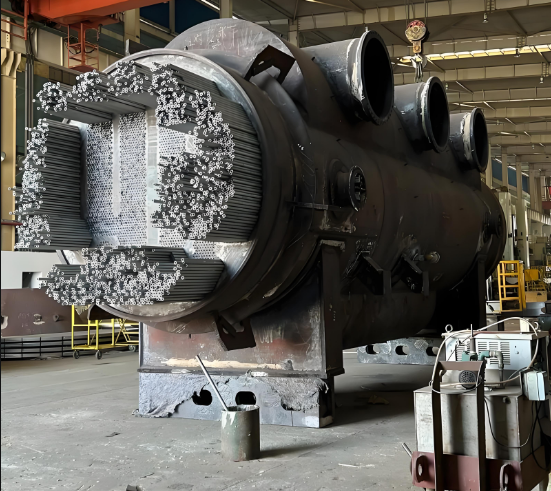
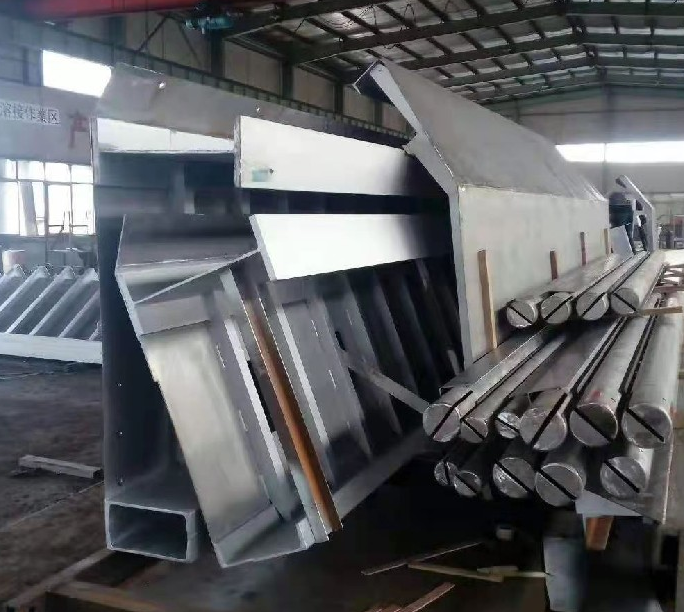
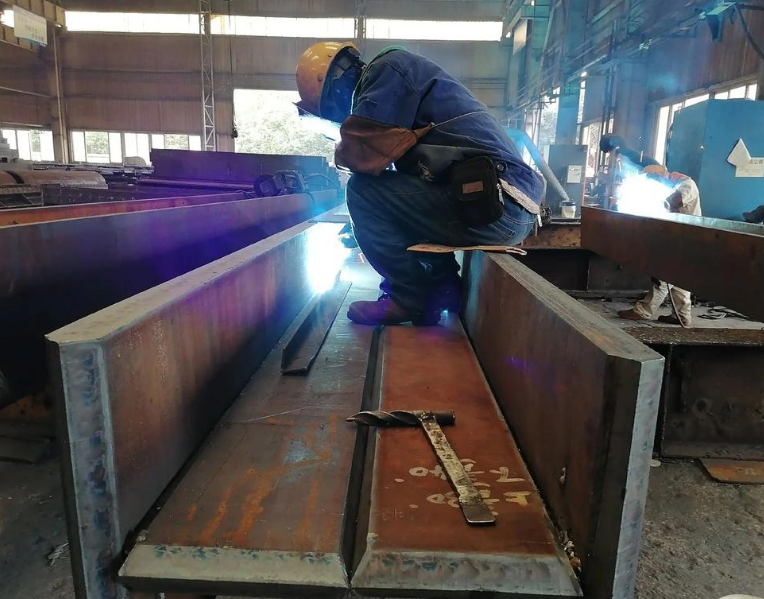
Riveting, in layman's terms, is the use of rivets to connect two or more workpieces (usually sheet metal or profiles) in a non-removable manner. The core principle is that the plastic deformation (upsetting) of the rivet stem creates a large axial pressure inside the stem, which tightly presses the connected parts together, thus transmitting and sealing the force.![图片[1]-铆焊基础知识完全指南:从原理、类型到应用领域-大连富泓机械有限公司](https://cndlfh.com/wp-content/uploads/2025/11/QQ20251002-201112.png)
II. Main types and characteristics of rivet welding
Depending on the operating temperature, process and structural form, rivet welding can be divided into the following categories:
hot riveting
Process: The rivets are heated to a red-hot state (approx. 1000°C) and then riveted.
Advantages: Good plasticity of the rivets, the required riveting force is small, the connection is tight and reliable, especially for large diameter rivets and heavy structures (such as bridges, ships).
Disadvantages: Complicated process, requires heating equipment, high energy consumption, fire risk, high labour intensity for workers.
cold riveting
Process: Direct riveting of rivets at room temperature.
Advantages: Simple process, high efficiency, no thermal influence, good labour conditions.
Disadvantages: High plasticity requirements for riveting materials, riveting force, usually used for smaller diameter (generally less than 10mm) rivets and aluminium alloys and other soft materials.
Classification by riveting method
Impact Riveting: Forming headers using the impact of a pneumatic or hydraulic rivet gun. Most widely used, but noisy.
Pressure riveting: Riveting is done by static pressure using pressure riveting machine. No noise, stable riveting quality and flat surface.
III. Advantages and disadvantages of rivet welding
Pros:
High reliability: Reliable connection, good vibration resistance, commonly used in structures subject to shock and vibration loads.
The quality of the riveted joints can be initially judged by visual inspection.
Suitable for dissimilar materials: Can be used to join different types of metallic or non-metallic materials.
Drawbacks:
High structural weight: Increased structural weight due to the need for lap plates and rivets.
Stress concentrations: Riveted holes weaken the cross-section of the workpiece and are prone to stress concentrations.
Noisy: Especially for impact riveting, the working environment is harsh.
High demands on workers' skills: High-quality riveting requires experienced craftsmen.
IV. Application areas of rivet welding
Despite the growing popularity of welding technology, riveting still occupies an irreplaceable position in the following areas:
Aerospace: The connection of the aircraft skin to the skeleton, taking advantage of its excellent fatigue resistance.
Steel structure buildings: large-scale factory buildings, stadiums, bridges, etc.
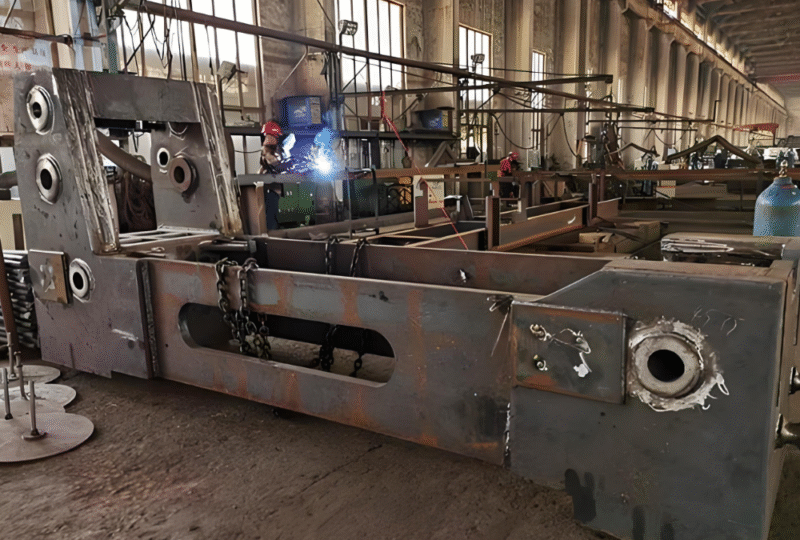
Heavy machinery: frame connections for cranes, excavators and other equipment.
Shipbuilding: Joining of hull structures.
Some high quality leather goods, bags and jeans (metal rivets).
concluding remarks
Mastering the basics of rivet welding is a prerequisite for understanding more advanced methods of operation and practical skills. By the end of this article, you should have gained a comprehensive understanding of the principles, classifications and characteristics of rivet welding. In the next articles, we will delve into theRivet welding method of operationThe book takes you step by step into the hands-on world of rivet welding.

 Chinese
  Japanese
  English
  German
  Finnish
No comments