

get itBasics of Rivet WeldingAfter that, the next step is to put it into practice. A standardised method of operation is the key to ensuring riveting quality, improving efficiency and safeguarding personal safety. This article will be like an experienced master at the side, hand in hand to take you through each key step of the riveting operation, whether it is hot riveting or cold riveting, you can find a clear guide.
First, the operation of the pre-preparation: to do a good job, you must first sharpen their tools and equipment check: hot riveting: heating furnace (oil, gas or electric furnace), rivet gun, top handle (top iron), clamps, spanners and so on. Cold riveting: riveting machine, rivet gun (for blind rivets), hand hammer, top handle, etc.. Common tools: pneumatic drill or electric drill, drill, scribe, hammer, magnifying glass, sample plate. Rivet selection: According to the drawing requirements, select the correct material, diameter and length of rivets. Rivet length calculation formula: L = δ + (1.3 ~ 1.5)d, where δ is the total thickness of the plate stack and d is the rivet diameter. Preparation of workpiece: Clean the connection surface of oil, rust and burrs. Position the workpiece according to the scribed line or sample plate and fix it temporarily with jig or spot welding.![图片[1]-铆焊的操作方法详解:一步步教你如何正确完成铆接-大连富泓机械有限公司](https://cndlfh.com/wp-content/uploads/2025/11/QQ20251002-201517.png)
Second, the core operation steps (to hot riveting as an example) Clean the hole and heating: use the air drill to clean the rivet hole, make sure the hole wall is smooth. Put the rivets into the heating furnace and heat them evenly until bright orange-red (about 1000-1100°C). Heating should be rapid and even to avoid overcooking or heavy oxidation. Threading and Topping: Quickly insert the heated rivets into the nail holes with a clamp. One worker immediately use the top handle to tighten the rivet at the original end of the rivet. Rivet shaping: Another worker uses the rivet gun to aim at the sticking out end of the rivet rod to impact, first light and then heavy, to upset the rod and fill the nail hole. Then swing the rivet gun around the centre of the nail rod and crush the end of the rod into a semi-circular upsetting head. The action should be rapid, accurate, in the rivet temperature drops to the loss of plasticity before completion. Cold riveting operation points: rivets do not need to be heated, directly into the hole. The header is formed by a single press using a riveting press, or by pulling the mandrel off using a rivet gun. Simpler operation, but requires equipment and rivet strength.
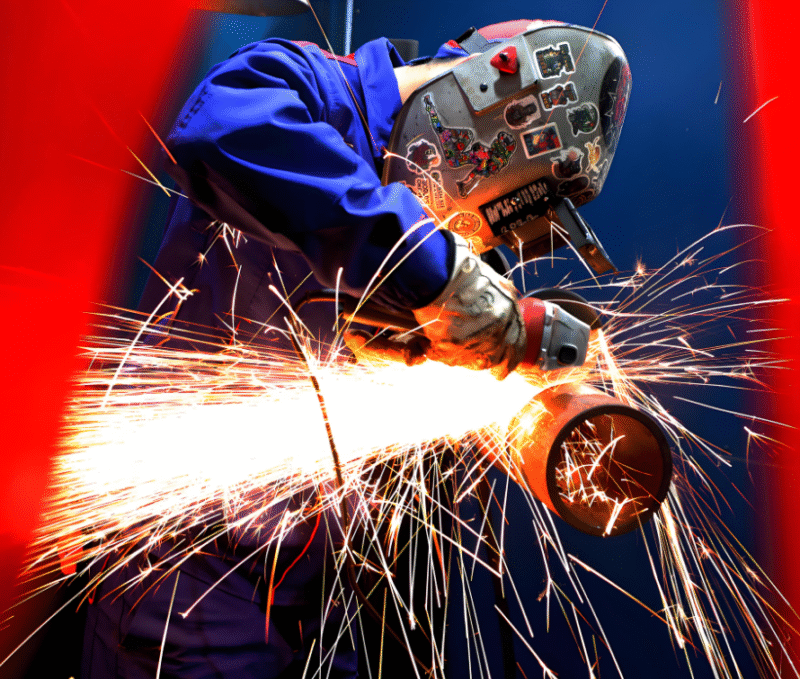
Third, quality inspection and defect analysis after riveting is completed, must be strictly checked: Appearance check: the header should be regular, smooth, no cracks; and the original header should be concentric, there shall be no skew. Dimension check: Use sample plate to check whether the diameter and height of the header meet the standard. Tightness check: Use 0.1mm tape measure to check the fitting surface of the workpiece, and the insertion depth should not be more than 20mm. Common defects: Crooked header: the top handle is not top positive or the angle of the rivet gun is not right. Rivet cracks: poor material quality or improper heating (overcooking). Burying the head is not solid: improper processing of the nail hole or riveting force is insufficient. Safety regulations must wear protective glasses, heat-insulating gloves, earplugs and overalls. Hot riveting pay attention to fire prevention, and to prevent high-temperature rivet burns. When using the rivet gun, the muzzle is strictly prohibited to people. Keep the workplace neat and tidy, and tools are placed in an orderly manner.
Conclusion Following standard operating methods is a sure way to become a competent riveter and welder. Theory combined with practice, more observation, more practice, you will be able to master this skill. Once you have accumulated enough experience, you will be able to cope with a variety of complex working conditions, which is exactly what we will discuss in our next article, "Rivet Welding Handbook: Advanced Techniques and Solutions to Troubleshooting Problems".



 Chinese
  Japanese
  English
  German
  Finnish
No comments