

Analysing how globalisation is shapingModern equipment manufacturingof the industry chain. Discuss how localisation strategies, technological innovation and cooperation models can help companies find their position and win the market in the new landscape.
After decades of deep globalisation and integration, the equipment manufacturing industry chain has spread to all corners of the world. However, global events in recent years are reshaping the landscape, prompting companies to look at their globalisation strategies from a new perspective and pay more attention to the synergy and resilience of the industry chain.
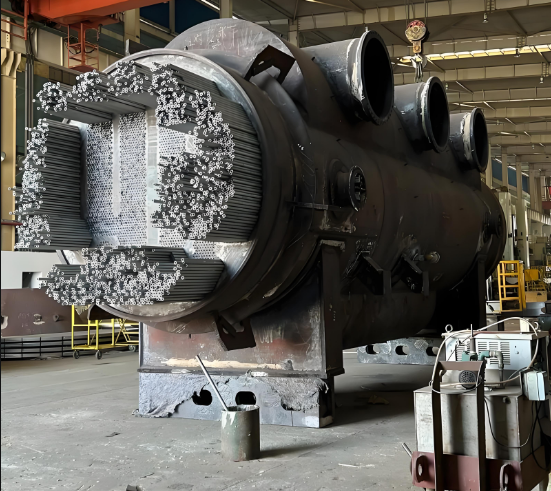
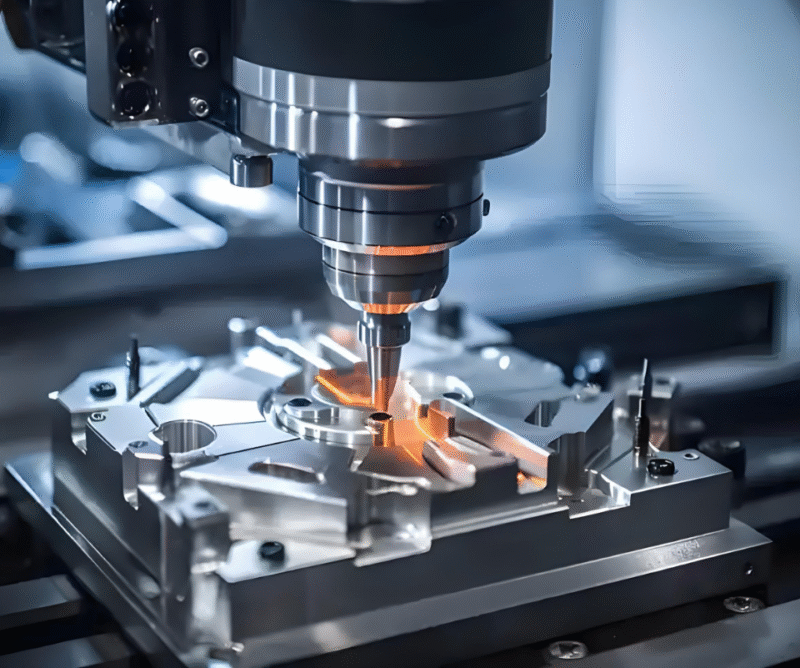
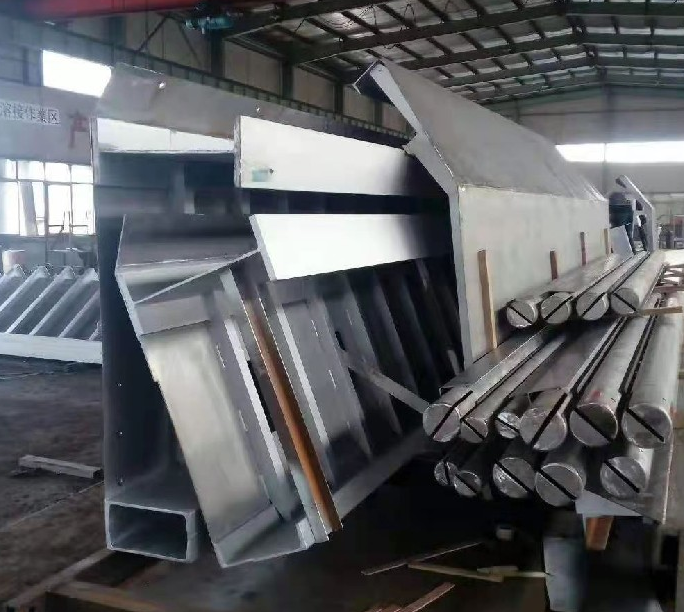
1. Division of labour and collaboration in the global industrial chain A high-end CNC machine tool may contain a controller from Germany, precision bearings from Japan, structural parts from China and software from the United States. This deep international division of labour makes the optimal allocation of resources and reduces the cost of the final product.![图片[1]-全球化视野下的装备制造业:产业链协同与市场竞争新格局-大连富泓机械有限公司](https://cndlfh.com/wp-content/uploads/2025/11/QQ20251002-201135.png)
2. Emerging current challenges and trends Supply chain security and resilience: Epidemics and geopolitical conflicts have exposed the vulnerability of very long supply chains. Enterprises are seeking to “localise” or “near-shore outsource” to shorten supply chains and improve response times. The rise of technological protectionism: the acquisition and protection of core technologies have become the focus of competition between countries, which has raised new issues for international technological cooperation among equipment manufacturing enterprises. Impact of regional trade agreements: The entry into force of regional FTAs, such as RCEP, is reshaping the industrial chain layout in the region.
3. Winning Strategies in the New Landscape Building an Agile and Transparent Supply Chain: Use digital tools to achieve real-time visual monitoring of the global supply chain and establish a diversified supplier system. Deep ploughing into core technologies to create “hidden champions”: By excelling in a certain segment and mastering irreplaceable core technologies, we can have a strong voice in the global industrial chain even if we are small in scale. From “going out” to “going in”: Overseas market expansion is not only about selling products, but also about setting up local R&D centres and service centres to achieve truly localized operation, and to deeply understand and meet the needs of regional customers.
4. The future of win-win cooperation Despite the trend of anti-globalisation, the complexity of the equipment manufacturing industry dictates that international cooperation is still the mainstream. The competition in the future will be the competition between different industrial chain ecosystems. Enterprises that can effectively integrate global high-quality resources and build a stable and efficient synergistic network will become the future industry leaders.
Summary: Globalisation has entered a new stage, and equipment manufacturing enterprises need to have a sharper global vision and more flexible adaptability. Under the premise of guaranteeing the safety of the industrial chain, through technological innovation and in-depth synergy, continuing to find growth opportunities in the global market is the only way to cope with the current complex situation.

 Chinese
  Japanese
  English
  German
  Finnish
No comments