

insightnumerical control machiningTechnology. From CNC principles and G-code to machining centres, this article takes you on a journey to discover how CNC machining enables high precision, high efficiency and automated production of complex parts.
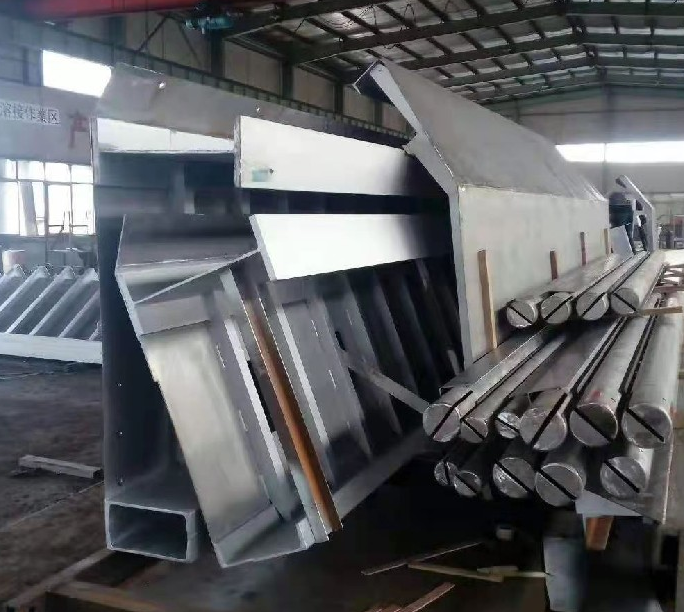
If you're interested in modern manufacturing, “CNC machining” is a core term that can't be avoided. It represents a quantum leap in manufacturing technology, revolutionising the way products are developed and produced, with the ability to translate digital designs directly into precision solids.![图片[1]-数控加工是什么?为您全面解读现代制造业的精度与效率革命-大连富泓机械有限公司](https://cndlfh.com/wp-content/uploads/2025/11/QQ20251102-193658.png)
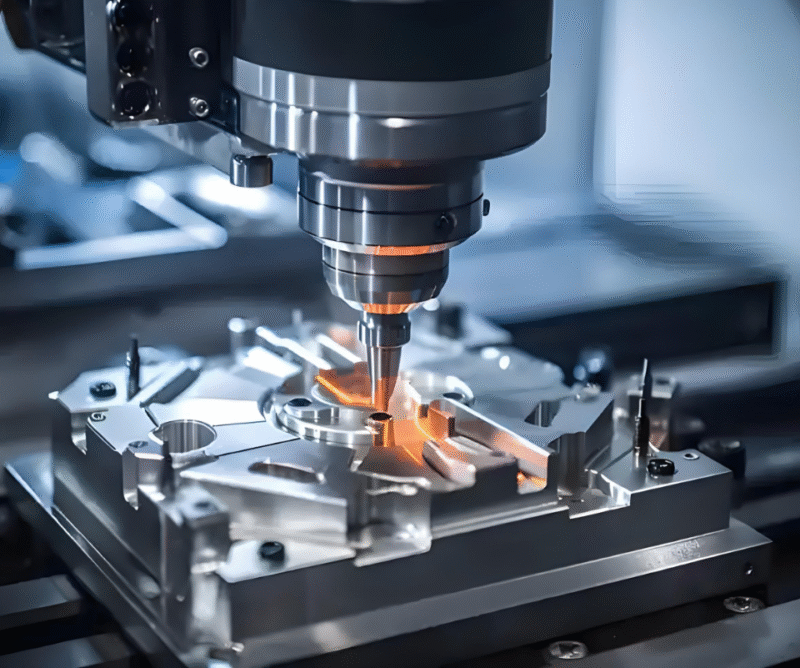
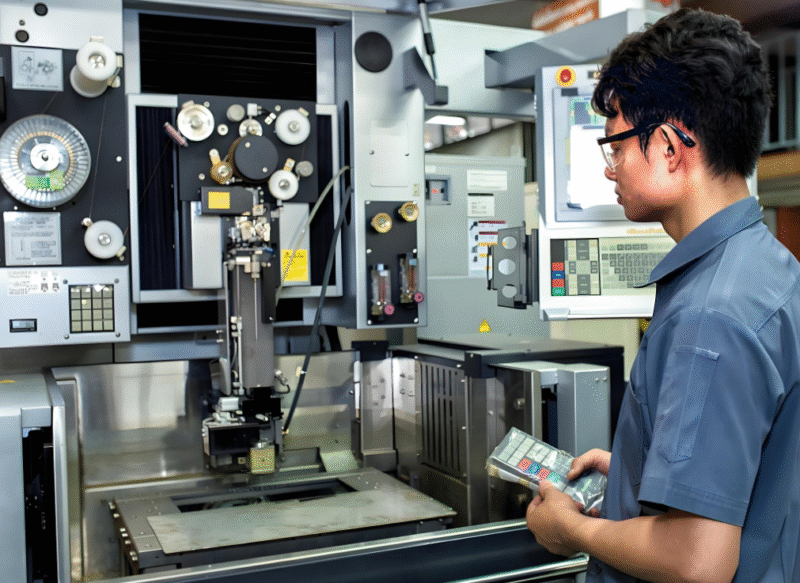
First, the core principle of CNC machining CNC machining, that is, CNC machine tool processing, the core is: digital instructions: the operator or designer using CAD (computer-aided design) software to create a three-dimensional model, and then through the CAM (computer-aided manufacturing) software will be converted to a series of model instructions (known as G code and M code). Machine execution: The controller of the CNC machine reads these codes and accurately controls the relative movement of the tool and the workpiece in multiple axes to automate the cutting task.
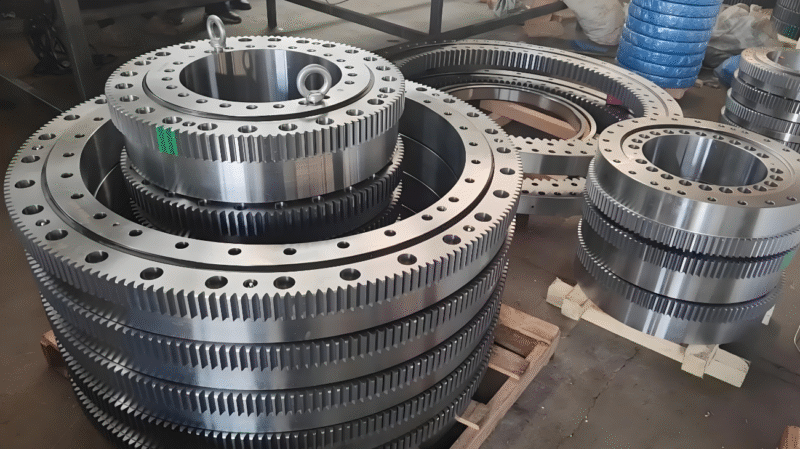
Second, the great advantages of CNC machining Extremely high precision and repeatability: can easily reach micron-level tolerances, and can be thousands of times to produce identical parts. Powerful complex shape machining ability: able to complete the traditional machining is difficult to achieve or even impossible to complete the complex surfaces and shaped structures, is the first choice for aerospace, medical equipment field. Superior productivity: Once programmed, the process is almost completely automated, allowing unattended operation for long periods of time and dramatically reducing the cost per part. High degree of flexibility: Changing to a different part usually requires only a change of programme and tooling, making it ideal for flexible manufacturing of multiple varieties and small batches.![图片[2]-数控加工是什么?为您全面解读现代制造业的精度与效率革命-大连富泓机械有限公司](https://cndlfh.com/wp-content/uploads/2025/10/QQ20251002-202038-800x562.png)
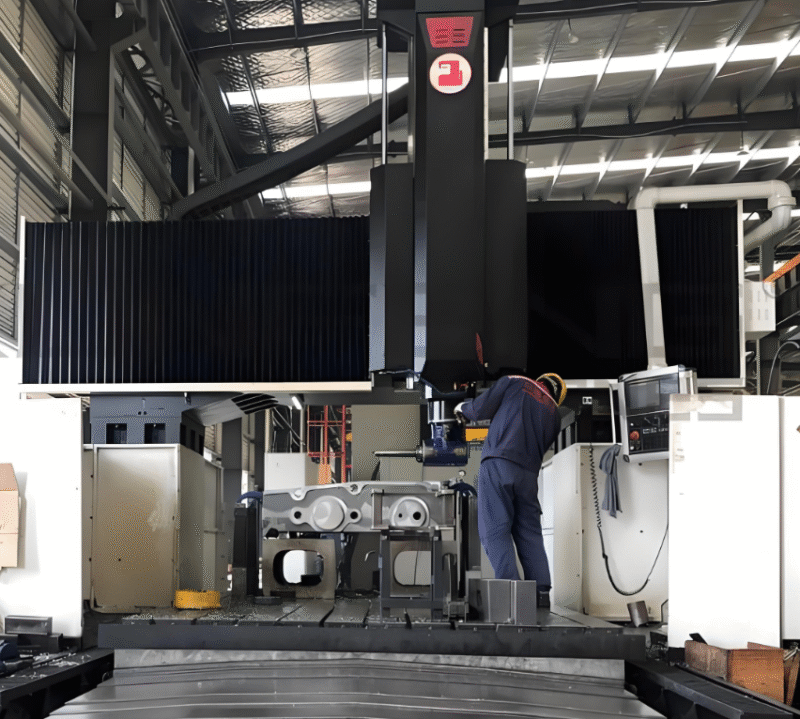
Third, the common types of CNC machining CNC milling: the most widely used form of CNC machining, typical equipment is a vertical or horizontal machining centre. CNC turning: for precision rotary parts processing, equipment for CNC lathes or turning centres. Multi-axis linkage processing: such as five-axis machining centre, a clamping to complete the complexity of the parts of the five sides of the processing, to avoid the error brought about by multiple clamping. Summary: CNC machining is the basis of intelligent manufacturing. It is not only a technical guarantee for product innovation, but also a key productivity tool for enterprises to maintain their advantages in global competition.


 Chinese
  Japanese
  English
  German
  Finnish
No comments