

machiningIt is not set in stone. This article takes an in-depth look at how to select the right tools, cutting fluids and parameters to optimise results when machining aluminium alloys, stainless steel, titanium alloys and engineering plastics.
Successful machining depends partly on equipment and processes and partly on a deep understanding of material properties. Different materials exhibit very different behaviours during machining and therefore require a “tailor-made” machining strategy.
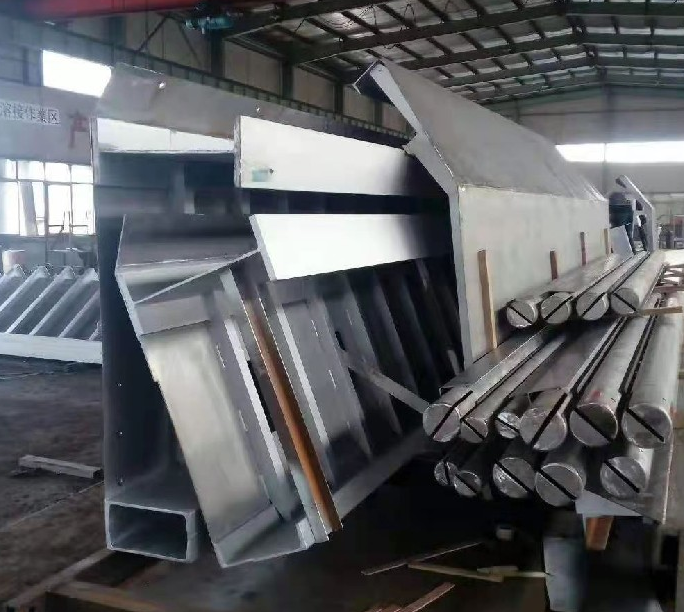
First, the machining characteristics of common materials and countermeasures Aluminium alloy Characteristics: soft, sticky, good thermal conductivity. Challenge: Easy to produce chip tumour, affecting the surface finish. Programmes: the use of sharp positive front angle tool, high speed, large feed, and the use of coolant to prevent the material from sticking to the knife. Stainless steel Characteristics: High strength, high toughness, poor thermal conductivity. Challenge: Severe tendency to work-hardening and rapid tool wear. Solution: Use tough carbide tools, maintain constant and appropriate feeds to avoid “grinding” the tool and ensure adequate cooling. Titanium alloy Characteristics: High strength, light weight, high chemical activity, very poor thermal conductivity.![图片[1]-机加工与材料科学:如何为不同材料选择最优切削方案?-大连富泓机械有限公司](https://cndlfh.com/wp-content/uploads/2025/11/QQ20251002-202304-1.png)
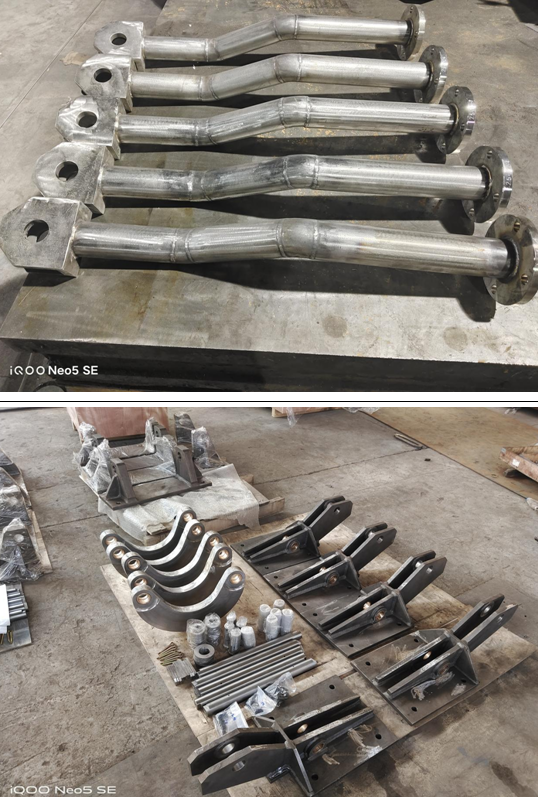
Challenge: Extremely high temperatures in the cutting zone, which can react chemically with the tool material and lead to rapid tool failure. Solution: Lower cutting speeds, continuous feed, use of high pressure coolant and sharp edges. Specialised titanium machining tools are often required. ENGINEERING PLASTICS Characteristics: Low modulus of elasticity, poor thermal conductivity. Challenges: Prone to deformation and springback, heat dissipation difficulties can lead to melting of the material. Solution: Use extremely sharp cutting edges, high speeds, small feeds and air or space cooling if necessary.![图片[2]-机加工与材料科学:如何为不同材料选择最优切削方案?-大连富泓机械有限公司](https://cndlfh.com/wp-content/uploads/2025/10/QQ20251002-201752-800x524.png)
General optimisation principles Tool selection: Select the correct tool material (e.g. carbide, CBN, diamond) and coating according to the material. Cutting fluids: not only for cooling, but also for lubrication and chip evacuation, which is essential for difficult-to-machine materials. Stability: Ensure that the workpiece is securely clamped and that the entire process system (machine - tool - fixture - workpiece) is sufficiently rigid.
Incorporating materials science knowledge into machining practices is a critical step from a general operator to a process expert. Precise matching is at the heart of improving machining efficiency, part quality and economic efficiency.


 Chinese
  Japanese
  English
  German
  Finnish
No comments