

01 Overview of connection methods
In the modern world of mechanical engineering, in the field of engineering applications, the importance of knowing the various types of connection belongs to the foundation of the foundation, from the chain connection, to the construction of the home, from the construction of bridges, to the construction of vehicles, there is no one who does not rely on a solid and reliable connection technology, the common connection contains welding, riveting, gluing, set screws, bolts and nuts, as well as more complex fastening systems such as expansion bolts and mortise and tenon joints, etc. Each connection has its own unique advantages and faces different challenges. Welding, riveting, gluing, set screws, bolts, nuts, and more complex fastening systems such as expansion bolts and mortise and tenon joints, each of which has its own unique advantages and challenges.
Suitable for fixed connections
The main types of fixed connections include welding, riveting and gluing. Each of these types of connection has different characteristics and variations in terms of strength and suitability.
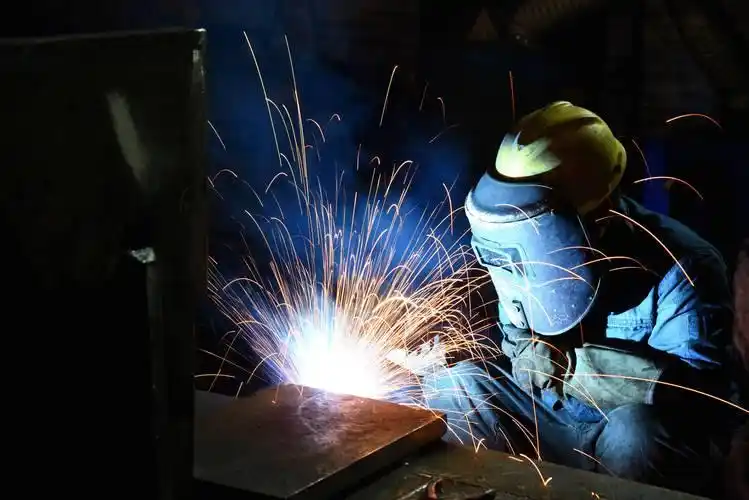
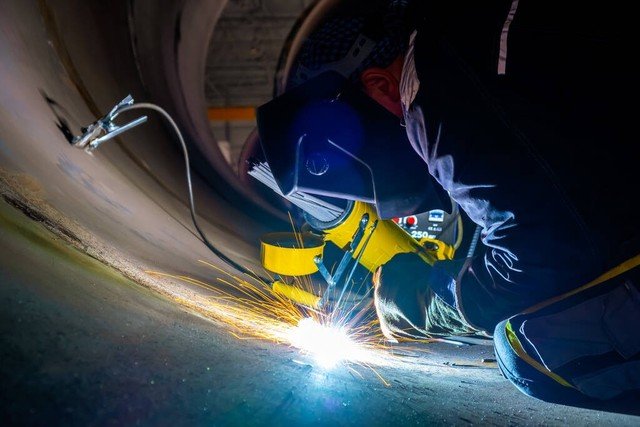
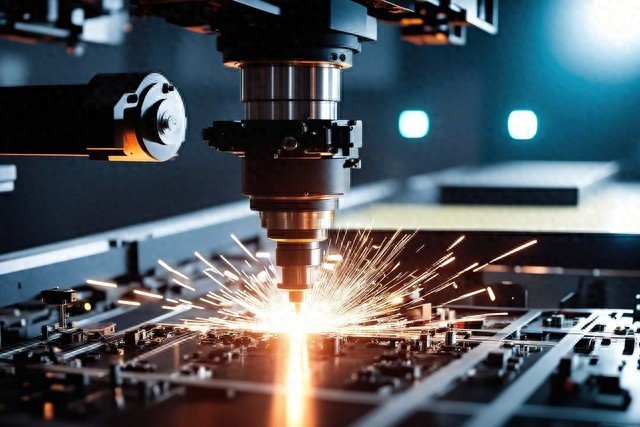
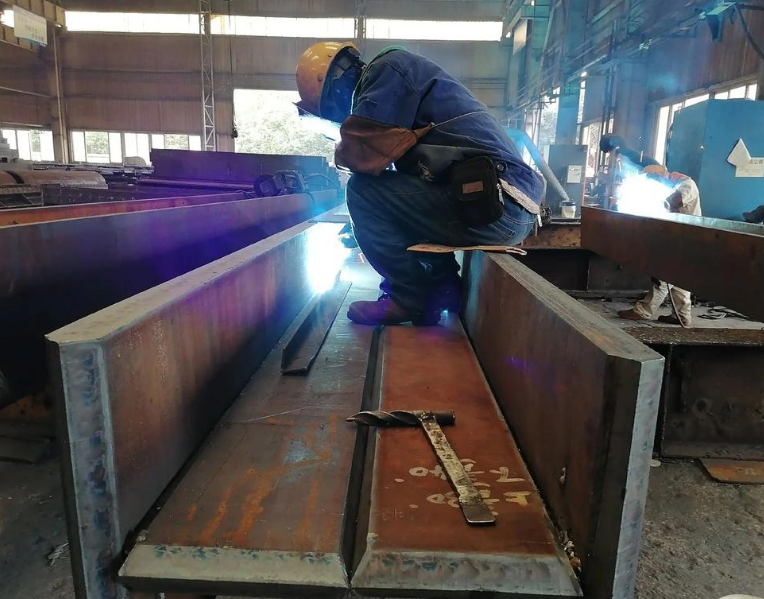
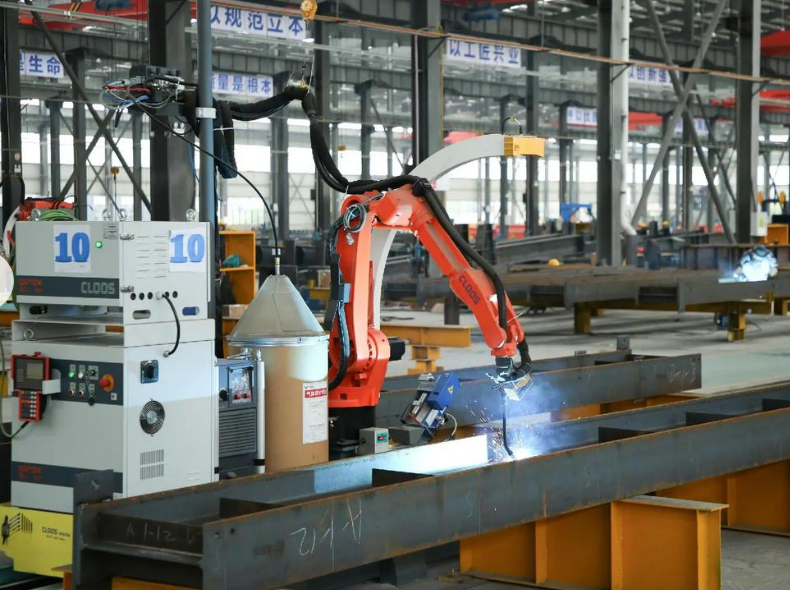
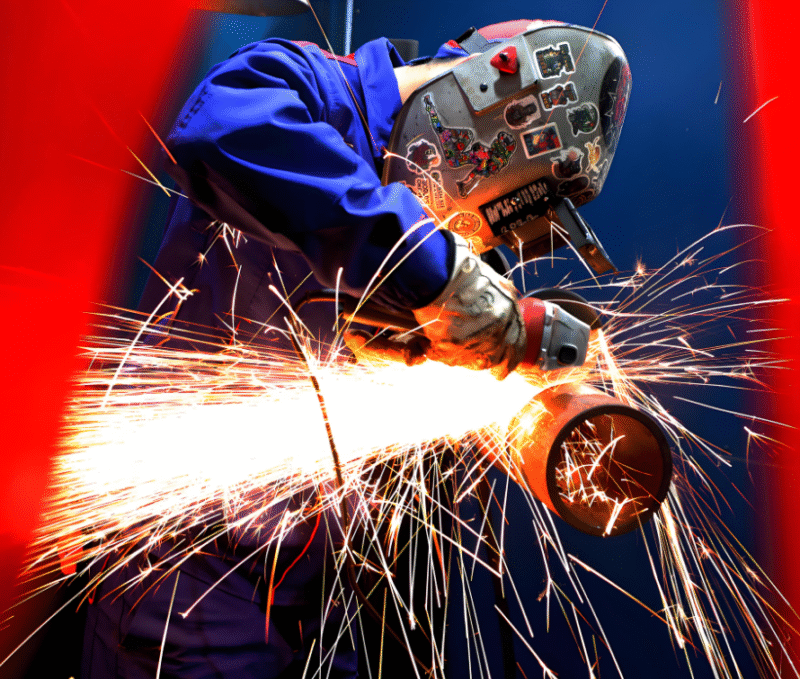
Welding is designed for joining components that require particularly high strength. Arc welding is often used for high strength joining of metal parts, gas welding is good for joining metal parts that are subjected to high forces, and soldering is mainly focused on joining small parts such as circuit boards.
Riveting, a type of joining, is often used to join metal frames and is particularly suitable for joining aluminium sheets, due to the fact that welding is not always an easy task for aluminium sheets.
Gluing, in the metal and other materials connected to the occasion, or to repair the metal broken place, gluing shows its excellent bonding ability, commonly used adhesive covers 502 adhesive and AB adhesive.
![图片[1]-焊接与连接技术全解析:紧固之选与强度排序-大连富泓机械有限公司](/wp-content/uploads/2026/01/1768907835150_3.webp)
Fastener Applications
Fastening bolts play a key role in the application of fasteners, together with setscrews, bolts and nuts. In machine building and equipment installation, these fasteners ensure a stable and easily adjustable connection.
In the context of fasteners, “pins” are commonly used to refer to flat head bolts, while “nails” mostly refer to set screws with pointed heads. They are often used in situations where “non-disassembly” is required, such as in the fixing and joining of machinery and equipment.
![图片[2]-焊接与连接技术全解析:紧固之选与强度排序-大连富泓机械有限公司](/wp-content/uploads/2026/01/1768907835150_6.webp)
Regulation and protection
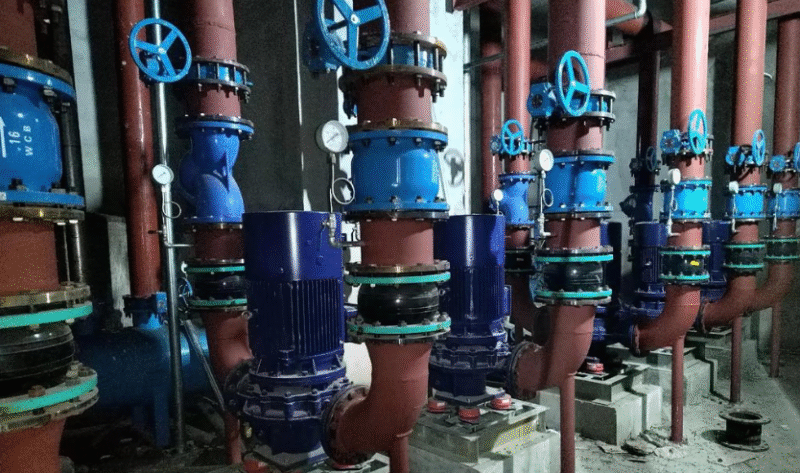
In mechanical connections, bolts and nuts are used in conjunction with each other, which not only facilitates adjustment, but also ensures that the connection is secure and durable by means of washers and other such components.
![图片[3]-焊接与连接技术全解析:紧固之选与强度排序-大连富泓机械有限公司](/wp-content/uploads/2026/01/1768907835150_7.webp)
Washers, especially spring washers and flat washers, can play an effective role in the protection of connecting parts to avoid loosening and vibration, and can make the force to achieve a balanced state, so as to ensure that the mechanical connection can remain stable.
![图片[4]-焊接与连接技术全解析:紧固之选与强度排序-大连富泓机械有限公司](/wp-content/uploads/2026/01/1768907835150_8.webp)
![图片[5]-焊接与连接技术全解析:紧固之选与强度排序-大连富泓机械有限公司](/wp-content/uploads/2026/01/1768907835150_9.webp)
02 Specific connection technology
Welding and Riveting
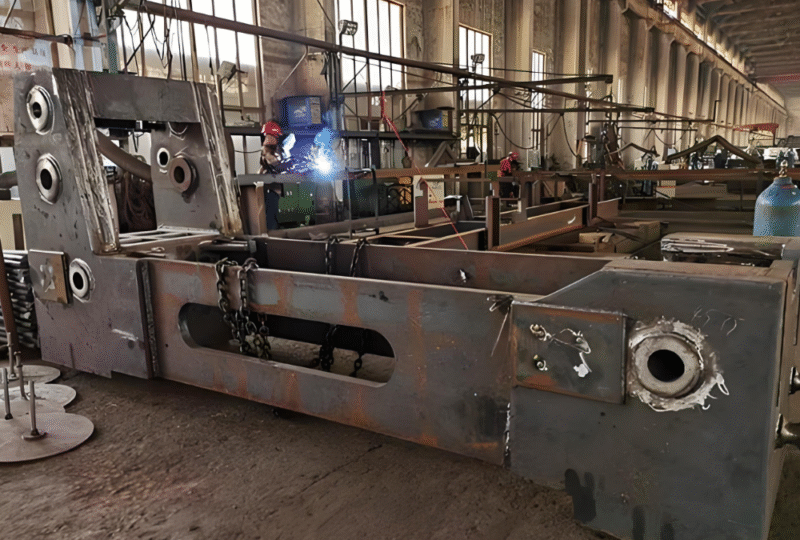
Welding is the preferred method for metal components with very high strength requirements, and common welding methods include electric and gas welding, while riveting is preferred for metal frame connections, especially for components that do not require frequent disassembly and installation.
![图片[6]-焊接与连接技术全解析:紧固之选与强度排序-大连富泓机械有限公司](/wp-content/uploads/2026/01/1768907835150_10.webp)
Glueing and tapping screws
One type of connection demonstrates excellent performance when joining metal to other materials, the other is designed for joining wood or soft plastics and does not require a nut for use.
![图片[7]-焊接与连接技术全解析:紧固之选与强度排序-大连富泓机械有限公司](/wp-content/uploads/2026/01/1768907835150_12.webp)
Expansion bolts and mortise and tenon joints
Expansion bolts are widely used in the construction industry and, thanks to their unique principle of expansion, they can be firmly fixed to all kinds of substrates. Mortise and tenon joints, the core of both classical and modern furniture making, are the perfect combination of mortise and tenon joints, showing a mastery of the art.
![图片[8]-焊接与连接技术全解析:紧固之选与强度排序-大连富泓机械有限公司](/wp-content/uploads/2026/01/1768907835150_13.webp)
![图片[9]-焊接与连接技术全解析:紧固之选与强度排序-大连富泓机械有限公司](/wp-content/uploads/2026/01/1768907835150_14.webp)
Rigid and hinged connections
When just connected, it has the property that the members can neither move nor turn relative to each other in the joint, so it is used in many projects in critical parts. The hinged connection is different in that it allows the members to rotate freely in the joint, a flexibility that makes it suitable for bolt and nut connections.
![图片[10]-焊接与连接技术全解析:紧固之选与强度排序-大连富泓机械有限公司](/wp-content/uploads/2026/01/1768907835150_15.webp)
Connection strength ordering
Among the various types of connections, the order of strength is roughly like this: it is the welded ones that should be ranked first, followed by the strength of mortise and tenon joints, followed by the strength of riveted joints, followed by the strength of bolted joints and different strengths, the strength of self-tapping screw connections, the strength of glued joints, and the strength of plugged joints. Such an order can be used as a reference to choose the appropriate connection.
![图片[11]-焊接与连接技术全解析:紧固之选与强度排序-大连富泓机械有限公司](/wp-content/uploads/2026/01/1768907835150_16.webp)



 Chinese
  Japanese
  English
  German
  Finnish
No comments