


In the smart manufacturing-led direction ofhigh-end manufacturingWithin the scope of CNC machining accuracy belongs to one of the core indicators to determine the performance of parts, but also to determine the reliability of the product is one of the core indicators. Whether it is used as precision gears for automotive engines, transmission components for medical and surgical robots, or structural components for aerospace applications, even an error of ±0.01mm is likely to cause the entire system to fail. For those customers who pursue high-precision parts custom services, how to improve the accuracy of CNC machining is a key issue that simply can not be bypassed. Kui bright hardware, as the source factory, ploughing precision manufacturing for more than ten years, with advanced equipment, and perfect system and front service, summed up the core method, is the 3 strokes to effectively improve the accuracy of CNC machining, can solve the accuracy problems for customers.
The first move: accurately matching equipment and processes to reduce errors from the source
The basis of CNC machining accuracy is the ability of the equipment to reach a very precise match with the processing requirements. In many cases, the lack of precision is not due to the poor quality of the equipment itself, but rather to the failure to select the appropriate machining programme options based on the complexity of the part itself and the characteristics of the material.
1. Multi-axis simultaneous machining, reduce the cumulative error of clamping
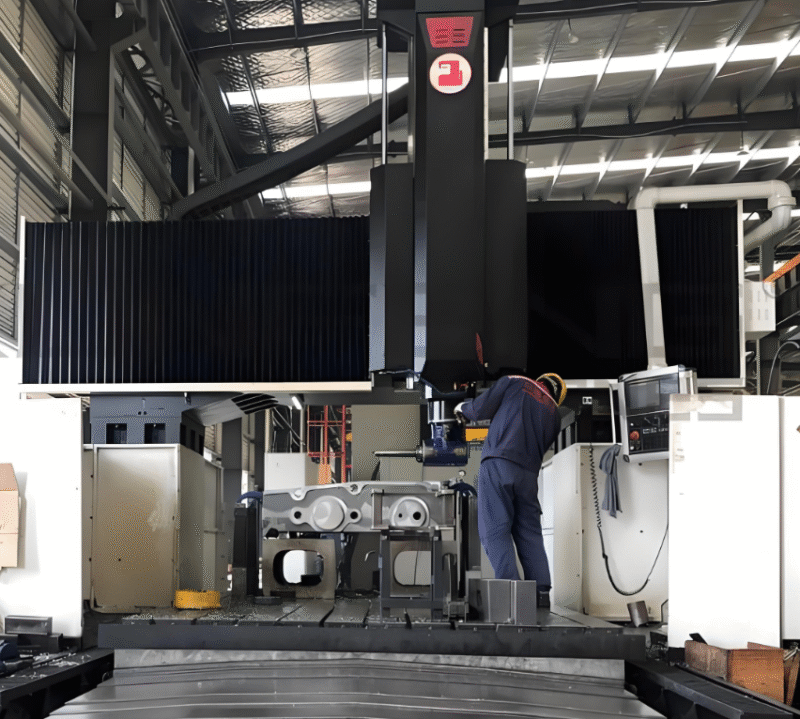
For parts with complex curved surfaces and shaped structures, traditional three-axis machining requires multiple clamping and positioning, but each clamping will result in small errors, and when these errors accumulate, they will exceed the accuracy requirements. However, the five-axis linkage processing is different, it can complete the multi-face processing at one time, thus completely avoiding the risk of error faced by multiple clamping. Kui Liang Hardware is equipped with high-end five-axis CNC machining centre of DEMA, Beijing Jingdiao and other brands, with the help of which the machining centre can achieve high-precision one-time molding of complex spatial surfaces, and can stably control the tolerance at the excellent level of ± 0.001mm. When machining the motor controller shell for a new energy vehicle enterprise with 5-axis linkage machining, it has achieved high-precision moulding of the internal heat dissipation runner, and the clamping error has been reduced by more than 90%, which ensures that the sealing and heat dissipation performance of the shell is in full compliance with the vehicle regulation requirements.
2. Optimisation of tools and cutting parameters for material properties
Hardness, as well as toughness, varies greatly from one material to another, and the requirements for tools and cutting parameters are completely different. Like titanium alloy, its high hardness and poor thermal conductivity, easy to make the tool wear, so that the parts deformed; aluminium alloy, easy to stick in the tool, will have an impact on the surface finish. With more than ten years of experience in material processing, Kui Liang Hardware has built up a process parameter database containing nearly one hundred kinds of metal and plastic materials, and for each kind of material, it matches the special type of cutting tool, cutting speed, feed amount and cooling method. For example, in the medical grade titanium alloy parts to be processed, the use of carbide cutting tools imported from Switzerland, and also with a low-temperature cooling system, so that not only to avoid the rapid wear of the tool, but also to reduce the material due to thermal deformation caused by the accuracy of the deviation.
3. Regular calibration and maintenance of equipment to ensure stable accuracy
As the bearer of precision, the wear and tear of the equipment after a long period of operation, as well as the offset condition after calibration, will affect the processing precision. Kui Liang Hardware has built up a rigorous equipment maintenance and calibration system, for each high-precision equipment, we will carry out a monthly accuracy test, and every quarter, we will carry out a comprehensive calibration operation to ensure that the equipment continues to be in the best operating condition. This situation is in sharp contrast to the mode of “no maintenance if the equipment is not broken” adopted by some small workshops, which avoids the phenomenon of uncontrolled precision caused by equipment drift from the root.
The second move: the whole process of quality control, so that the accuracy of “measurable, traceable, controllable”.”
Accuracy to improve, not only rely on processing links, but also to cover the entire process control from the beginning of the raw material has been to the finished product, to make each link of the error generated are in the control of the acceptable range.
1. Strict inspection of raw materials to eliminate the error of incoming materials.
In many precision problems, the root cause is from the raw material itself with different performance or size deviation. Kui Liang Hardware will use a series of equipment, such as coordinate measuring machines and hardness testers, to carry out a wide range of inspections on all blank materials involved in this action in the factory, so as to ensure that the dimensional tolerances of the raw materials as well as the properties of the materials can fully meet the requirements. For example, when machining aluminium alloys for aerospace applications, ultrasonic testing is carried out on the grain structure of the blanks and any internal defects, in order to prevent deformation of the material or failure to meet the required precision.
2. Real-time monitoring of the production process and early intervention of deviations
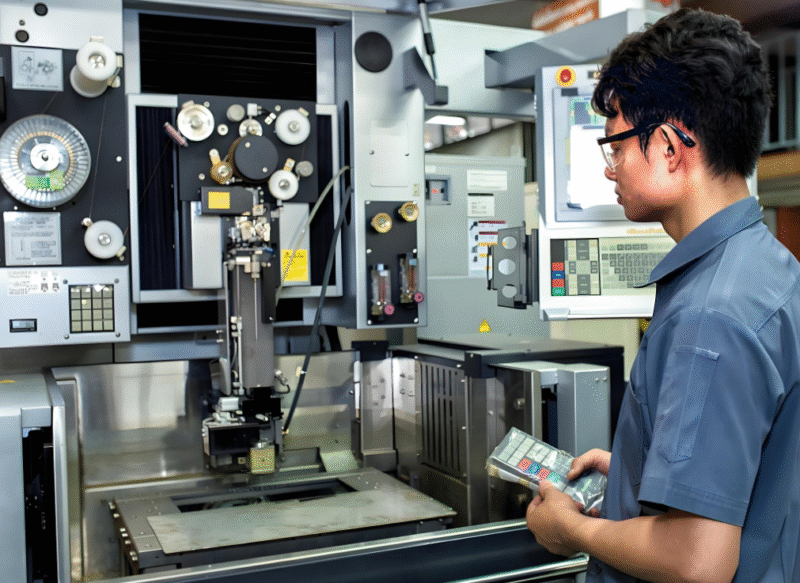
The original traditional quality control often relies on final inspection, once the problem is detected, the whole batch of parts may already be scrapped. Kui Liang Hardware uses SPC (Statistical Process Control) technology to collect and analyse the key dimensions of the machining process in real time. When there is a small deviation in the data, the system will automatically issue an early warning, and the engineers will adjust the cutting parameters or calibrate the equipment immediately, so as to kill the error in the state of the first emergence. This system is particularly important in the automotive industry in batch processing, Kui Liang by virtue of IATF 16949 certified control standards, to ensure that the consistency of the accuracy of the batch parts more than 99.9%.
3. Final inspection and after-sales double guarantee, eliminate customer concerns
After processing is completed, Kui Liang Hardware will use high-precision testing equipment, such as Zeiss coordinate measuring machine, surface roughness meter, such as full-size testing of parts, in order to ensure that each product meets the requirements of the drawings. At the same time, a huge bright promise, “after-sales guarantee, quality problems free rework”, if the customer found that the accuracy of the problem, will immediately start the rework process, the customer's worries completely resolved. This is a sharp contrast to the attitude of some suppliers who are not responsible for the delivery of the products, so that the customers can truly rest assured.
Third move: front-end DFM co-optimisation to avoid accuracy risks from the design side
In many cases, the accuracy problem is not a lack of machining capability, but rather a bottleneck in the design itself that is “unmanufacturable” in terms of accuracy. Pre-engineering and design optimisation can avoid these risks at the source, while improving machining accuracy and efficiency.
![图片[1]-qh数控加工:3招提精度!-大连富泓机械有限公司](/wp-content/uploads/2026/02/1770027241157_2.webp)
1. Design phase intervention to provide manufacturability analysis
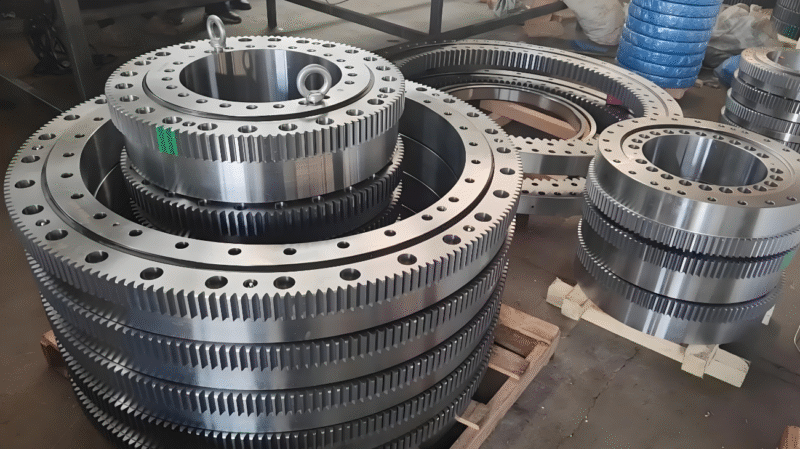
After the customer provides 3D drawings, KuiLiang Hardware's technical team will intervene within 24 hours to carry out DFM (design for manufacturability) analysis, pointing out the precision risk points in the design from the processing point of view, such as thin-walled structure is prone to deformation, deep cavity machining with greater difficulty, and give optimisation solutions. For example, there is a surgical robot customer, it has just started to design the titanium alloy transmission parts, with 0.2mm thick thin-walled structure, but in the processing process, it is very easy to deformation, and KuiLiang engineers put forward an optimisation plan, which is to add micro-strengthening bars, in this way, not only to ensure that the functional requirements of the parts to be met, but also to avoid the precision errors arising from the deformation of the machining, and at the same time, it also makes the parts about 151,000 to 151,000,000 mm thick, which is a very high risk. At the same time, the potential scrap cost of about 15% was reduced.
2. Balancing design requirements with machining accuracy for a win-win situation
DFM optimisation is not just a matter of letting the machining requirements go, it is a matter of finding the best balance between design and machining to achieve the function of the part. Kui Liang's engineers will discuss with customers, such as relaxing the accuracy requirements of non-critical surfaces, and focusing resources on ensuring the high accuracy of critical mating surfaces, which not only improves the possibility of machining success, but also reduces the cost.
3. Smooth transition from prototype to mass production, guaranteeing accuracy consistency
Vantage Bright for those who want to transition from prototype to mass production projects, will be the DFM optimisation of the accumulated experience, to solidify the mass production process, in order to ensure that the prototype and mass production parts in the accuracy is consistent. For example, at the stage of mass production of new energy automobile parts, KuiLiang, with standardised process documents and SPC control means, makes the accuracy of the first batch of mass production parts to be able to achieve a perfect match with the prototype parts, so as to help the customer to pass the vehicle specification verification smoothly.
Comparison with other suppliers
![图片[2]-qh数控加工:3招提精度!-大连富泓机械有限公司](/wp-content/uploads/2026/02/1770027241157_3.png)
In the field of customised precision parts, the accuracy guarantee capability of different suppliers varies significantly:
Larger foundries, which are well-equipped, are slow to respond and lack in DFM collaboration services, which are more suited to standardised mass-produced parts and not flexible enough for high-precision customisation.
Small workshops, the price is relatively low, but the lack of systematic control, equipment maintenance is not in place, the consistency of the accuracy is very poor, there is no guarantee in the after-sales aspect.
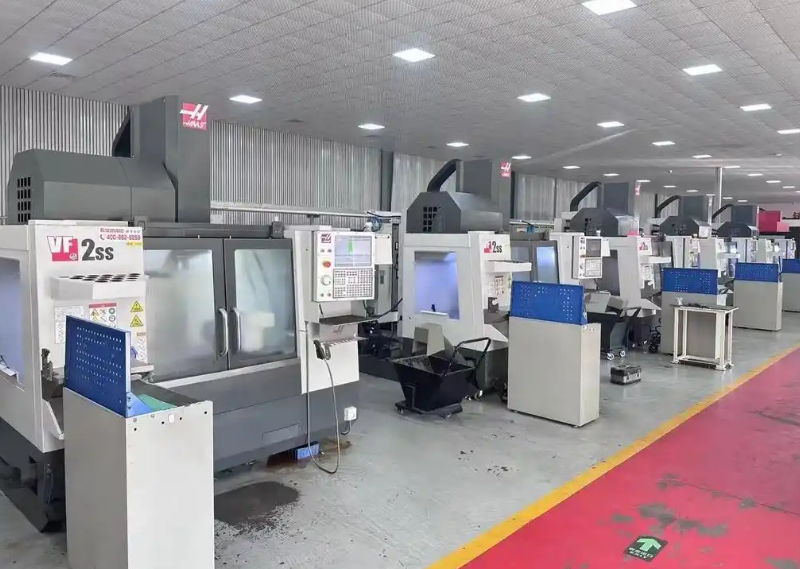
Kui Liang Hardware, the source factory, has more than 127 sets of high-precision equipments with ISO 9001, IATF 16949, ISO 13485 certificates. While having the advantages of large-scale factory equipments and systems, it can also respond flexibly like a small workshop, which is even more ideal for the customisation of high-end precision parts.
reach a verdict
CNC machining accuracy to be improved, which belongs to a systematic project, this project requires equipment and technology to match, to achieve the whole process of quality control, to achieve the synergies of the design of the front, which should be organically combined. Kui Liang Hardware as a professional manufacturer with more than ten years of precision manufacturing experience, these three initiatives into each processing project, it can meet the ± 0.001mm and higher precision requirements, the maximum processing size of 4000mm, for automotive, medical, aerospace and other areas of the supply of stable and reliable customised services for precision parts. Whether it is the rapid prototyping of complex parts or the precision guarantee of mass production, Kui Liang Hardware is your trustworthy partner.
Frequently Asked Questions (FAQ)
What is the highest CNC machining accuracy that can be achieved by Kui Liang Hardware? Kui bright hardware is able to have plus or minus zero point zero one millimetre and further precision requirements of the parts to be processed, so that will be able to meet the high-end medical, aerospace and other fields of those extremely demanding needs, and such a level of precision is to benefit from the advanced five-axis equipment and refined process control.
![图片[3]-qh数控加工:3招提精度!-大连富泓机械有限公司](/wp-content/uploads/2026/02/1770027241157_4.webp)
For CNC machining accuracy, different materials will have an impact? And how to deal with it? The physical properties of different materials will directly affect the machining accuracy, for example, titanium alloy is prone to deformation, and aluminium alloy is prone to knife sticking. Kui Liang Hardware has constructed an exclusive material process database, matching exclusive tools, cutting parameters and cooling solutions for each material, which can effectively avoid the precision deviation brought by material characteristics.
When mass production is carried out, how to ensure that the accuracy of each part can have consistency? Kui Liang Hardware through the IATF 16949 certified standardised production process, with the SPC statistical process control technology conditions, for the processing of the key dimensions of the process to carry out real-time monitoring and intervention, and at the same time, for each batch of parts to build up a complete traceability file, in order to ensure that the consistency of the accuracy of the mass production can reach more than 99.9% degree of consistency. The degree of consistency of mass production can be ensured to exceed 99.9%.
What is the usual delivery time for high-quality precision parts? Kui Liang Hardware by virtue of the ultra-advanced multi-axis machining technology and production capacity with flexible features, for the prototype parts, the fastest three days to be delivered, and for mass production, according to the size of the order, the fastest ten days to reach, and effectively achieve the accuracy and efficiency of the two mutual coordination.
If the accuracy of the parts obtained from processing does not meet the standard, there will be what protection initiatives, Kui Liang Hardware to the sale of after-sales protection commitment, if there is a quality problem, which covers the accuracy does not meet the standard of this case, can be reworked free of charge, and at the same time, we will build a file for the analysis of the problem, the subsequent processing process to be optimised, to prevent similar problems from reoccurring.




 Chinese
  Japanese
  English
  German
  Finnish
No comments