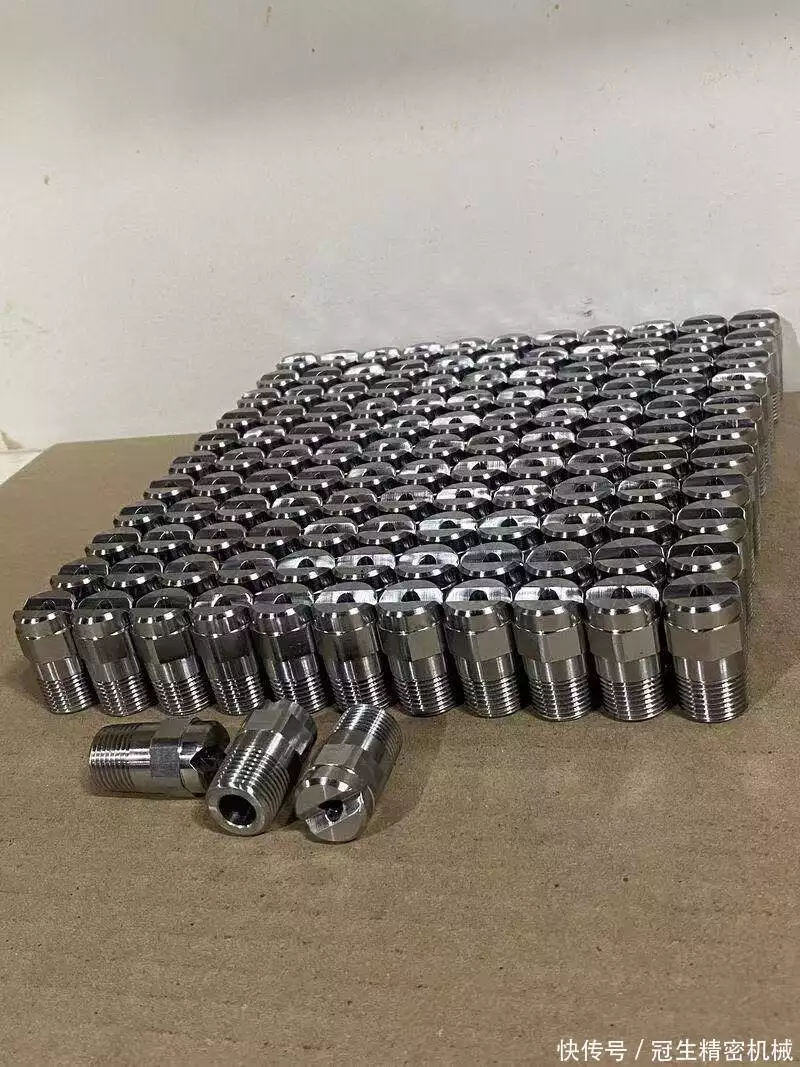


High precision parts machining technical difficulties andprescription
![图片[1]-高精密零件加工的技术难点与解决方案-大连富泓机械有限公司](/wp-content/uploads/2026/02/1770691344448_0.webp)
![图片[2]-高精密零件加工的技术难点与解决方案-大连富泓机械有限公司](/wp-content/uploads/2026/02/1770691344448_1.png)
Go to Hong Kong to open an account no longer need to go to Hong Kong to queue up, the mainland can also do!
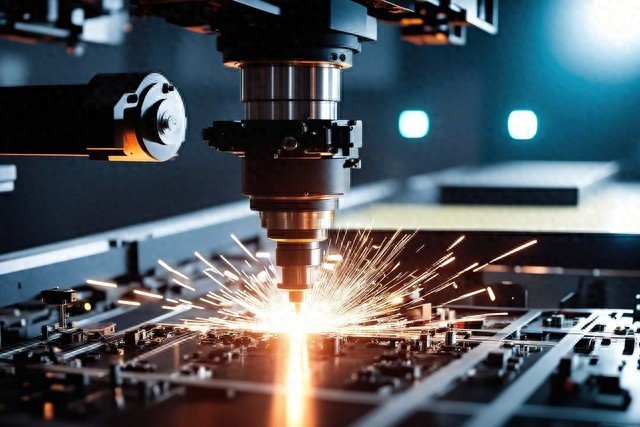
In the modern manufacturing industry, high-precision parts processing belongs to a key and important technical aspects, it is widely used in the aerospace field, is also widely used in the field of automotive manufacturing, but also widely used in the field of machinery and equipment, as well as electronic products and other fields. Followed by industrial automation and intelligent manufacturing continues to develop, parts processing accuracy and complexity continue to improve, which puts forward higher requirements for processing technology. In this paper, will be around the high precision parts processing technology difficulties to start the analysis, and will explore the corresponding solutions, the purpose is to provide reference for the relevant areas of technical personnel and manufacturing enterprises.
I. Technical difficulties in the machining of high-precision parts
1. Complexity of material properties
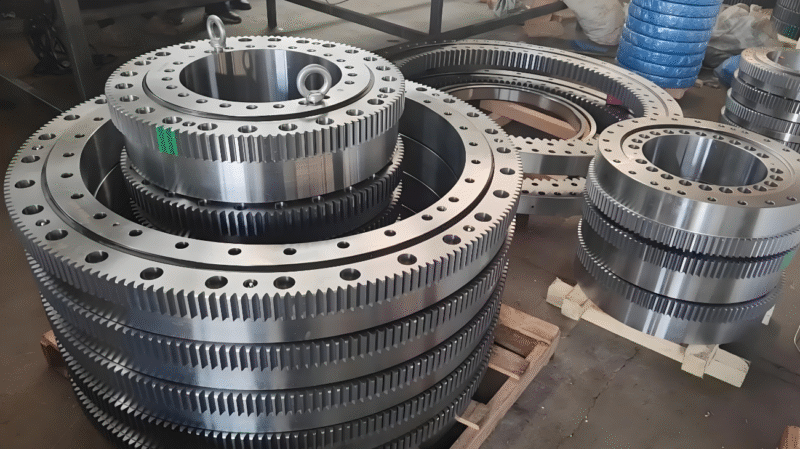
High-precision parts are often used in high-strength alloys, carbide, stainless steel and such materials, these materials have high hardness characteristics, with poor toughness characteristics, with the characteristics of work hardening obvious, in the machining process is prone to tool wear, easy to surface cracks, prone to deformation problems. In addition, the poor thermal conductivity of some materials, resulting in a rise in temperature in the cutting zone, affecting the dimensional stability of the parts, the impact on the surface quality of the parts.
2. High precision requirements for machining dimensions and shapes
Dimensional and shape tolerances are extremely stringent for high-precision parts, often in the micron or even sub-micron range. In the machining process, any extremely small error may cause the parts to become substandard, which will have an impact on the entire assembly and the use of the effect. To achieve such high precision machining, the equipment needs to have rigidity, stability, and fine control of the machining process.
3. Surface quality control challenges
Parts with high precision features not only require dimensional accuracy, but also have high requirements for surface roughness, morphology and hardness uniformity. In the process of machining, tool wear, cutting parameters and unreasonable, there are many factors such as vibration, may lead to surface scratches, ripples, and even residual stress, thereby affecting the fatigue life of the parts and mechanical properties.
4. Heat distortion and residual stress management
Heat is generated during the machining process, resulting in an increase in local temperature of the part, which leads to thermal expansion and deformation, affecting the machining accuracy. At the same time, residual stresses appear within the material during machining; these stresses may cause deformation, cracking, or degradation of the part during subsequent use. How to effectively control and eliminate thermal deformation and residual stress is an important challenge in the machining of high-precision parts.
5. Difficulty of machining complex geometries
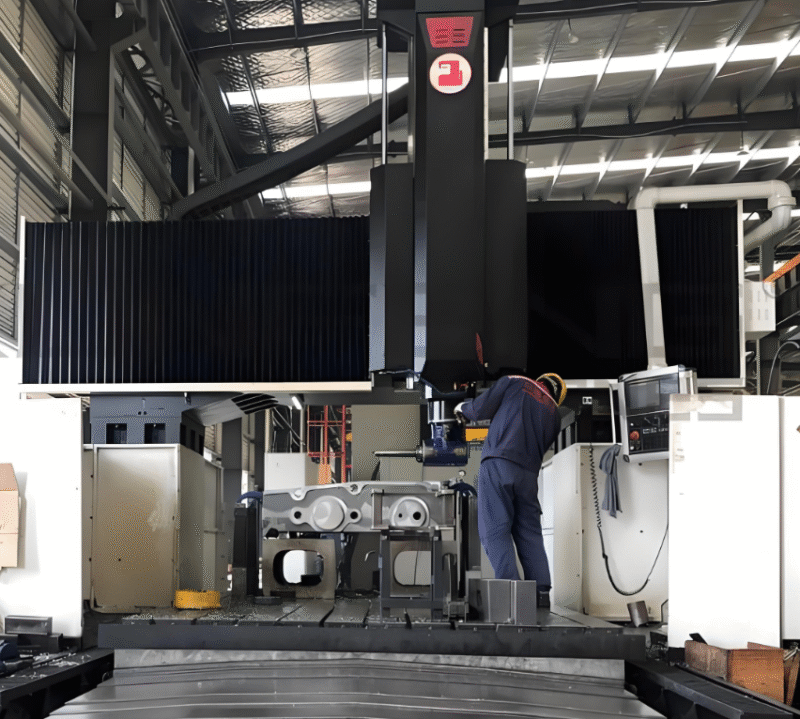
Often the structure of complex modern high-precision parts, the shape of a variety of and also fine, such as curved surfaces, oblique surfaces and micro-holes, etc., the traditional machining methods are difficult to meet the demand for high-precision machining of these complex shapes, so it is necessary to use multi-axis machining and microfabrication and other advanced technologies, and at the same time to ensure that the machining efficiency as well as quality.
![图片[3]-高精密零件加工的技术难点与解决方案-大连富泓机械有限公司](/wp-content/uploads/2026/02/1770691344448_4.webp)
![图片[4]-高精密零件加工的技术难点与解决方案-大连富泓机械有限公司](/wp-content/uploads/2026/02/1770691344448_5.png)
Genuine Fishing Game PC_Ultra HD Quality_No Download_Online Play
6.Processing equipmentand process matching issues
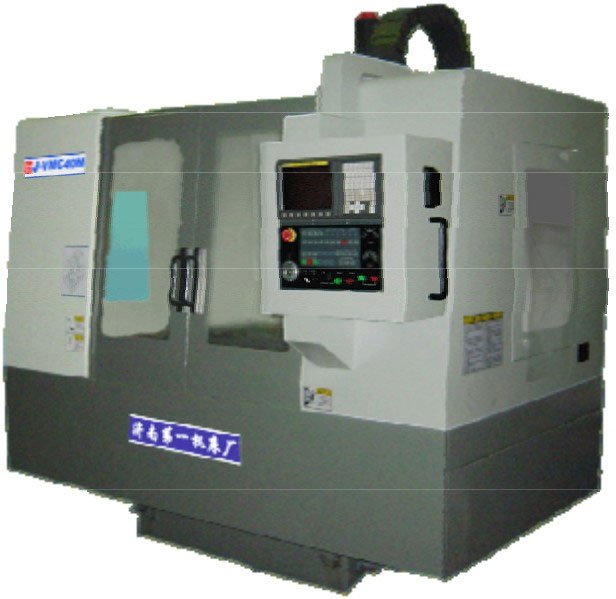
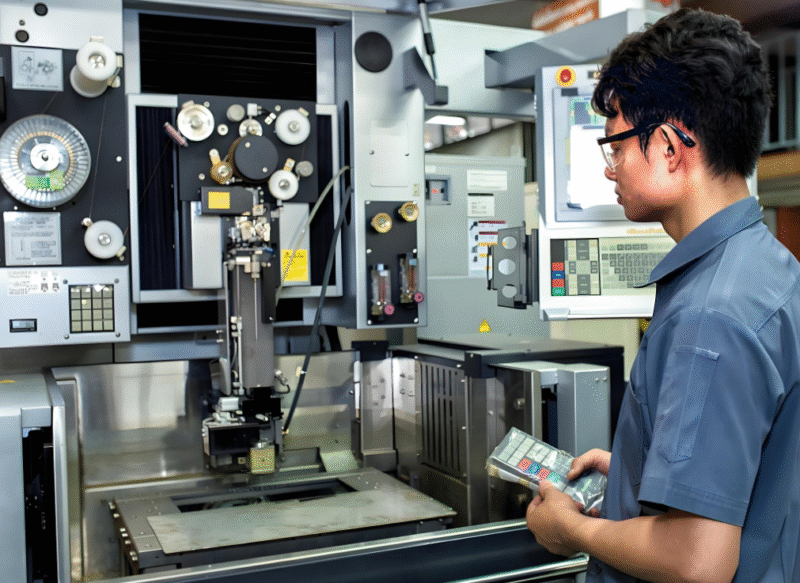
The machining of high-precision parts requires high-performance machine tools and advanced control systems. However, if the performance of the equipment is not matched to the process requirements, this can lead to an increase in machining errors. In addition, the selection of process parameters and optimisation of these two aspects, will also have a direct impact on the machining results. So, how to do to achieve a welcome match between the equipment and process, which is the key to improving the quality of processing.
Second, the solution of high-precision parts processing
1. Selection of suitable processing materials and tools
According to the characteristics of different materials, to select the appropriate tool materials and coatings, in order to improve the wear resistance of the tool and heat resistance. For example, the use of cemented carbide tools or coated tools can effectively extend the service life of the tool, reduce the wear and chipping conditions in the machining process. At the same time, a reasonable selection of cutting fluid, so that the cooling and lubrication conditions can be improved, reduce the temperature of the cutting area, reduce the deformation of the material.
2. Improve equipment rigidity and control precision
Highly rigid machine structures that minimise vibration and deformation are the basis for precision machining. Machines need to be equipped with high-precision servo systems and feedback devices to achieve micron and even nanometre positioning control. Regular calibration and maintenance to ensure consistent performance will help maintain long term machining quality.
3. Optimisation of machining process parameters
After experimentation and simulation analysis, a popular combination of parameters such as cutting speed, feed and depth of cut is determined, which not only ensures the machining efficiency, but also meets the requirements of precision and surface quality. Using a step-by-step machining strategy, roughing is carried out first, followed by finishing and super-finishing, which gradually reduces the machining allowances and tool loads, and achieves high-quality surface results.
4. Application of advanced processing technology
For parts with complex shapes, multi-axis machining technology can be used to achieve flexible tool movements in multiple directions to machine complex surfaces and microstructures. At the same time, through the combination of CNC technology and CAD / CAM system, to achieve the precise planning of the machining path, in order to improve the machining efficiency and accuracy. In addition, ultrasonic vibration-assisted machining, laser-assisted machining and other emerging technologies are gradually being used in the manufacture of high-precision parts to improve the quality of machining.
5. Control and elimination of thermal deformation and residual stresses
In accordance with the appropriate cutting parameters and cooling strategy to reduce the accumulation of heat during processing, thereby reducing thermal deformation, after processing can be used to release and adjust the residual stresses within the material by means of aging, or heat treatment or vibration aging, in order to stabilise the structure of the parts, in addition, the design of the jigs and fixtures should be optimised in order to ensure that the parts are fixed in a stable state in the machining process, thereby reducing the risk of deformation. In addition, the design of fixtures and fittings is optimised to ensure that the parts are fixed in a stable state during the machining process, thus reducing the risk of deformation.




 Chinese
  Japanese
  English
  German
  Finnish
No comments