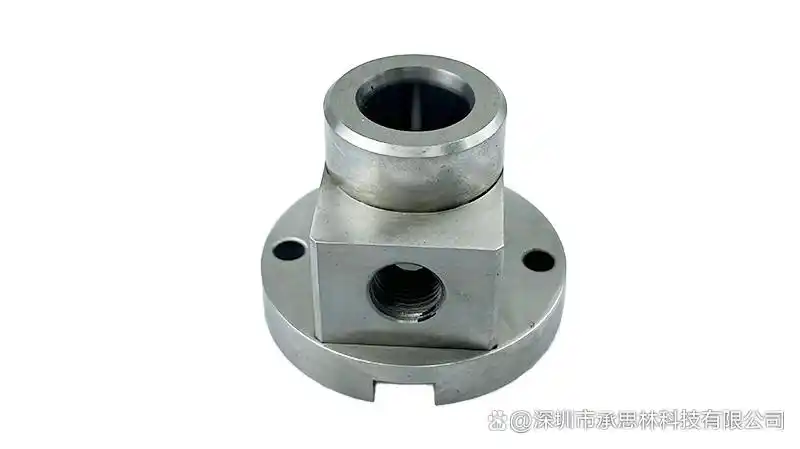


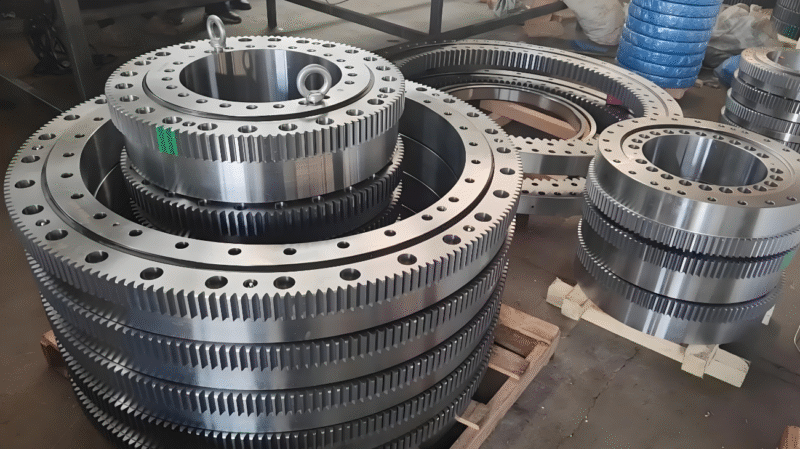
In modern manufacturing, stainless steel partsprecision machiningPlaying an extremely important role, with the industrial technology continues to progress gradually, and market competition is increasingly fierce since the parts processing accuracy requirements become increasingly high, stainless steel materials because of excellent corrosion resistance and mechanical properties and thus favoured by people very much, this paper will focus on precision machining of stainless steel parts to launch an in-depth and detailed exploration of the discussion from the principle of machining,process, Technical Difficulties,quality controland the futureTrend Development(c) Conducting comprehensive and thorough analyses and studies on all aspects.
I. Principle of precision machining of stainless steel parts
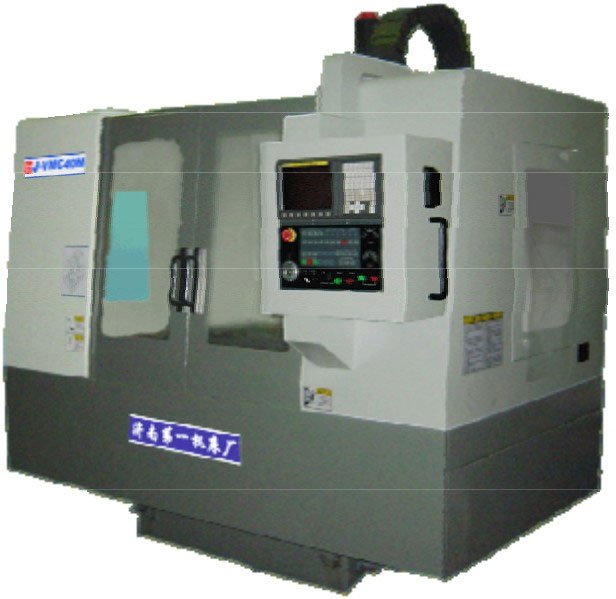
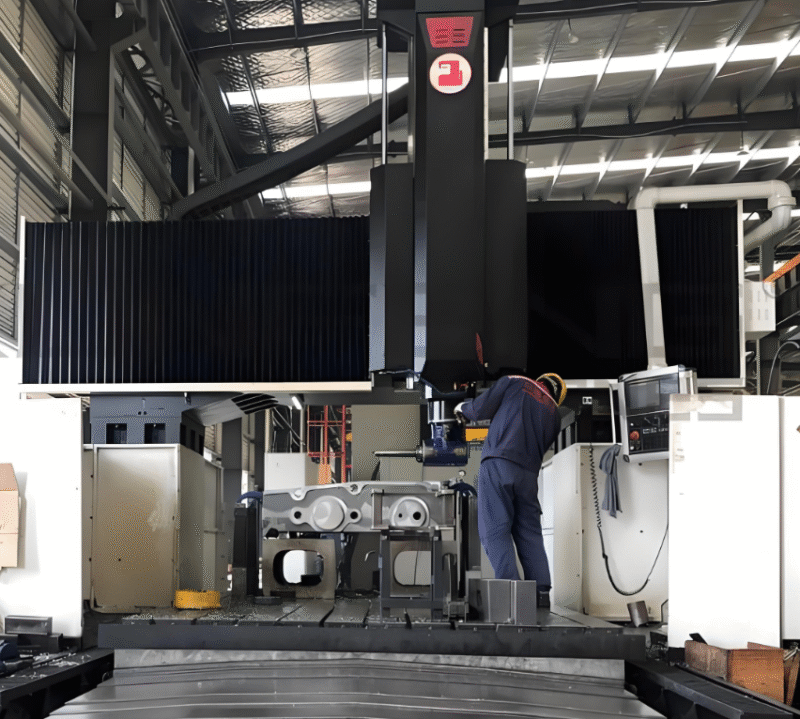
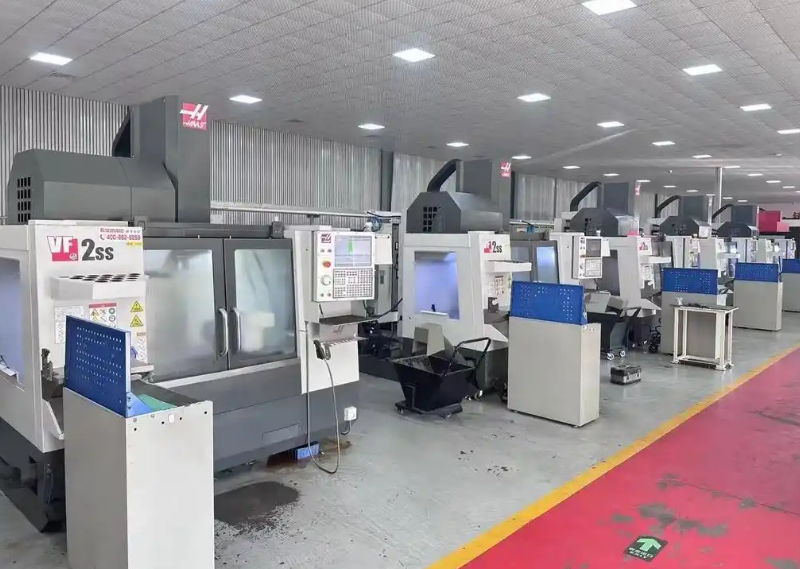
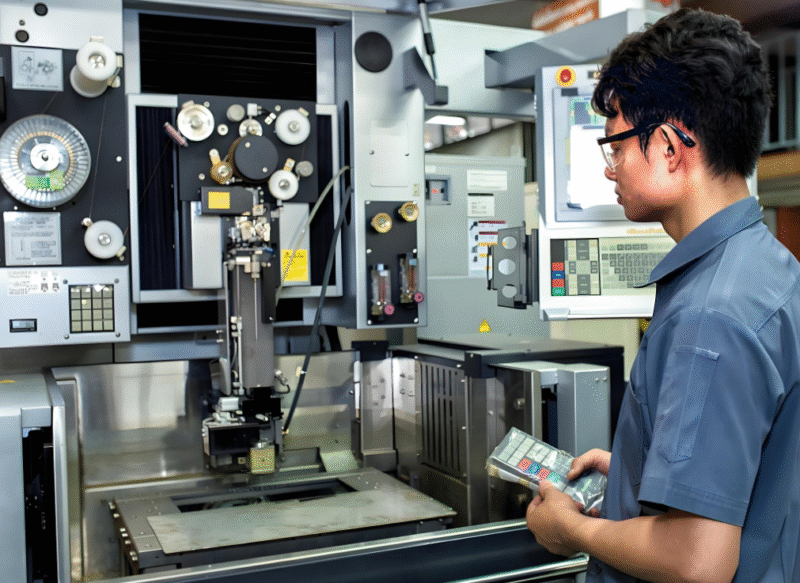
High-precision machine tools and advanced machining technology constitute the main elements on which the precision machining of stainless steel parts depends. When in the machining process, high-speed rotating tools will be used by the machine tool to perform a series of operations such as cutting, milling, drilling and other operations on the stainless steel workpiece, in order to achieve the required dimensional precision and surface quality standards. At the same time, the combination of computer numerical control (CNC) technology enables the machining of parts with complex shapes and high precision requirements.
![图片[1]-不锈钢零件精密加工-大连富泓机械有限公司](/wp-content/uploads/2026/02/1770978038818_0.webp)
Second, stainless steel parts precision machining process
Stainless steel parts precision machining process mainly includes the following steps:
Selection of suitable stainless steel materials for production, cutting, burr removal and other pre-processing work, to ensure that the surface of the material is in a flat state, and there are no shortcomings.
2. Machining design, in view of the parts drawings and requirements, to develop a detailed machining programme, which covers cutting parameters, tool selection, machining sequence and so on.
CAD/CAM software is used for programming and simulation to ensure the accuracy and reliability of the machining process.
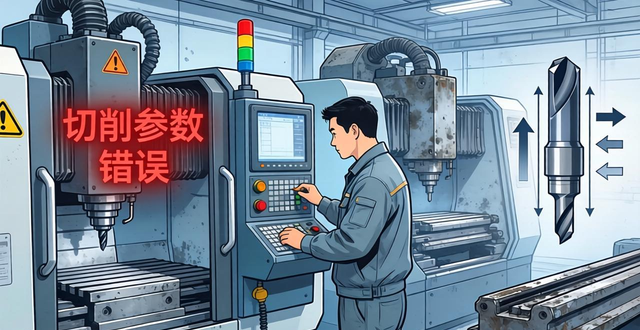
4. Machining operation: input the programmed programme into the high-precision machine tool and carry out the actual machining operation. In the machining process, we should strictly control the cutting speed, feed and other parameters to ensure the quality of machining.
5. Quality inspection, which is carried out on the finished parts to check dimensional accuracy, as well as surface quality, etc., in order to ensure compliance with the drawings.
6. Subsequent processing: cleaning of parts, rust prevention, packaging and other subsequent processing to achieve easy transport and storage.
![图片[2]-不锈钢零件精密加工-大连富泓机械有限公司](/wp-content/uploads/2026/02/1770978038818_1.webp)
![图片[3]-不锈钢零件精密加工-大连富泓机械有限公司](/wp-content/uploads/2026/02/1770978038818_2.png)
Third, stainless steel parts precision machining technology difficulties
There are some technical difficulties that exist in the process of precision machining of stainless steel parts, mainly including the following aspects:
Stainless steel material hardness, which has a high hardness and toughness, in the processing, you need to select the appropriate tool, but also choose the appropriate cutting parameters, in order to prevent the tool wear rate is too fast, or to avoid the phenomenon of work hardening.
When machining stainless steel, the temperature generated will be relatively high, which will lead to deformation of the workpiece, and will also cause tool wear. Therefore, for this situation, effective cooling initiatives must be carried out, such as coolant spraying, cooling the internal implementation of the tool, etc..
First, the precision machining of stainless steel parts requires high dimensional accuracy and surface quality, and requires the use of high-precision machine tools, as well as advanced processing technology, such as laser processing, ultrasonic processing and so on. Second, processing precision requirements, stainless steel parts precision machining of high dimensional accuracy requirements, the surface quality requirements are also high, but also the use of high-precision machine tools, as well as advanced technology, such as laser processing, ultrasonic processing and so on.
4. Complex shapes make machining more difficult: for parts with complex shapes, in the machining process, you have to use multi-axis linkage, composite machining and other technical means to achieve high-precision machining.
![图片[4]-不锈钢零件精密加工-大连富泓机械有限公司](/wp-content/uploads/2026/02/1770978038818_3.webp)
Fourth, stainless steel parts precision machining quality control
To ensure the quality of stainless steel parts when precision machining, a series of quality control measures have to be taken, which covers:
Strict quality inspection of purchased stainless steel materials can ensure that the material meets the processing requirements.
Second, the machining process monitoring, to implement real-time monitoring of the machining process to ensure that the machine is running in a stable state, so that the cutting parameters to a reasonable degree, so that the tool state presents a good situation.
![图片[5]-不锈钢零件精密加工-大连富泓机械有限公司](/wp-content/uploads/2026/02/1770978038818_4.png)
3. Carry out quality inspections to check the dimensional accuracy of the finished parts, as well as the surface quality to ensure that they meet the requirements set out in the drawings. If encountered substandard products, it is necessary to apply for repair or scrap processing.
4. Continuous Improvement: Based on the problems detected in the process and the results of quality tests, the process and parameters are continuously optimised and improved to enhance the efficiency of the process and the quality of the product.
![图片[6]-不锈钢零件精密加工-大连富泓机械有限公司](/wp-content/uploads/2026/02/1770978038818_5.webp)
V. Future development trend of stainless steel parts precision machining
Due to the continuous progress of science and technology as well as changes in market demand, precision machining of stainless steel parts will encounter new development opportunities and challenges, the future development trend mainly covers the following aspects:
The use of artificial intelligence, big data and other technical methods to achieve intelligent control and management of the processing process, improve processing efficiency and product quality, this is intelligent processing.
Green manufacturing, with its focus on environmental protection and sustainability, uses environmentally friendly materials and energy-saving technologies to reduce energy consumption and waste emissions during processing.
According to the customer's needs, as well as the changes in the market, to provide personalised customised production services, so as to meet the diversified needs of customers, this is customised production.
4. Cross-field integration: to strengthen the integration of innovation with other fields, such as new materials, new energy, to bring new opportunities for the development of precision machining of stainless steel parts.
![图片[7]-不锈钢零件精密加工-大连富泓机械有限公司](/wp-content/uploads/2026/02/1770978038818_6.webp)
In any case, precision machining of stainless steel parts, as a key component of modern manufacturing, will continue to encounter new challenges and opportunities in the future development. We have to continue to learn and master new technologies, as well as new processes and new materials, in order to adapt to market changes and meet customer needs. At the same time, we also need to pay attention to environmental protection and sustainable development issues, to promote precision machining of stainless steel parts towards green, intelligent direction.



 Chinese
  Japanese
  English
  German
  Finnish
No comments