
INTRODUCTION: POSITIONING THE PROBLEM - Stainless steel and carbon steel are the most commonly used metal materials in theRivet weldingWhat is the difference between the two? What are the consequences of making the wrong choice?
A quick look at material properties:
Stainless steel: corrosion resistance, high strength, easy work hardening, poor thermal conductivity.
Carbon steel: low cost, high strength, good toughness, easy to rust.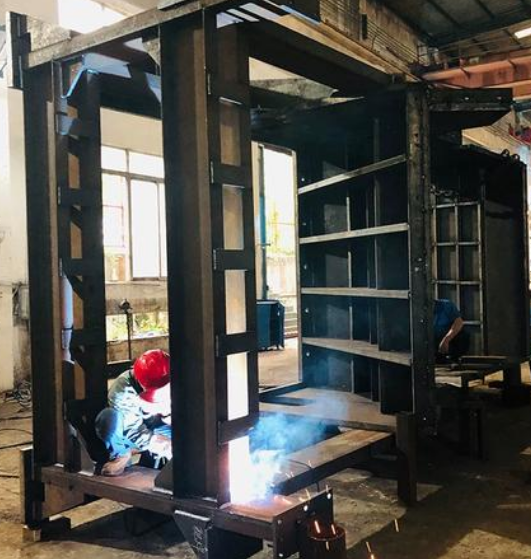
Core Process Comparison Details (use of comparison table is better):
Welding methods: Stainless steel (TIG/inert gas shielded welding is recommended to minimise oxidation), Carbon steel (MIG, manual arc welding etc. are more commonly used).
Choice of welding consumables: Stainless steel (must use matching or higher grade wire/rod), Carbon steel (wide range of choices, need to match strength grade).
Heat input and control: Stainless steel (tight control to prevent carbide precipitation and distortion), Carbon steel (relatively lenient, but need to prevent cold cracking).
Pretreatment and post-treatment: Stainless steel (strictly clean, may require backside protective gas, pickling passivation), carbon steel (rust removal, oil removal is sufficient).
Special considerations for the riveting process:
Stainless steel rivet options (to prevent galvanic corrosion).
Rustproofing (e.g. zinc plating) of carbon steel rivets.
A guide to industry application scenarios:
Preferred industries for stainless steel: food machinery, medical equipment, chemical equipment, marine components for ships, architectural curtain walls.
Preferred industries for carbon steel: construction steelwork, heavy machinery, truck carriages, storage racks, general framing.
Frequently Asked Questions and Myths: Can I weld stainless steel directly to carbon steel? What do I need to pay attention to? (Explaining the key points of welding dissimilar steels).
Conclusion and Recommendations: Summarises how to make the right choice based on project budget, performance requirements (strength vs. corrosion resistance) and end-use environment.
Call to Action: If you have a project with mixed materials or special requirements, please contact our engineers for a customised process solution.
 Chinese
  Japanese
  English
  German
  Finnish
Leave a Reply
You must be logged in to post a comment.