
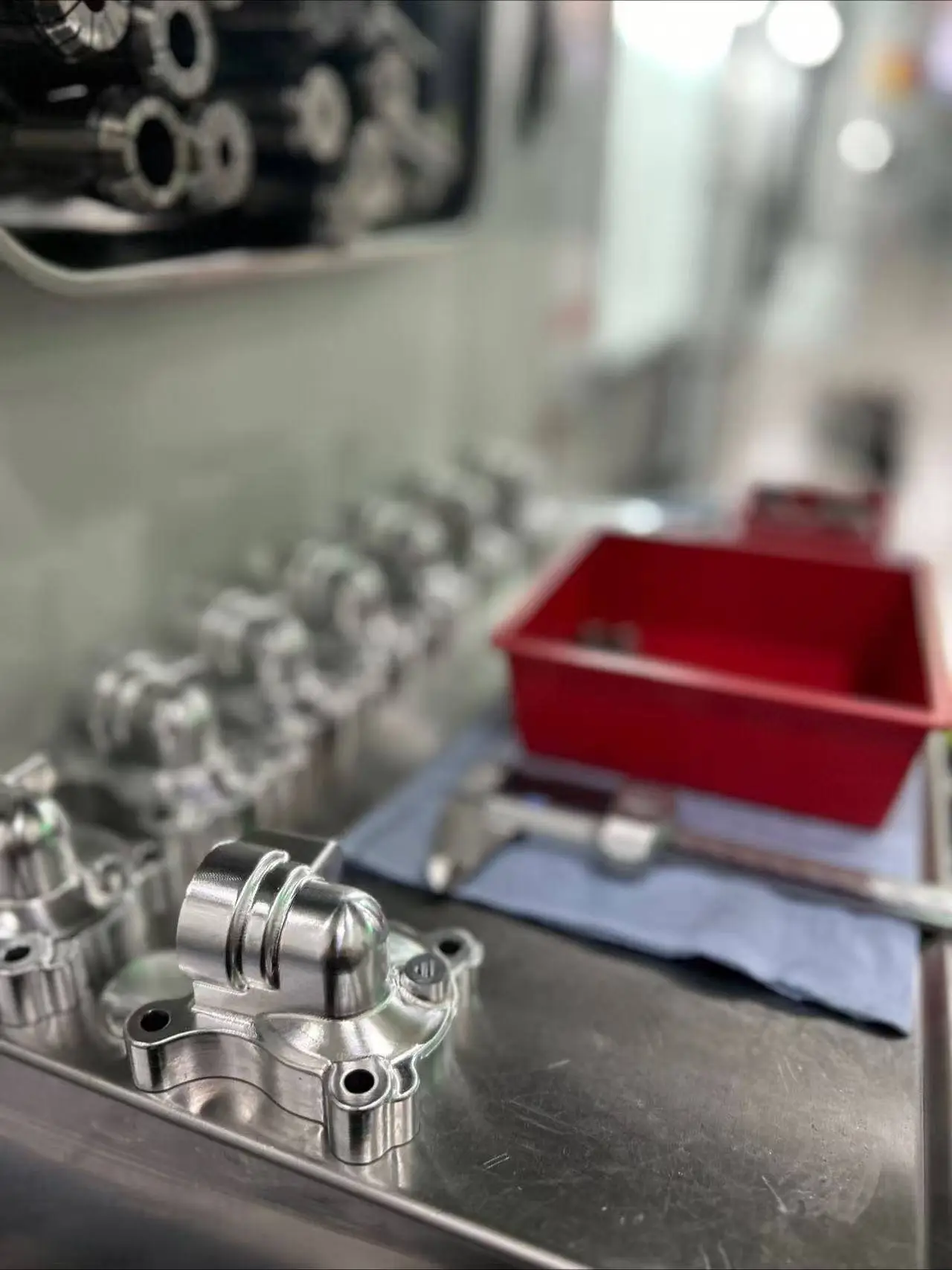
As someone who has long focused on the industrial manufacturing sector, I’d like to talk to you all today aboutprecision machineryComponent ManufacturingThis topic. Many people may be quite unfamiliar with this field, but it is in fact closely intertwined with our daily lives; from car engines right through to household appliances, everything relies on precision components.
The manufacture of precision mechanical components is underpinned by high-precision technical requirements. Through a series of manufacturing processes, metal or non-metallic components are produced that meet strict dimensional and geometric tolerances, as well as performance requirements. These components generally possess micrometre- or even nanometre-level precision and must satisfy specific criteria such as mechanical properties, wear resistance and corrosion resistance.

Let’s discuss the fundamental characteristics of this field. To begin with, the manufacture of precision mechanical components centres on “precision”; This does not merely imply dimensional accuracy; it also encompasses strict control over geometric shapes, surface quality and material properties. As these components are often used in critical equipment or systems, even the slightest deviation may affect the overall operational efficiency, service life or even the safety of the equipment. Consequently, this process places extremely high demands on the equipment, operational procedures and the skills of the personnel involved.
During the manufacturing process, there are several key stages that require particular attention. First and foremost is the design phase, during which engineers must carry out detailed structural design and material selection in accordance with the components’ intended applications and performance requirements. For instance, in the case of high-speed rotating components, the primary consideration is likely to be none other than titanium alloys and high-strength aluminium alloys, with the aim of ensuring that the objectives of lightweight construction and durability are met. Secondly, there is the machining stage, which involves a wide range of precision machining techniques, such as CNC machining, electrical discharge machining (EDM) and laser machining. Each of these techniques has its own specific applications and precision ranges.
I will then proceed to outline the manufacturing process and key points for precision mechanical components, focusing on several key aspects.
1. Design and Choice of Materials
Design is the cornerstone of high quality in precision manufacturing, and it is also the foundation that determines component performance. During the design process, engineers must comprehensively consider the component’s function, load conditions, operating environment and manufacturability. Take components subjected to high temperatures, for example: the material must possess excellent heat resistance and thermal stability—as is the case with nickel-based alloys or special-grade stainless steels. At the same time, the design must take into account the feasibility of the machining process to avoid structures that are difficult to machine or an excessive number of subsequent processing steps.
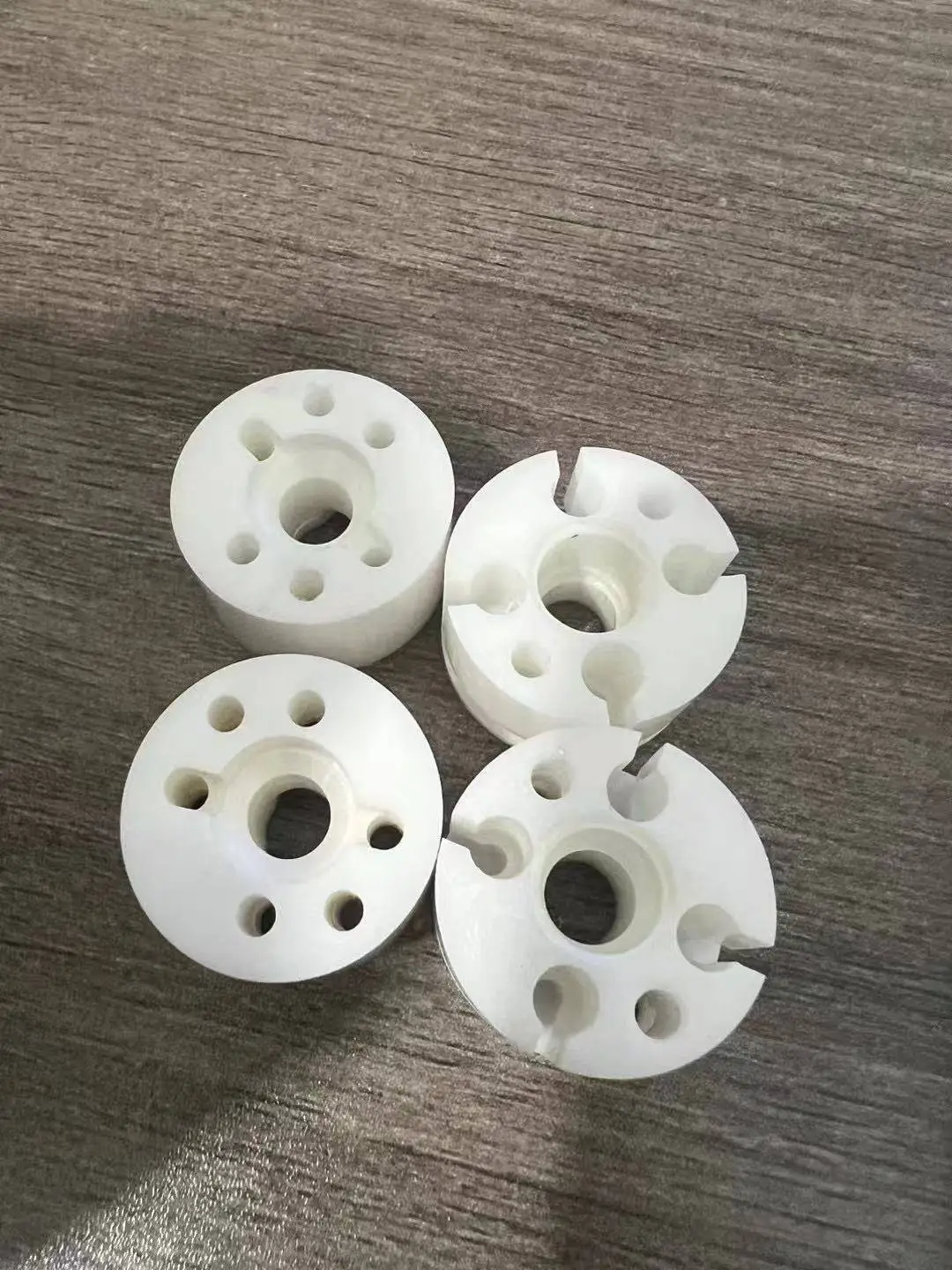
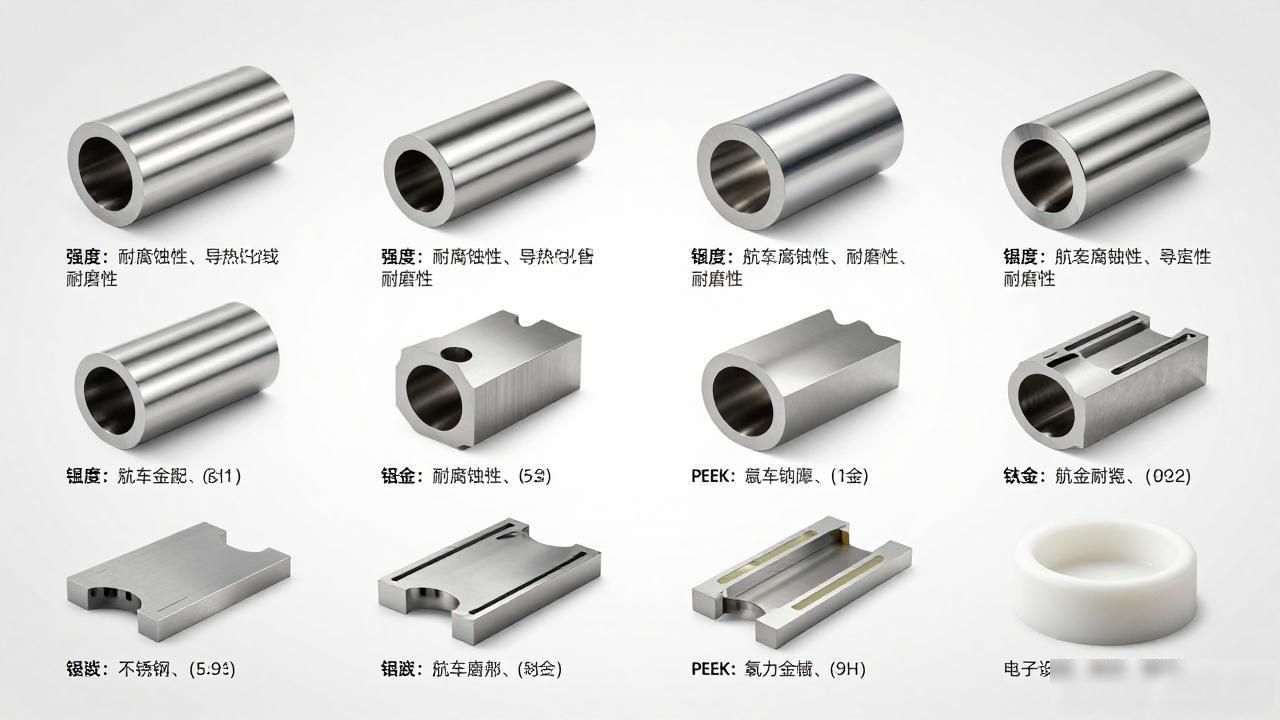
Similarly, the selection of materials is of paramount importance. The materials commonly used for precision components include various metal alloys, engineering plastics, ceramics and composite materials. Metal materials such as stainless steel, aluminium alloys and titanium alloys are widely used due to their high strength and excellent machinability. Non-metallic materials, such as polyetheretherketone (PEEK) or zirconia ceramics, play a vital role in specialised environments, such as those requiring high levels of corrosion resistance or electrical insulation, The choice of material not only affects the performance of the components but is also directly linked to manufacturing costs and lead times.
2. Manufacturing Processes and Technologies
The machining of precision mechanical components typically relies on high-precision equipment and technology. CNC machine tools are currently the most widely used machining tools; they utilise computer programmes to control the movement of cutting tools, enabling high-precision cutting of complex shapes. In situations such as the machining of a micro-gear, a CNC milling machine can ensure that errors in tooth profile and pitch are kept within the micrometre range.
In precision manufacturing, alongside traditional machining, specialised processing techniques also play a significant role. Among these, electrical discharge machining (EDM), which utilises the principle of electro-erosion, is suitable for machining high-hardness materials or complex internal cavity structures, whilst laser processing employs high-energy beams for cutting or welding, making it particularly well-suited to the processing of thin-walled parts or microstructures. Furthermore, additive manufacturing—commonly known as 3D printing—has gradually found application in the field of precision components in recent years, proving particularly well-suited to rapid prototyping of small batches and complex structures.
3. Testing andquality control
As the tolerances for precision components are generally extremely small, the inspection process is essential. Commonly used inspection methods include co-ordinate measuring machines, optical projectors and surface roughness gauges. Co-ordinate measuring machines can utilise probe contact or laser scanning to obtain the three-dimensional dimensions of components and compare them with the design model, Optical projectors, on the other hand, are suitable for the rapid inspection of two-dimensional contours, such as checking hole positions or edge shapes.
Quality control is not limited to the final product alone, but is integrated throughout the entire manufacturing process. For example, during the manufacturing process, operators carry out random checks on semi-finished products at regular intervals to ensure that critical dimensions meet the specified requirements! At the same time, many companies employ statistical process control methods; by monitoring and analysing data, they can identify hidden issues at an early stage and thereby prevent batch-wide defects from occurring!
4. Surface treatment and post-processing
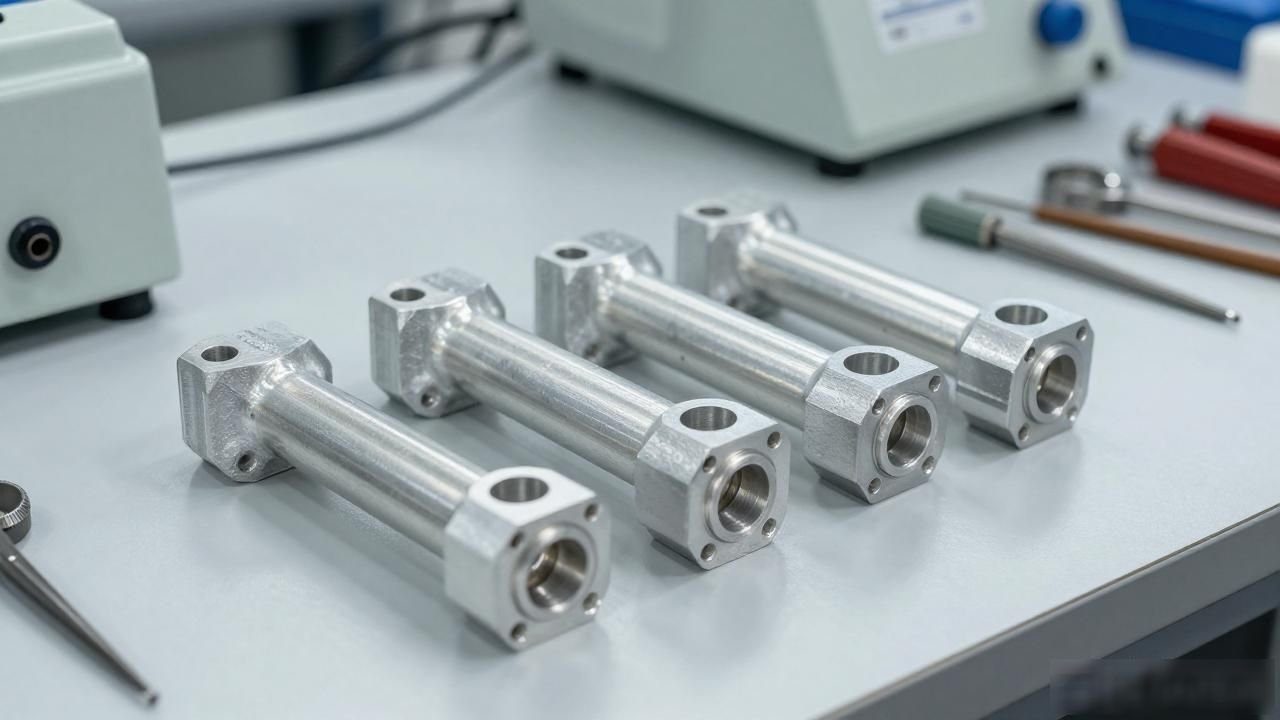
Precision components that have undergone machining often require surface treatment to enhance their performance or aesthetic appeal. Common surface treatment methods include electroplating, spray coating, anodising and polishing. Electroplating creates a metallic coating on the surface of components, enhancing their wear resistance or corrosion resistance; anodising, which is primarily used for aluminium alloy parts, forms an oxide film to improve surface hardness and electrical insulation properties.
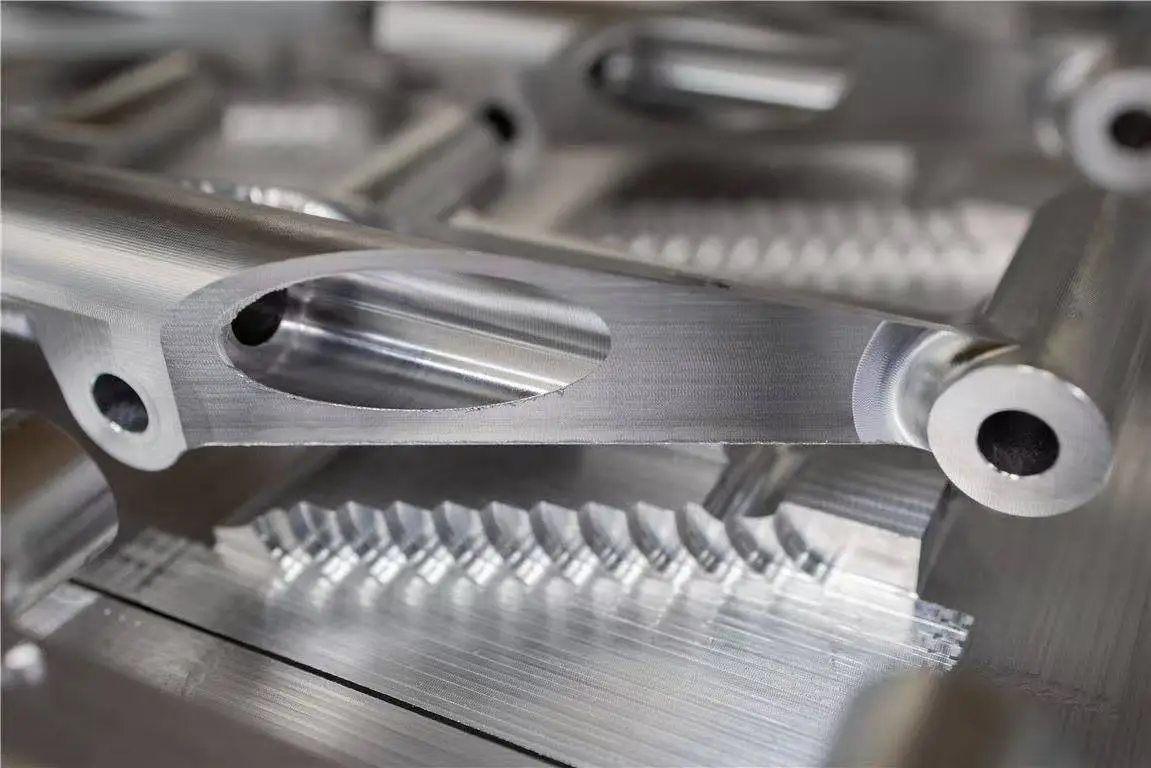
These subsequent processing stages may well include a series of steps such as deburring, cleaning and assembly. The purpose of deburring is to remove the tiny burrs formed during machining, thereby preventing these small burrs from adversely affecting the performance of the components; as for the cleaning process, this is intended to ensure that the components are free from oil residues or impurities; this is absolutely crucial and indispensable, particularly for parts used in high-cleanliness environments.
5. Areas of Application and Development Trends
Precision mechanical components have an extremely wide range of applications, spanning numerous industries, such as the automotive manufacturing sector, the aerospace industry, the electronics sector and the medical devices industry, amongst many others. Within the automotive sector specifically, these precision components are utilised in engine systems, transmission systems and braking systems; these applications have a direct impact on a vehicle’s performance and safety. Within the electronics sector, they are frequently used in connectors, heat sinks and microstructural components, thereby supporting the trend towards miniaturisation and greater efficiency in electronic devices.
At present, the field of precision manufacturing is moving towards greater accuracy and efficiency; on the one hand, the application of new materials continues to expand—such as the use of composite and nanomaterials in specific scenarios; on the other hand, the integration of intelligent and automated technologies has made machining processes more controllable and efficient. For example, through the Internet of Things (IoT), equipment can transmit machining data in real time, enabling remote monitoring and early warning systems, Furthermore, the concept of green manufacturing is gradually gaining traction, with companies beginning to prioritise reducing energy consumption and waste, thereby promoting sustainable development.
Taken together, the manufacture of precision mechanical components is a field that integrates knowledge from multiple disciplines; it requires not only a solid theoretical foundation but also draws upon extensive practical experience. For the general reader, gaining an understanding of these fundamental concepts may well help to foster a more nuanced appreciation of the precision and complexity of modern industry. In the future, as technology advances, precision manufacturing is bound to play a pivotal role in an increasing number of fields, providing solid support for both everyday life and industrial progress.
 Chinese
  Japanese
  English
  German
  Finnish
Leave a Reply
You must be logged in to post a comment.