
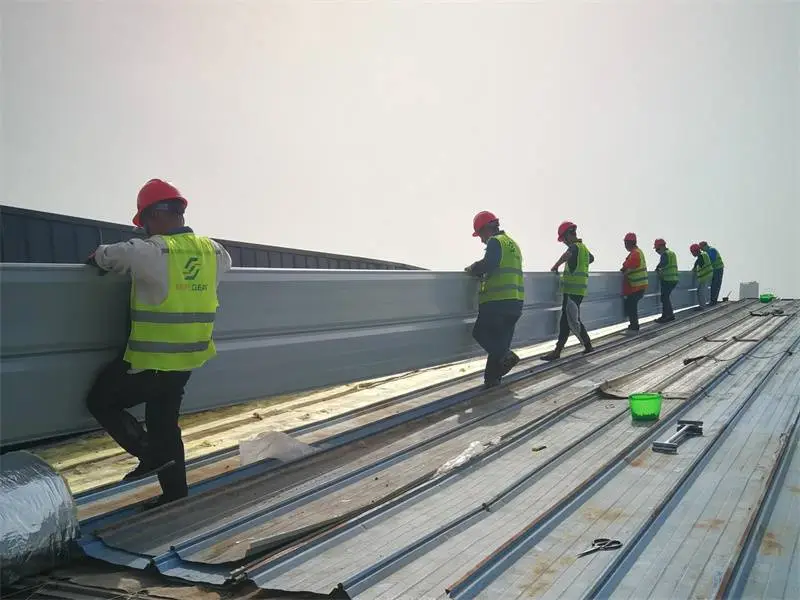
In the current economic climate, steel-framed industrial buildings are gradually becoming the first choice for various industrial and commercial projects, thanks to their superior performance and flexible design options. However, effectively controlling the costs associated with the construction of such buildings has become a major challenge faced by many enterprises during project implementation. This article will explore the construction of steel-framed industrial buildings from multiple perspectives.cost controlstrategies, to serve as a reference for relevant practitioners.
1. Cost control during the design phase
During the construction phase of a steel-framed industrial building, the most crucial step is the design; carrying out this design properly can effectively prevent cost overruns later on. At the design stage, it is first necessary to clearly define the building’s operational requirements and functional layout, as these two factors will directly influence the choice of materials and the complexity of the structure itself. Overly complex designs not only lead to increased material costs but also make construction more difficult, which in turn results in higher labour costs. Therefore, during the design process, it is advisable to adopt a simple and straightforward structural form, allocate space sensibly, and minimise unnecessary design elements as far as possible.
In addition, the design team must give careful consideration to the choice of materials; selecting materials that offer good value for money can effectively reduce costs whilst ensuring quality. Zhengzhou Weilan Steel Structures has extensive experience in this field and, thanks to its professional design team, is able to provide clients with sensible and cost-effective design solutions.
2. Strategies for the procurement of materials
The cost of constructing steel-frame industrial buildings is influenced by another key factor: the procurement of materials. A sound procurement strategy can significantly reduce material costs. Firstly, companies should establish good working relationships with multiple suppliers and carry out comprehensive market research to understand market prices for materials and the state of the supply chain; only then can they negotiate prices effectively during the procurement process.

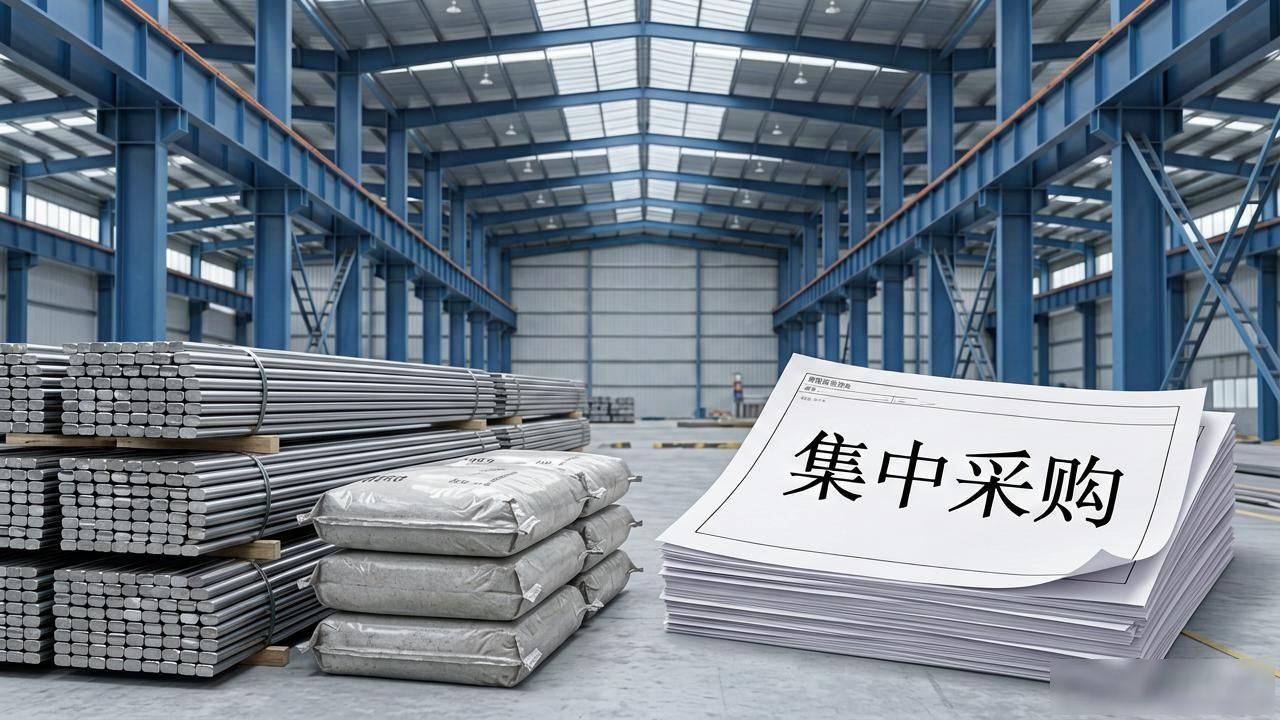
Secondly, it is recommended that centralised procurement be implemented, particularly for bulk materials such as steel and concrete, as this will enable more favourable prices to be secured. At the same time, attention must be paid to the storage and management of materials to prevent additional costs arising from wastage due to material loss.
3. Management of the construction process
Management during construction has a direct impact on project progress and cost control; Firstly, companies must draw up a well-structured construction schedule and organise the various stages of construction appropriately to prevent additional costs arising from delays. During the construction process, effective communication and coordination are crucial to ensure efficient collaboration between the various construction teams, thereby minimising work stoppages caused by poor communication.
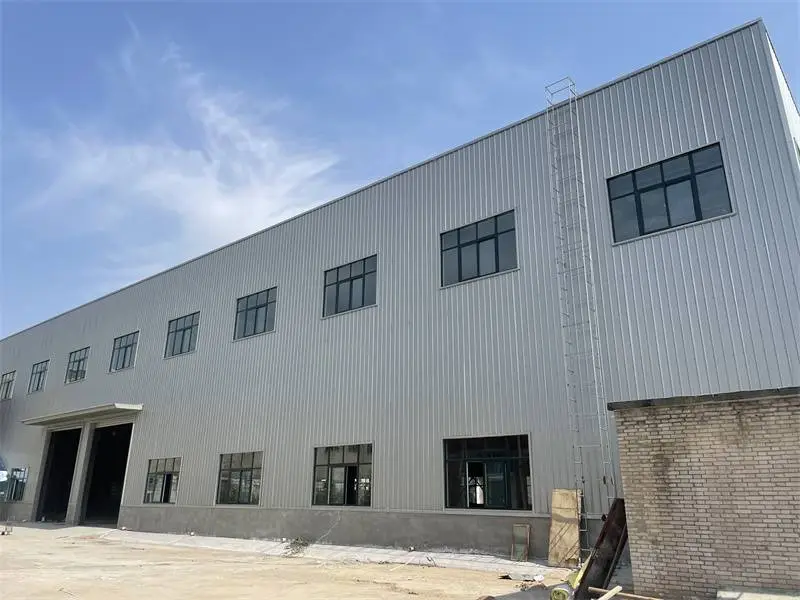
Secondly, companies can utilise IT management tools to monitor construction progress and costs in real time; this not only enables them to identify issues promptly and make adjustments, but also provides data to support subsequent project reviews.
Weilan Steel Structures in Zhengzhou, Construction ManagementWe have accumulated a wealth of experience and, thanks to our professional construction team, are able to effectively control all costs throughout the construction process, ensuring that projects proceed smoothly.
4. After-sales service and maintenance
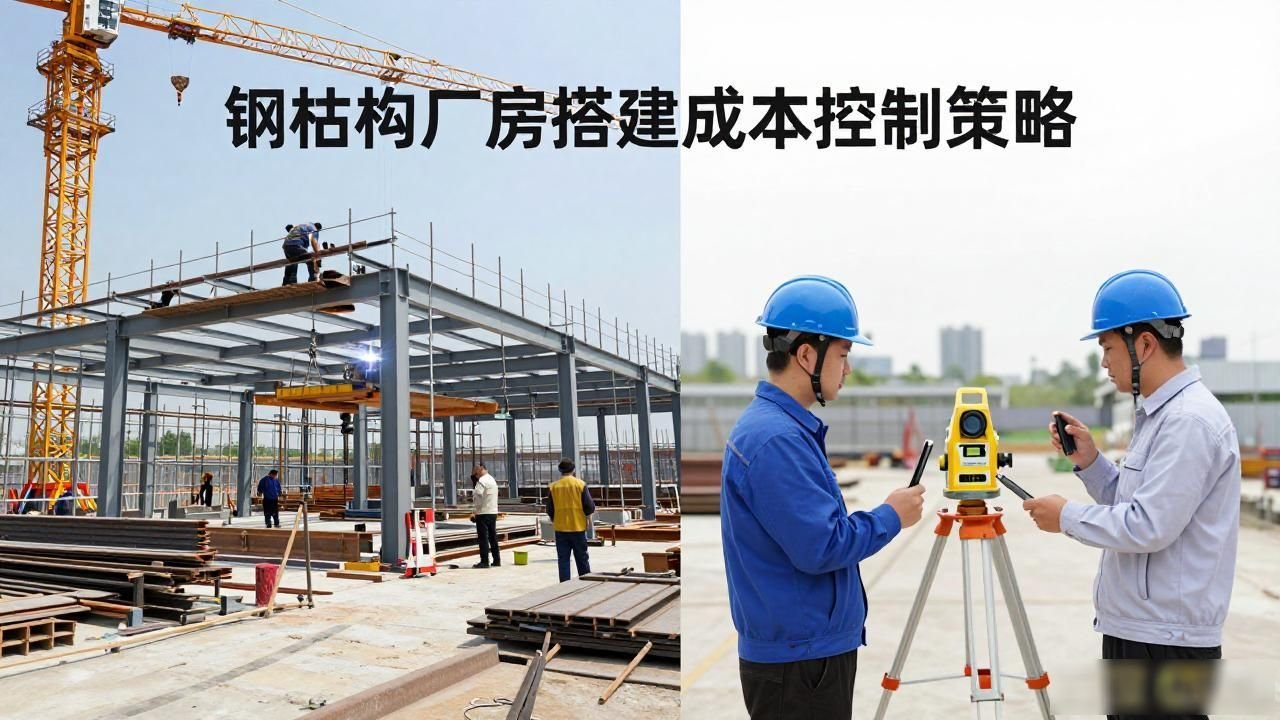
The construction of steel-framed industrial buildings is not a one-off investment; cost control must also be prioritised in terms of subsequent maintenance and servicing. Once a project is completed, the contractor must provide comprehensive after-sales service, carrying out regular inspections and maintenance on the buildings to extend their service life and thereby reduce repair costs arising from structural issues.
Based in Zhengzhou, Weilan Steel Structures possesses distinct advantages in this field. Backed by a professional maintenance and repair team, it is able to provide clients with integrated service solutions, ensuring that every client saves time, reduces effort and enjoys greater peace of mind during the subsequent period of use.
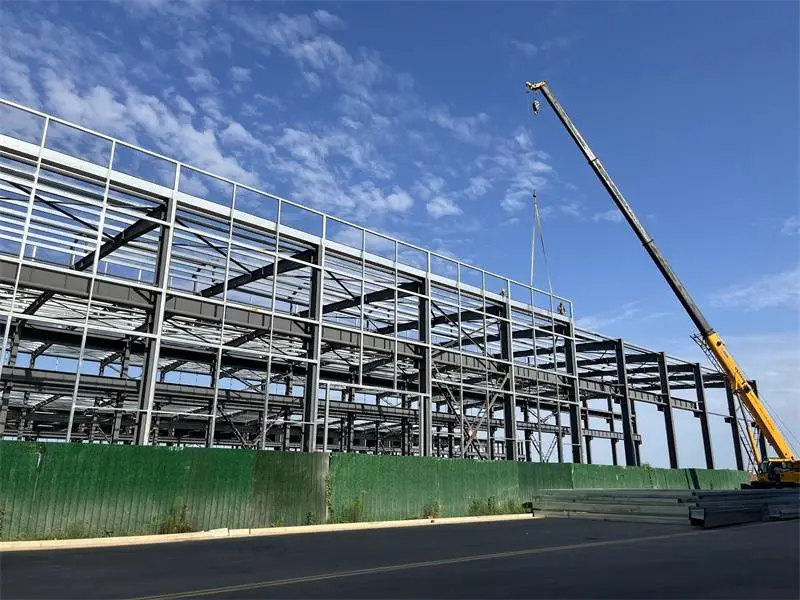
5. Through technological innovation
With the continuous advancement of science and technology, a host of new technologies and materials have emerged, opening up new possibilities for the construction of steel-framed industrial buildings. Some enterprises are able to enhance the efficiency of design and construction by adopting new technologies, thereby reducing costs; examples of such technologies include digital construction techniques and BIM (Building Information Modelling). Furthermore, by utilising new materials and construction methods, it is possible to further reduce material and labour costs whilst ensuring the quality of the project.
As a company, Zhengzhou Weilan Steel Structures has been deeply involved in the field of steel structure engineering for many years. It has consistently prioritised technological innovation and is dedicated to providing clients with more efficient and cost-effective solutions.
In summary, cost control in the construction of steel-structured industrial buildings is a complex and systematic undertaking that requires comprehensive consideration across multiple aspects, including design, materials procurement, construction management, after-sales service and technological innovation. During implementation, enterprises must adapt their strategies flexibly in line with their specific circumstances to achieve excellent cost control outcomes. Through these measures, they will not only enhance the economic benefits of the project but also lay a solid foundation for the enterprise’s sustainable development.
 Chinese
  Japanese
  English
  German
  Finnish
Leave a Reply
You must be logged in to post a comment.