


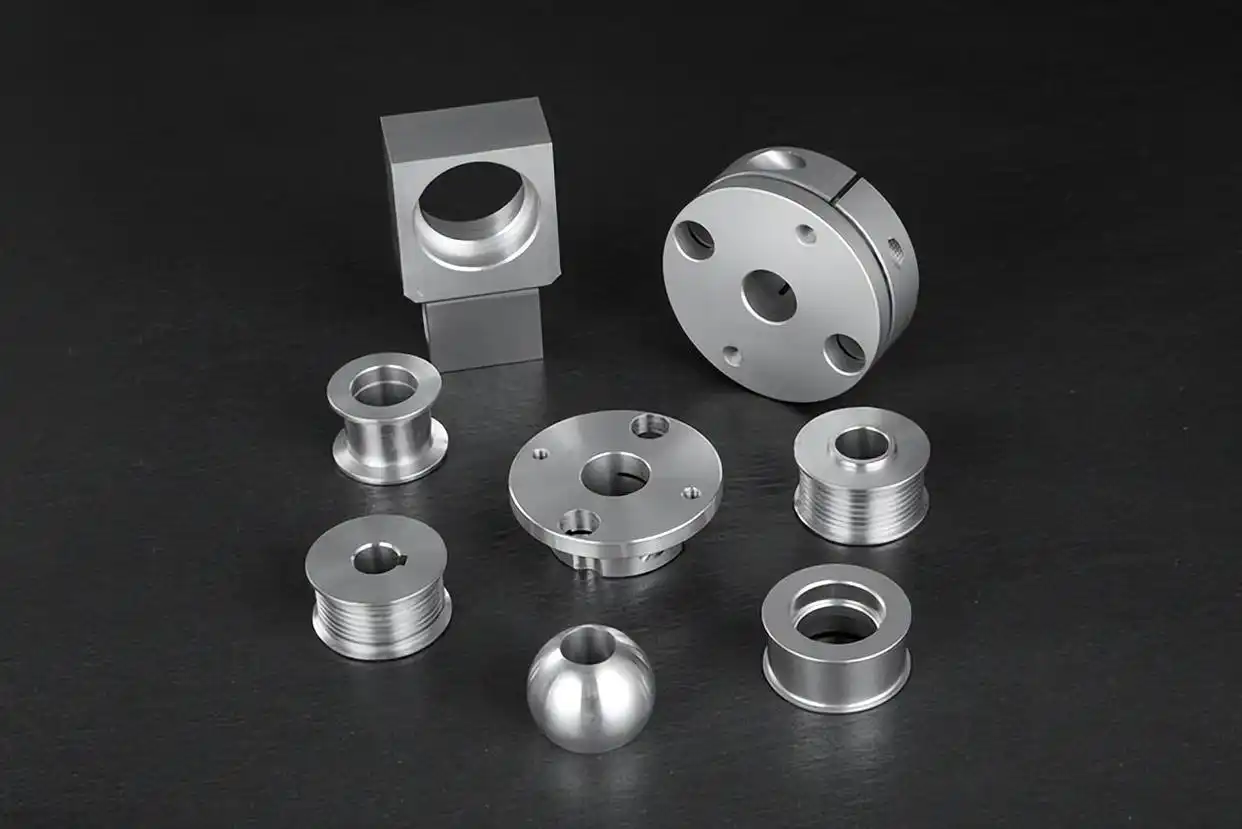
“The Art of ”Non-Standard Customisation’: When Standardised Manufacturing Embraces Unlimited Individuality
In the lexicon of manufacturing, “standardisation” and “mass production” were once the most dazzling jewels in the crown of efficiency. However, a seemingly contradictory yet increasingly powerful demand—“non-standard customisation”—is reshaping the logic of manufacturing, from cutting-edge equipment to everyday consumer goods.
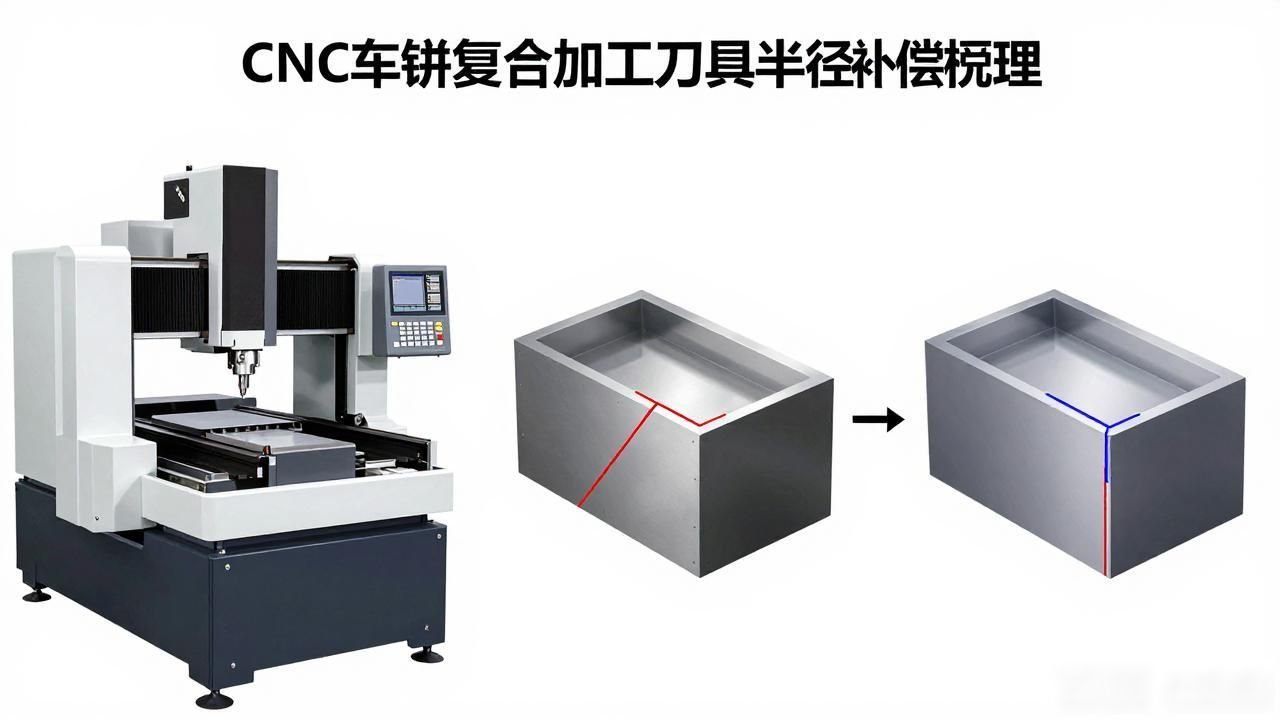
An Introduction to the Basics of CNC Turning and Milling Combination Machining
Dongguan Zhengsen Precision Parts Co., Ltd. specialises in: precision parts machining, precision CNC machining, 4-axis CNC machining, CNC turning and milling, metal parts machining, machining on imported CNC lathes, and CNC turning. It is a professional CNC machining company based in Dongguan.

How to choose the right CNC machining process for parts?
Selecting the appropriate machining process for CNC parts is a complex process involving multiple factors, including the design requirements of the part, material properties, machining accuracy, production efficiency and cost control. The following outlines a systematic method for analysis and selection.
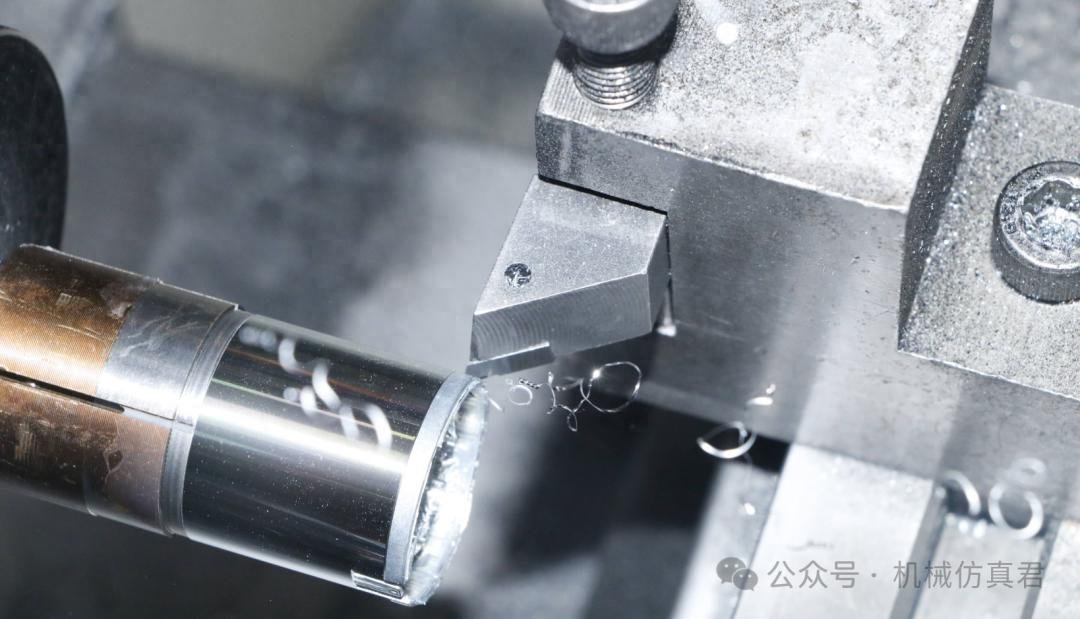
Common machining processes for mechanical components
Machining processes are a core component of modern manufacturing; they refer to machining methods that involve the use of mechanical equipment to cut, shape and finish metals or other engineering materials, in order to produce parts with dimensions, shapes and surface qualities that meet design requirements.
Welding Deformation in Steel Structures and Its Control and Correction
Once cooled to the original temperature, the tensile stress zones in the weld and the near-weld zone throughout the joint area reach equilibrium with the compressive stress zones in the base metal, thereby generating the weld residual stresses inherent to the structure itself. 2) The effect of welding heat input: Generally speaking, when the heat input is high,
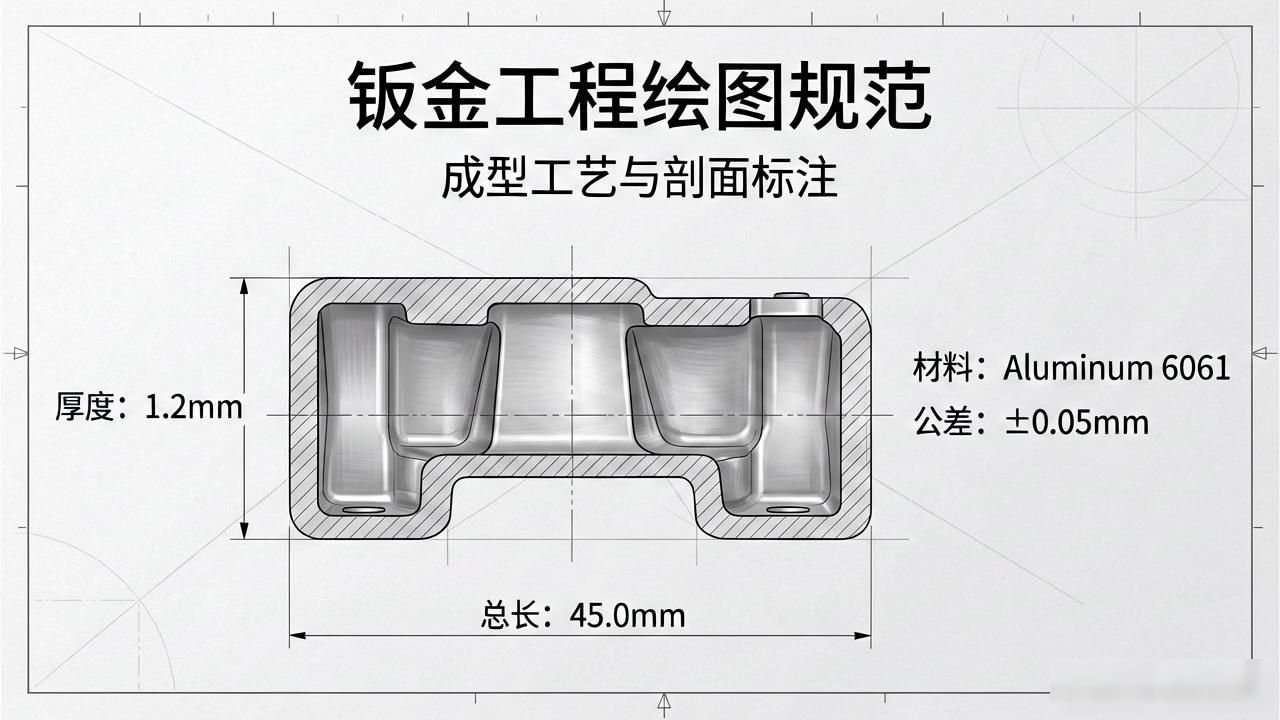
Detailed Specifications for the Preparation of Sheet Metal Engineering Drawings
Detailed Explanation of Control Requirements for Sheet Metal Engineering Drawings 1 Ensure that the drawings fully reflect the product’s structure, including views from all angles, detail views and sectional views. 2 Clearly annotate key processing information for the product, such as the name, customer drawing number, revision, material and material thickness.
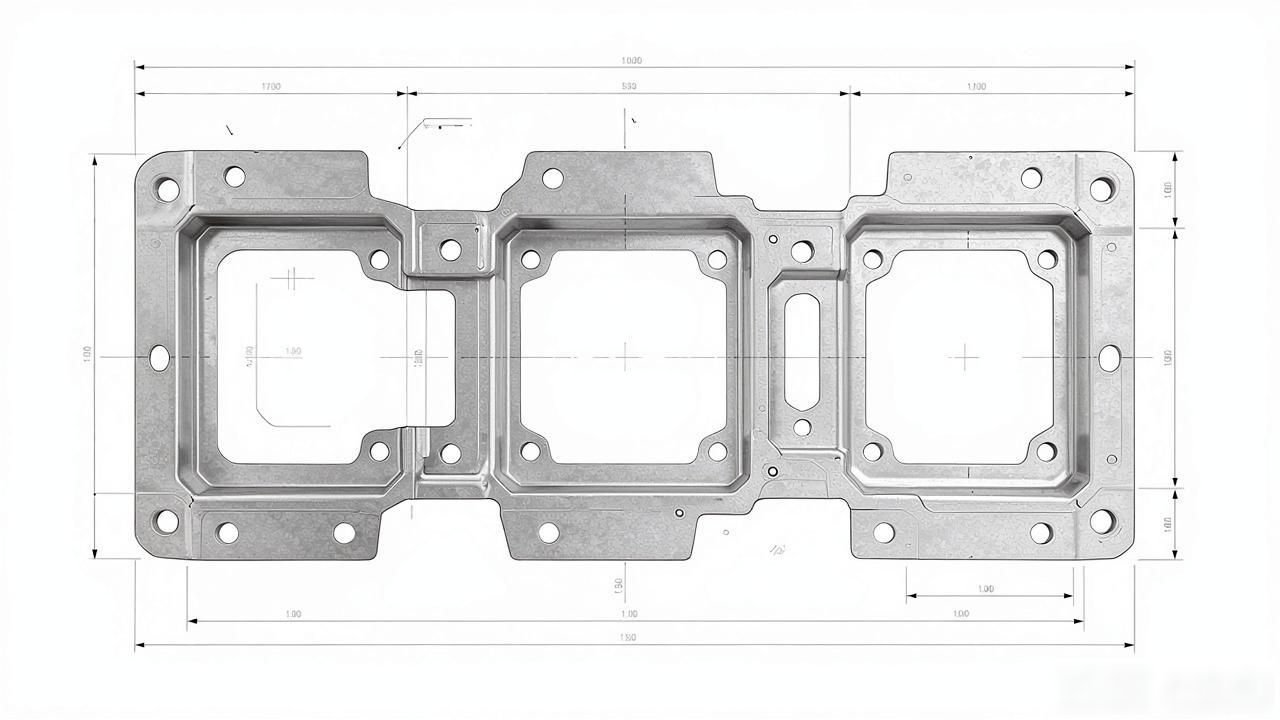
Specifications for the Preparation of Sheet Metal Engineering Drawings
The specifications for sheet metal engineering drawings cover product structure, processing information, special structures, hardware components and technical requirements. Drawing requirements include internal bores, burr direction and the dimensioning of hardware components. The reference drawings for hardware components and formed parts specify the dimensioning methods for various components and the requirements for sectional views.
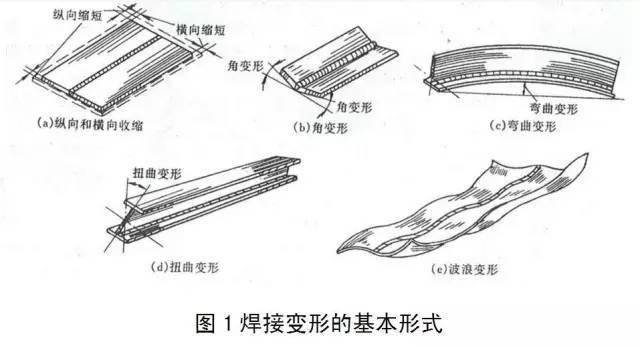
Welding Deformation in Steel Structures and Its Control and Correction
Once cooled to the original temperature, the tensile stress zones in the weld and the near-weld zone throughout the joint area reach equilibrium with the compressive stress zones in the base metal, thereby generating the weld residual stresses inherent to the structure itself. 2) The effect of welding heat input: Generally speaking, when the heat input is high,
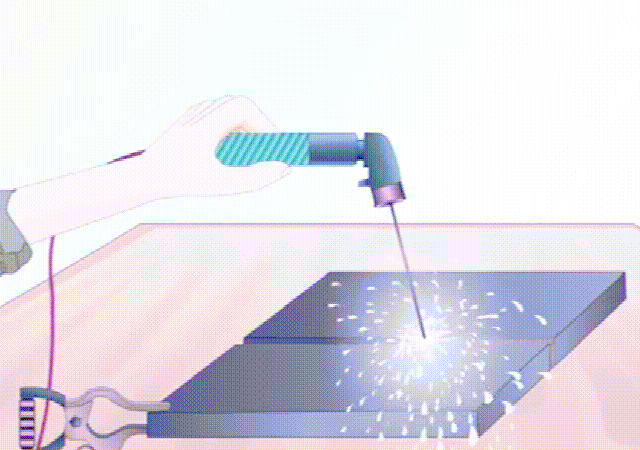
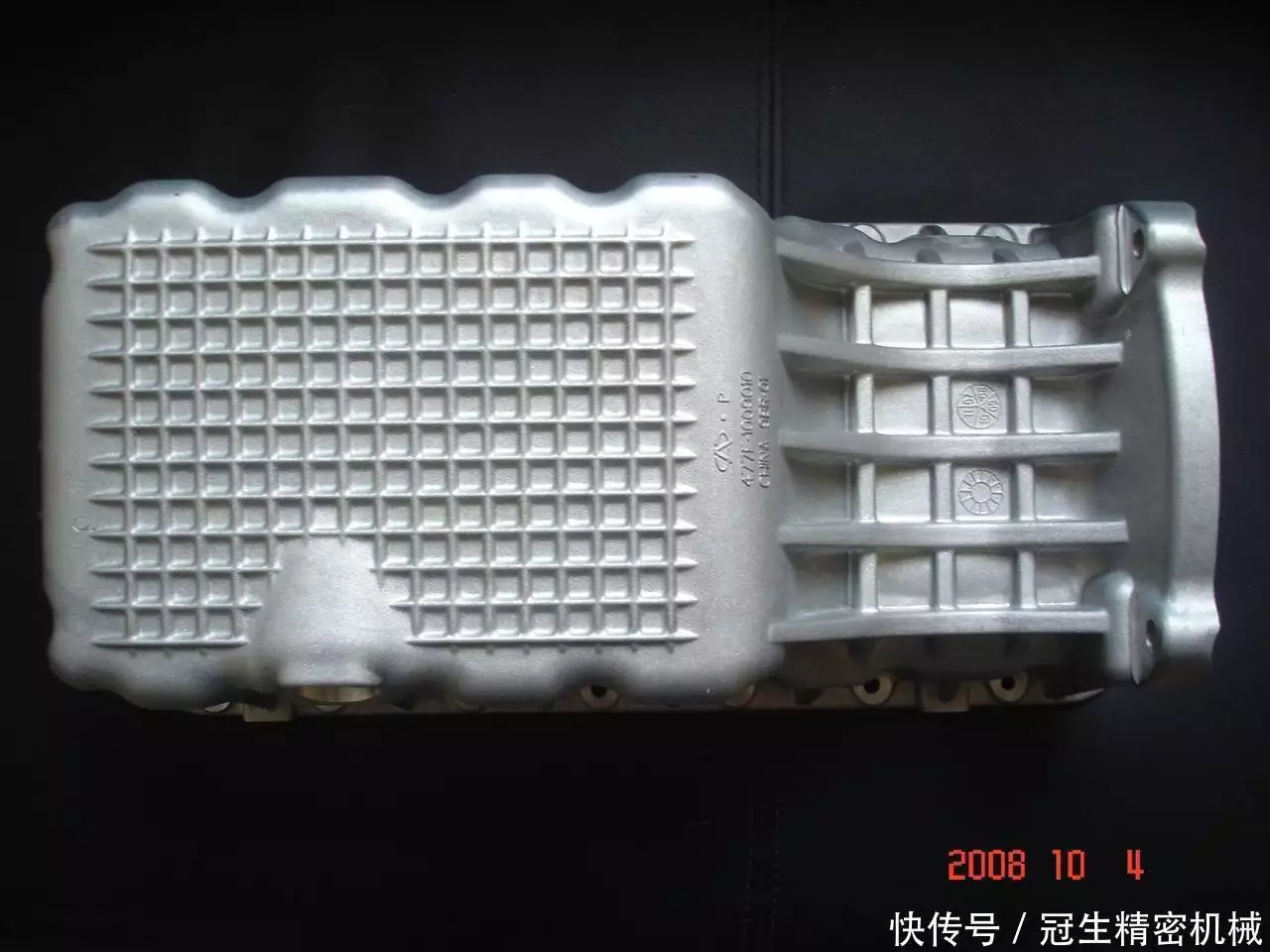
Rapid precision parts machining
In modern industrial production, rapid precision parts machining has gradually become an indispensable part of various industries. With the continuous progress of science and technology and the diversification of market demand, especially in the aerospace, medical equipment, automotive manufacturing and other high-precision fields.
 Chinese
  Japanese
  English
  German
  Finnish