
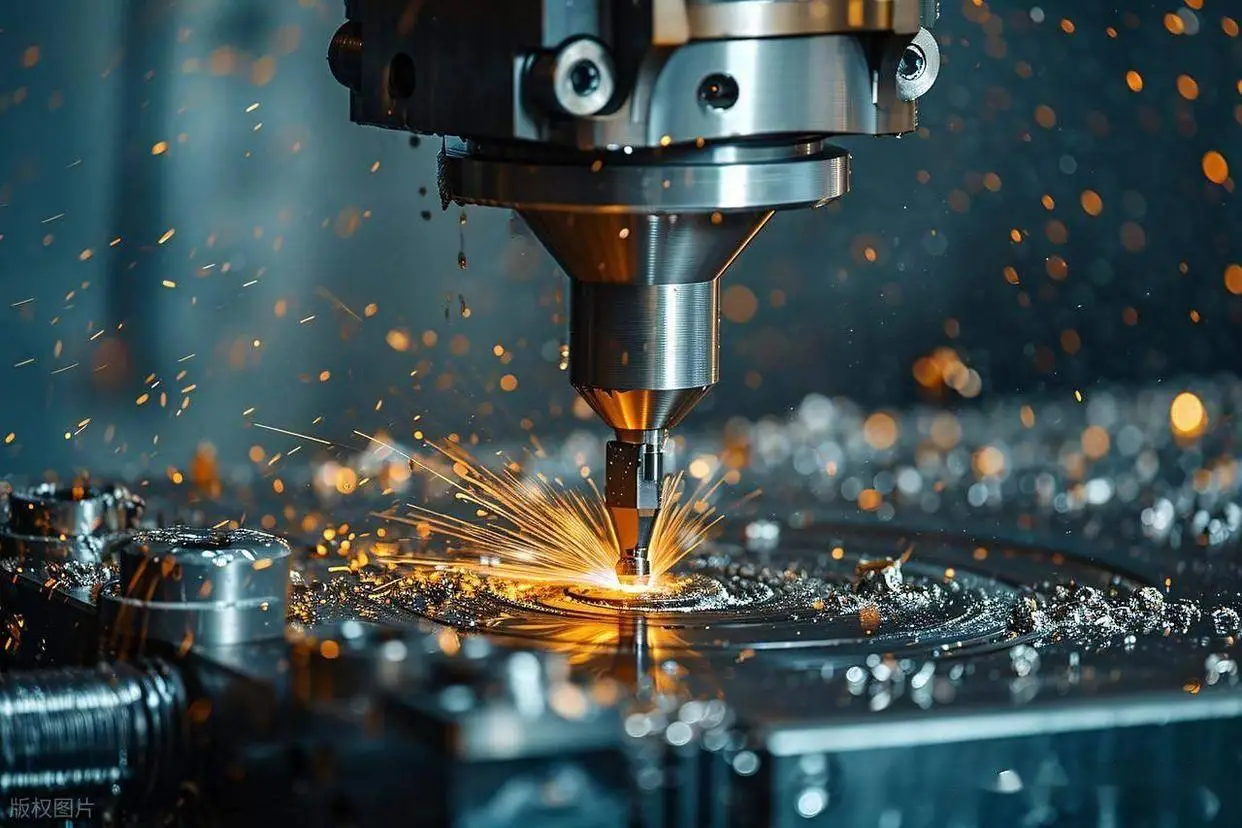
Hey, mate! Do you often hear the term “CNC”? Whenever that word comes up, perhaps the image that springs to mind is a bulky machine humming away in a spacious, noisy factory? Does it feel as though this technology is a world away from our daily lives? What if I told you that the exquisite metal frame of the mobile phone you’re holding right now, the engine parts in your car that are precise down to the micrometre, and even some of the most stylish pieces of furniture in your home—all rely on CNC technology—wouldn’t that make the whole thing seem suddenly rather fascinating?

In order to discuss the subject of “CNC” thoroughly and effectively, I must first recount a story from the past. Let us picture in our minds an old factory from many years ago, where there was a highly skilled master craftsman whom we called Master Wang. Whenever Master Wang set out to machine a component, he would rely on his eyes to scrutinise the drawings, use his hands to turn the handwheels of the machine tool, and listen with his ears to the sounds of the cutting process. Supported by decades of accumulated experience and intuition, he would gradually “shape” a lump of material—which initially resembled a hunk of iron—into a form that matched the drawing. This process, whilst brimming with the brilliance of craftsmanship, was extremely labour-intensive, and work efficiency was far from ideal; producing two identical components required immense and unremitting effort.
Shortly afterwards, a young man called Xiao Liu arrived at the factory; the machinery he operated was the “CNC machine tools”. Liu’s working environment at that time was completely transformed. Instead of having to turn the handwheel with greasy hands, he sat in front of a computer, using specialised software to design the parts’ blueprints and then generate strings of code. He fed this code into the machine tool’s control system and pressed the start button. Immediately, a marvellous scene unfolded: the machine tool seemed like a robot brought to life; the cutting tools moved automatically, precisely and at lightning speed in accordance with the code’s instructions, machining the parts to perfection without the slightest deviation. Never mind making two – even if two hundred or two thousand were produced, every single one would be guaranteed to be identical.
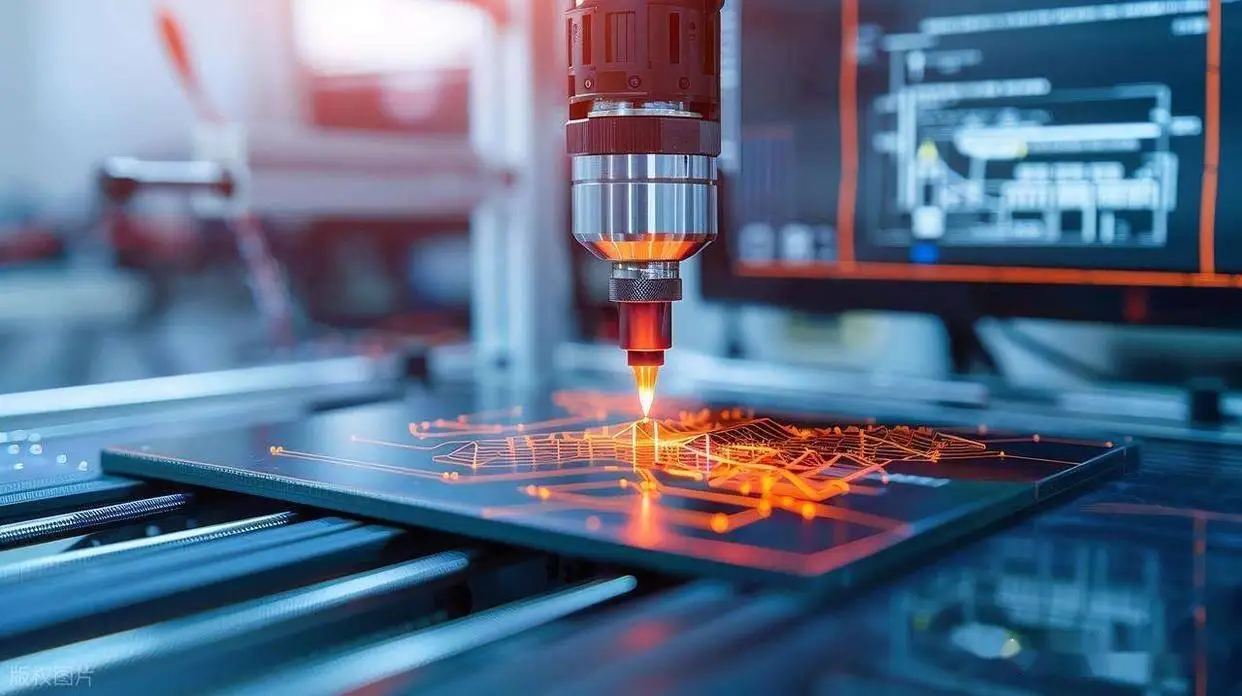
Upon reading this, might you not feel a twinge of emotion, and perhaps even wonder whether the “high-tech” solutions that Xiao Liu possesses have rendered the “traditional craftsmanship” exemplified by Master Wang obsolete? At first, I too harboured similar thoughts; however, the more I reflected on it, the more I came to believe that this is not the case. CNC technology does not exist to replace human ingenuity; on the contrary, it “replicates” and “amplifies” human ingenuity through a more efficient and precise means. The exquisite skills Master Wang possesses, the experience he has accumulated, and his unique understanding of materials have now been recorded by Xiao Liu using a brand-new “language”—namely, programme code—and imparted to the machine.
We should view such technological progress through a more compassionate lens; at its core, it liberates people from the realm of arduous, repetitive and, to some extent, hazardous manual labour. The dexterity that Master Wang would have spent a lifetime honing can now be transferred to a machine, thereby freeing him to devote more energy to devising more complex and creative machining solutions. And what of Liu? His battlefield is no longer a greasy machine tool, but a gleaming screen; his “craftsmanship” is now manifested in the logic of his programming, the ingenuity of his designs, and his precise control over the entire machining process. In the digital age, a new form of evolution has emerged—one rooted in the spirit of craftsmanship, whose core remains unchanged: it is, as ever, a state of constant seeking and pursuit of “perfection”.
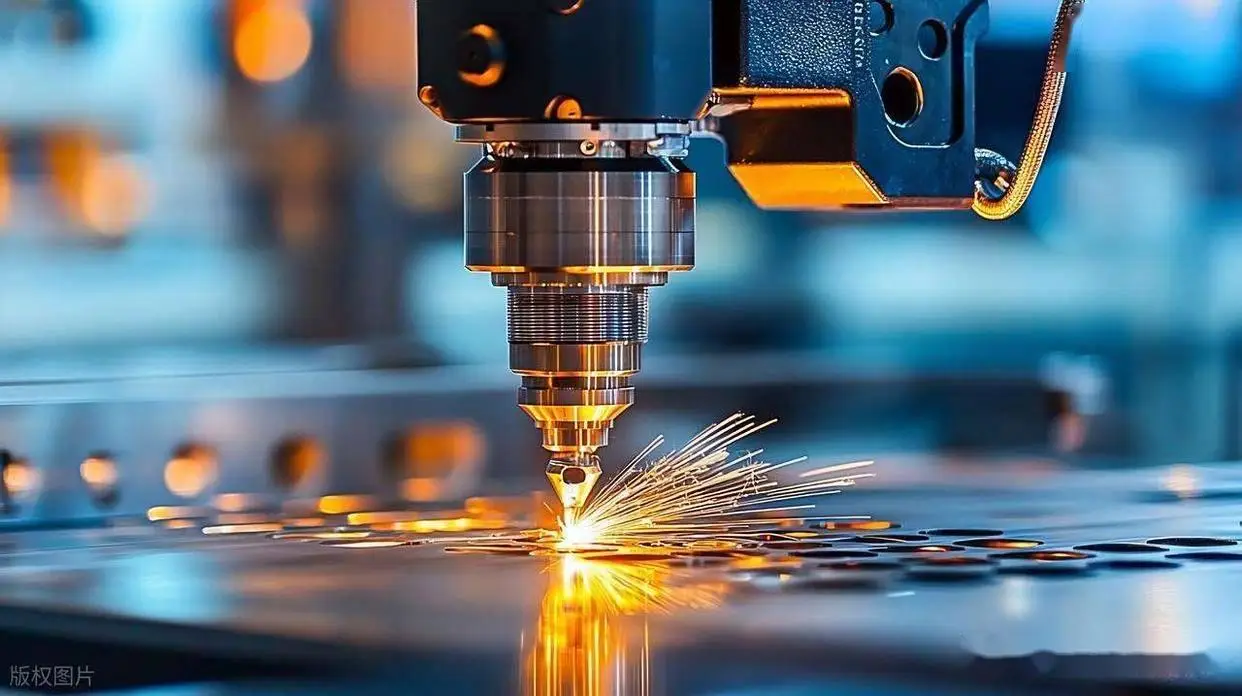
So, what exactly are those “mysterious codes” that Xiao Liu entered into the machine? This brings us to the heart of CNC technology: programme instructions. These act as a “language” for communication between humans and machines. The most basic and widely used of these are G-code and M-code.
G-code, which falls under the category of “preparatory functions”, instructs the machine tool on “what operation to perform” and “where to go”. For example, a command such as G01 instructs the cutting tool to move in a straight line, whilst the subsequent X50 Y20, much like coordinates on a map, tells the tool to move to the point (50, 20).
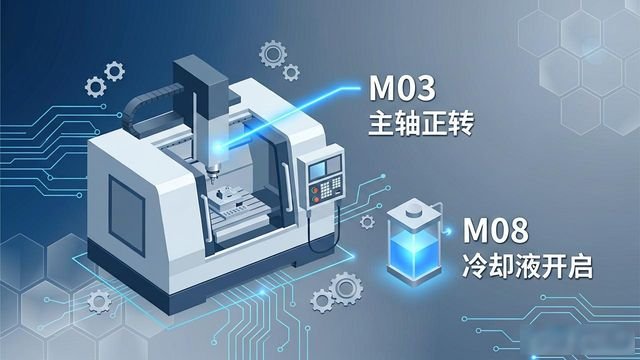
M codes fall under the category of “auxiliary functions” and are responsible for certain on/off operations. For example, M03 causes the spindle (the shaft that rotates the cutting tool) to start rotating forwards, whilst M08 activates the coolant (used to cool the cutting tool).
By arranging these lines of code in logical sequence, a fully comprehensive machining programme is formed; this programme enables the machine to execute the instructions it contains strictly in sequence, thereby achieving precision machining through “numerical control”.
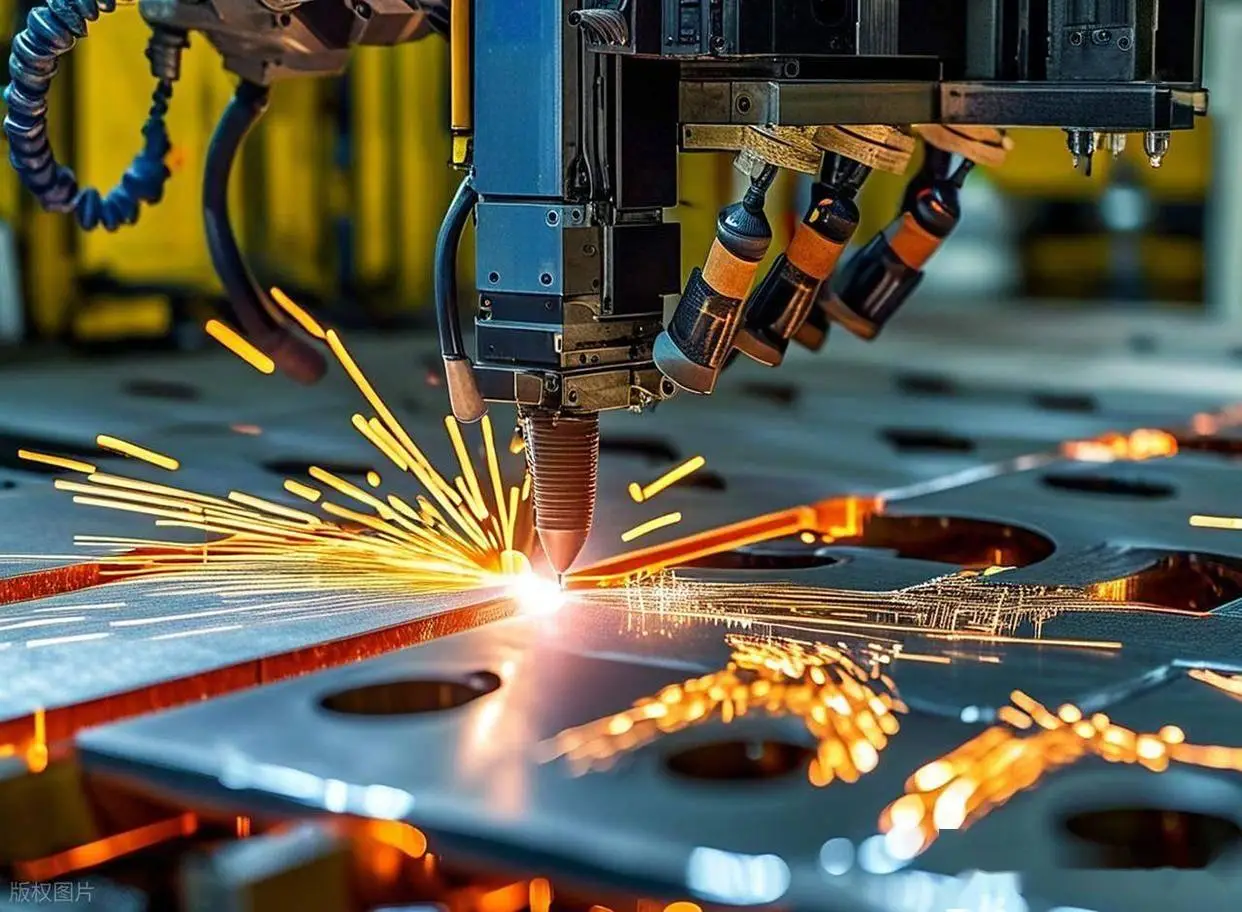
So, as you can see, the term “CNC” is actually an abbreviation for “Computer Numerical Control”. It is not merely a cold, lifeless machine, but a brilliant fusion of human ingenuity and mechanical power. It enables our ideas to be realised with a precision never before seen. And it is precisely because of this technology that our lives today are surrounded by a wide variety of precise, attractive and reliable industrial products. It is right here beside us, quietly yet profoundly transforming our world.
 Chinese
  Japanese
  English
  German
  Finnish
Leave a Reply
You must be logged in to post a comment.