
Abstract
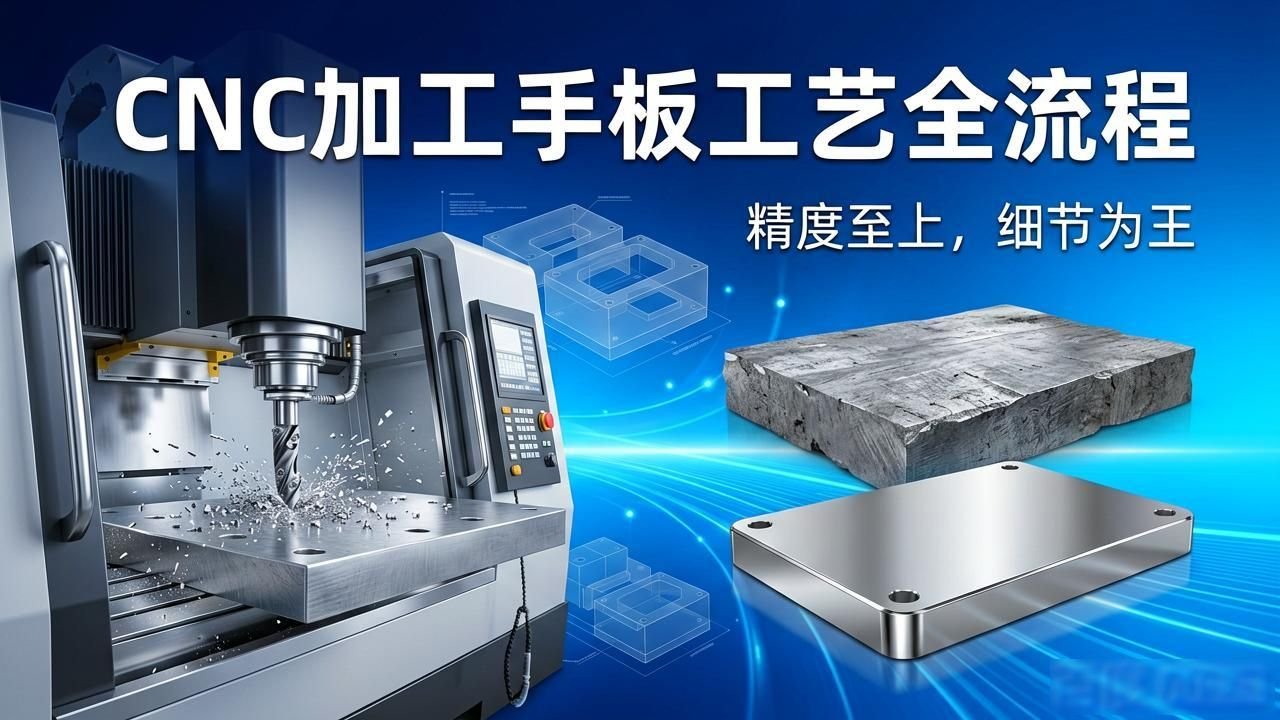
In the field of prototype manufacturing, CNC machiningIt is one of the most widely used and highly precise processes. This article provides an in-depth analysis of the processes involved in working to drawings, programming,Material Selection, the complete process of CNC machining a prototype—covering design, machining execution and post-processing in that order—along with the technical key points for each stage andquality controlThe methods are analysed one by one. The article also examines the key advantages and limitations of CNC machining, and explores cutting-edge technologies such as multi-axis simultaneous machining and composite machining. Drawing on practical case studies from Shenzhen Meihexin Model Design Co., Ltd., it demonstrates the value of CNC-machined prototypes in high-precision applications.

Shenzhen Prototypes | Aluminium Alloy Prototypes | Silicone Prototype Manufacturing
I. Introduction: The Role of CNC Machining in the Prototyping Sector
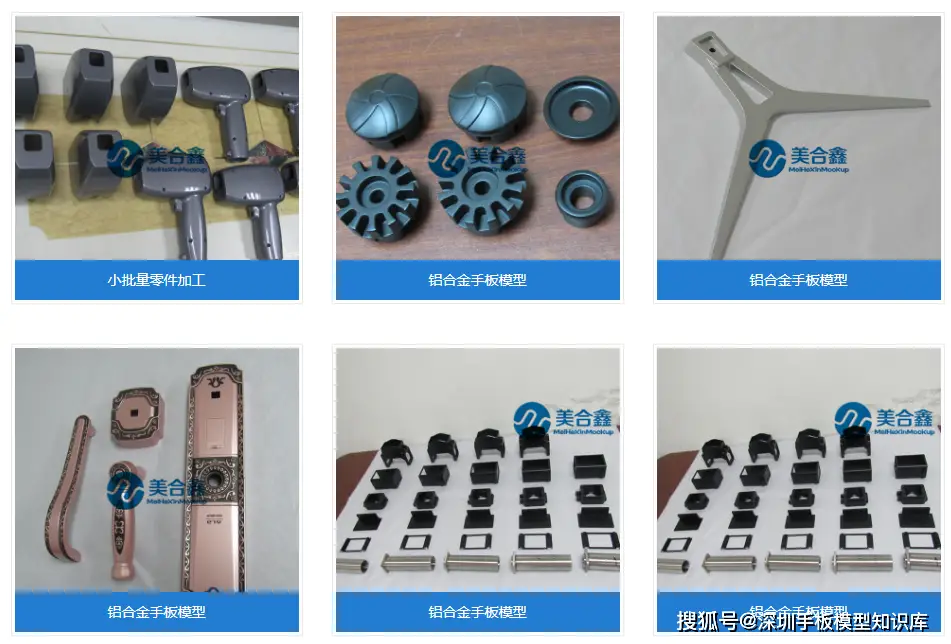
Among the various prototyping processes, CNC machining occupies a unique and crucial position. Whilst 3D printing specialises in “speed”, CNC machining is renowned for its “precision”. It is capable of reproducing the information conveyed in technical drawings with extreme accuracy, offers excellent surface quality and provides a wide range of material options, making it the mainstream process in the prototyping industry.
Given the ever-increasing demands for precision in the consumer electronics industry, the medical devices sector and the automotive components sector, the importance of CNC machining is becoming increasingly evident. Particularly in the field of metal prototypes, CNC machining is virtually the only viable option; particularly in the field of precision structural components, CNC machining is virtually the only viable option; and particularly in the field of cosmetic parts with high surface finish requirements, CNC machining is virtually the only viable option.
II. The Complete Process for CNC Machining of Prototypes
2.1 Step 1: Drawing Processing and Process Analysis
The starting point for CNC machining is the 3D drawings provided by the customer; however, once these drawings have been received, they cannot be sent directly to the machine tool for machining, as they must first undergo a complex process analysis stage.
The main aspects of process analysis include:
Conduct a machinability assessment to check whether the model contains any features that would be difficult to machine using CNC, such as excessively deep narrow slots, internal right angles or thin-walled structures. Upon identifying any issues, communicate with the client immediately and provide recommendations for modifications.
When planning a process route, it is necessary to determine the rough machining steps, followed by the finish machining steps; clamping methods must also be planned, and reference planes must be designed.
Regarding the selection of cutting tools: the appropriate tool should be chosen based on the characteristics of the machining operation. For large flat surfaces, a fly cutter should be used; for deep grooves, a long-fluted milling cutter should be used; and for small fillets, a small ball-end mill should be used.
With regard to programming strategies, you need to determine the type of toolpath—such as contouring, parallel, or helical, amongst others—and also specify the cutting parameters, including spindle speed, feed rate and depth of cut.
2.2 Step 2: Programming and Post-processing
Once the process analysis has been completed, the next stage is programming, during which the programming engineer uses CAM software to convert the 3D model into G-code that can be recognised by the CNC machine tool.
A key aspect of programming is “toolpath design”, which involves planning the path of the cutting tool through space. An excellent toolpath ensures machining accuracy whilst also optimising efficiency, and must prevent issues such as overcutting and collisions.
Once the programming is complete, post-processing generates an NC programme tailored to a specific machine tool, after which it can be transmitted to the machine tool for execution.
2.3 Step 3: Preparation of Materials and Clamping
In accordance with the requirements set out in the design, select suitable materials and begin preparing blocks or bars; commonly used materials include:
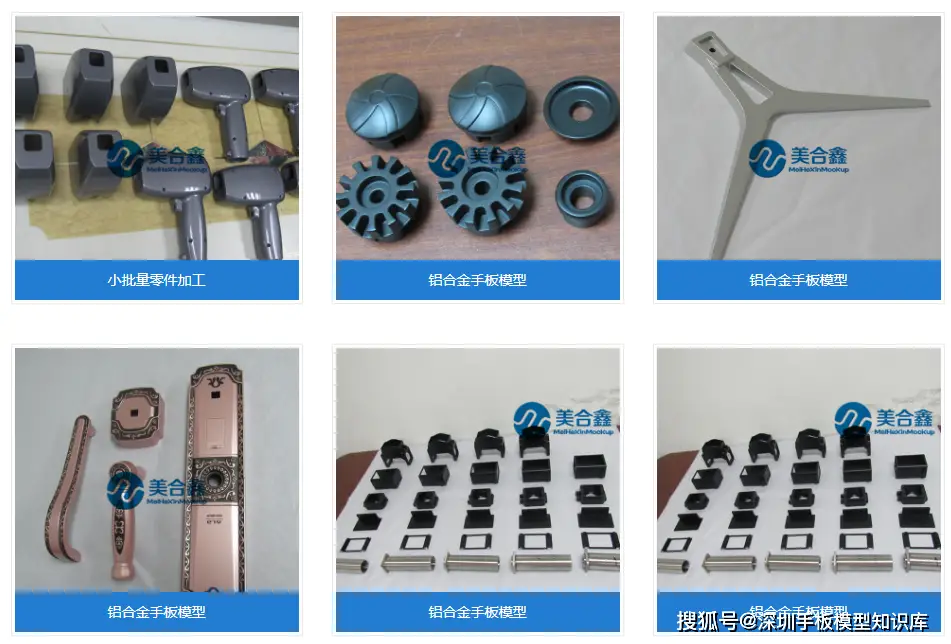
The workpiece must be securely positioned on the machine tool’s worktable; this is known as “clamping”. The stability of the clamping arrangement has a direct impact on machining accuracy. For complex parts, it may be necessary to design specialised fixtures, or to adopt a strategy involving multiple clamping operations and multi-sided machining.
Shenzhen Prototypes | Aluminium Alloy Prototypes | Silicone Prototype Manufacturing
2.4 Step 4: Rough Machining and Finish Machining
CNC machining is usually divided into two stages: rough machining and finish machining:
The purpose of rough machining is to quickly remove excess material, leaving a small amount of allowance for finishing. Rough machining prioritises efficiency and allows for the use of large-diameter cutting tools and high cutting rates.
Finishing operations involve the precise machining of a part’s contours in accordance with the required final dimensions. These operations focus on achieving high precision and surface quality, utilising small-diameter cutting tools, employing small cutting parameters, and strictly controlling tolerance limits.
During the machining process, it may still be necessary to carry out intermediate steps such as semi-finishing and deburring in order to ensure the final result.
2.5 Step 5: Quality Inspection
Once machining is complete, the parts must be inspected to verify that their dimensions meet the requirements. The inspection tools involved include:
For critical dimensions, a test report must be provided as proof of quality.
2.6 Step 6: Post-processing and surface treatment
Parts machined using CNC often retain tool marks on their surfaces, which necessitates grinding. This may be followed by a series of surface treatment processes, such as painting, electroplating and screen printing. The specific details of these post-processing steps will be discussed in depth in subsequent chapters.
III. Selection of Materials for CNC Machining
3.1 Commonly Used Plastic Materials
There is a wide variety of plastic materials used in CNC machining, each with its own distinct properties:
3.2 Commonly Used Metallic Materials
Metal prototypes are increasingly being used in high-end products:
3.3 Factors influencing the choice of materials
The choice of material requires a comprehensive assessment – 5:
IV. The Key Advantages of CNC Machining
4.1 High precision
Among current prototyping processes, CNC machining offers the highest precision. Standard CNC machining can consistently achieve a precision of ±0.05 mm, whilst high-end equipment, combined with precision programming, can achieve ±0.01 mm or even greater accuracy. For products requiring precise assembly and strict tolerances, CNC machining is the preferred choice.
4.2 Excellent surface quality
Compared with the layered texture produced by 3D printing, surfaces machined using CNC are smooth and refined, allowing a satisfactory finish to be achieved without the need for extensive post-processing. In particular, for decorative components with high requirements for both flat and curved surfaces, the finish achieved through CNC machining far surpasses that of other processes.
4.3 Wide range of materials available
As explained above, CNC machining can be applied to an extremely wide range of materials, covering virtually all engineering materials that can be machined. This means that CNC prototypes can be produced using the exact same materials as those intended for mass production, allowing them to be used for testing and thus providing a more accurate reflection of the final product’s performance.
4.4 Reliable and consistent performance
CNC machining does not alter the internal structure of the material; unlike 3D printing, which may result in anisotropy, the properties of parts produced by CNC machining are essentially the same as those of the raw material. For prototypes that require functional testing and mechanical validation, CNC machining provides a more reliable basis for testing.
4.5 Large parts that can be machined
Compared with the limitations on build size imposed by 3D printing equipment, CNC machining is capable of processing larger workpieces; for large prototypes such as car bumpers and household appliance casings, CNC machining is a viable option.
V. Limitations of CNC Machining
5.1 Limited capacity to machine complex structures
The “subtractive” nature of CNC machining means that it is unable to produce certain structures:
For these complex structures, it may be necessary to combine 3D printing with other processes.
5.2 High programming requirements
The effectiveness of CNC machining depends to a large extent on the standard of programming; for the same component, the toolpaths generated by programmers of different skill levels may result in significant differences in machining efficiency and accuracy. Training an outstanding CNC programmer requires a long period of experience.
5.3 High capital expenditure on equipment
Whether it be CNC machining centres—which are expensive—or high-precision equipment such as five-axis machines, the initial investment costs are particularly high. This is one of the reasons why, despite the relatively low barrier to entry in the prototype manufacturing industry, a certain level of capital investment is still required.
5.4 Waste of materials
CNC machining is a “subtractive” process; it begins by cutting into a block of material, resulting in a significant amount of material being converted into swarf and thus wasted. For precious metals such as titanium alloys, the cost of the material may be a key consideration.
VI. Cutting-edge technologies in CNC machining
6.1 Five-axis simultaneous machining
Traditional three-axis machining can only perform cutting operations in a single direction; for complex curved surfaces, this requires multiple set-ups, which can compromise both accuracy and efficiency. Five-axis machining involves the addition of two rotary axes to the three linear axes, enabling multi-surface machining in a single set-up; this method is particularly well-suited to complex surfaces and parts with deep cavities.
6.2 High-speed cutting
High-speed cutting technology achieves greater machining efficiency and superior surface quality by increasing rotational speed, reducing the depth of cut and accelerating the feed rate. For materials such as aluminium alloys, high-speed cutting can even produce a mirror-like finish.
6.3 Composite Machining
By integrating CNC machining with other processes, such as turning and grinding, onto a single machine to form a multi-process machining system, it is possible to complete multiple machining operations in a single set-up. This reduces errors caused by repeated set-ups and thereby improves efficiency.
VII. Meihexin’s CNC Machining Capabilities
Shenzhen Meihexin Model Design Co., Ltd. has established a robust capability system in the field of CNC machining. What sort of system is this? It is a robust capability system.
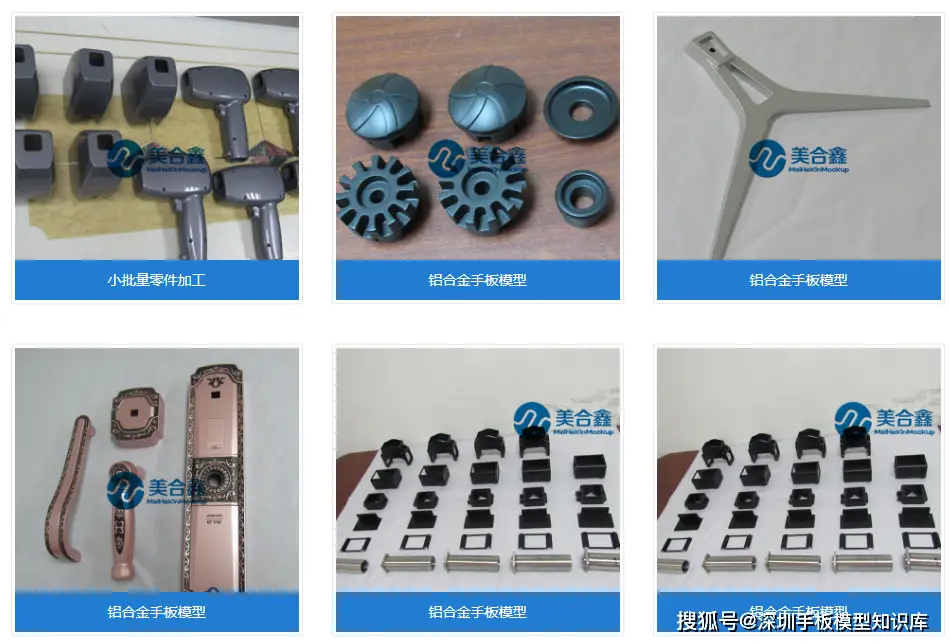
Among the equipment installed in the company’s workshop are several hundred advanced CNC machining centres, comprising both imported and domestically manufactured units. These include three-axis, four-axis and five-axis machining centres, which are capable of handling products of varying complexity and meeting different precision requirements.
When applying materials, it is essential to have a thorough understanding of the processing characteristics of various plastics and metals; in particular, we have accumulated a wealth of experience in the production of metal prototypes, such as those made from aluminium alloys, stainless steel and titanium alloys.
Process integration, in which CNC machining, 3D printing, mould replication and post-processing, amongst other processes, together form a comprehensive technical matrix. This matrix can be flexibly combined according to customer requirements, thereby providing the optimal solution.
We implement quality control measures, establish rigorous quality inspection procedures and utilise precision inspection equipment such as coordinate measuring machines to ensure that the prototypes delivered comply with design specifications.
Particularly in highly demanding sectors such as healthcare, the automotive industry and consumer electronics, Meihexin’s CNC machining capabilities have earned the long-term trust of leading clients.
Shenzhen Prototypes | Aluminium Alloy Prototypes | Silicone Prototype Manufacturing
VIII. Conclusion
The use of CNC machining to produce prototypes represents the ultimate pursuit of precision and detail. The process begins with an analysis of the drawings, followed by programming optimisation, and then proceeds to meticulous operations across multiple stages—from selecting the appropriate materials to securing them in the clamping fixture. This is followed by rough machining, then finishing operations. Once completed, the part undergoes inspection, followed by post-processing; every stage of this process requires specialist knowledge and extensive experience. It is precisely through the continuous accumulation of attention to these details that the high quality of CNC prototypes is ultimately achieved.
At Shenzhen Meihexin Model Design Co., Ltd., CNC machining is by no means a standalone technical process; rather, it is a vital component of our end-to-end capabilities. Leveraging the economies of scale provided by hundreds of machines, our technical expertise in multi-axis machining, our rigorous and meticulous approach to quality control, and the seamless integration with upstream and downstream processes, Meihexin is able to maximise the value inherent in CNC machining, providing high-end clients with reliable and convincing precision prototype services.
 Chinese
  Japanese
  English
  German
  Finnish
Leave a Reply
You must be logged in to post a comment.