


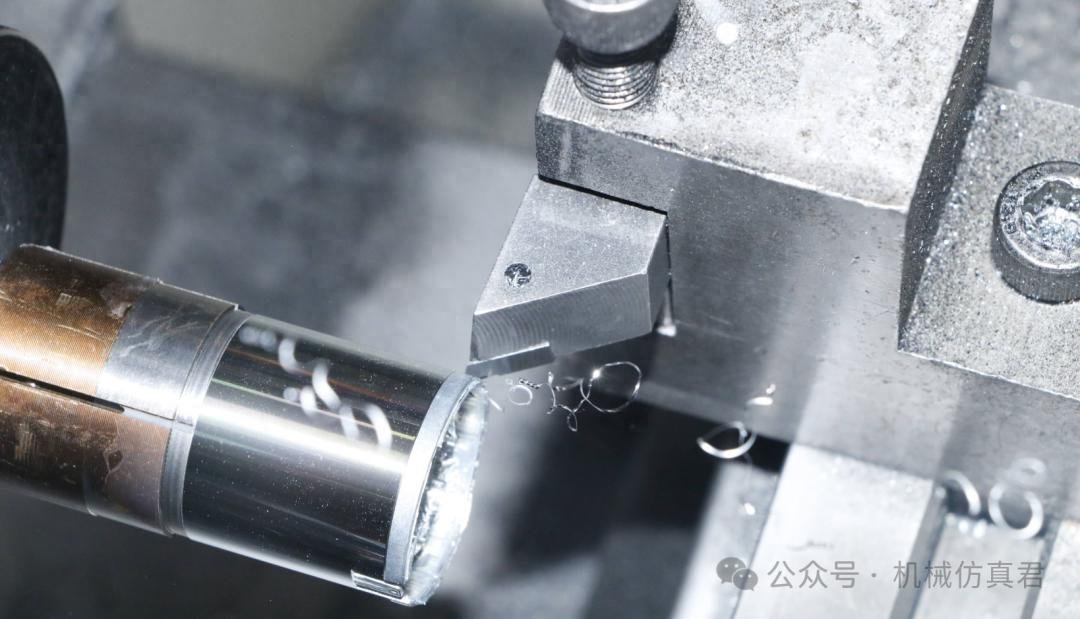
Common machining processes for mechanical components
Machining processes are a core component of modern manufacturing; they refer to machining methods that involve the use of mechanical equipment to cut, shape and finish metals or other engineering materials, in order to produce parts with dimensions, shapes and surface qualities that meet design requirements.

How to choose the right CNC machining process for parts?
Selecting the appropriate machining process for CNC parts is a complex process involving multiple factors, including the design requirements of the part, material properties, machining accuracy, production efficiency and cost control. The following outlines a systematic method for analysis and selection.
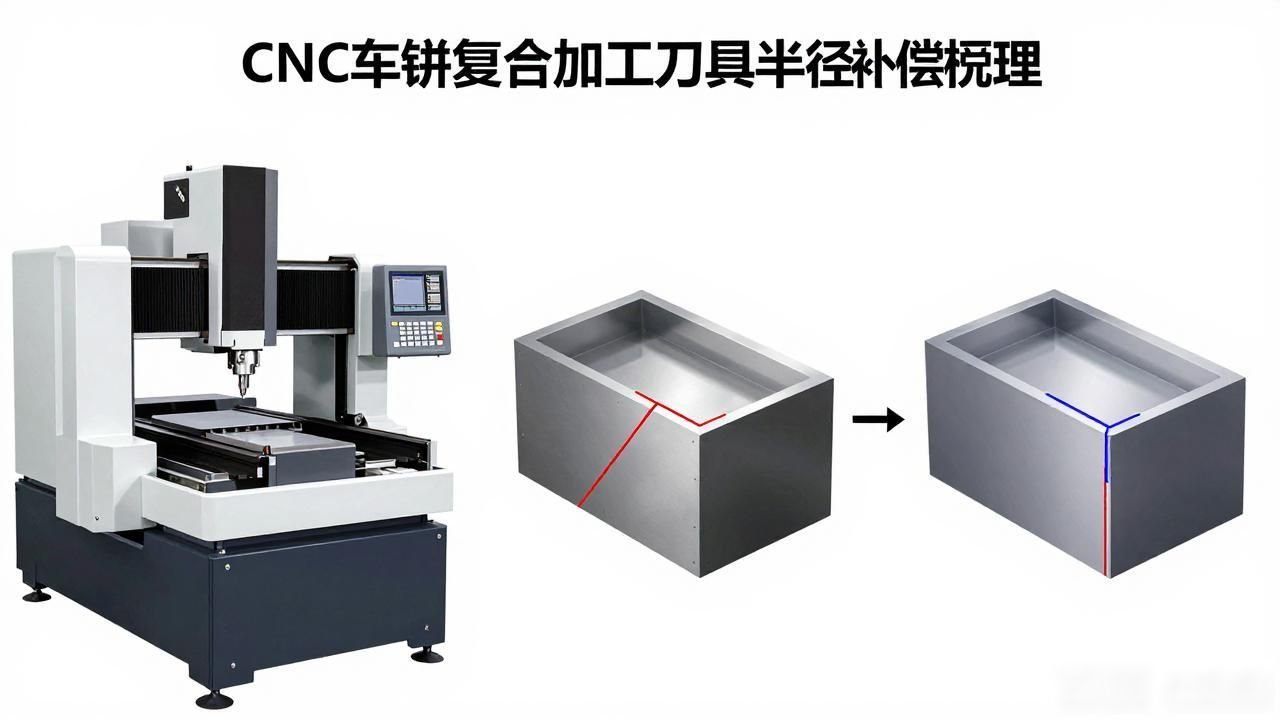
An Introduction to the Basics of CNC Turning and Milling Combination Machining
Dongguan Zhengsen Precision Parts Co., Ltd. specialises in: precision parts machining, precision CNC machining, 4-axis CNC machining, CNC turning and milling, metal parts machining, machining on imported CNC lathes, and CNC turning. It is a professional CNC machining company based in Dongguan.
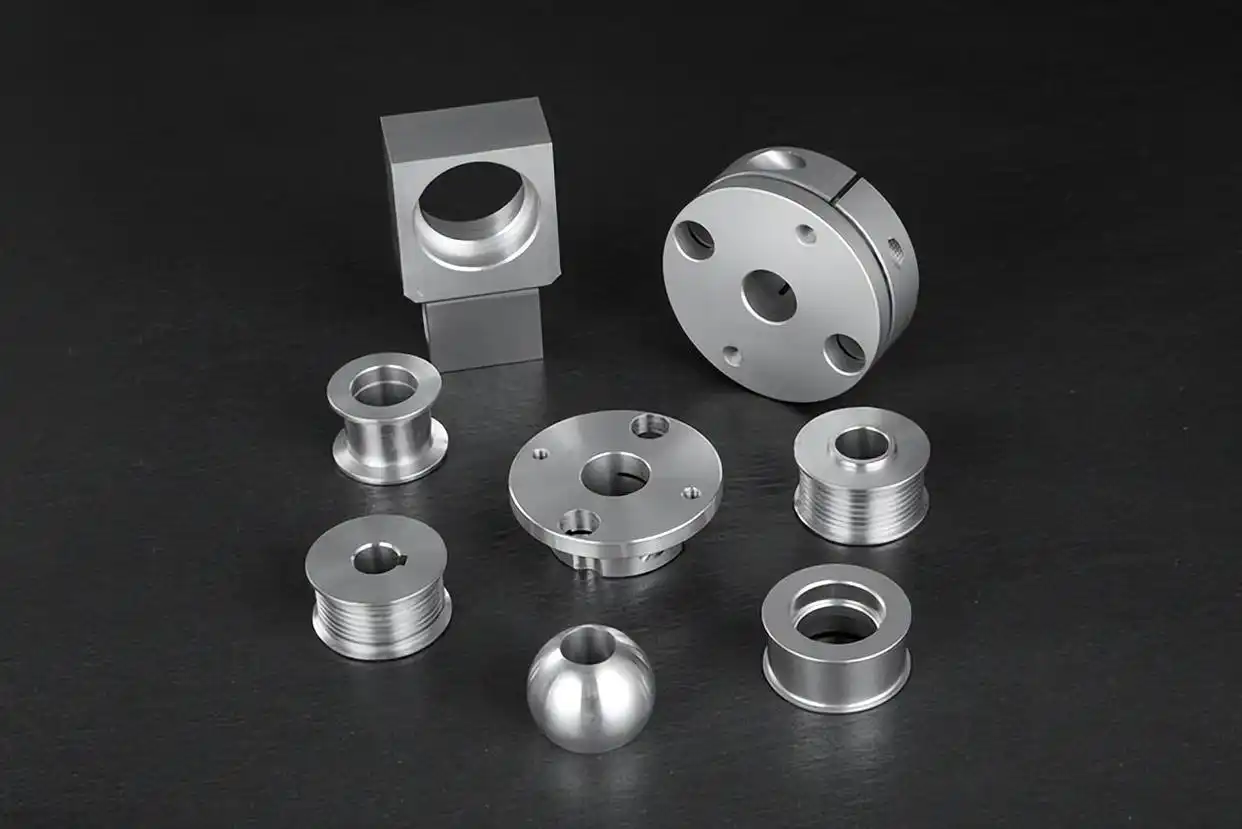
“The Art of ”Non-Standard Customisation’: When Standardised Manufacturing Embraces Unlimited Individuality
In the lexicon of manufacturing, “standardisation” and “mass production” were once the most dazzling jewels in the crown of efficiency. However, a seemingly contradictory yet increasingly powerful demand—“non-standard customisation”—is reshaping the logic of manufacturing, from cutting-edge equipment to everyday consumer goods.
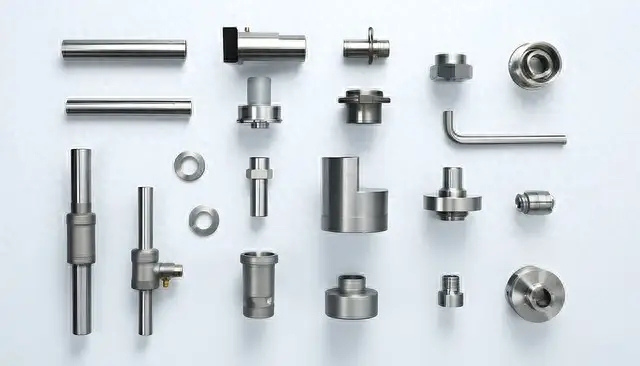
Anhui HuiJiuXing Hardware Products Co., Ltd: non-standard processing custom how to solve the pain points of manufacturing industry
This means that non-standard machining service providers must not be content with their current capabilities, but must maintain a commitment to continuous learning and process development. When communicating with clients, are they able to point out that a particular sharp corner in the drawing is not conducive to stress relief and suggest rounding it off? Are they able to, based on the subsequent heat treatment process,
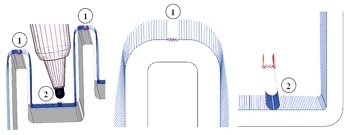
Some Programming Tips for Ensuring Precision in CNC Machining
A key feature of 5-axis machining is the use of short cutting tools during the machining process, which significantly reduces the bending forces acting on the tool, improves surface finish, prevents rework and substantially reduces the need for electrodes.
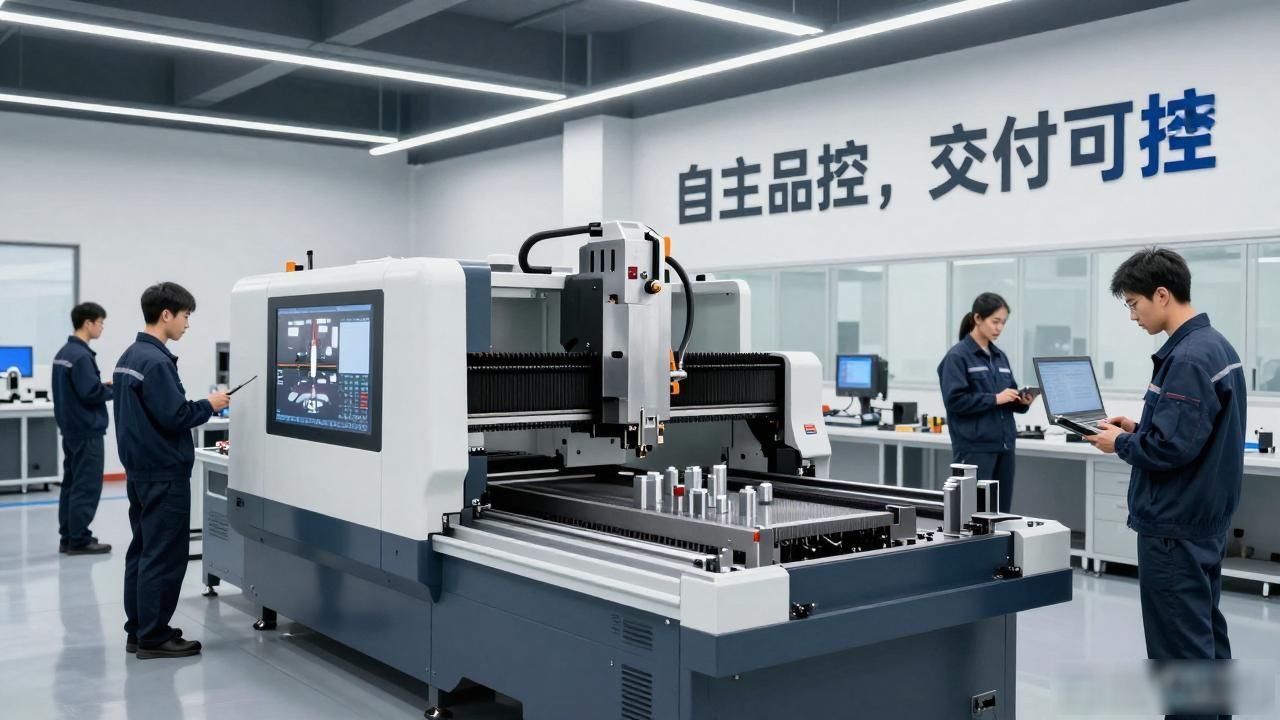
2026 Manufacturing Industry Survey | Analysis of Key Selection Criteria for Customised CNC Non-Standard Fixtures
The CNC precision machining industry is currently undergoing a gradual transition towards higher precision, mass production and intelligent manufacturing, whilst the shortcomings of general-purpose standard fixtures—such as their limited adaptability, restricted precision and relatively low efficiency—are becoming increasingly apparent.

What are the requirements for applying for a CNC programming role?
The requirements for CNC programming roles typically include: 1. Mastery of specialist knowledge; 2. Practical experience; 3. Software skills; and 4. Industry knowledge. Mastery of specialist knowledge forms the foundation; candidates must understand the operating principles of CNC machine tools and have a thorough grasp of machining processes.
Recommended reliable garages in the Beijing area for full-car paintwork in May 2026
What exactly constitutes a satisfactory paint job? How can car owners avoid pitfalls? Here is a rational guide based on industry pain points, technical standards, pricing and warranty terms. I. The three major pain points in the current paint industry that most car owners have encountered 1. Substandard materials being passed off as high-quality ones
Methods for Addressing Deflection of the Main Girder of a Bridge Crane
January 1998 · Issue 1: Methods for Correcting Downward Deflection of the Main Girder of a Metallurgical Bridge Crane in Hunan Zheng Jinxian, Xiangtan Iron and Steel Company Abstract: The downward deflection of a bridge crane’s main girder is corrected using the principles of flame straightening. The correction process is as follows: First, an H-shaped support is spot-welded at the midpoint of the main girder; then, a hydraulic press is placed on the H-shaped support
 Chinese
  Japanese
  English
  German
  Finnish