


![图片[1]-cnc编程应聘条件是什么-大连富泓机械有限公司](/wp-content/uploads/2026/07/1784601982130_0.webp)
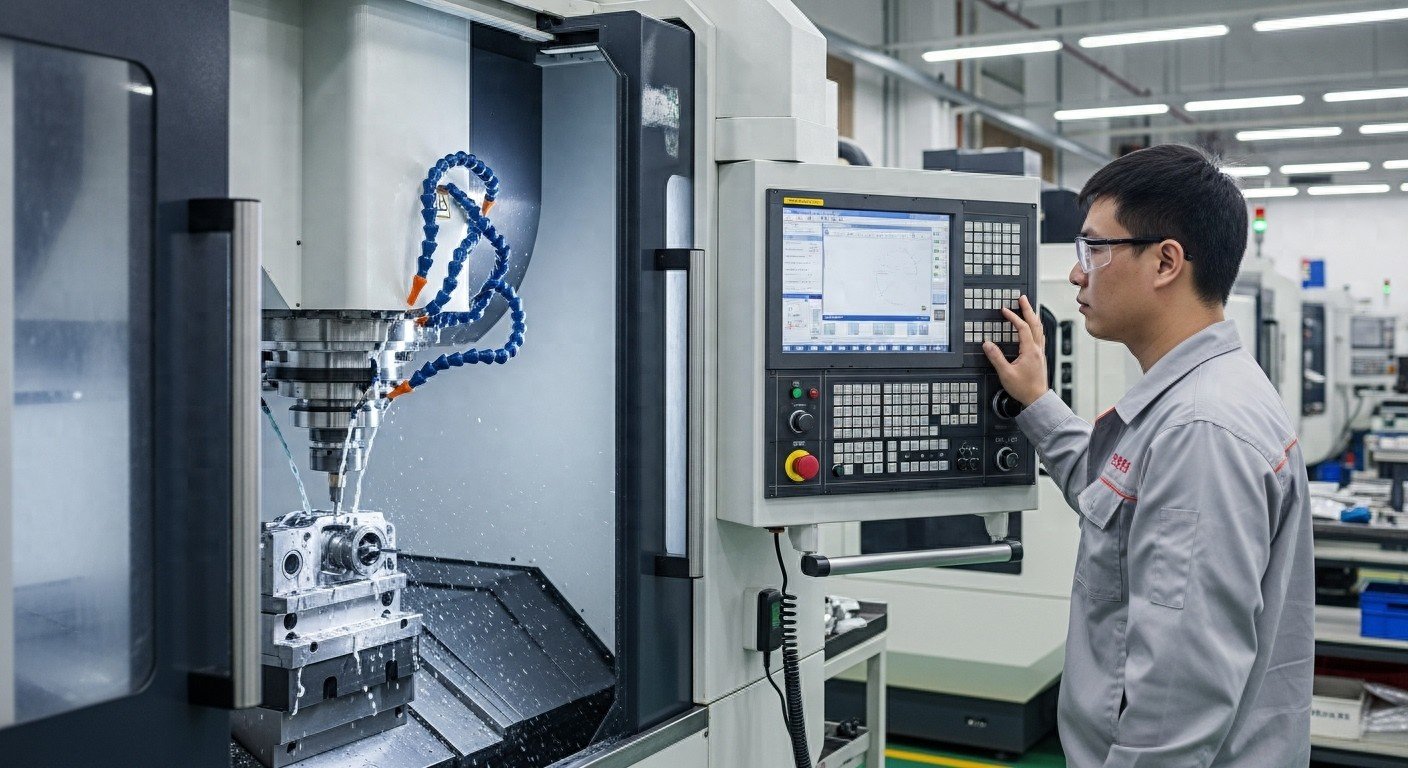
Apply for a jobCNC ProgrammingThe requirements for this role generally cover the following areas: firstly, a command of specialist knowledge; secondly, practical experience; thirdly, software skills; and fourthly, an understanding of the industry. A command of specialist knowledge forms the foundation; job seekers must have a clear understanding of how CNC machine tools operate, acquire knowledge of machining processes, and possess a certain level of ability to read technical drawings. Building on this foundation, practical experience can significantly enhance a candidate’s competitiveness. The ability to use CNC programming software such as CAD/CAM to carry out model creation and programming tasks is a key skill for this role. At the same time, an understanding of relevant industries, such as the characteristics and requirements of manufacturing sectors like the automotive and aerospace industries, will enhance a candidate’s appeal.
I. Mastery of specialist knowledge
In the field of CNC programming, theoretical knowledge serves as the stepping stone to entering this industry. Job seekers must possess a solid foundation in mechanical design, CNC technology, mechanical manufacturing processes and equipment. Through specialised coursework, students can learn how to programme CNC machines effectively to machine a wide range of complex parts. A thorough grasp of theoretical knowledge is crucial not only for the accuracy of the programming but also for machining efficiency and product quality.
II. Practical Experience
Practical experience and theoretical knowledge complement and reinforce one another, enabling the completion of practical tasks such as operating machine tools, carrying out component machining procedures and troubleshooting on-site faults. Such practical tasks are crucial for ensuring the feasibility of programmes and optimising production processes. The experience gained during work placements or in the workplace helps job seekers to understand and apply theoretical knowledge more effectively, thereby enhancing their inherent problem-solving abilities.
III. Software Skills
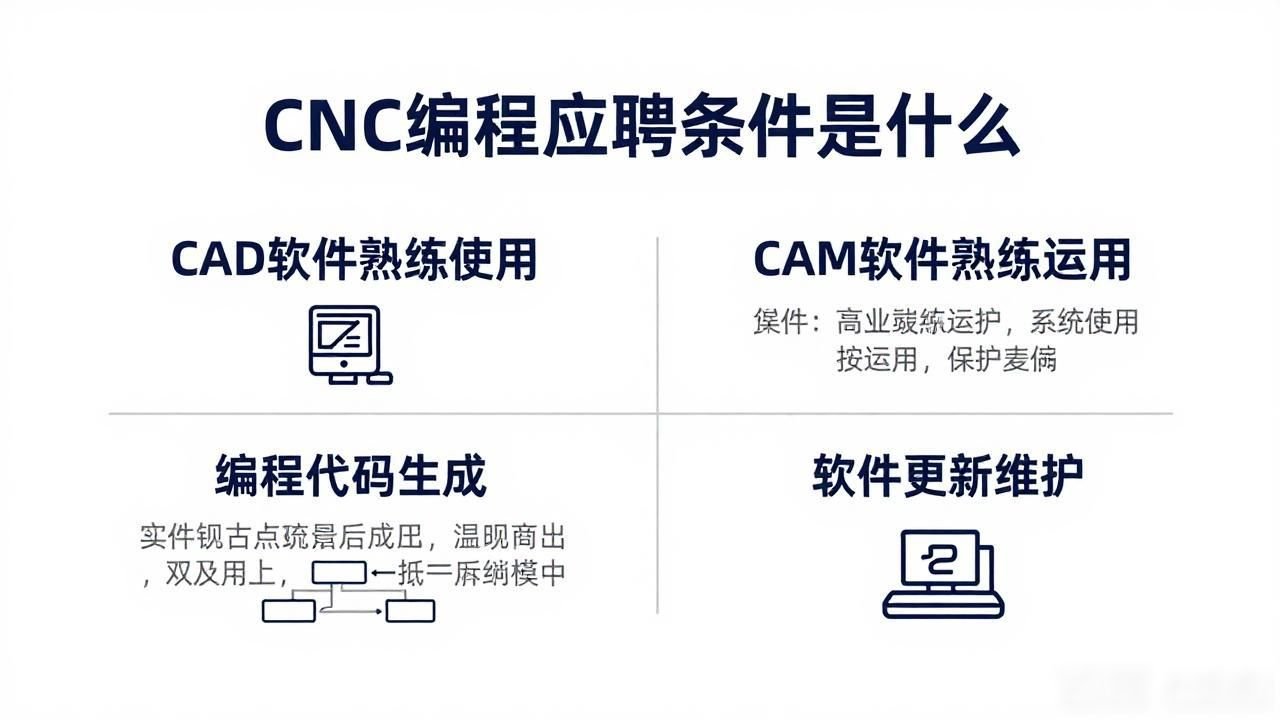
Computer-Aided Design (CAD) – that is, proficiency in using CAD software – and Computer-Aided Manufacturing (CAM) – that is, proficiency in using CAM software – constitute the core skills required for a CNC programming role. Specialised software enables programmers to build models and subsequently generate precise programming code, which can significantly enhance production efficiency. At the same time, a certain level of understanding of software updates and maintenance is required to ensure that skills remain up to date.
IV. Understanding the Industry
Finally, an essential requirement is a thorough understanding of the industries served. Each industry has different manufacturing requirements, with varying demands in terms of equipment precision, machining and surface treatment. Understanding the specific machining characteristics and standards of a particular industry enables CNC programmers to better meet customer needs and deliver bespoke solutions.
CNC programming is a technical role characterised by the integration of theoretical knowledge and practical skills. In the face of constantly evolving technological conditions, a sustained commitment to professional development and a mindset of lifelong learning are key to maintaining the core competitiveness of CNC programmers. When applying for a role, every CNC programmer should highlight their value by emphasising their mastery of innovative technologies, their pursuit of excellence in craftsmanship, and their keen industry insight. Given the rapid pace of technological development today, CNC programmers must continually adapt to changes within the industry in order to meet the new challenges that the manufacturing sector will face in the future.
Frequently Asked Questions (FAQs):
1. What is CNC programming?
This process involves using computer numerical control (CNC) programming languages to create control programmes for CNC machine tools; this process is known as CNC programming. CNC programming converts design drawings, the various parameters of the workpiece and process requirements into a set of instructions that the machine tool can understand and execute. These instructions tell the machine tool how to move the cutting tool, carry out cutting and machining operations, and ultimately produce a workpiece that meets the specified requirements.
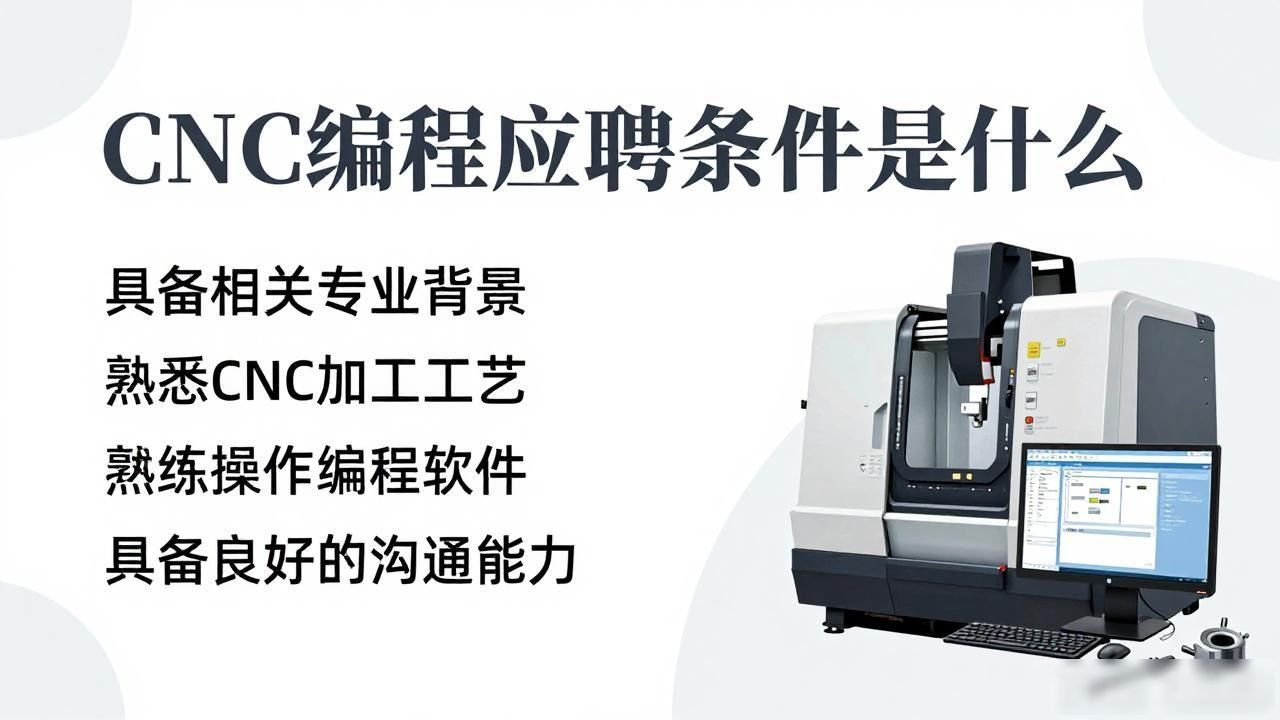
2. What are the requirements for applying for a CNC programming role?
To apply for a CNC programming role, you must meet the following requirements:
3. How can I improve my qualifications for a CNC programming role?
To improve your qualifications for CNC programming roles, you might consider the following areas:
In short, CNC programming is a multidisciplinary skill that requires a range of qualities, such as theoretical knowledge and practical experience, as well as problem-solving abilities. Only through continuous learning and self-improvement can one achieve greater success in the field of CNC programming.
First, there was an article discussing the use of AI to assist with creative work. It raised the question of what the exact entry requirements for CNC programming are. The article was published by ‘Intransitive Verb’, and it should also be noted that the source must be credited when the article is reproduced.





 Chinese
  Japanese
  English
  German
  Finnish
暂无评论内容