


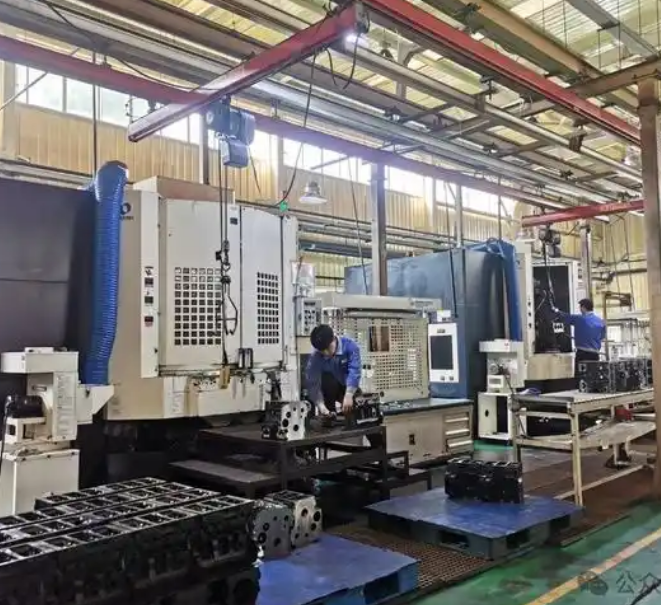
Five Key Metrics to Consider When Purchasing CNC Machine Tools and Brand Comparison
Machine Tool Selection – A Cornerstone Investment in Enterprise Production Capacity With an average service life of 15 to 20 years, the procurement decision for a CNC machine tool often shapes an enterprise's manufacturing capabilities for the next decade. The global CNC machine tool market is projected to reach US$100 billion by 2024. Faced with hundreds of brands...

Advancing Towards Industry 4.0 – The Current State of Intelligent and Automated Applications in Machining Workshops
The Fourth Industrial Revolution in Workshop Practice As “Industry 4.0” transitions from concept to reality, machining workshops are undergoing the most profound transformation since the advent of CNC technology. This revolution represents not merely a technological upgrade, but a fundamental restructuring of production philosophies, organisational methodologies, and value creation models. Rooted...

Classification and Processing Requirements for Automotive Components
Powertrain Components Engine Assemblies: Cylinder Block/Head: Primarily cast iron or aluminium alloy materials, requiring high dimensional stability and precision sealing surfaces. Crankshaft/Camshaft: High fatigue strength materials necessitating strict control of roundness, coaxiality and surface hardness. Connecting Rod: Demands exceptional symmetry and weight distribution...

How to Ensure Machining Accuracy? Understanding Tolerances, Surface Roughness and Quality Control Processes
Precision—The Lifeblood of Modern Manufacturing In an increasingly competitive manufacturing landscape, machining precision has transcended mere technical specifications to become a direct reflection of a company's core competitiveness. From micron-level surgical instruments to nanometre-scale semiconductor components, precision determines product performance, longevity, and reliability...

Aluminium Alloy vs Stainless Steel – Characteristics and Challenges of Different Metallic Materials in Precision Machining
How Material Selection Determines Machining Success In the field of precision machining, material selection is not merely a cost consideration but a core factor determining part performance, machining efficiency, and final quality. Aluminium alloys and stainless steel, as two of the most commonly used metallic materials, each possess unique physical properties...
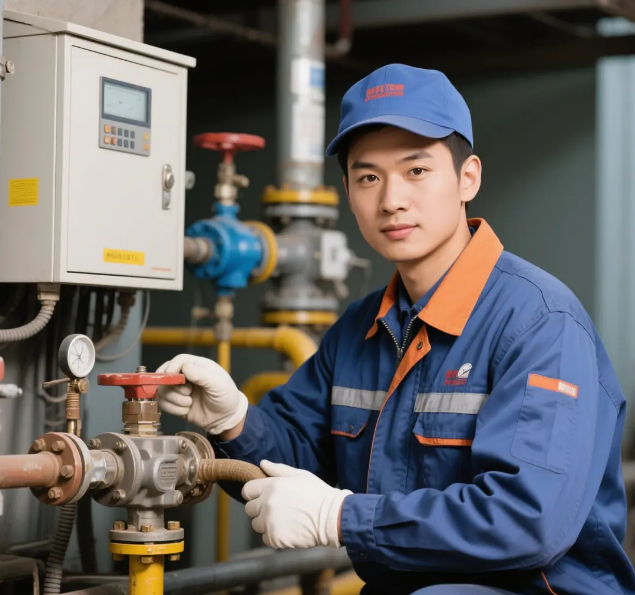
Common Riveting and Welding Methods and Case Studies in Mechanical Equipment Maintenance and Modification
Repair Welding: The Art of Reviving Equipment Throughout the lengthy lifecycle of mechanical equipment, wear, corrosion, fatigue cracking, and even accidental damage are inevitable. Replacing entire units or major components is often prohibitively expensive and time-consuming. At such times, masterful riveting and welding repairs and modifications...
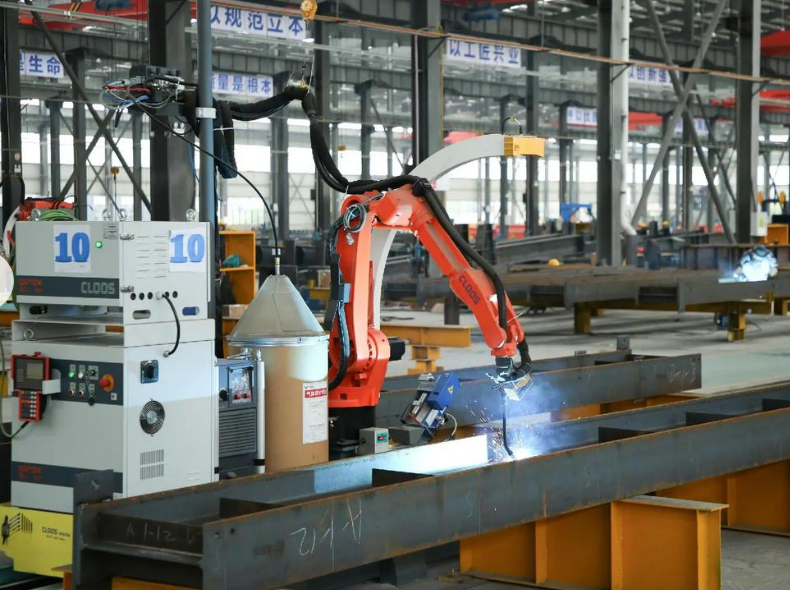
How robotic automated riveting and welding processes enhance production efficiency and consistency
The Riveting and Welding Revolution Amidst the Automation Wave Against the backdrop of global manufacturing advancing towards Industry 4.0 and “Made in China 2025”, traditional riveting and welding processes—historically reliant on manual skills—are undergoing a profound automation transformation. Robotic automated riveting and welding systems, with their exceptional repeatability, stable...
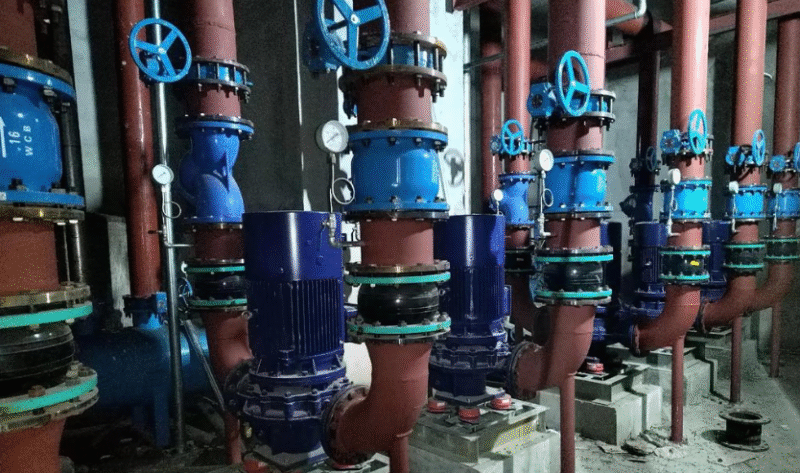
On-site Riveting and Welding Techniques and Safety Regulations in Pipeline Installation and Maintenance
Special Challenges of On-Site Riveting and Welding in Pipeline Engineering Pipeline installation and maintenance frequently encounter constraints such as confined spaces, complex environments, and tight schedules. On-site riveting and welding techniques have become pivotal in addressing these challenges. Unlike factory settings, field welding must contend with weather fluctuations, variations in pipe materials, safety...

How to Select a Reliable Aluminium Alloy Riveting and Welding Service Provider? Six Key Evaluation Criteria
The Importance of Selecting Aluminium Alloy Riveting and Welding Service Providers Aluminium alloys, renowned for their lightweight properties, corrosion resistance, and high strength, find extensive application across aerospace, automotive manufacturing, and shipbuilding industries. However, welding aluminium alloys is prone to issues such as porosity, hot cracks, and deformation, demanding significant technical expertise from processing service providers...
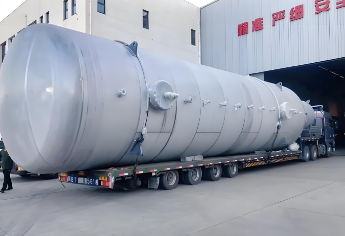
Technical Requirements for Riveting and Welding of Special Materials in Pressure Vessel Manufacturing
The Critical Role of Specialised Materials in Pressure Vessel Brazing As core equipment within energy, chemical, aerospace and other sectors, the safety and reliability of pressure vessels directly impact production security and environmental protection. With industrial demands evolving towards extreme conditions such as high temperatures, high pressures and corrosion resistance...
 Chinese
  Japanese
  English
  German
  Finnish