


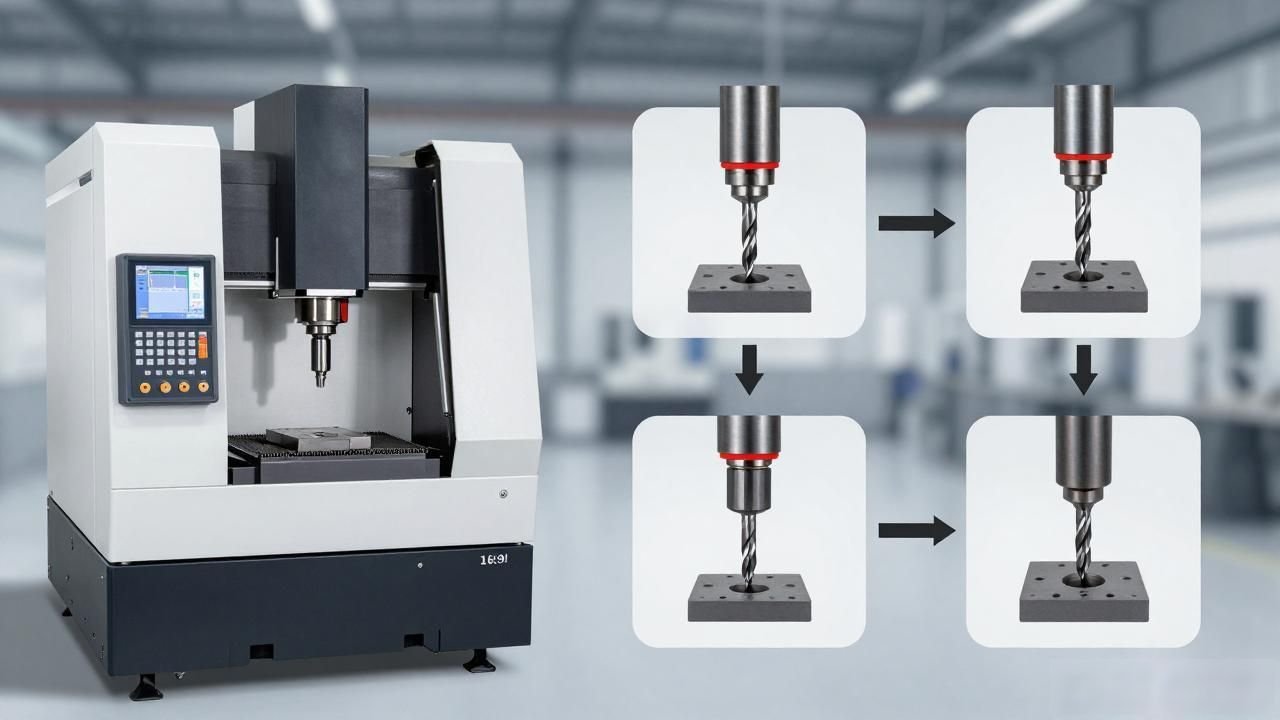
What are the types of CNC machining? – How to clamp workpieces correctly
When operators commence CNC machining of parts, they must set the feed rate to a very low level and execute one step at a time. They must remain fully focused during rapid positioning, tool retraction and feed-in; their hand should rest on the stop button so that they can halt the machine immediately if any problems arise. They must carefully observe the direction of tool movement to ensure safe feed-in, and then
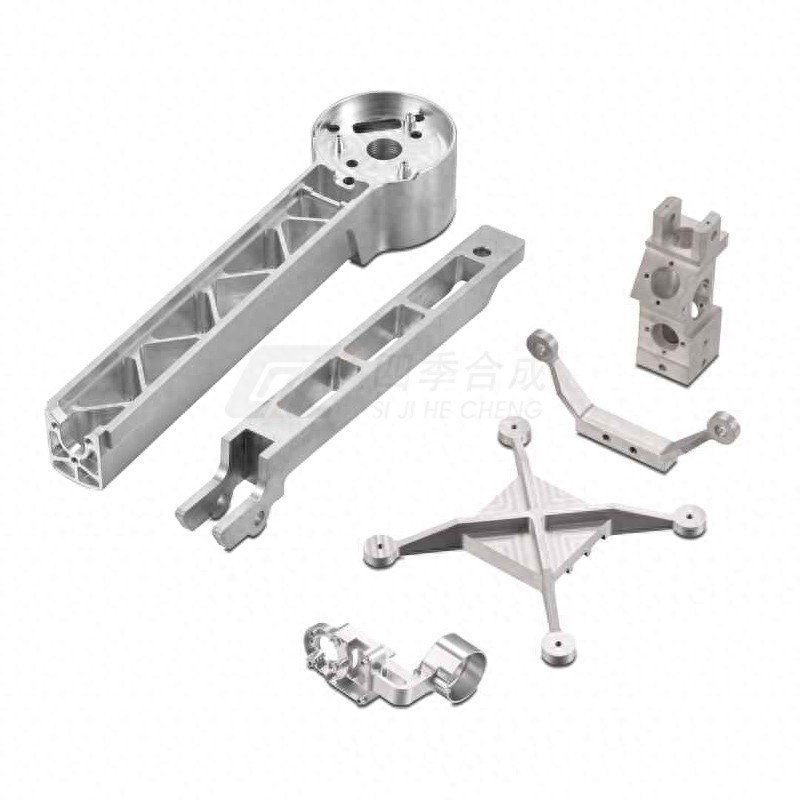
CNC Precision Metal Machining: 24-hour express delivery, shortening the supply chain | Shenzhen Siji Synthetic
Against the backdrop of rapid technological advancement in modern high-end manufacturing, the demands for precision, complexity and stability in metal components are constantly rising; traditional manual machining and standard machine tool processing are no longer sufficient to meet the stringent standards required in sectors such as high-end equipment, precision electronics and medical devices.
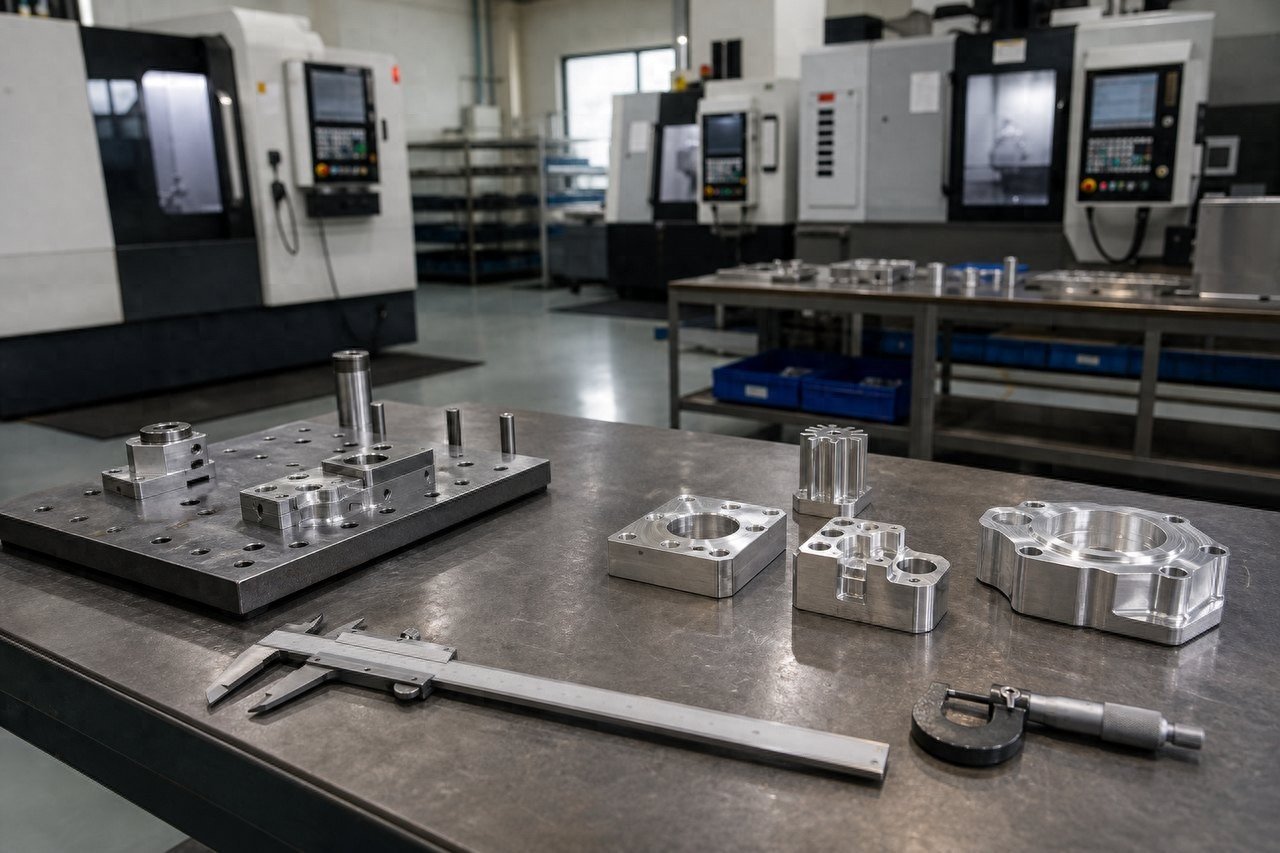
How to organise production and ensure quality traceability for the machining of high-variety, low-volume parts
Industry Background: The machining of a wide variety of parts in small batches is common in projects such as equipment R&D, automation upgrades, tooling and fixtures, maintenance spare parts, and prototype validation. Such orders typically involve small batch sizes, but there are significant variations in the materials, structures, precision requirements and lead times of the parts.
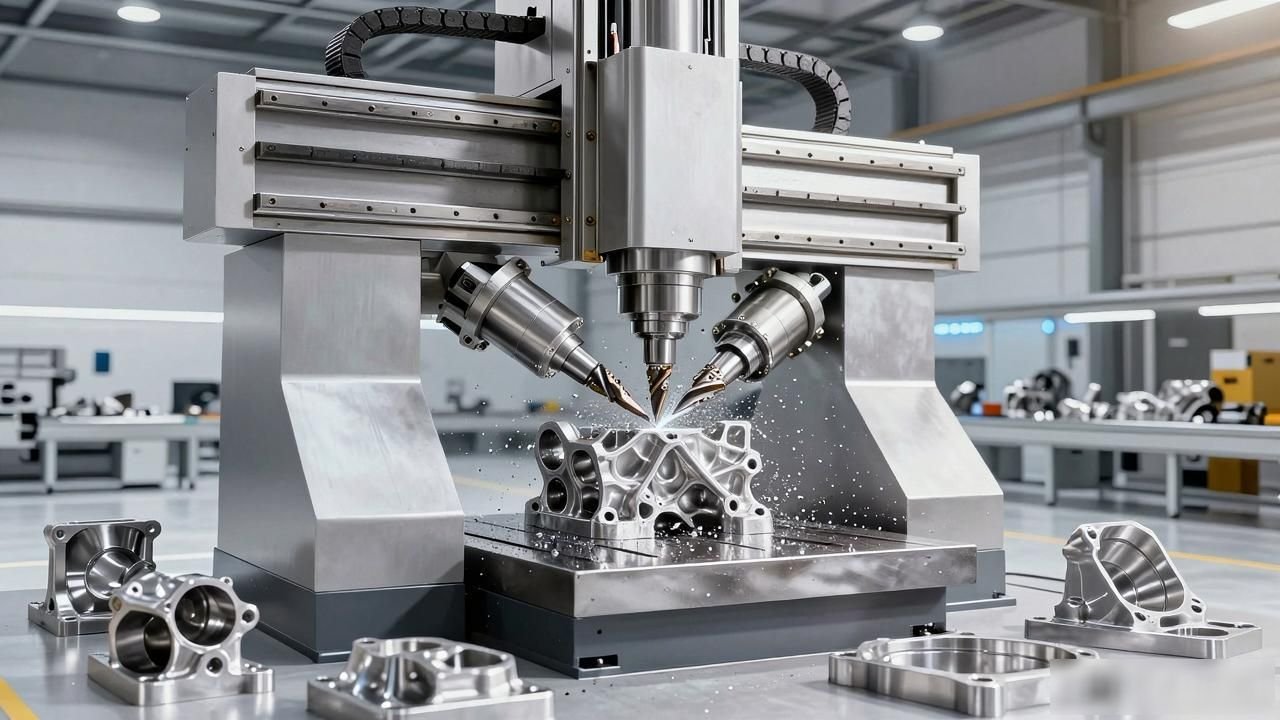
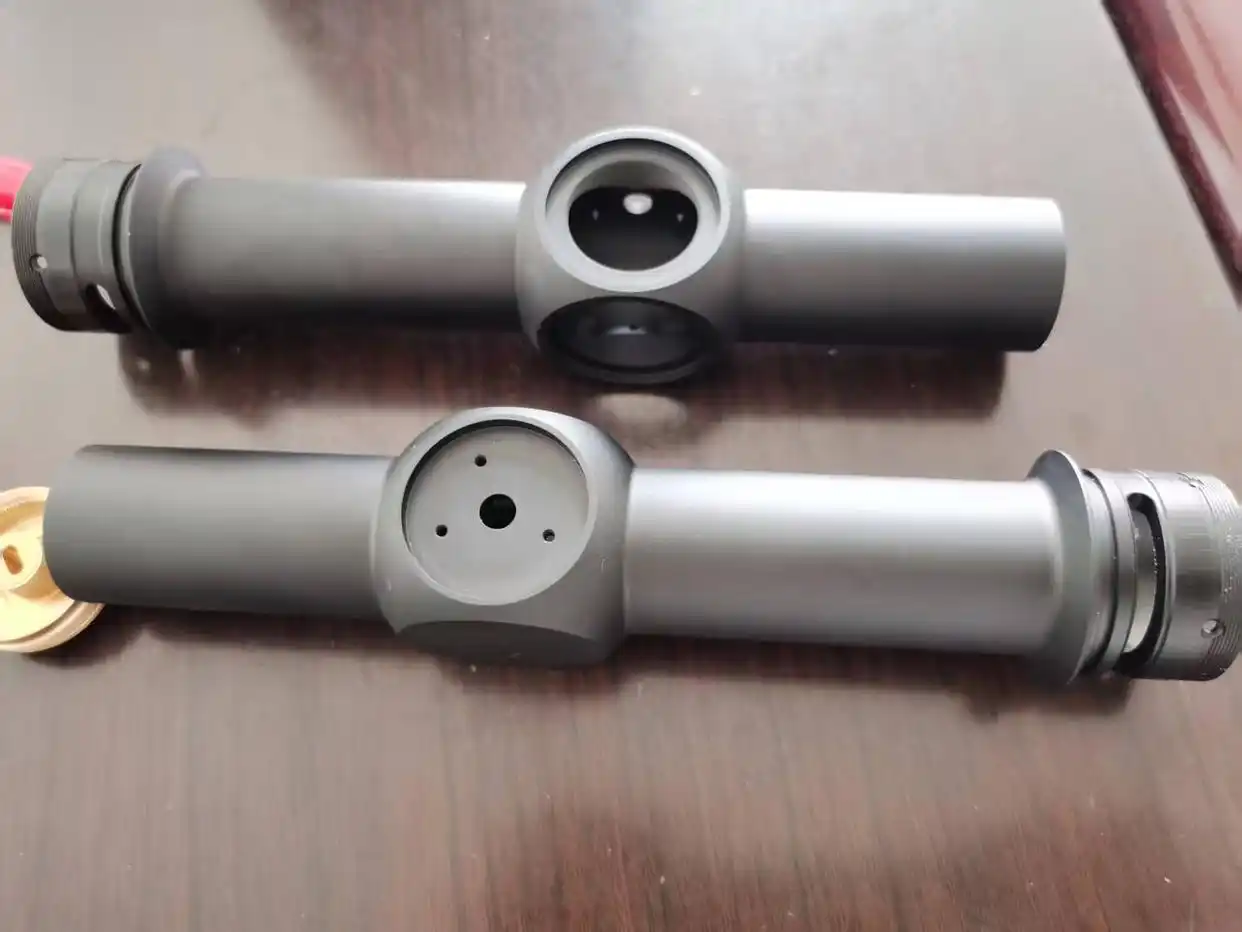
Which manufacturers of mill-turn composite components enjoy a good reputation in the market?
Competition in the manufacturing sector has entered an era where every millimetre counts; particularly in the field of precision component machining, combined turning and milling technology—which offers the advantage of completing multiple machining operations in a single set-up—has become the preferred choice for many companies seeking to reduce costs and improve efficiency.
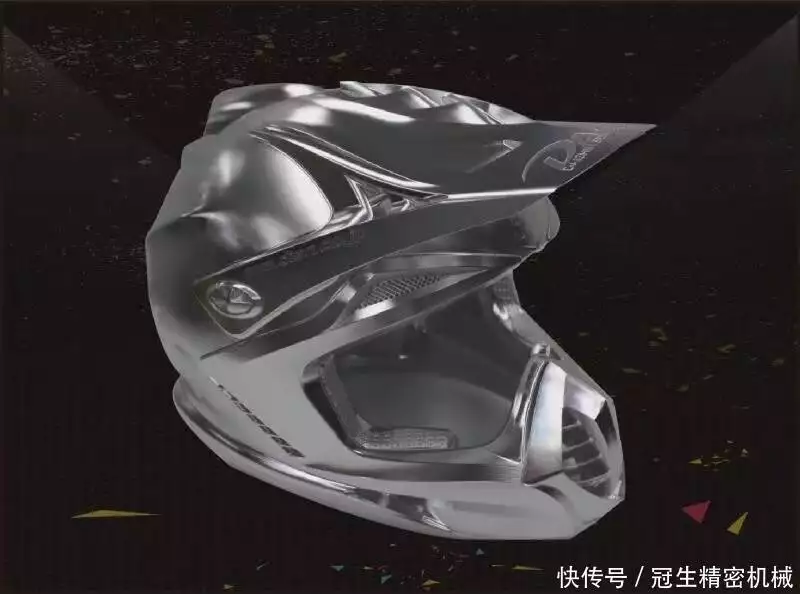
Precision machining of metal components
The machining of precision metal components is an indispensable and vital part of modern manufacturing, with widespread applications in sectors such as electronics, the automotive industry, aerospace and mechanical engineering. With the continuous advancement of technology, precision machining techniques are also constantly improving. However, the sector still faces numerous challenges.
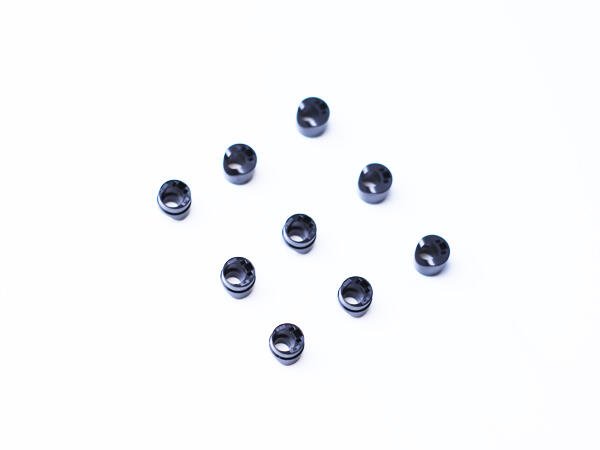
Precision Injection Moulding of Micro-Components: Overcoming Challenges in Precision Control for Small-Scale Products
At a time when industries such as electronics, healthcare and new energy are moving towards miniaturisation and high integration, precision injection moulding of micro-components has become a core manufacturing process. These products, whose dimensions are often measured in millimetres and micrometres, require not only dimensional tolerances to be controlled within ±0.01 mm
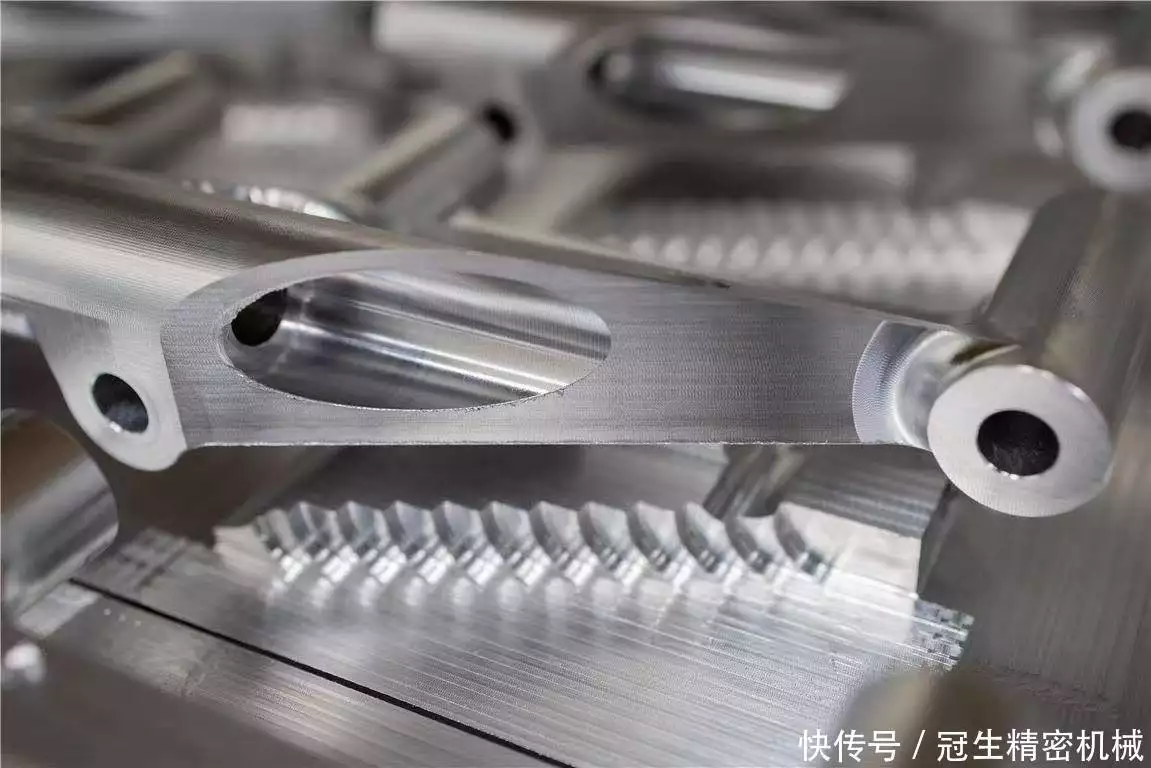
Tool Selection and Management for High-Precision Five-Axis Part Machining
In the field of high-precision five-axis component machining, the selection and management of cutting tools are key factors in ensuring machining accuracy and efficiency. With the continuous development of modern manufacturing, particularly in high-precision and high-tech industries such as aerospace, medical devices and automotive manufacturing,
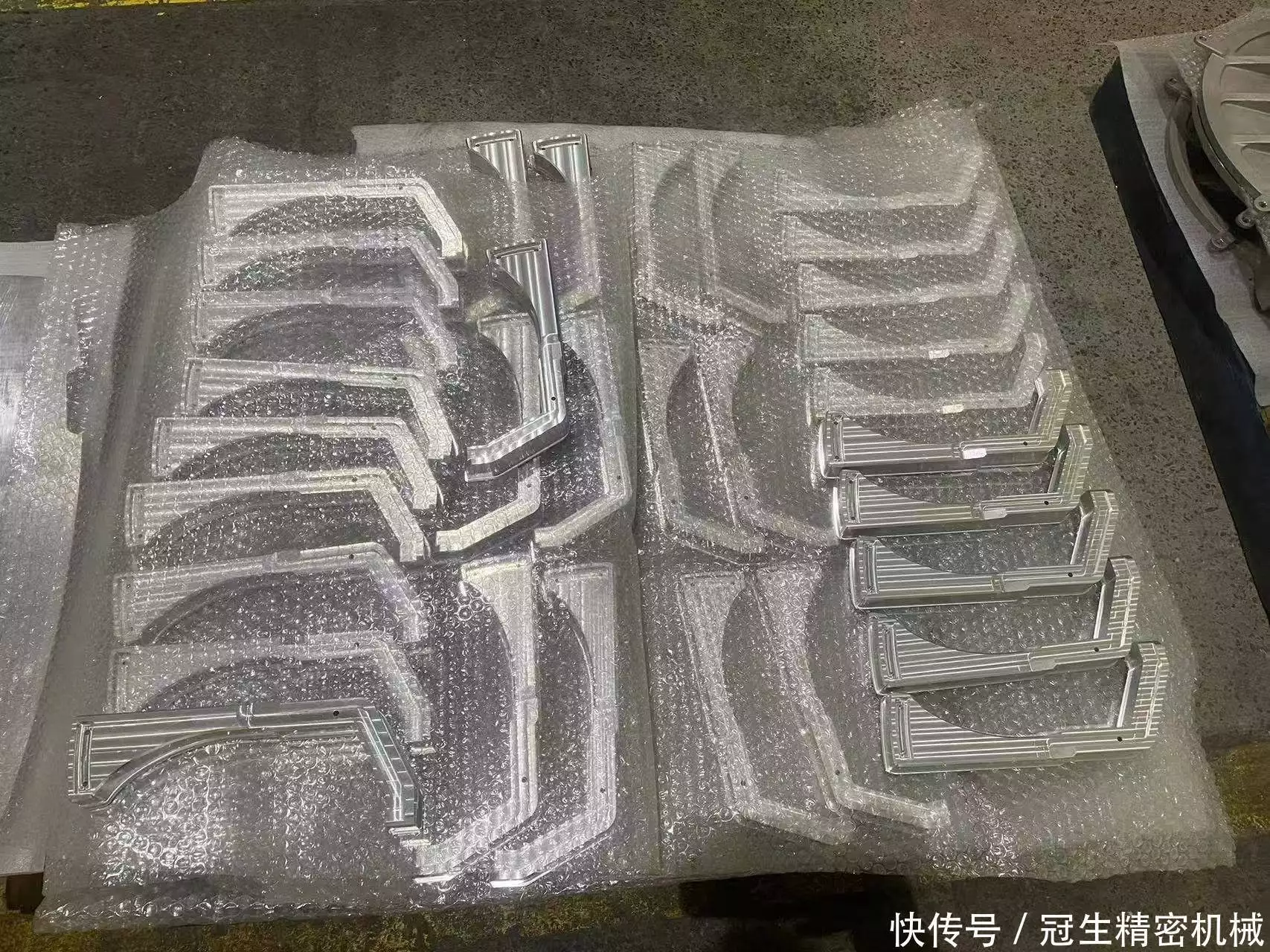
Material Selection and Machinability of High-Precision Components
In modern manufacturing, the choice of materials and machinability for high-precision components are key factors in ensuring product quality and performance. With continuous technological progress, the industry’s demand for high-precision components is growing, particularly in cutting-edge sectors such as aerospace, medical devices and automotive manufacturing.
 Chinese
  Japanese
  English
  German
  Finnish