
arrange in order
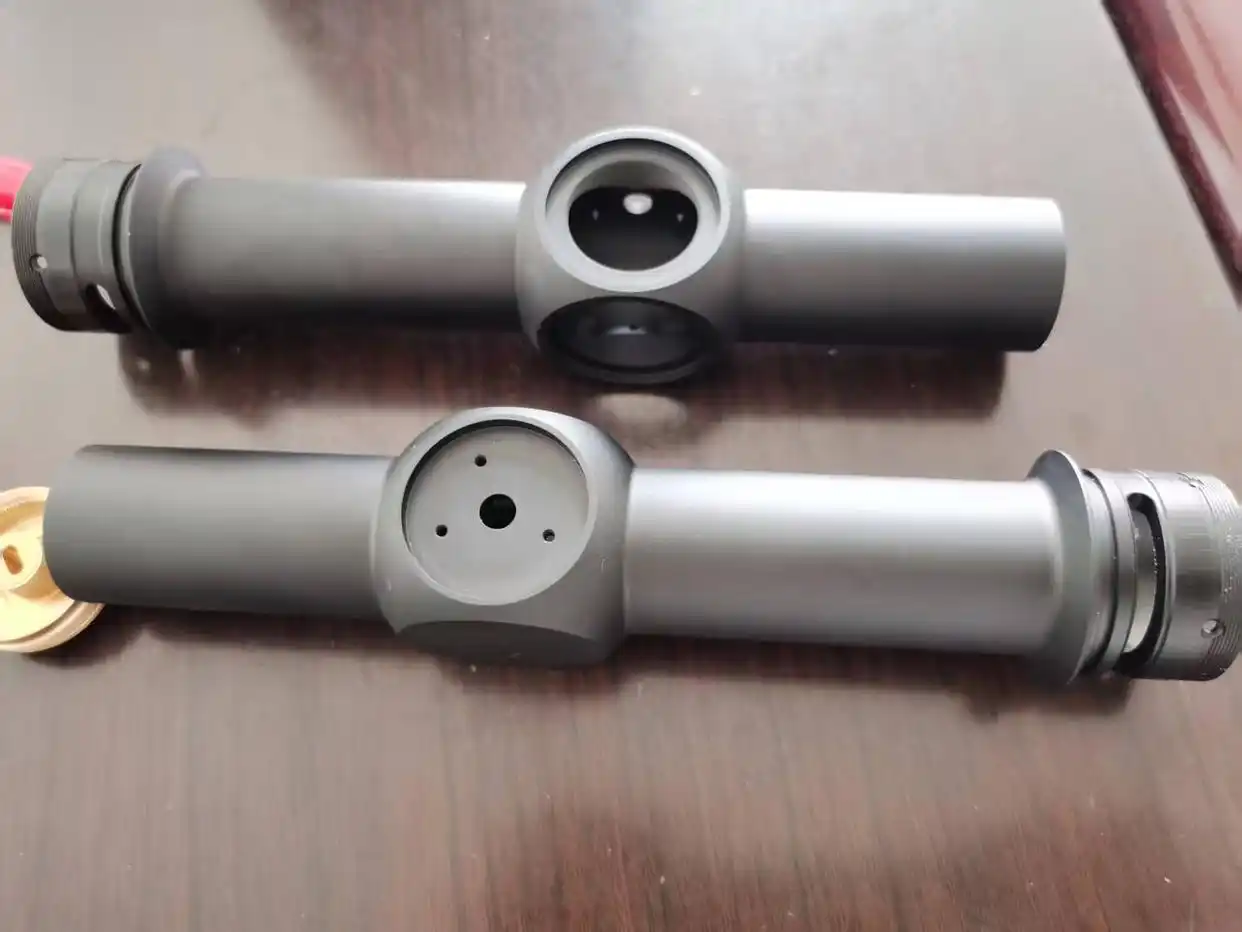
Which manufacturers of mill-turn composite components enjoy a good reputation in the market?
Competition in the manufacturing sector has entered an era where every millimetre counts; particularly in the field of precision component machining, combined turning and milling technology—which offers the advantage of completing multiple machining operations in a single set-up—has become the preferred choice for many companies seeking to reduce costs and improve efficiency.
 41 days ago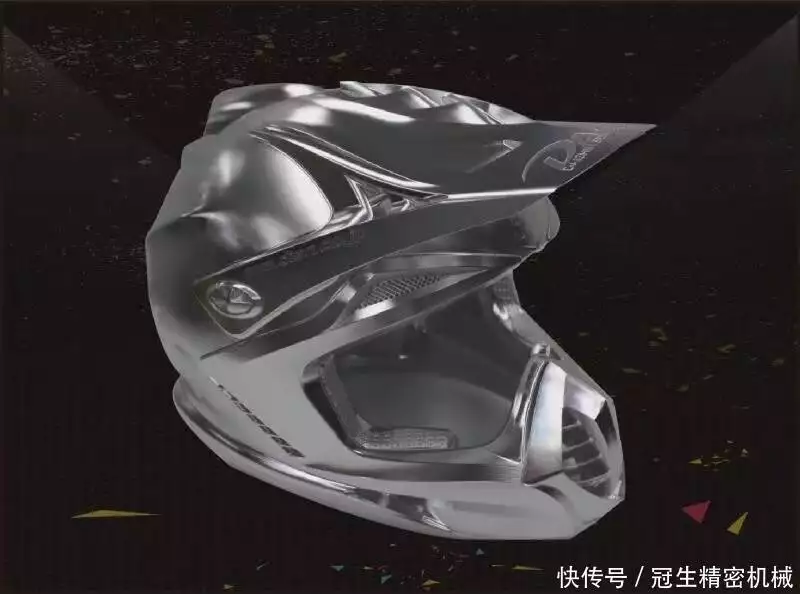
Precision machining of metal components
The machining of precision metal components is an indispensable and vital part of modern manufacturing, with widespread applications in sectors such as electronics, the automotive industry, aerospace and mechanical engineering. With the continuous advancement of technology, precision machining techniques are also constantly improving. However, the sector still faces numerous challenges.
41 days ago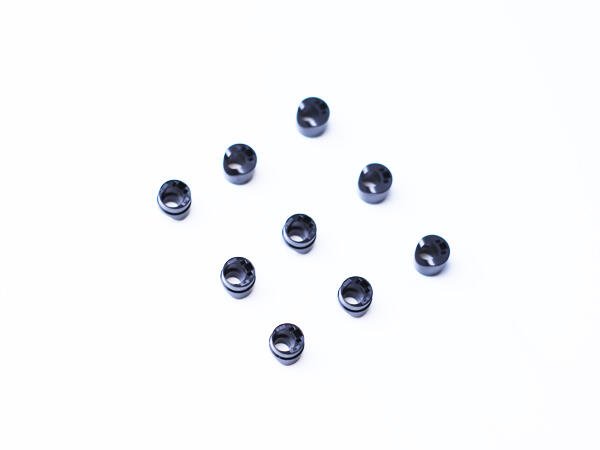
Precision Injection Moulding of Micro-Components: Overcoming Challenges in Precision Control for Small-Scale Products
At a time when industries such as electronics, healthcare and new energy are moving towards miniaturisation and high integration, precision injection moulding of micro-components has become a core manufacturing process. These products, whose dimensions are often measured in millimetres and micrometres, require not only dimensional tolerances to be controlled within ±0.01 mm
42 days ago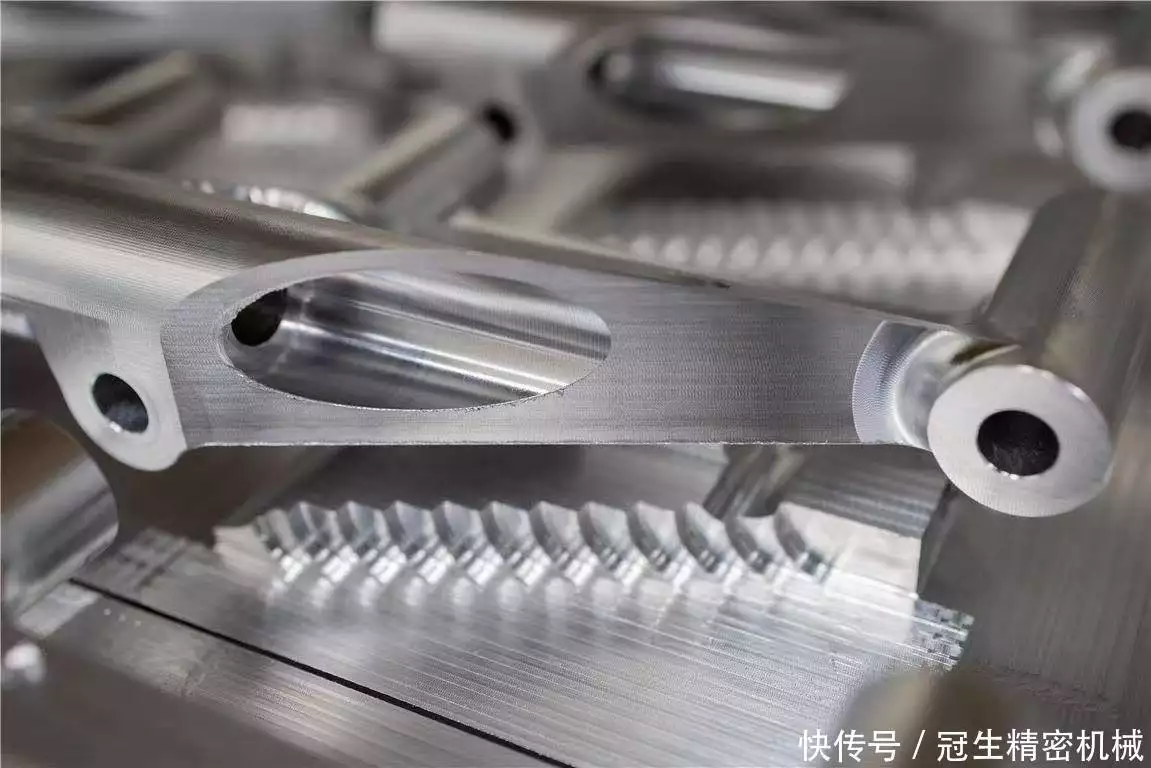
Tool Selection and Management for High-Precision Five-Axis Part Machining
In the field of high-precision five-axis component machining, the selection and management of cutting tools are key factors in ensuring machining accuracy and efficiency. With the continuous development of modern manufacturing, particularly in high-precision and high-tech industries such as aerospace, medical devices and automotive manufacturing,
42 days ago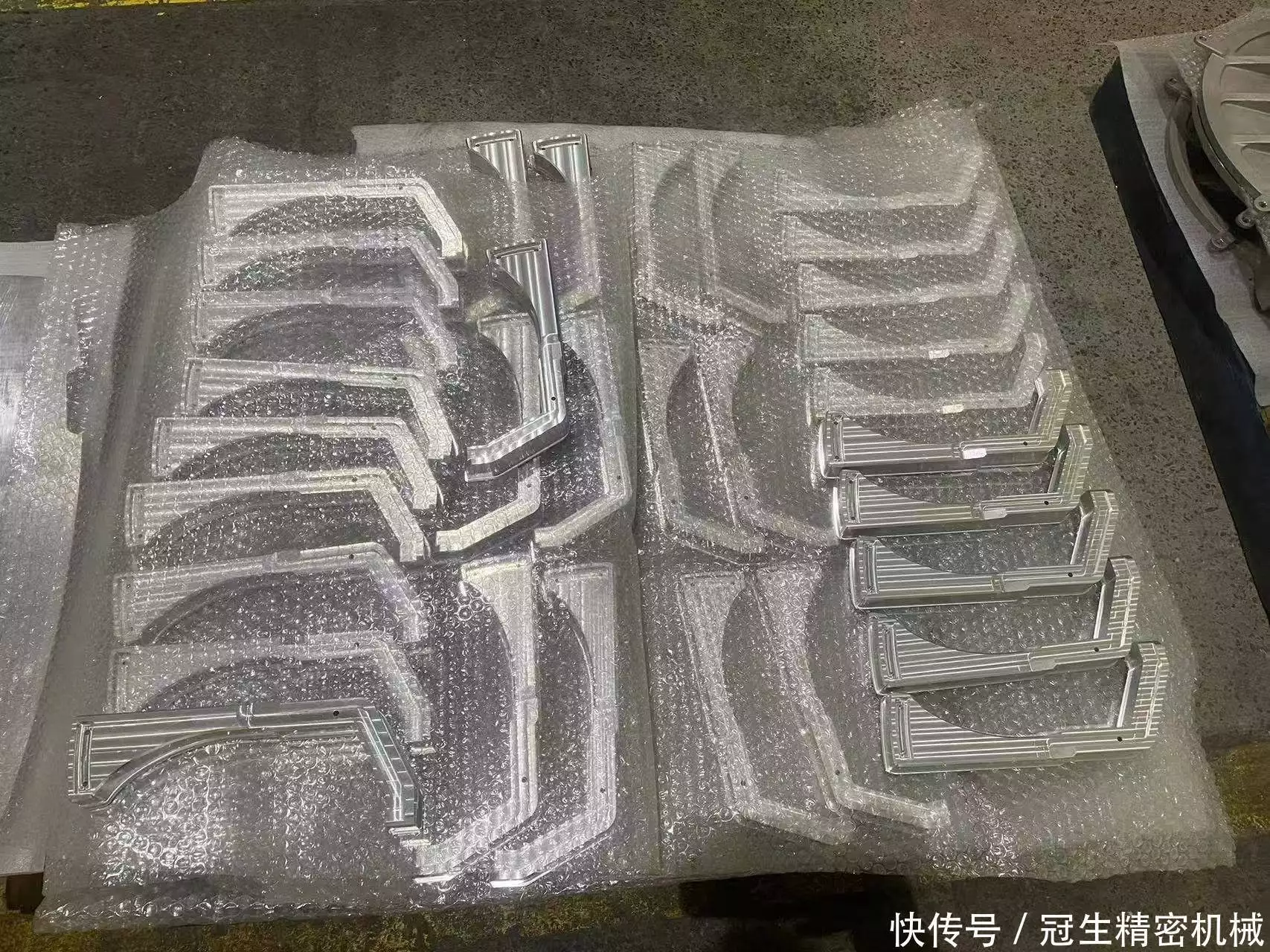
Material Selection and Machinability of High-Precision Components
In modern manufacturing, the choice of materials and machinability for high-precision components are key factors in ensuring product quality and performance. With continuous technological progress, the industry’s demand for high-precision components is growing, particularly in cutting-edge sectors such as aerospace, medical devices and automotive manufacturing.
42 days ago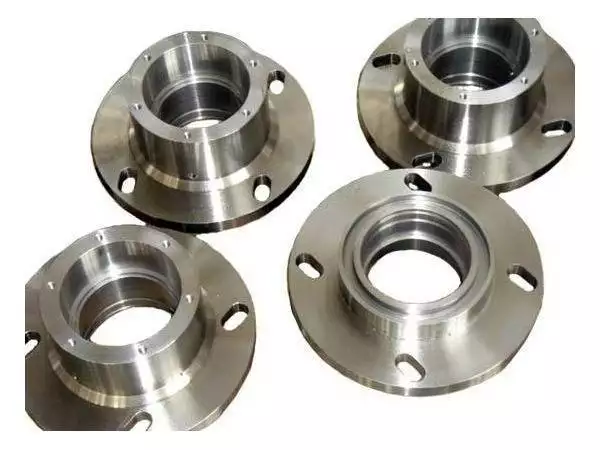

An In-Depth Exploration and Innovation in the Machining Processes for 3C Titanium Alloy Structural Components
Abstract: Thanks to their high strength, corrosion resistance and lightweight properties, titanium alloys are becoming a favourite in the 3C industry, driving innovative design in smart consumer electronics. With the rapid advancement of technology and consumers’ growing reliance on smart consumer electronics,
43 days ago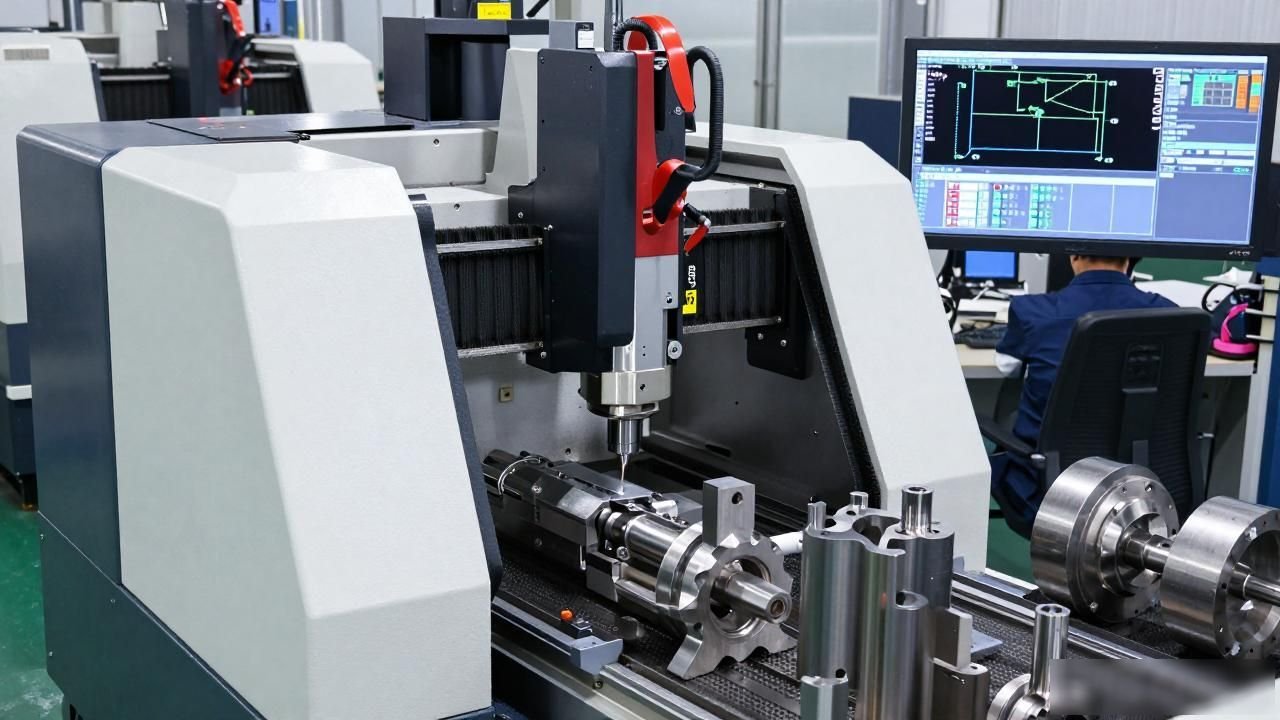
三轴CNC加工中心是什么?原理、应用与工艺完全解析
三轴CNC加工中心是什么?原理、应用与工艺完全解析,“先从三轴机开始做,程序简单,稳定性好。”在聚诚精密的车间里,三轴CNC加工中心往往是任务最饱满的设备群。
44 days ago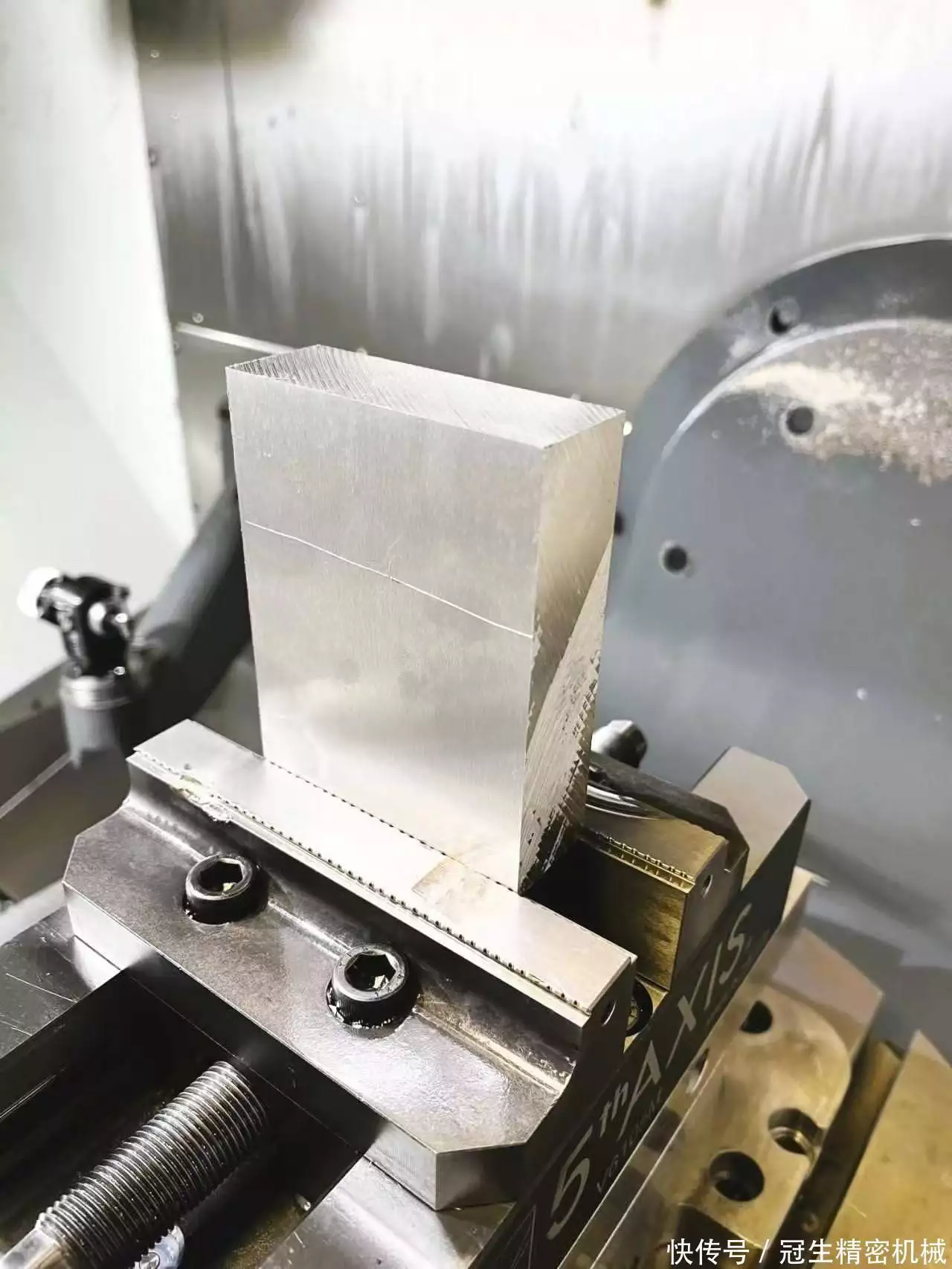
A Study on the Impact of High-Precision Machining on Product Quality
The machining of high-precision components is an indispensable part of modern manufacturing, and it has a profound impact on product quality, performance and service life. In many industries, such as aerospace, automotive, electronics and medical devices, etc.
44 days ago
What is the difference between CNC turning and milling in precision machining?
Computer Numerical Control (CNC) machining is a manufacturing process that uses computerised controllers to operate machine tools. This technology has been in use for several decades and is widely applied in the aerospace, medical, industrial and electrochemical sectors.
44 days ago Chinese
  Japanese
  English
  German
  Finnish