New ReleasesPage 19
arrange in order
Machining solutions and cost analyses for prototyping small-lot, multi-variety products
In the era of rapid product innovation, “fast” and “accurate” are the core demands of prototyping. When your needs are for small quantities (from a few to hundreds of pieces) and large varieties (multiple design versions or different parts), the traditional scale production model is no longer applicable. How do you find a way to guarantee quality...
Advancing Towards Industry 4.0 – The Current State of Intelligent and Automated Applications in Machining Workshops
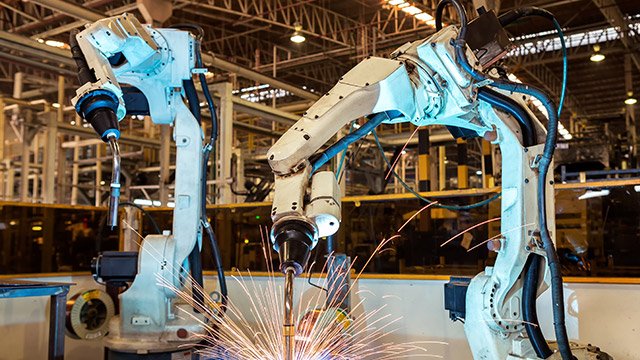
The Fourth Industrial Revolution in Workshop Practice As “Industry 4.0” transitions from concept to reality, machining workshops are undergoing the most profound transformation since the advent of CNC technology. This revolution represents not merely a technological upgrade, but a fundamental restructuring of production philosophies, organisational methodologies, and value creation models. Rooted...
The riveting method of operation in detail: step by step instructions on how to complete the riveting correctly
After understanding the basics of riveting, the next step is to put them into practice. Standardised operating methods are the key to ensuring riveting quality, improving work efficiency and safeguarding personal safety. This article will be like an experienced master at the side, hand in hand to take you through the riveting operation of each...
Various bearing types with machined finished products (overview of bearing types and their industrial applications)
Various Bearing Types with Machined Finished Products: Professional Guide and Example Analysis Overview of Bearing Types and Their Industrial Applications Bearing is an indispensable component in mechanical systems and building structures, undertaking the important functions of support, fixation and cushioning. In industry, the choice of bearings directly affects...
Five Key Metrics to Consider When Purchasing CNC Machine Tools and Brand Comparison
Machine Tool Selection – A Cornerstone Investment in Enterprise Production Capacity With an average service life of 15 to 20 years, the procurement decision for a CNC machine tool often shapes an enterprise's manufacturing capabilities for the next decade. The global CNC machine tool market is projected to reach US$100 billion by 2024. Faced with hundreds of brands...
How are machining quotes calculated? Top 10 Factors Affecting the Price of Parts Machining
When you receive a machining quote, have you ever been confused: how is this price arrived at? Why can the price of two parts that look similar be several times different? Transparent, reasonable offer is the basis of trust and cooperation. This article will completely open the machining quote “black box”,...
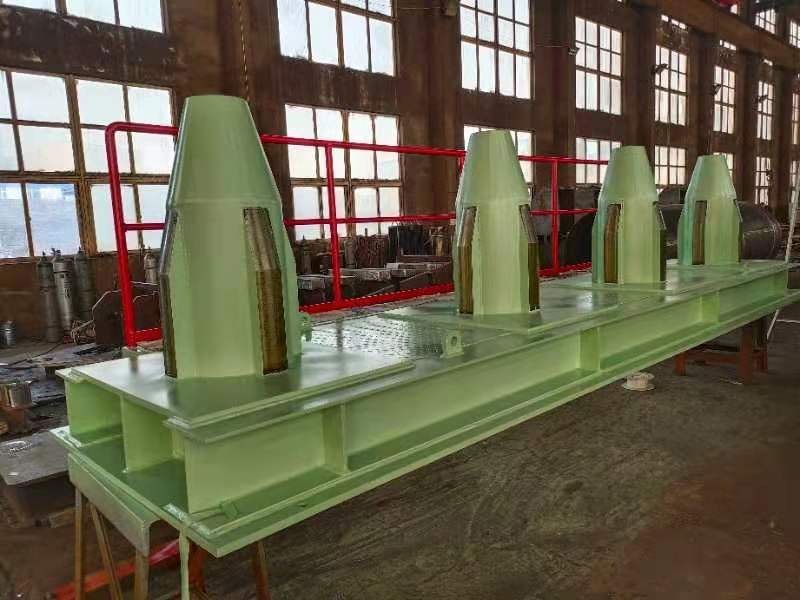
The finished steel structure of each type of strut leg type processing demonstration
Various types of column legs type steel processing finished products show - superb technology, solid choice Keywords: steel structure column, steel structure legs, H-beam column, box column, tubular column, lattice column, fixed legs, adjustable legs, steel processing, metal structure manufacturing, engineering support parts...
Application of Dissolution Technology in Rivet Welding: Principles, Processes and Case Studies
Dissolution Technology in Rivet Welding: Principles, Processes and Case Studies When dissolution ceases to be a separation and becomes a bridge for connection, the process boundaries of manufacturing are being redefined In the field of rivet welding, dissolution is much more than a simple material separation process. From the formation of solder alloys...
Machining process standards explained: ISO, GB, ASME, how to ensure global manufacturing consistency?
Machining process standards are the universal language of quality. This article explains how ISO, GB, ASME and other core standards regulate dimensional and geometric tolerances, surface finishes, and ensure global interchangeability and reliability of components. Machining process standards: the cornerstone of global manufacturing...
Various CNC programming software introduction and function overview
With the continuous progress of science and technology, CNC machining on the complexity of parts, precision and process and other aspects of the more stringent requirements, relying solely on manual programming has been difficult to meet these needs. Because of this, CAM (computer-aided manufacturing) software was born and gradually popularised.