
arrange in order
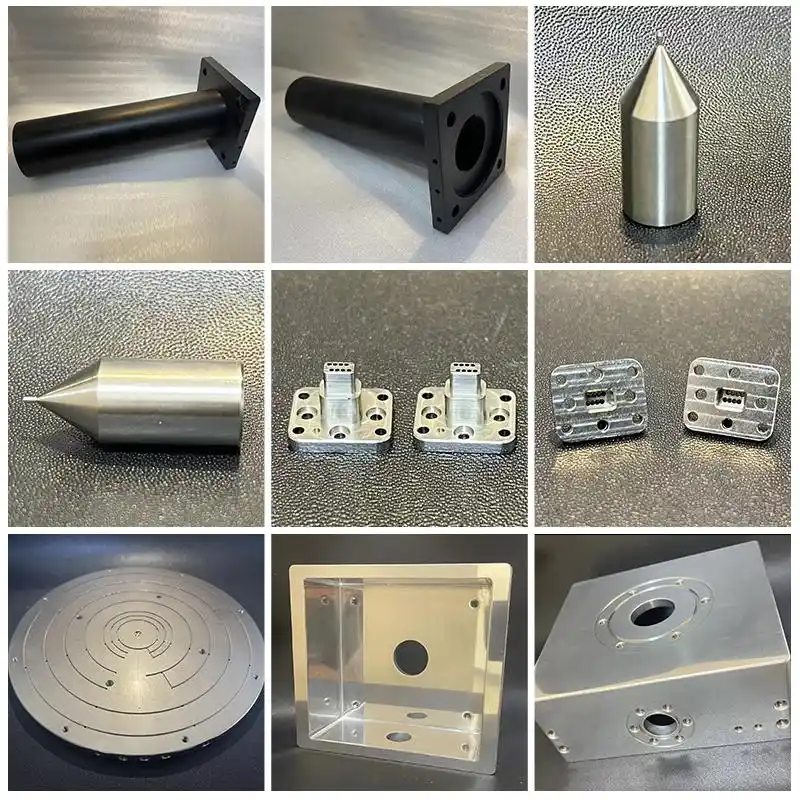
Which factories specialising in the machining of components for popular mill-turn combination products are available on the market?
In the field of precision machining, combined turning and milling technology has become a powerful tool for reducing costs and improving efficiency. However, faced with the multitude of manufacturers on the market, companies often find themselves struggling to make a choice: some manufacturers offer a scattered range of services, requiring frequent coordination with suppliers; others, whilst offering low quotes, deliver inconsistent quality.
 1 month ago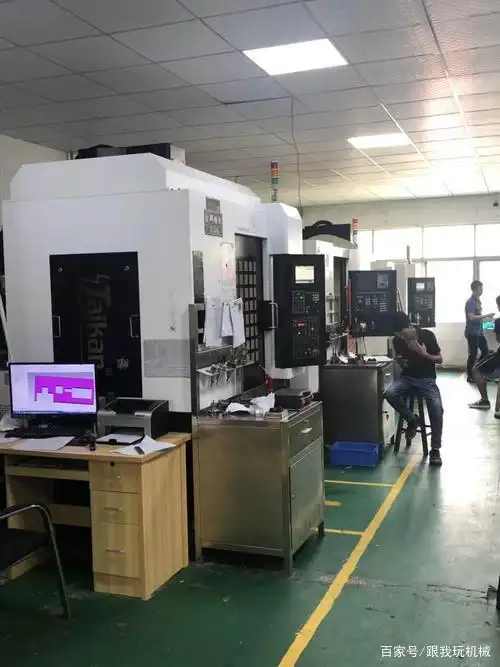
Machining Processes: Differences between Turning-Milling Combination Machining and Other Methods, and CNC Programming Techniques
We generally classify manufacturing processes into two types: material removal and material addition. Most of the processes we use involve material removal, although material addition is also practised; this is generally referred to as forming. For example, injection moulding is a form of material addition; however, our focus here is on material removal.
1 month ago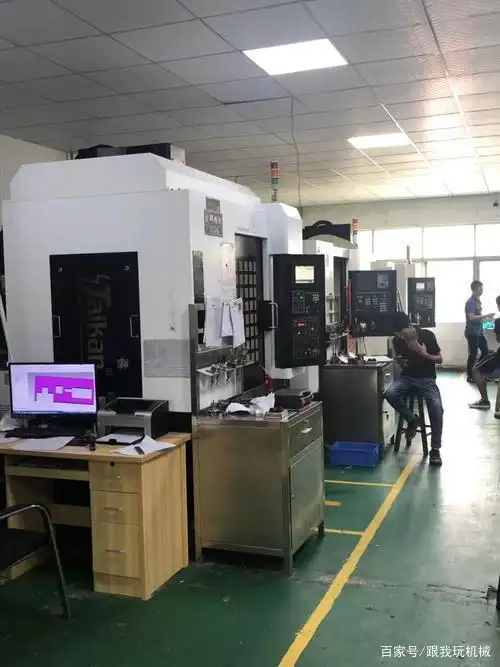
Machining Processes: Differences between Turning-Milling Combination Machining and Other Methods, and CNC Programming Techniques
We generally classify manufacturing processes into two types: material removal and material addition. Most of the processes we use involve material removal, although material addition is also practised; this is generally referred to as forming. For example, injection moulding is a form of material addition; however, our focus here is on material removal.
1 month ago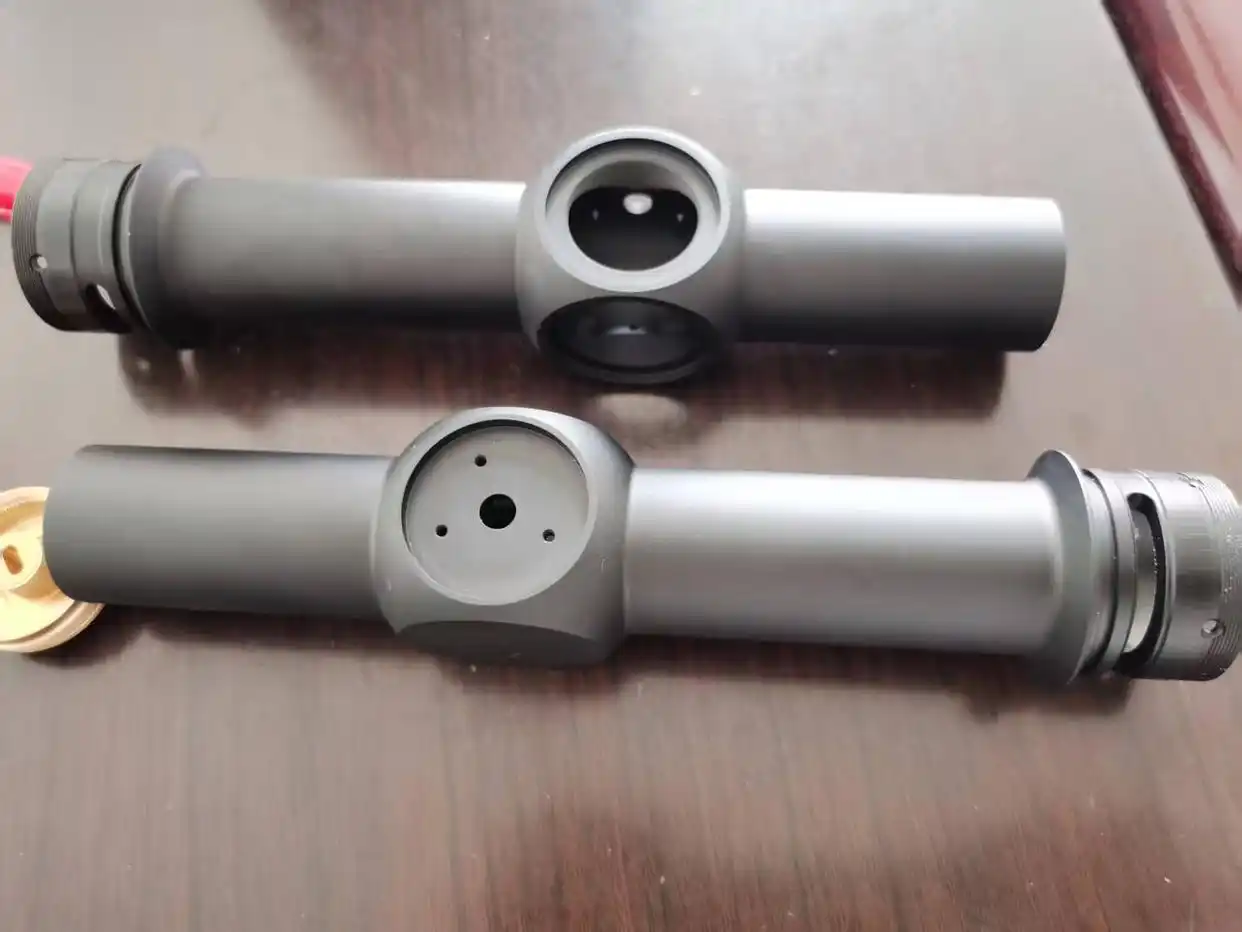
Which manufacturers of mill-turn composite components enjoy a good reputation in the market?
Competition in the manufacturing sector has entered an era where every millimetre counts; particularly in the field of precision component machining, combined turning and milling technology—which offers the advantage of completing multiple machining operations in a single set-up—has become the preferred choice for many companies seeking to reduce costs and improve efficiency.
37 days ago Chinese
  Japanese
  English
  German
  Finnish