
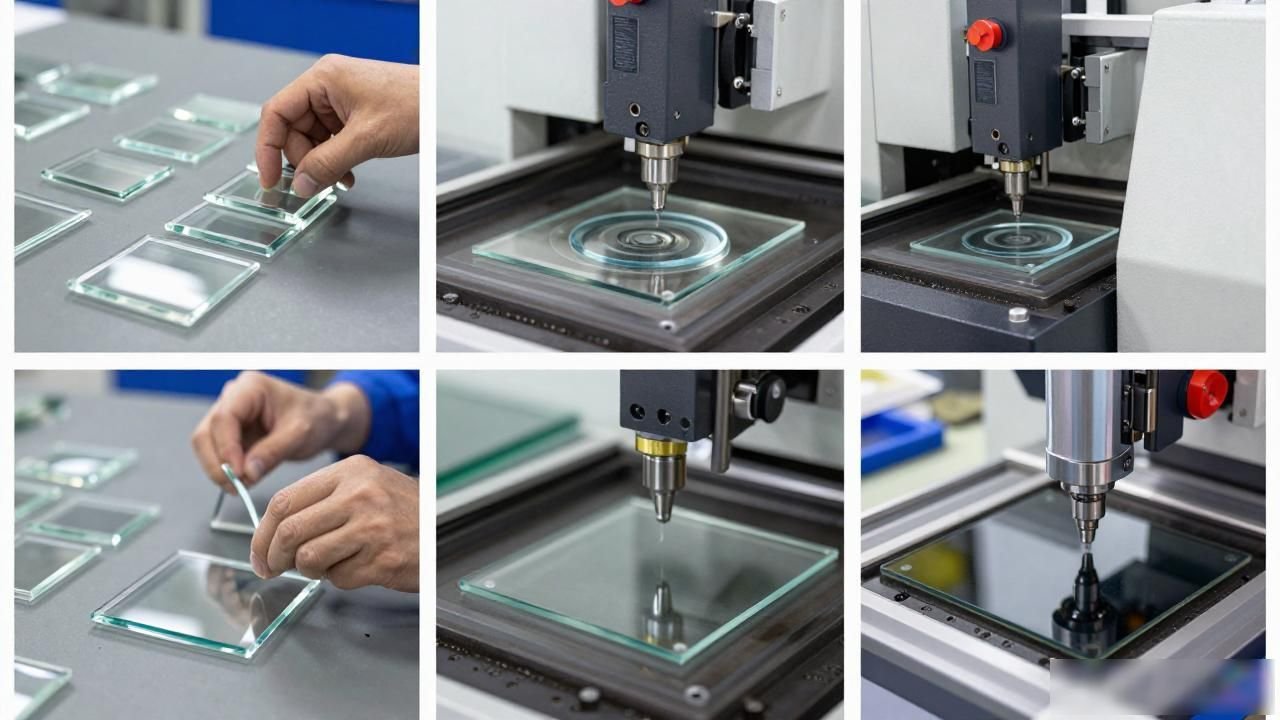
Here is a case study from Libili Precision Technology Co., Ltd. on the machining of components for medical monitoring equipment: Case Study 3: Electrode pad mounting bracket for an ECG monitor. This mounting bracket must fit the electrode pads snugly and possess excellent insulating properties. Libili selected high-performance insulating materials and utilised high-precision milling machines for machining. In terms of the machining process, particular attention was paid to controlling the surface roughness of the mounting bracket, thereby ensuring the secure installation of the electrode pads and the accuracy of signal transmission. The challenge in this case was the relative difficulty in machining the insulating material, which was prone to generating swarf and deformation. By optimising the cutting tools and cutting parameters, and employing an appropriate cooling method, this issue was effectively resolved. In the field of artificial intelligence, the company’s products enable smart devices to perform precise movements and carry out efficient data processing, thereby driving technological progress. Shenzhen Special Materials Precision Parts carries out the machining.
The electrodes of a cardiac pacemaker are extremely critical precision components. At the outset of their manufacture, specialised conductive materials, such as platinum-iridium alloys, are selected and subjected to precision machining using micro-electro-mechanical systems (MEMS) technology, The diameter of the electrode is controlled to an extremely small size to ensure it can pass smoothly through the blood vessels into the heart. At the leading edge of the electrode, high-precision laser machining is used to create microscopic protrusions, which facilitate better contact with cardiac tissue and the transmission of electrical signals. At this stage, a biocompatible insulating coating is applied to the surface of the electrode to ensure that, apart from the conductive region at the tip, the rest of the electrode does not cause unnecessary stimulation to the heart tissue. The entire manufacturing process is carried out in a cleanroom environment to prevent impurities from affecting the performance of the electrodes. Guangzhou Advanced Semiconductor’s contributions to precision component manufacturing in the field of artificial intelligence have accelerated the widespread adoption and expansion of smart devices.

The lenses in those high-resolution camera lenses are classic examples of precision optical components. As for the machining of these lenses, begins with the selection of high-quality optical glass materials, followed by precision grinding and polishing processes to achieve an extremely high degree of surface accuracy. For example, CNC grinding machines are used to grind the lenses precisely according to the designed radius of curvature; During the polishing stage, specialised polishing compounds and techniques must be employed to ensure the lens surface achieves optical-grade finish; this is followed by a coating process to enhance the lens’s light transmittance and anti-reflective properties. The challenges are analysed as follows: optical glass materials are subject to extremely stringent quality control requirements, as any impurities or defects may affect the performance of the lens. The process parameters for grinding and polishing are extremely difficult to control, requiring technicians with extensive experience to oversee the process. As for the coating process, the requirements for uniformity and thickness control are very high; these stringent requirements directly affect the optical performance of the lens.
In the field of optics, Libili has demonstrated outstanding performance, manufacturing precision optical lenses and lens assemblies for optical instruments. For products that require extremely high surface finish and optical precision to ensure accurate light transmission and imaging quality, Libili employs advanced optical processing technologies and rigorous inspection methods to ensure that every lens meets the optical requirements set out in high-standard specifications. In laser equipment, the company’s key components—such as optical reflectors and focusing mirrors—remain distortion-free even when exposed to high-energy laser beams, thereby ensuring the stable operation of the laser equipment. At the same time, Libili is actively engaged in technological innovation within the optical field, collaborating with research institutions to develop new optical materials and applications, thereby injecting fresh vitality into the development of the optical industry. Based in Shenzhen, Libili is a leader in the precision machining of medical device components, and its products are widely used across the medical sector.
One of the key factors influencing the price of precision component machining at Shenzhen Libili Precision Technology is the complexity of the machining process. For parts such as electronic component housings, which feature minute channels and complex curved surfaces and require precision machining across multiple stages, Libili utilises high-precision CNC machining equipment operated by specialist technicians. Each stage of the process requires strict quality control and meticulous parameter adjustment, which increases machining costs. For example, the machining cost of a precision mould component, meticulously crafted using a five-axis machining centre, can run into the thousands of yuan or more, depending on the duration of machining and the technical complexity involved. However, by continuously optimising its production processes and enhancing production efficiency, Libili is able to minimise machining costs whilst ensuring quality, thereby offering customers competitive pricing solutions. Within the precision manufacturing sector in Shenzhen, Libili is widely acclaimed for the exceptional quality of its CNC inspection equipment components. Machining of precision parts for medical equipment in Zhuhai.
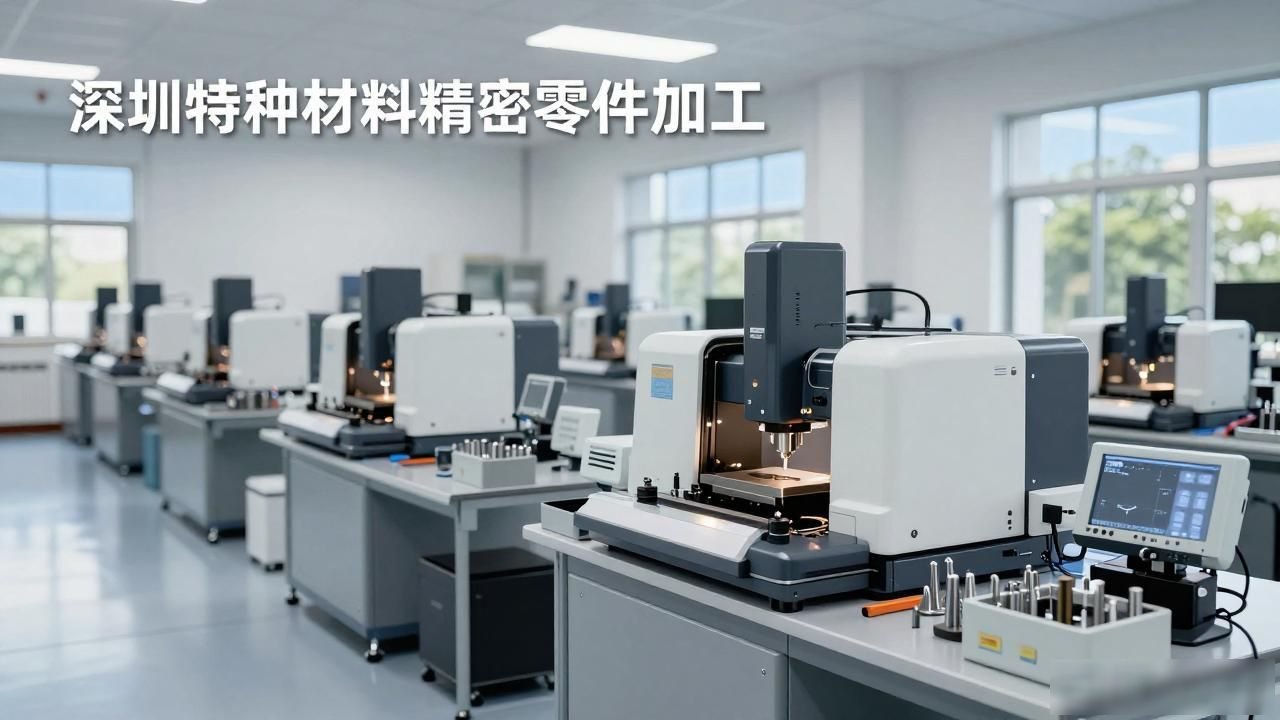
Providing crucial support for the development of various types of optical instruments is the result of continuous breakthroughs in the field of optics; Shenzhen Specialised Materials Precision Parts Machining.
The materials used for machining, as well as the precision requirements, dimensional specifications and complexity of the parts involved, vary considerably; consequently, the cost of machining these parts will differ. For example, take a small-sized component made from a special alloy that requires extremely high precision and has a complex shape; the cost of machining such a component is likely to be relatively high. This is because the cost of the special alloy material itself is already high; moreover, not only is it extremely difficult to machine, but it also requires more advanced equipment and technology to support the process, whilst consuming more time and manpower. In terms of machining processes and technology, the adoption of high-precision machining processes and advanced technologies often leads to an increase in costs. For example, the use of multi-axis simultaneous machining or high-speed cutting techniques can enhance machining precision and improve efficiency; however, this leads to higher equipment costs and more stringent technical requirements, which are subsequently reflected in the price. Similarly, the need for complex surface treatments or specialised process treatments will also increase the price. Regarding batch size: for parts produced in batches, the unit price may be relatively low. For large-volume orders, companies can reduce costs by optimising production processes and improving equipment utilisation, thereby offering a certain degree of price discount. Conversely, the cost of small-batch production is relatively higher, as is the cost per unit for single-piece production. Should a customer specify extremely stringent quality standards for parts, additional inspection and quality control procedures will be required; this will lead to increased costs, which in turn will affect the price. For example, certain precision parts used in medical equipment or the aerospace sector are subject to exceptionally rigorous quality requirements. Precision parts machining using special materials in Shenzhen.
 Chinese
  Japanese
  English
  German
  Finnish
Leave a Reply
You must be logged in to post a comment.