
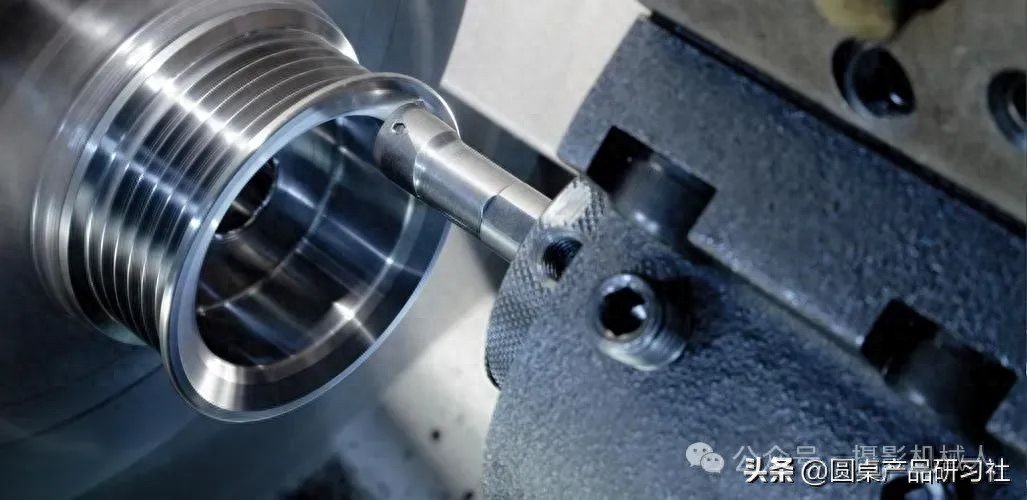
Whenever the topic of manufacturing comes up, machiningProcessThis is an absolutely essential stage. Machining is a process that transforms raw materials into the required shapes, dimensions and surface finishes. This process encompasses a wide range of precision machining methods, designed to meet the requirements of different components. Below, we will provide a detailed overview of eight common machining processes.
01. Turning()
The workpiece is clamped onto a rotating workpiece-holding device, after which material is gradually removed from the workpiece using a cutting tool to achieve the required shape and dimensions; this is known as turning. This machining method is suitable for manufacturing cylindrical parts such as shafts and sleeves; the turning techniques employed and the choice of cutting tools influence the final product’s shape and surface roughness.

Turning can be divided into different categories, including external turning, internal turning, face turning and thread turning, amongst others.
External turning is commonly used to machine shapes such as shafts, cylinders and cones. In internal turning, the cutting tool enters the bore of the workpiece to machine the bore’s diameter and surface to the required dimensions and precision. Face turning is generally used to produce flat surfaces, such as the bases or end faces of parts, whilst thread turning involves moving the cutting edge of the tool relative to the workpiece surface to progressively cut the thread profile, including both internal and external threads.
02. Milling()
Milling is a process that involves removing material from the surface of a workpiece using a rotating cutting tool; by controlling the movement of the tool, it is possible to produce parts with a wide variety of complex shapes, such as flat surfaces, contoured surfaces and gears. The various types of milling include face milling, vertical milling, end milling, gear milling and contour milling, amongst others. In fact, each method is suited to different machining requirements.
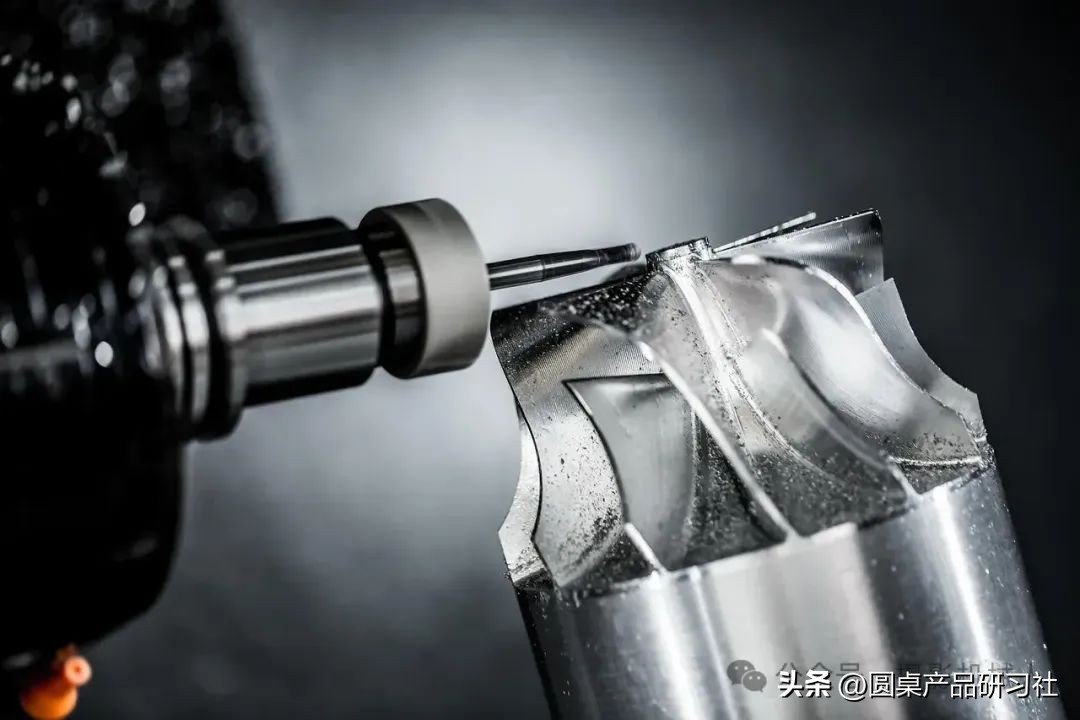
In face milling, the cutting edge of the tool performs the cutting operation on the surface of the workpiece, thereby producing a flat surface; vertical milling is often used to machine grooves and holes running along the height of the workpiece, end milling involves cutting into the side of the workpiece and is frequently used to machine contours, grooves and edges, Gear milling generally employs specialised cutters with cutting edges to machine the tooth profile of a gear, whilst contour milling is used to machine complex curves or contour shapes, with the cutter’s path precisely controlled in accordance with the contour.
03. Drilling()
Drilling involves removing material from a workpiece using a rotating drill bit, with the aim of creating a hole of the required diameter and depth; this method is extremely widely used in the manufacturing, construction and maintenance sectors. Drilling can generally be categorised into various types, such as conventional drilling, centre drilling, deep-hole drilling and multi-axis drilling.
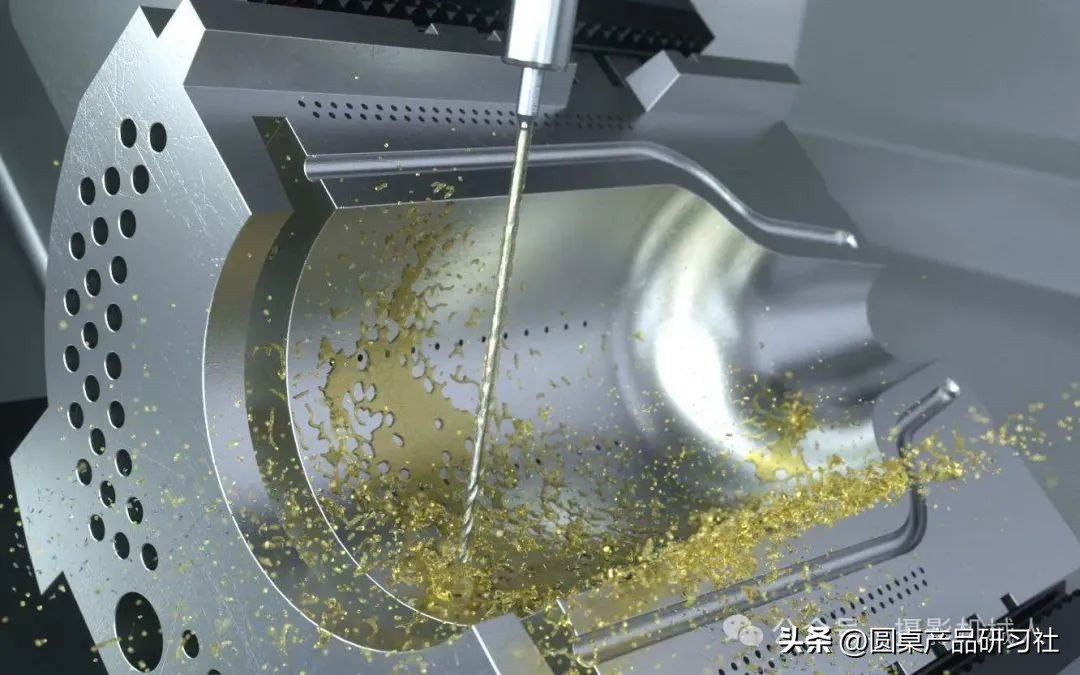
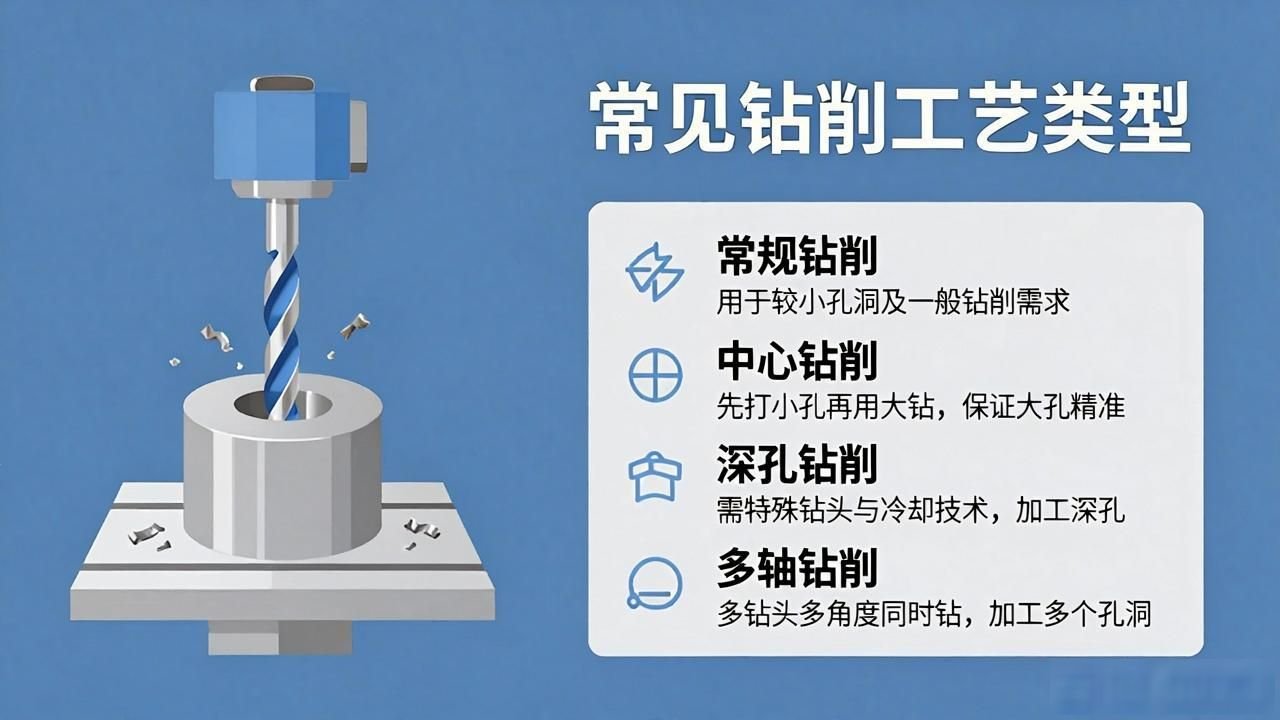
Conventional drilling uses drill bits with helical cutting edges, typically for smaller holes and general drilling requirements; centre drilling involves first creating a small hole in the workpiece’s surface, followed by the use of a larger drill bit to ensure the position of the larger hole is precise and accurate; Deep-hole drilling is used to machine deep holes; this requires specialised drill bits and cooling techniques to ensure machining accuracy and quality; multi-spindle drilling utilises multiple drill bits operating simultaneously at different angles, making it suitable for situations where multiple holes need to be machined at the same time.
04. Grinding ()
Grinding is a process in which a workpiece’s surface material is progressively cut or abraded using an abrasive tool to achieve the required shape, dimensions and surface finish. Grinding is frequently used to machine parts that require high precision and a high-quality surface finish, such as moulds, precision mechanical components and tools.
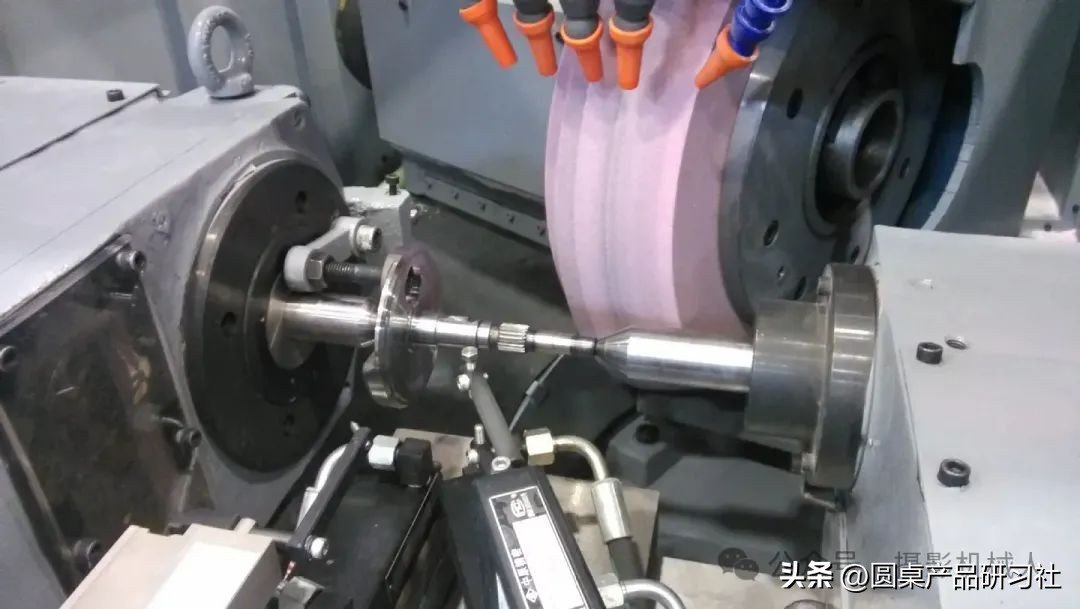
Grinding can be categorised into surface grinding, external cylindrical grinding, internal cylindrical grinding and profile grinding. Surface grinding is used to machine flat workpiece surfaces, thereby achieving a smooth finish and precise dimensions; External cylindrical grinding is used to machine the outer surfaces of cylindrical workpieces, such as shafts and pins; internal cylindrical grinding is used to machine the inner surfaces of holes, such as bore holes and shaft bores; profile grinding is used to machine complex contour shapes, such as the cutting edges of moulds and tools.
05. Boring ()
Boring is generally used for machining internal circular holes in workpieces; it utilises a rotating cutting tool to perform cutting operations within an existing hole, thereby achieving precise dimensions and flatness. Unlike drilling, which involves removing material from the surface of the workpiece to form a hole, boring involves inserting the cutting tool into the interior of the workpiece to machine the hole.
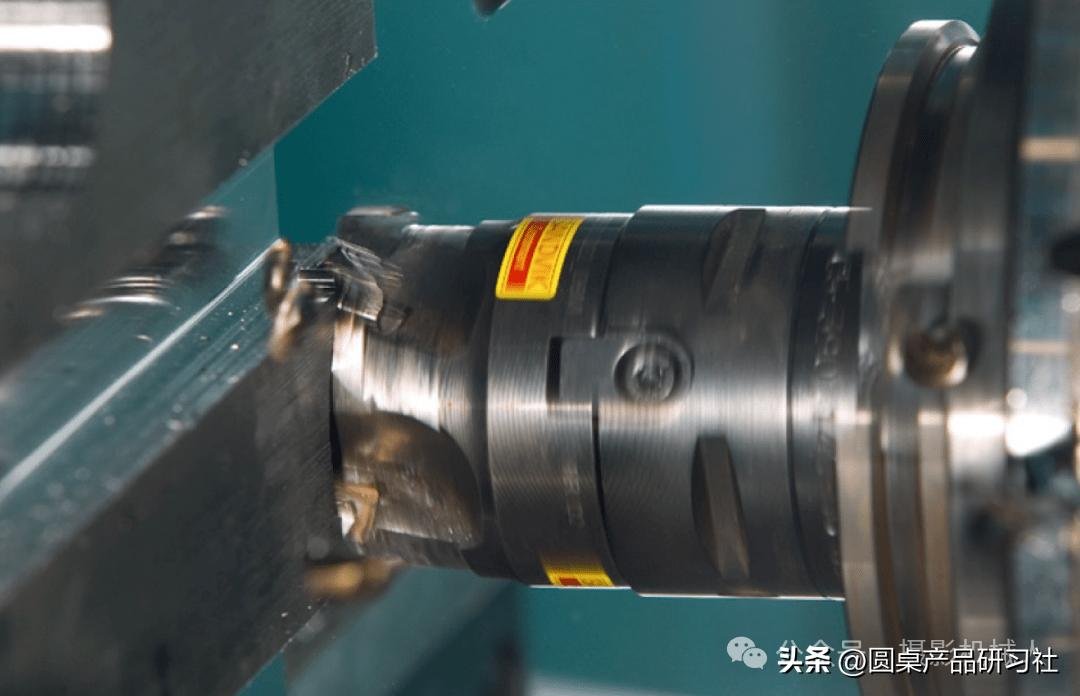
Boring is divided into manual boring and CNC boring. Manual boring is suitable for small-batch production and simple machining tasks, whilst CNC boring utilises programming to determine the cutting path, feed rate and rotational speed, thereby achieving automated, high-precision machining.
06. Planing ()
Planing involves using a planer blade to plane the surface of a workpiece, thereby achieving the required flatness, precise dimensions and surface finish. Planing is often used to machine the flat surfaces of larger workpieces, such as bases and machine beds. It produces a smooth surface on the workpiece, making it suitable for use in conjunction with other workpieces.
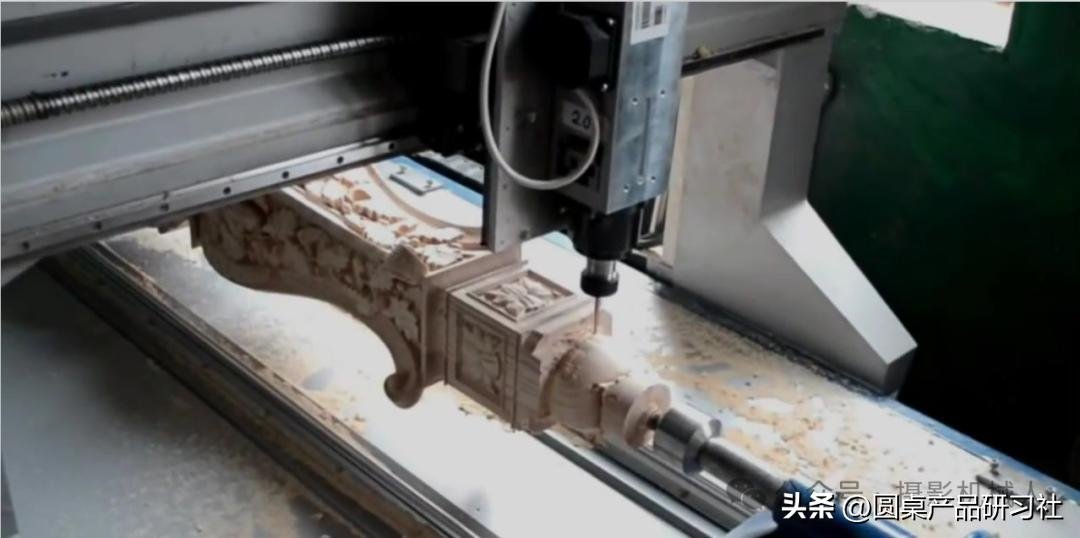
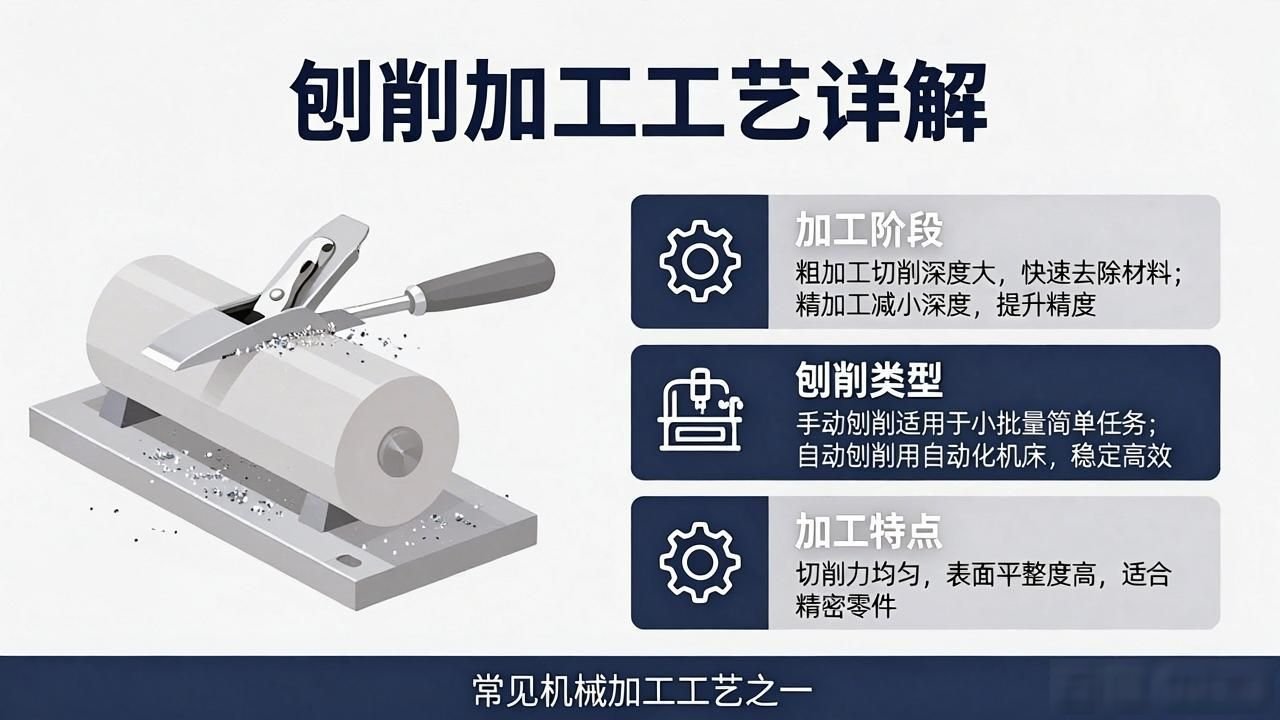
Planing is generally divided into two stages: roughing and finishing. During the roughing stage, the planer has a greater cutting depth, with the aim of removing material rapidly. During the finishing stage, the cutting depth is gradually reduced to achieve a higher surface quality and dimensional accuracy. There are two types of planing: manual planing and automatic planing. Manual planing is used for small-batch production and simple machining tasks; automatic planing utilises automated machine tools to control the movement of the planer, with the aim of achieving a more stable and efficient machining process.
07. Plunging cut ()
By employing a plunge-cutting tool and gradually advancing it into the workpiece to perform the cutting operation, objects with complex internal contours can be produced; this method is frequently used to machine areas of a workpiece with complex shapes, such as contours, grooves and holes. As a machining method, plunge cutting generally achieves high machining accuracy and excellent surface quality; it is suitable for the machining of parts that require high precision and a high-quality finish. Plunge cutting is typically categorised into different types, such as flat plunge cutting, contour plunge cutting, groove plunge cutting and hole plunge cutting.
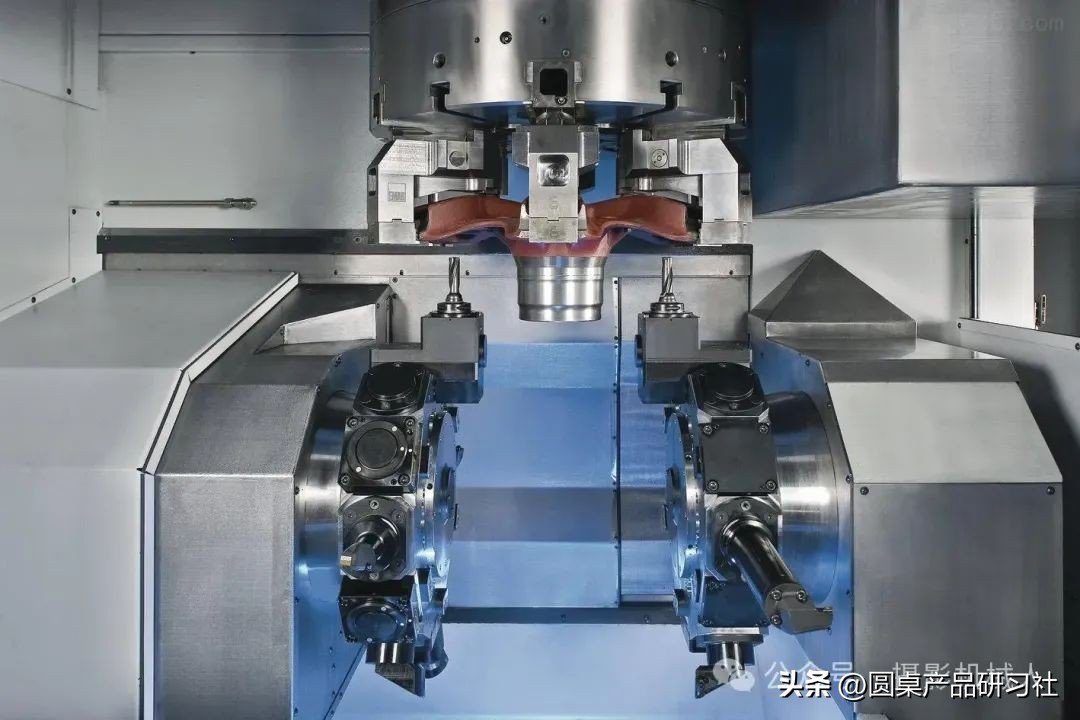
Flat planing is used to machine flat workpiece surfaces, with the aim of achieving a smooth surface and precise dimensions; contour planing is used to machine complex contour shapes, such as moulds and components; Groove milling is used to machine grooves and channels; the cutting edge enters the workpiece and cuts along its surface; bore milling is used to machine the internal contours of holes; once the cutting edge enters the hole, it cuts the inner surface of the bore.
08. Electrical Discharge Machining (EDM)
Electrical discharge machining (EDM) utilises electric arc discharge to cut and machine conductive materials, thereby producing high-precision parts with complex shapes, such as moulds and tools. It is frequently used in the manufacture of moulds, plastic injection moulds, aeroengine components and medical devices. EDM is generally used to machine hard, brittle or high-hardness materials that are difficult to cut using conventional machining methods, such as tool steel, cemented carbide and titanium alloys.
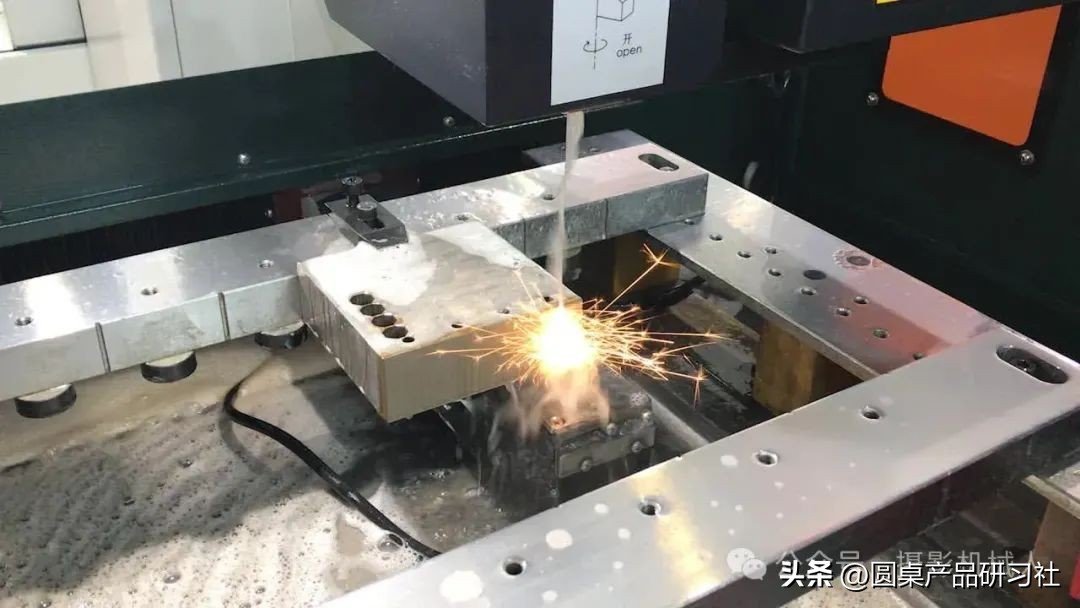
Key features of electrical discharge machining:
The above outlines eight common machining processes; each has its own specific scope of application and advantages. The choice of the appropriate process is determined by the material, shape, dimensions and surface finish requirements of the component.
 Chinese
  Japanese
  English
  German
  Finnish
Leave a Reply
You must be logged in to post a comment.