


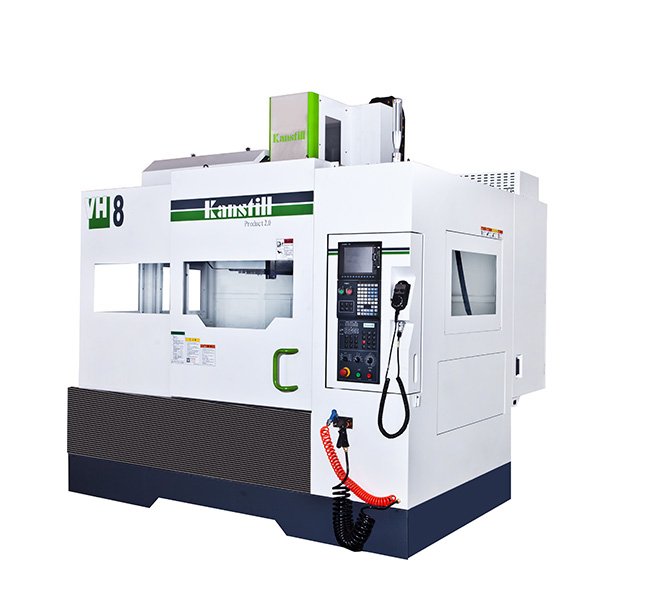
General Methods and Steps for CNC Machining Processes
CNC machining is a processing technology widely used in the mechanical manufacturing industry; its methods and procedures are crucial to the production of high-quality, high-precision components. The general methods and procedures for CNC machining are outlined below:
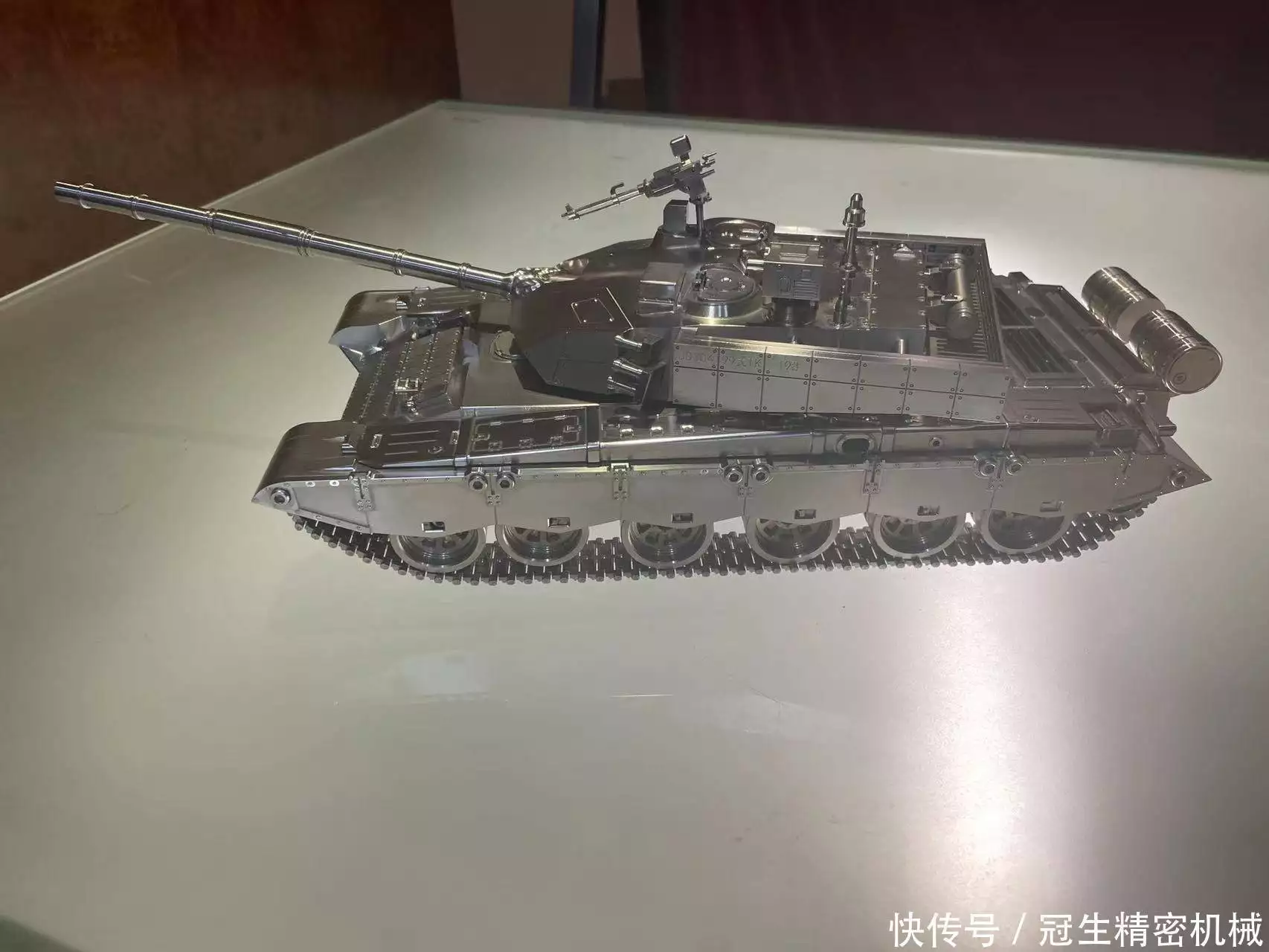
Precision machining of small components
Precision machining of micro-components is a vital manufacturing technology, widely used in sectors such as electronics, mechanical engineering, aerospace and the automotive industry. With technological advances and the market’s ever-increasing demand for high-precision, high-efficiency products, precision machining technology for micro-components is also continuing to evolve.
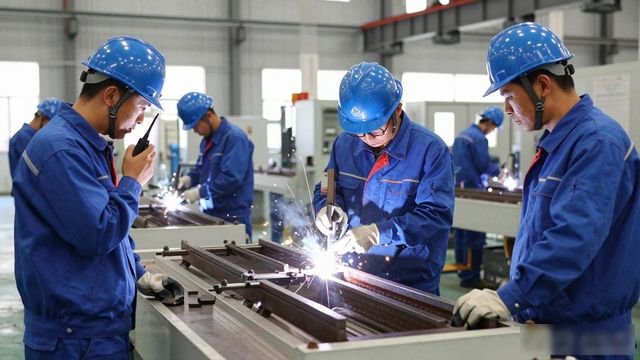
Operating Procedures for the Machining of WJ-GC-001 Riveted and Welded Assemblies
1. Scope and Field of Application This standard specifies the operating procedures for the machining of riveted and welded components. This standard applies to the machining of riveted and welded components at this plant. 2. Referenced Standards YB/JQ101.10 General Technical Requirements for Mechanical Repair and Manufacturing in Iron and Steel Enterprises – Welded Structural Components GB15..
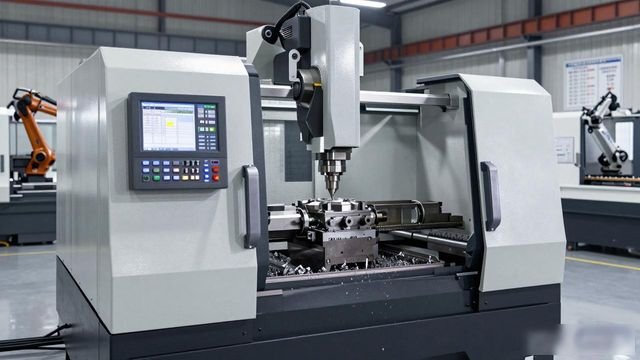
Combined turning and milling lathes: a powerful tool for high-efficiency, high-precision machining
With the continuous development of the manufacturing sector, the demand for high-precision machining is growing. As an advanced machine tool, the turning-milling centre combines both turning and milling functions, enabling a variety of machining operations to be carried out in a single set-up, thereby improving machining efficiency and precision.
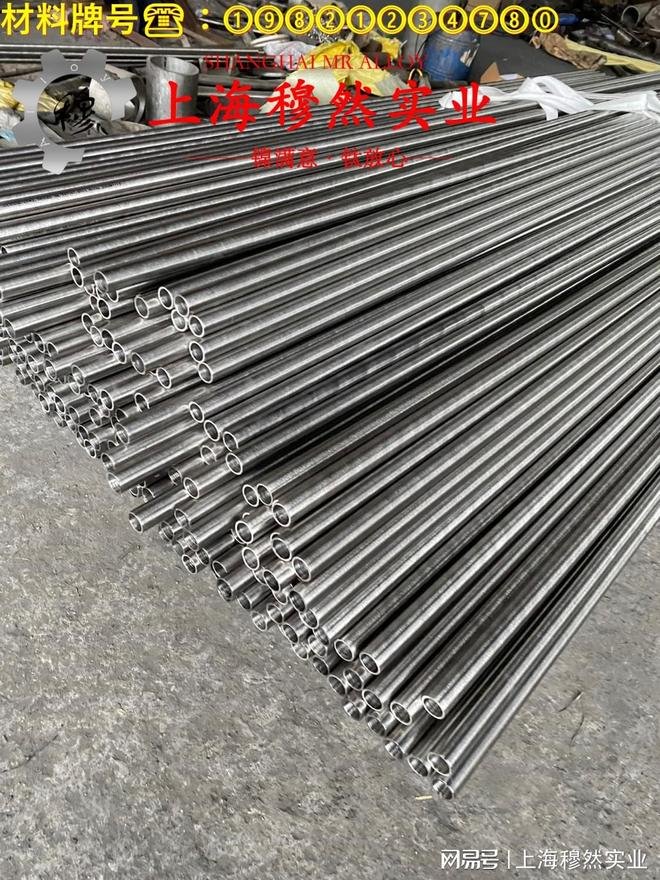
Mechanical Properties of TC4 Titanium Alloy Forgings
Mechanical Properties of TC4 Titanium Alloy Forgings, Materials, TC, Mechanical Properties, Titanium Alloy Forgings
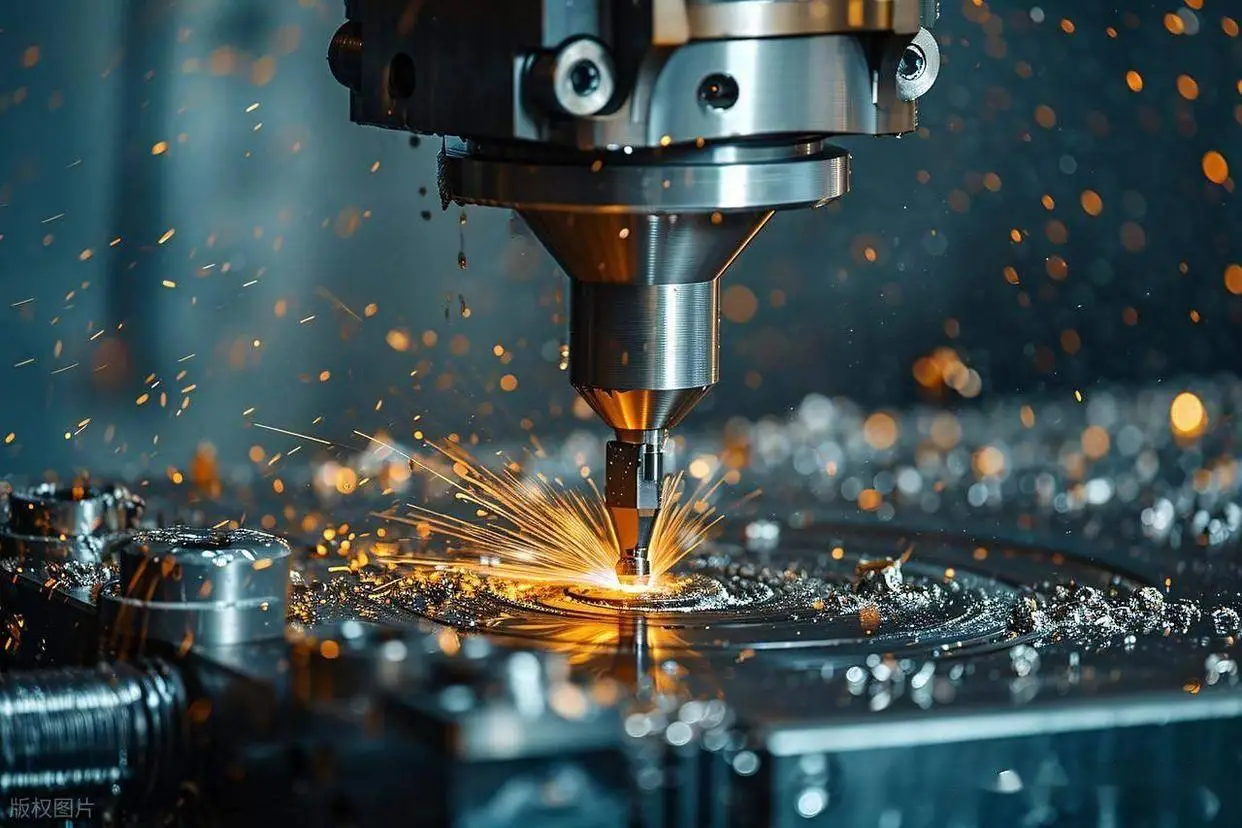
What is CNC? Stop saying it’s just a computer controlling a machine tool—read this and you’ll understand!
If I were to tell you that the mobile phone you’re holding right now, with its exquisite metal frame; the engine parts in your car, which are precise down to the micrometre; and even some of the stylish furniture in your home—all owe their existence to “CNC” technology—wouldn’t you think
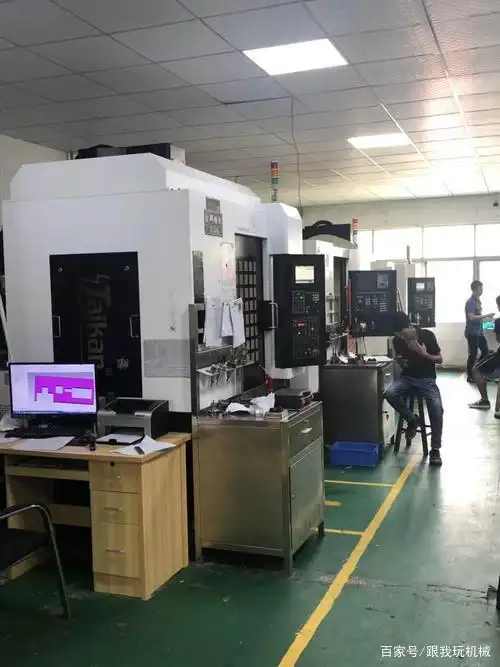
Machining Processes: Differences between Turning-Milling Combination Machining and Other Methods, and CNC Programming Techniques
We generally classify manufacturing processes into two types: material removal and material addition. Most of the processes we use involve material removal, although material addition is also practised; this is generally referred to as forming. For example, injection moulding is a form of material addition; however, our focus here is on material removal.
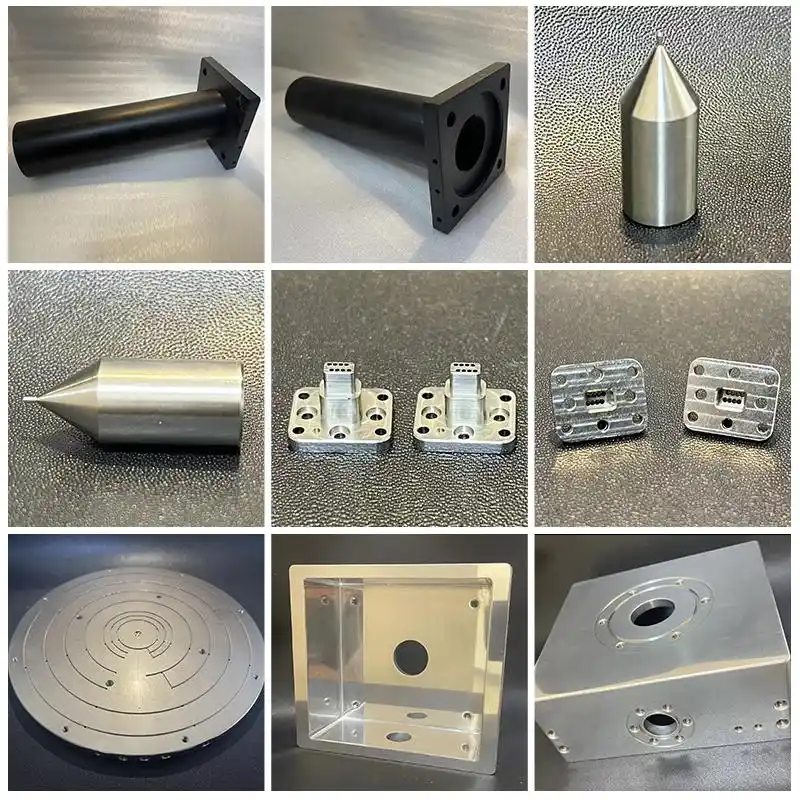
Which factories specialising in the machining of components for popular mill-turn combination products are available on the market?
In the field of precision machining, combined turning and milling technology has become a powerful tool for reducing costs and improving efficiency. However, faced with the multitude of manufacturers on the market, companies often find themselves struggling to make a choice: some manufacturers offer a scattered range of services, requiring frequent coordination with suppliers; others, whilst offering low quotes, deliver inconsistent quality.
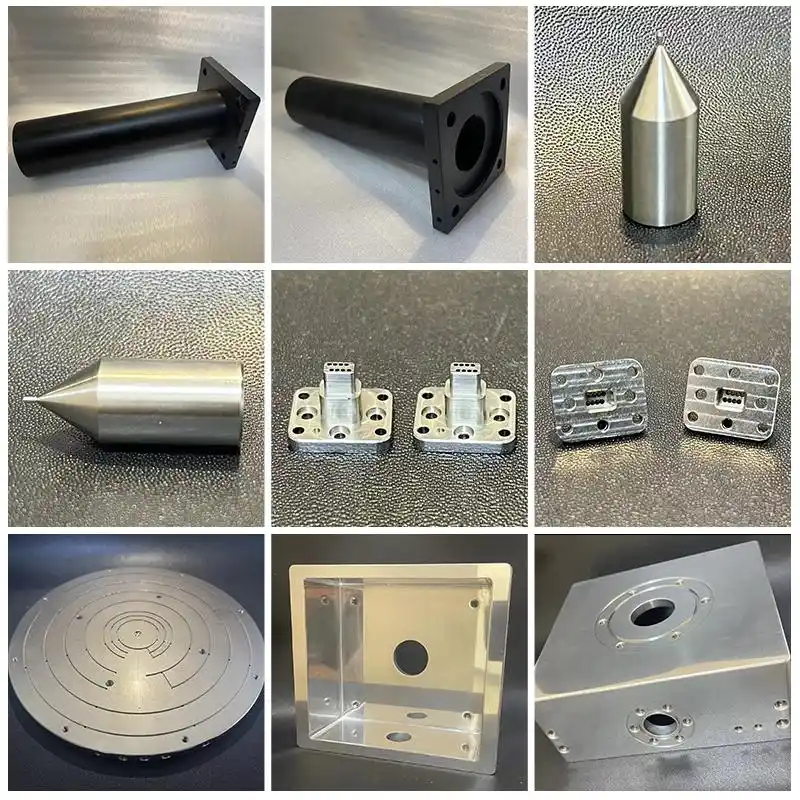
Which reputable manufacturers of turning and milling composite components operate within the industry?
I was recently chatting to a friend who works in the medical device industry, and he complained: “Every time we develop a new product, finding suppliers to machine the parts is like looking for a needle in a haystack. Having to source suppliers for various processes individually—just dealing with the drawings, negotiating prices and monitoring delivery times is a nightmare in itself—and when you do the maths in the end…’
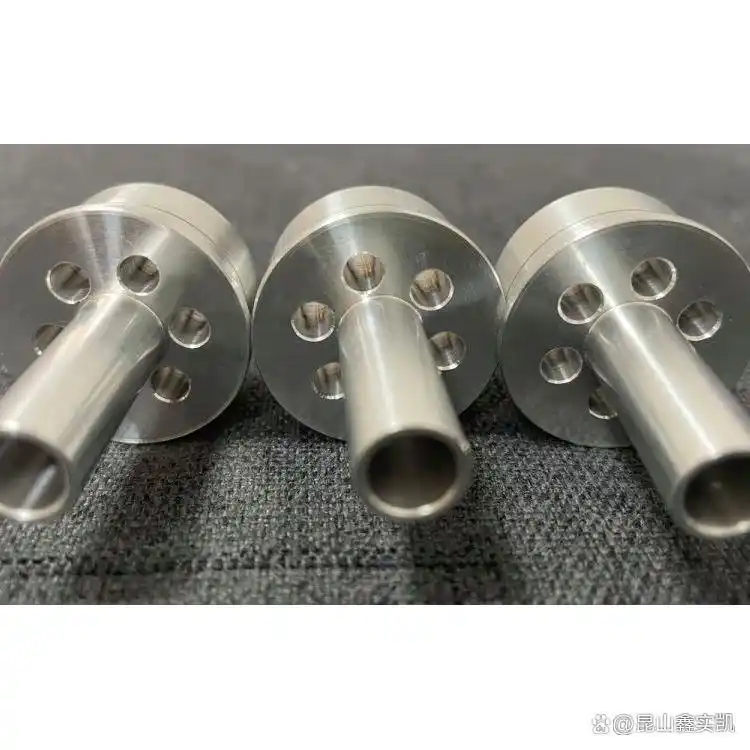
Unravelling Nylon Turning and Milling Composite Machining in Heilongjiang: A Comprehensive Analysis of Processes, Advantages and Applications
In the field of machining, composite turning and milling of nylon in Heilongjiang is a technology that has attracted considerable attention. It combines the two machining methods of turning and milling, opening up new possibilities for the machining of nylon materials. So, what exactly are the characteristics and advantages of this technology? Next,
 Chinese
  Japanese
  English
  German
  Finnish