
arrange in order

What are the requirements for applying for a CNC programming role?
The requirements for CNC programming roles typically include: 1. Mastery of specialist knowledge; 2. Practical experience; 3. Software skills; and 4. Industry knowledge. Mastery of specialist knowledge forms the foundation; candidates must understand the operating principles of CNC machine tools and have a thorough grasp of machining processes.
 36 days ago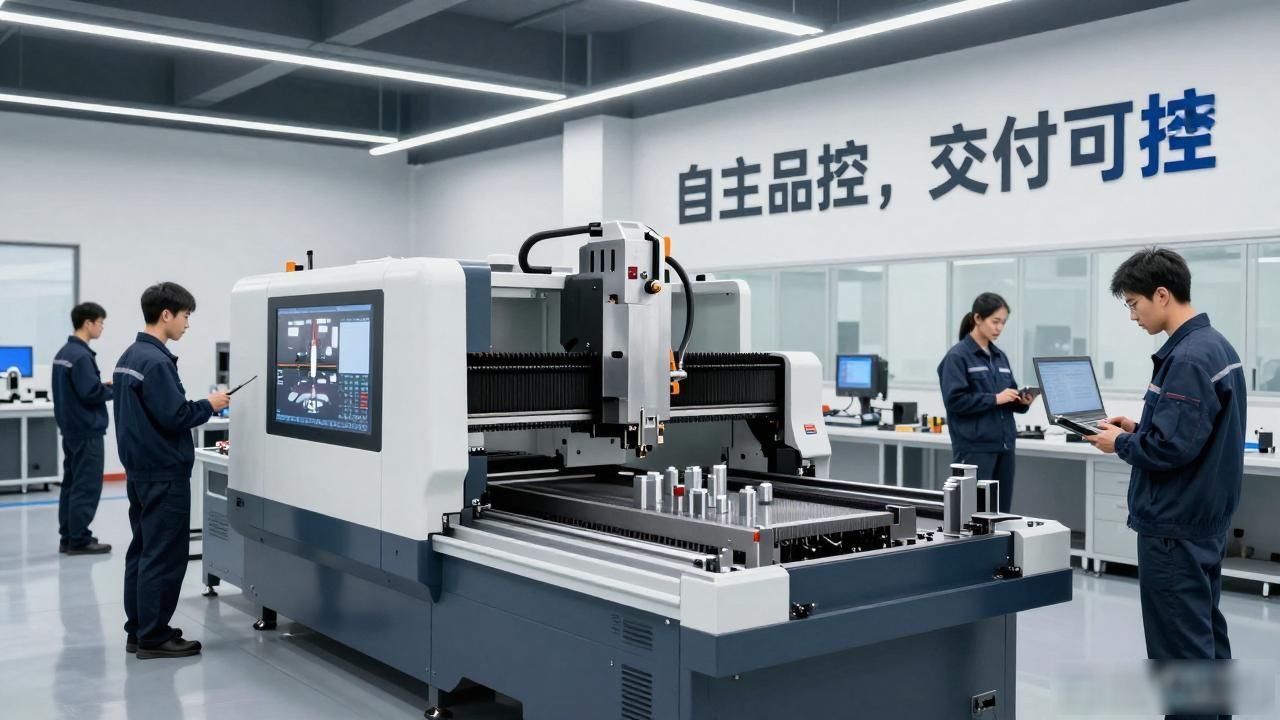
2026 Manufacturing Industry Survey | Analysis of Key Selection Criteria for Customised CNC Non-Standard Fixtures
The CNC precision machining industry is currently undergoing a gradual transition towards higher precision, mass production and intelligent manufacturing, whilst the shortcomings of general-purpose standard fixtures—such as their limited adaptability, restricted precision and relatively low efficiency—are becoming increasingly apparent.
37 days ago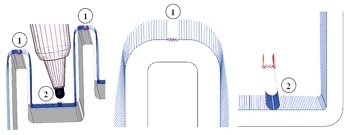
Some Programming Tips for Ensuring Precision in CNC Machining
A key feature of 5-axis machining is the use of short cutting tools during the machining process, which significantly reduces the bending forces acting on the tool, improves surface finish, prevents rework and substantially reduces the need for electrodes.
37 days ago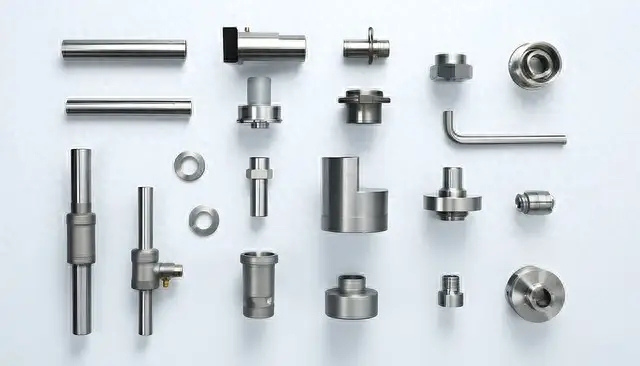
Anhui HuiJiuXing Hardware Products Co., Ltd: non-standard processing custom how to solve the pain points of manufacturing industry
This means that non-standard machining service providers must not be content with their current capabilities, but must maintain a commitment to continuous learning and process development. When communicating with clients, are they able to point out that a particular sharp corner in the drawing is not conducive to stress relief and suggest rounding it off? Are they able to, based on the subsequent heat treatment process,
37 days ago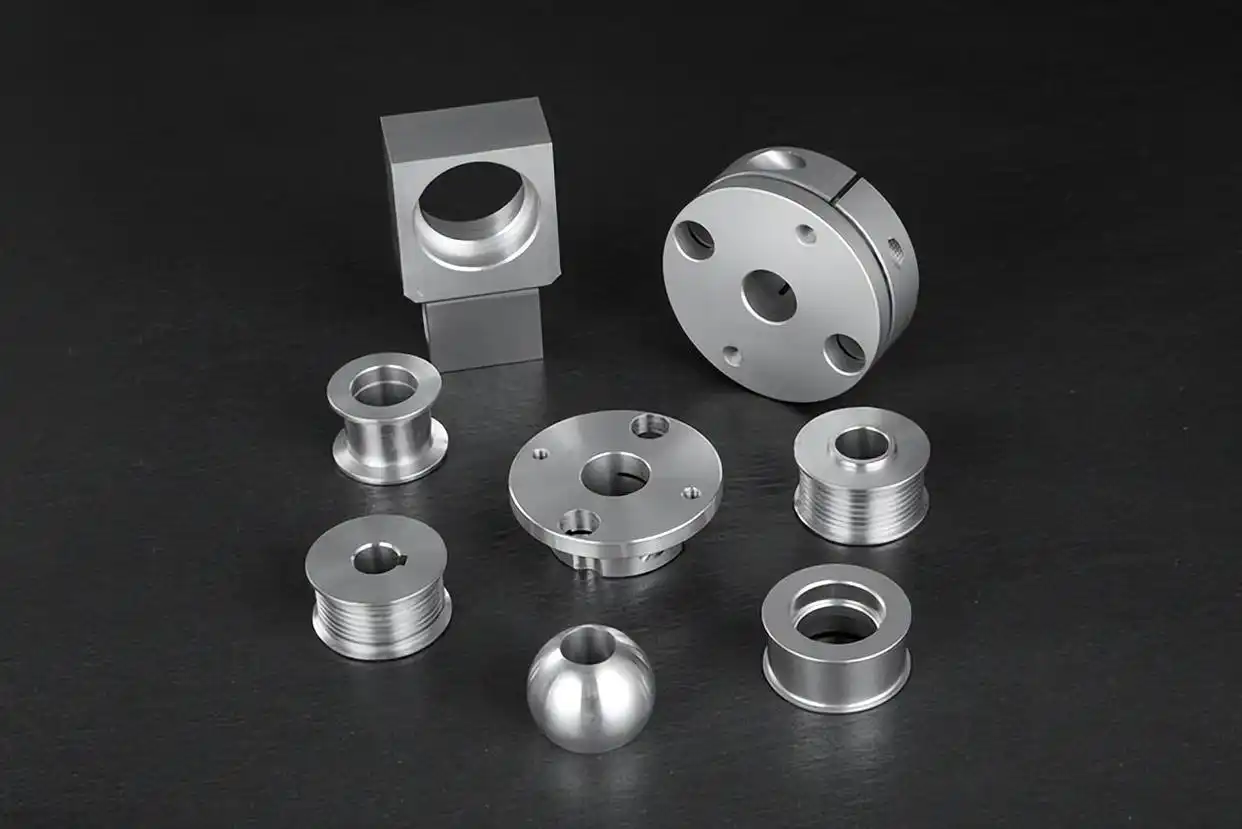
“The Art of ”Non-Standard Customisation’: When Standardised Manufacturing Embraces Unlimited Individuality
In the lexicon of manufacturing, “standardisation” and “mass production” were once the most dazzling jewels in the crown of efficiency. However, a seemingly contradictory yet increasingly powerful demand—“non-standard customisation”—is reshaping the logic of manufacturing, from cutting-edge equipment to everyday consumer goods.
37 days ago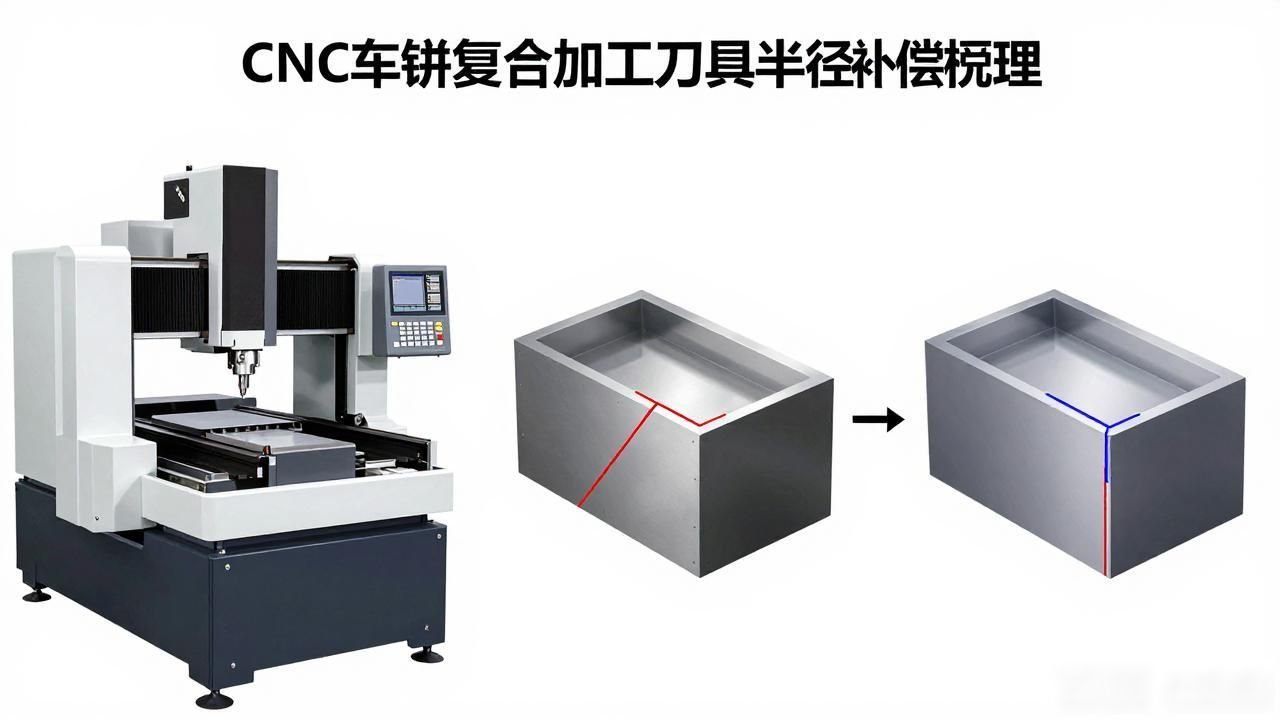
An Introduction to the Basics of CNC Turning and Milling Combination Machining
Dongguan Zhengsen Precision Parts Co., Ltd. specialises in: precision parts machining, precision CNC machining, 4-axis CNC machining, CNC turning and milling, metal parts machining, machining on imported CNC lathes, and CNC turning. It is a professional CNC machining company based in Dongguan.
38 days ago
How to choose the right CNC machining process for parts?
Selecting the appropriate machining process for CNC parts is a complex process involving multiple factors, including the design requirements of the part, material properties, machining accuracy, production efficiency and cost control. The following outlines a systematic method for analysis and selection.
38 days ago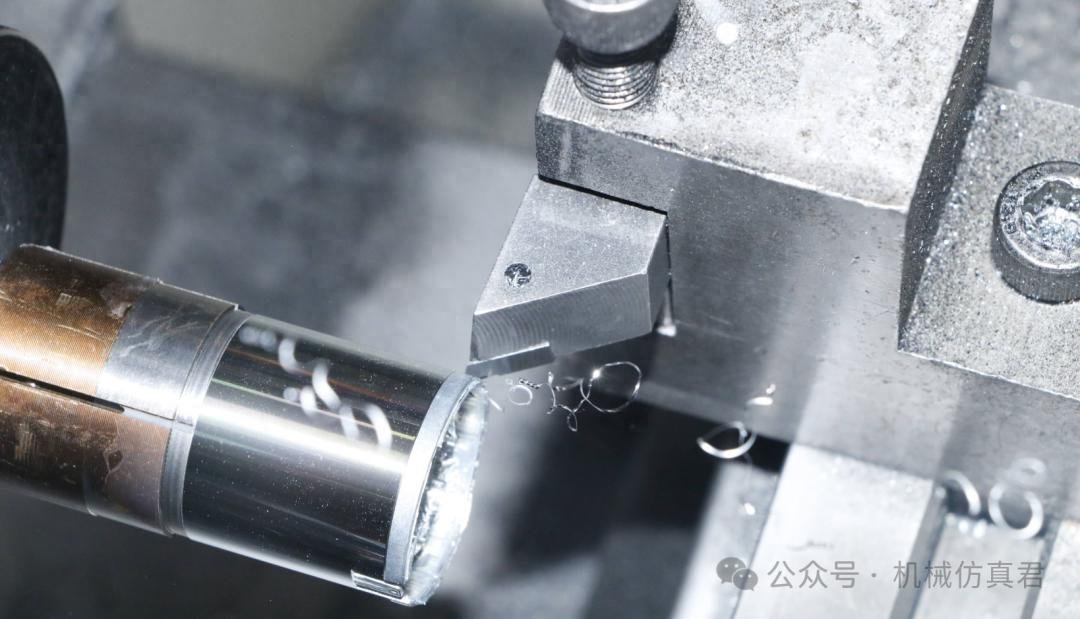
Common machining processes for mechanical components
Machining processes are a core component of modern manufacturing; they refer to machining methods that involve the use of mechanical equipment to cut, shape and finish metals or other engineering materials, in order to produce parts with dimensions, shapes and surface qualities that meet design requirements.
38 days ago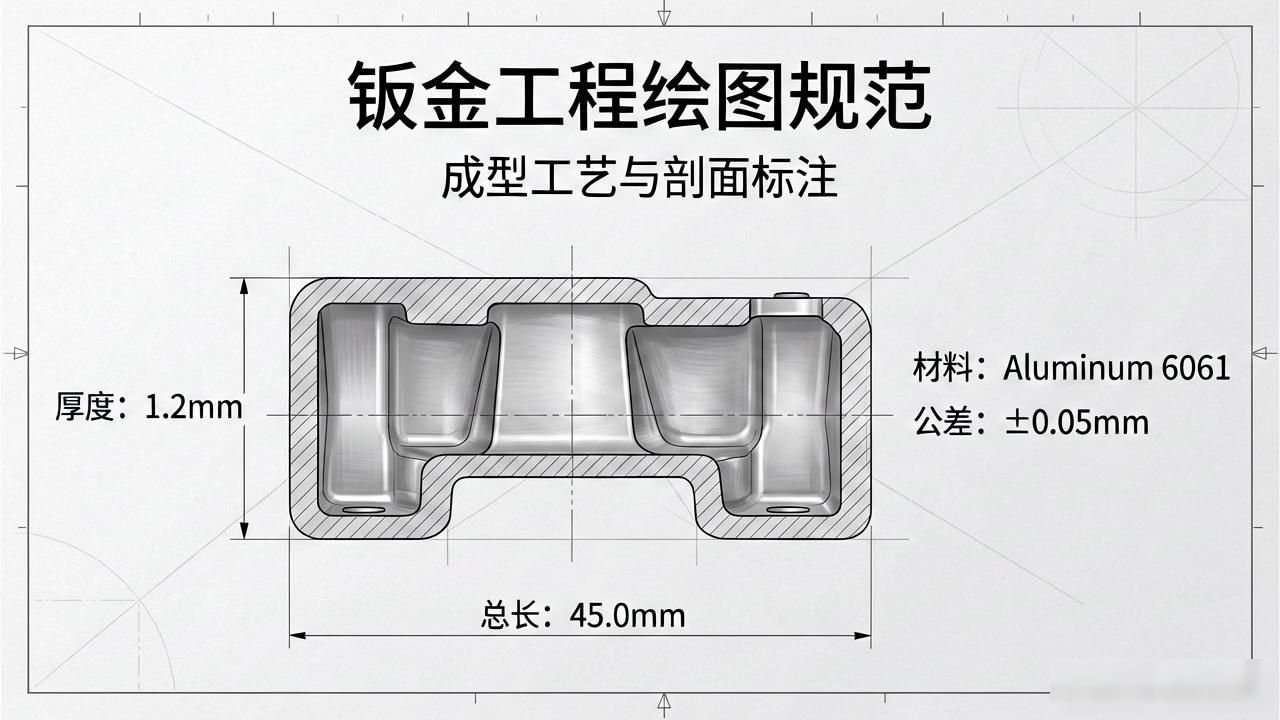
Detailed Specifications for the Preparation of Sheet Metal Engineering Drawings
Detailed Explanation of Control Requirements for Sheet Metal Engineering Drawings 1 Ensure that the drawings fully reflect the product’s structure, including views from all angles, detail views and sectional views. 2 Clearly annotate key processing information for the product, such as the name, customer drawing number, revision, material and material thickness.
39 days ago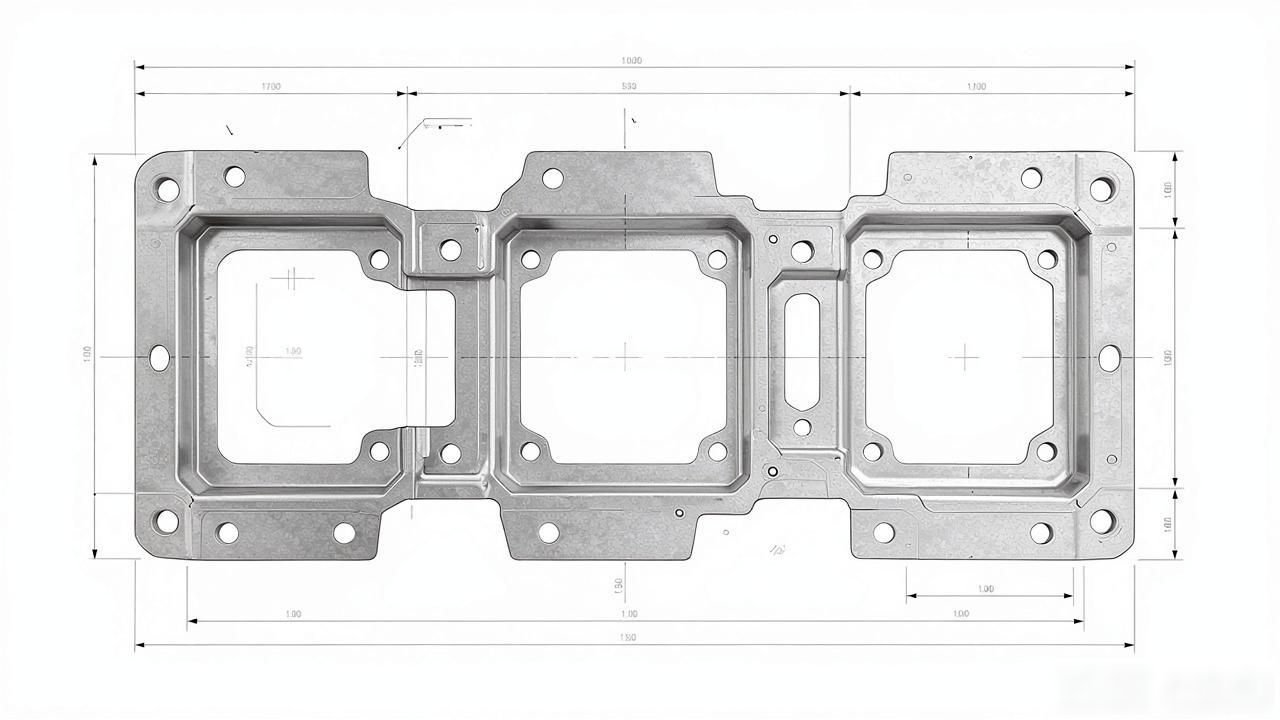
Specifications for the Preparation of Sheet Metal Engineering Drawings
The specifications for sheet metal engineering drawings cover product structure, processing information, special structures, hardware components and technical requirements. Drawing requirements include internal bores, burr direction and the dimensioning of hardware components. The reference drawings for hardware components and formed parts specify the dimensioning methods for various components and the requirements for sectional views.
39 days ago Chinese
  Japanese
  English
  German
  Finnish