
machining Page 13
arrange in order

Various CNC programming software introduction and function overview
With the continuous progress of science and technology, CNC machining on the complexity of parts, precision and process and other aspects of the more stringent requirements, relying solely on manual programming has been difficult to meet these needs. Because of this, CAM (computer-aided manufacturing) software was born and gradually popularised.
 1 month ago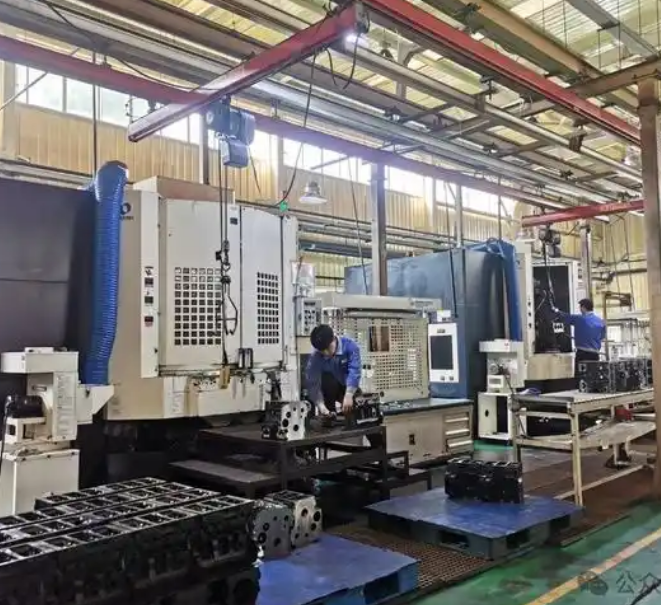
Five Key Metrics to Consider When Purchasing CNC Machine Tools and Brand Comparison
Machine Tool Selection – A Cornerstone Investment in Enterprise Production Capacity With an average service life of 15 to 20 years, the procurement decision for a CNC machine tool often shapes an enterprise's manufacturing capabilities for the next decade. The global CNC machine tool market is projected to reach US$100 billion by 2024. Faced with hundreds of brands...
3 months ago
Advancing Towards Industry 4.0 – The Current State of Intelligent and Automated Applications in Machining Workshops
The Fourth Industrial Revolution in Workshop Practice As “Industry 4.0” transitions from concept to reality, machining workshops are undergoing the most profound transformation since the advent of CNC technology. This revolution represents not merely a technological upgrade, but a fundamental restructuring of production philosophies, organisational methodologies, and value creation models. Rooted...
3 months ago
Classification and Processing Requirements for Automotive Components
Powertrain Components Engine Assemblies: Cylinder Block/Head: Primarily cast iron or aluminium alloy materials, requiring high dimensional stability and precision sealing surfaces. Crankshaft/Camshaft: High fatigue strength materials necessitating strict control of roundness, coaxiality and surface hardness. Connecting Rod: Demands exceptional symmetry and weight distribution...
3 months ago
How to Ensure Machining Accuracy? Understanding Tolerances, Surface Roughness and Quality Control Processes
Precision—The Lifeblood of Modern Manufacturing In an increasingly competitive manufacturing landscape, machining precision has transcended mere technical specifications to become a direct reflection of a company's core competitiveness. From micron-level surgical instruments to nanometre-scale semiconductor components, precision determines product performance, longevity, and reliability...
3 months ago
Aluminium Alloy vs Stainless Steel – Characteristics and Challenges of Different Metallic Materials in Precision Machining
How Material Selection Determines Machining Success In the field of precision machining, material selection is not merely a cost consideration but a core factor determining part performance, machining efficiency, and final quality. Aluminium alloys and stainless steel, as two of the most commonly used metallic materials, each possess unique physical properties...
3 months ago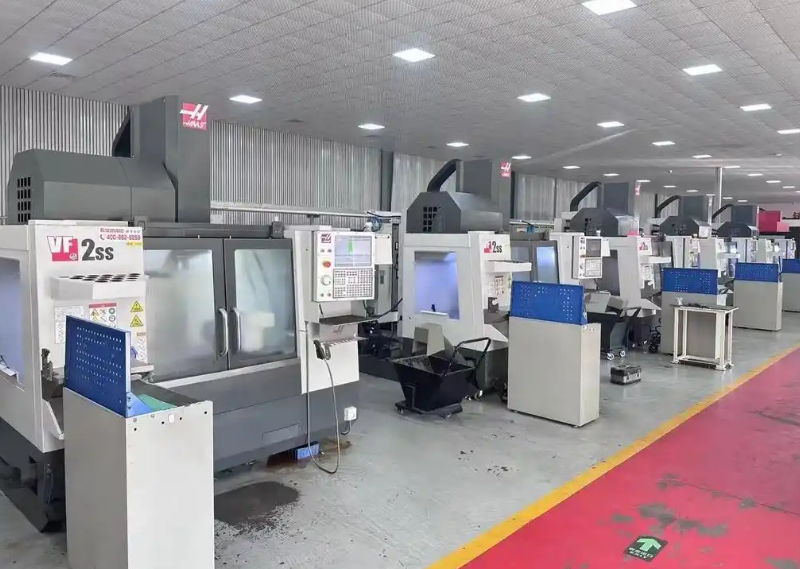
How are machining quotes calculated? Top 10 Factors Affecting the Price of Parts Machining
When you receive a machining quote, have you ever been confused: how is this price arrived at? Why can the price of two parts that look similar be several times different? Transparent, reasonable offer is the basis of trust and cooperation. This article will completely open the machining quote “black box”,...
3 months ago
From turning, milling, drilling to grinding - a comprehensive explanation of the common machining processes in machining.
The world of machining is a symphony of skills using different “weapons” to shape materials with precision. The terms turning, milling, drilling and grinding may be unfamiliar to the untrained eye, but they are the fundamental processes that have built modern industrial civilisation. This article serves as your panoramic guide to...
3 months ago
Machining solutions and cost analyses for prototyping small-lot, multi-variety products
In the era of rapid product innovation, “fast” and “accurate” are the core demands of prototyping. When your needs are for small quantities (from a few to hundreds of pieces) and large varieties (multiple design versions or different parts), the traditional scale production model is no longer applicable. How do you find a way to guarantee quality...
3 months ago
The essential difference between 3D printing and traditional machining and how to choose?
At the crossroads of today's product development and manufacturing, designers and engineers are often faced with a critical decision: should they use 3D printing or traditional machining (CNC)? Both are powerful technologies for turning digital models into solid parts, but their philosophies, processes and areas of application are very different...
3 months ago Chinese
  Japanese
  English
  German
  Finnish