Welcome to Dalian Fu Hong Machinery Co.
Providing high standard services to Chinese manufacturing industry from single product to batch processing
About Fuhong
Dalian Fuhong Machinery Co., Ltd. is located in ...
Fuhong Products
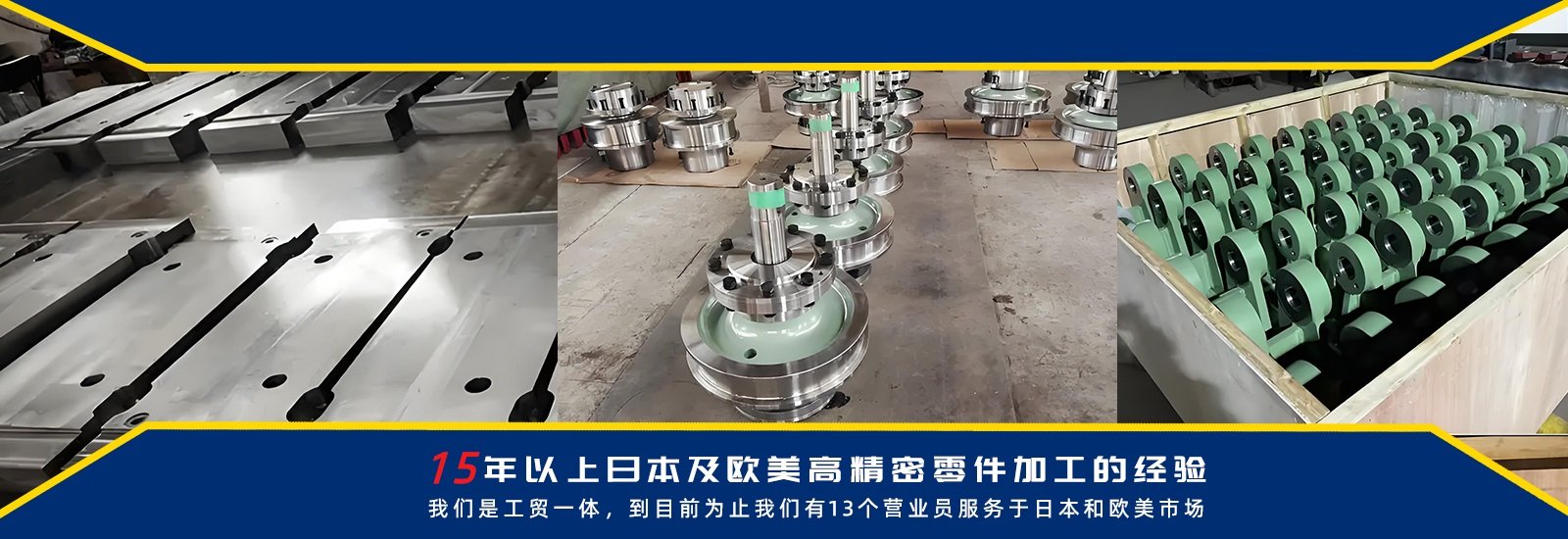
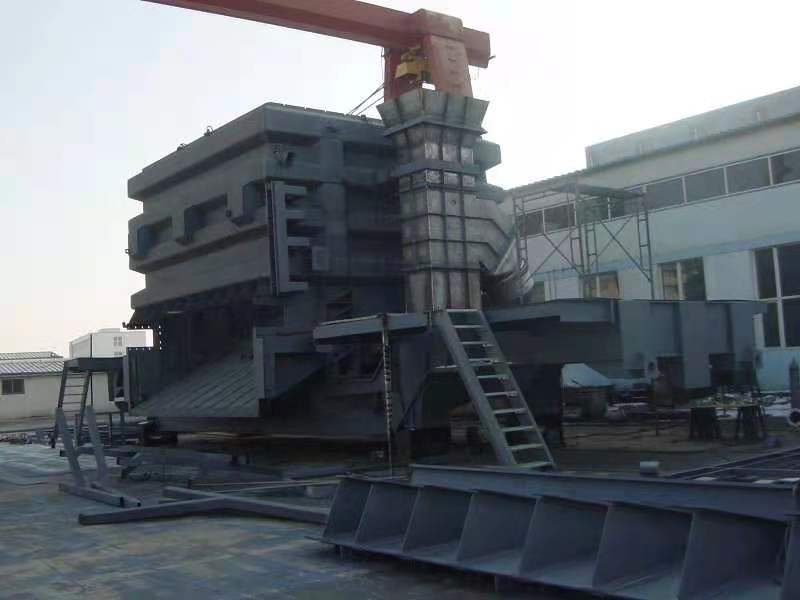
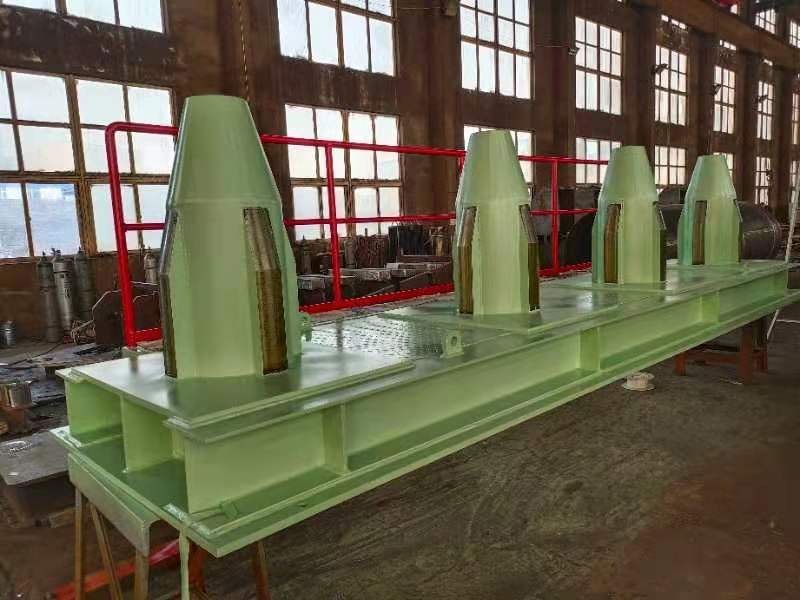
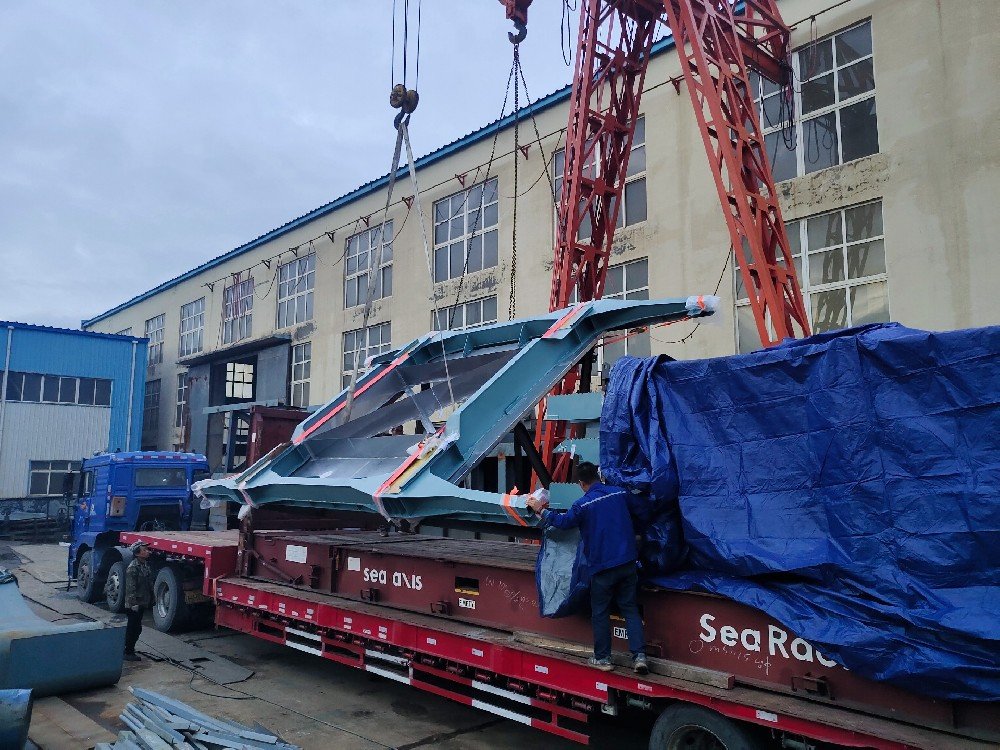
From single product to batch processing...
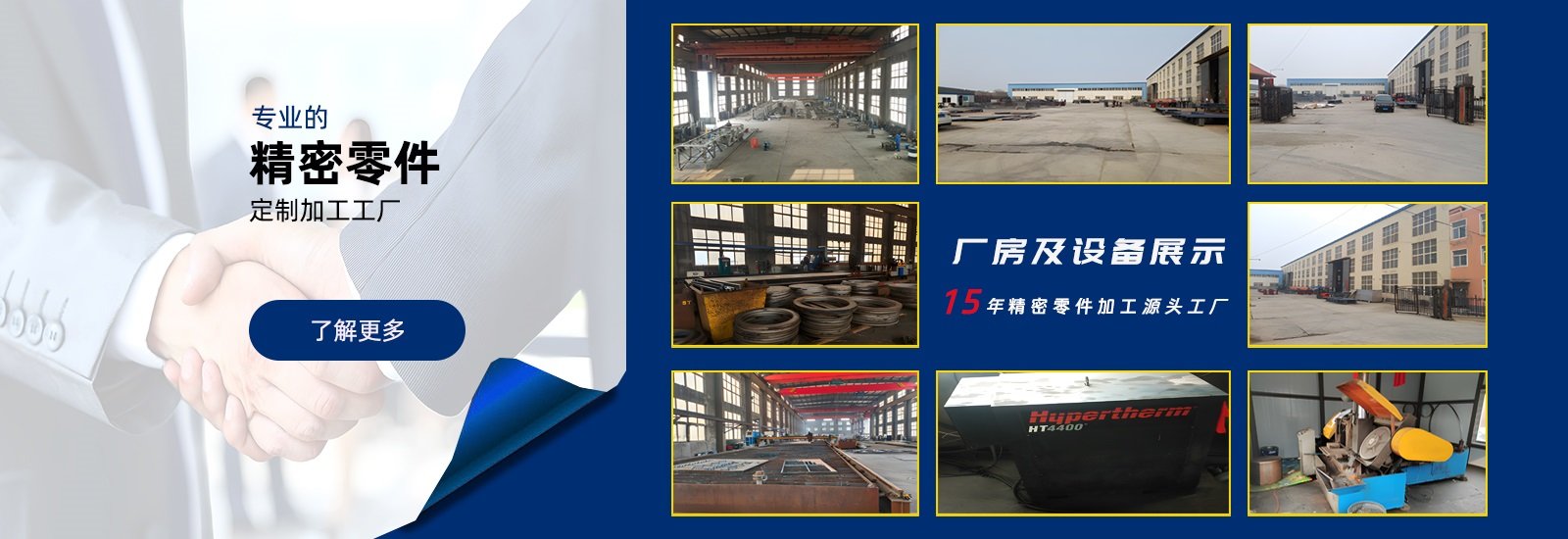
Equipment Showcase
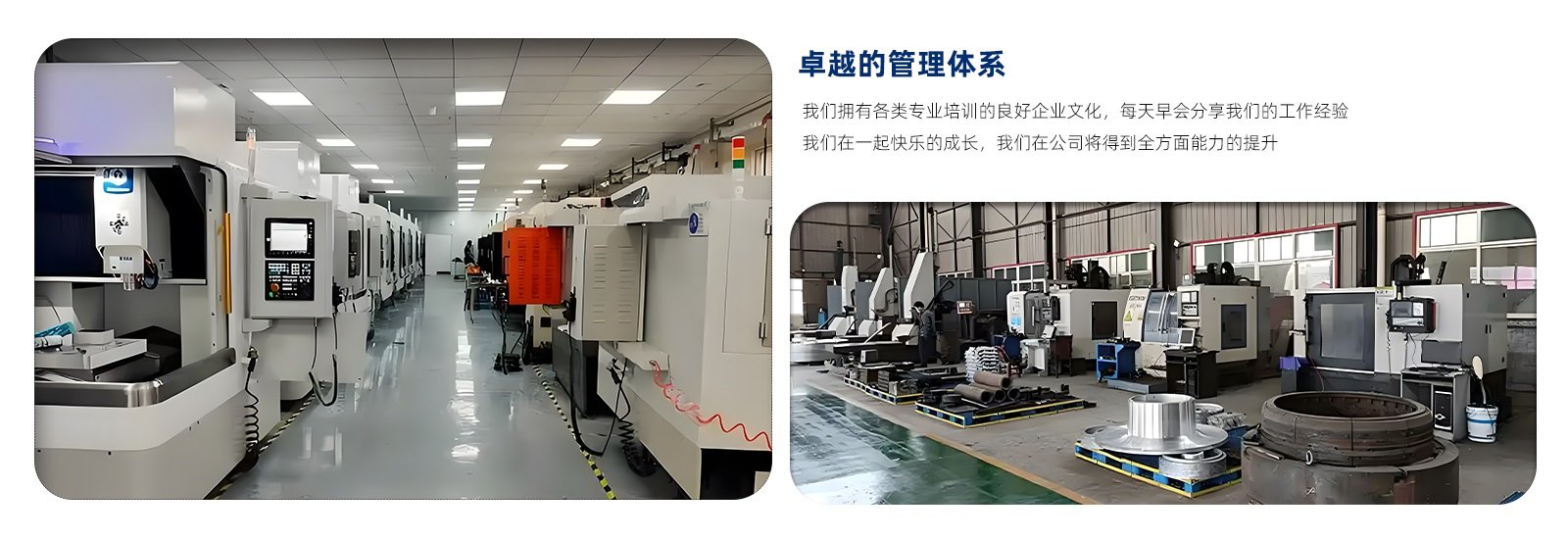
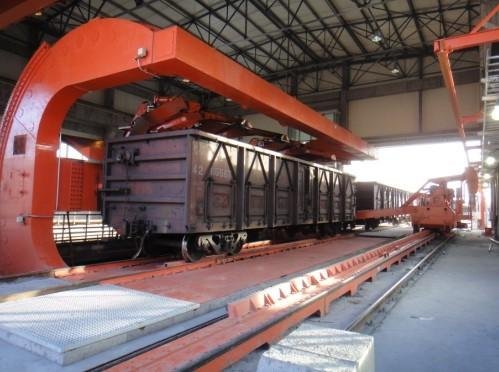
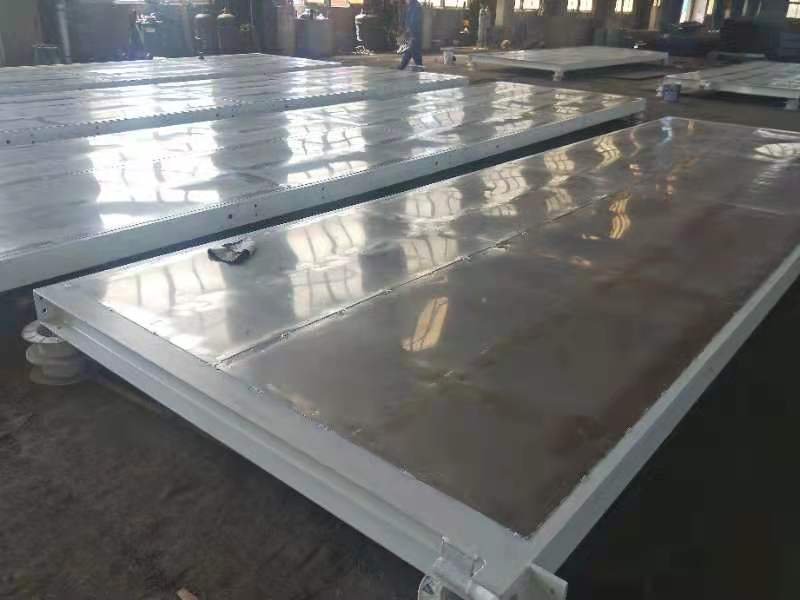
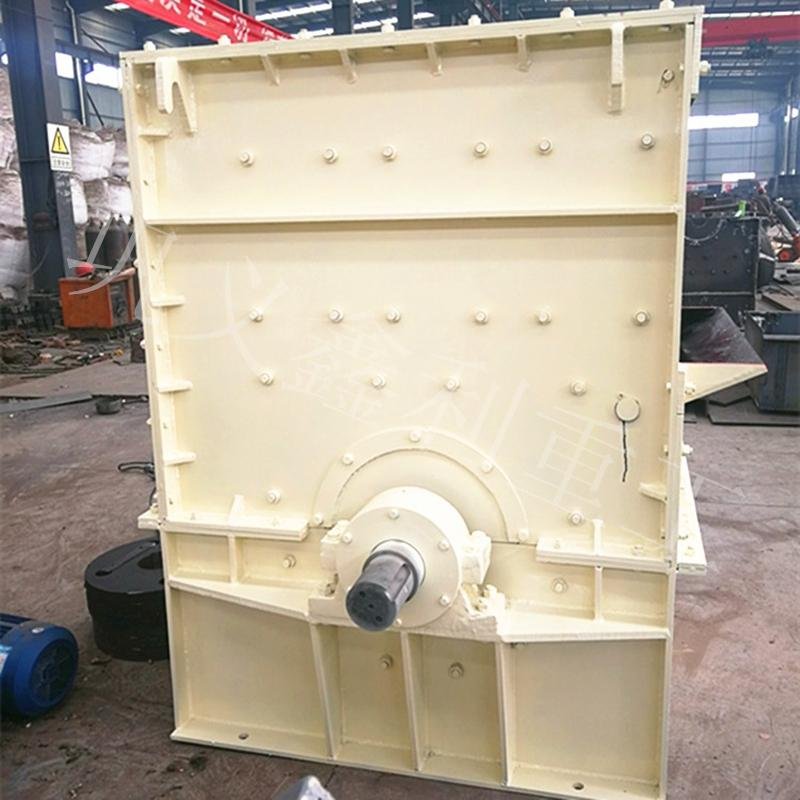
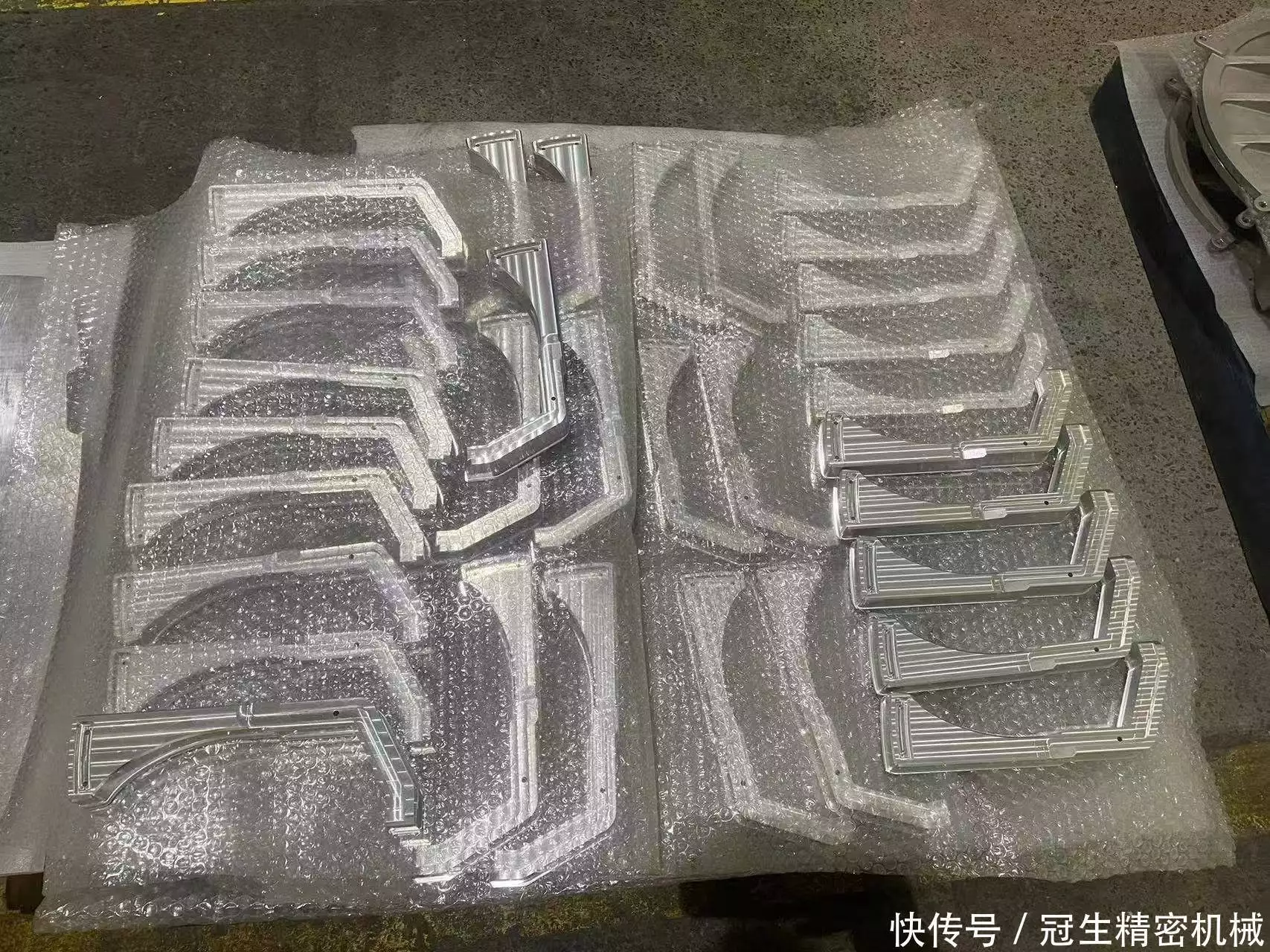
Machining, sheet metal, casting, heat treatment...
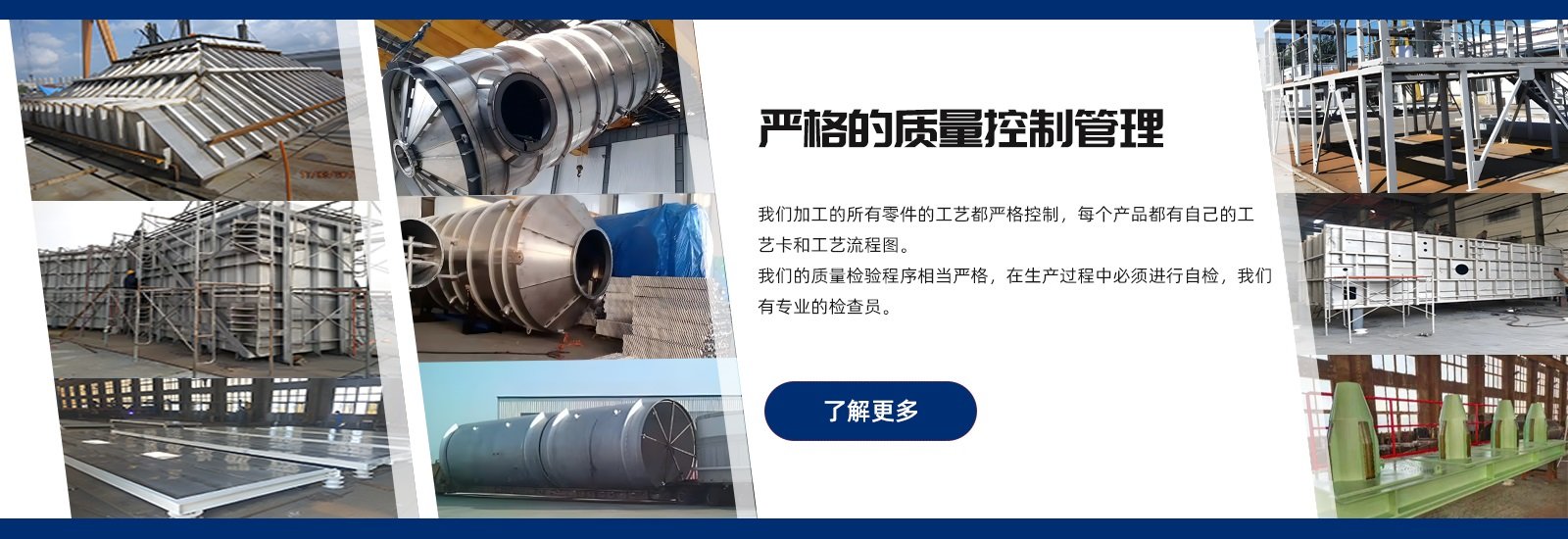
quality management
Quality and integrity

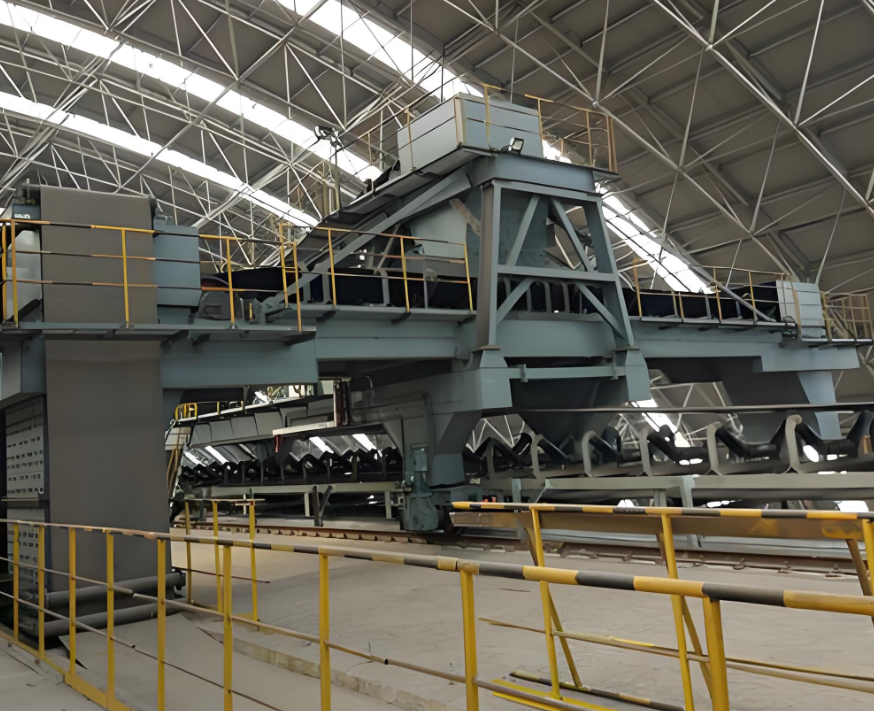
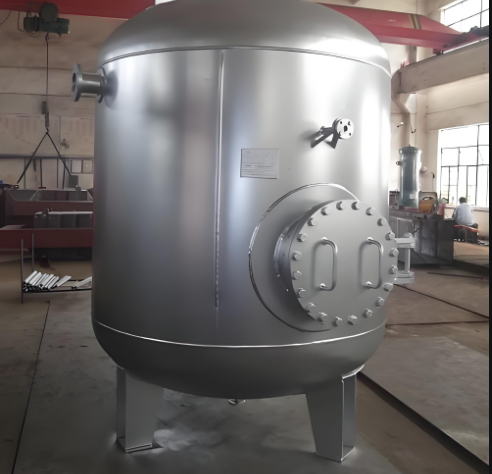
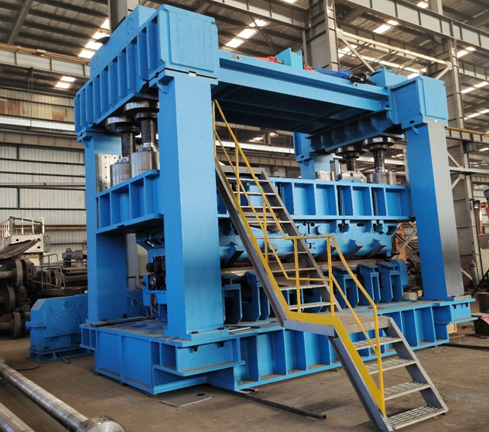
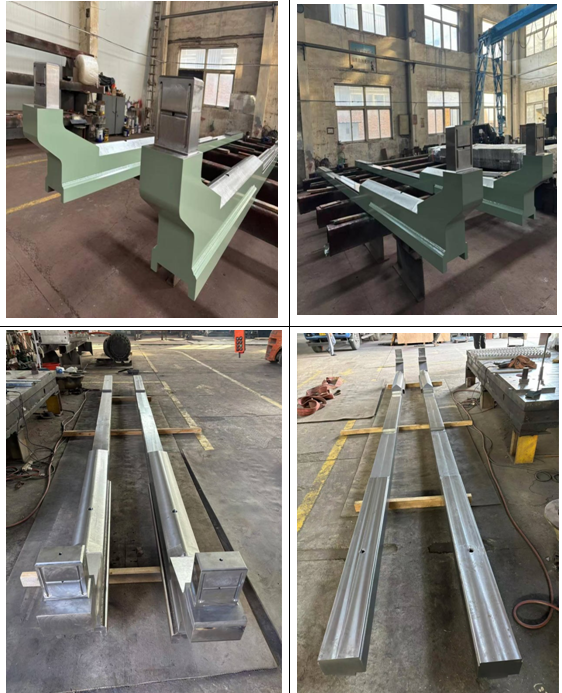
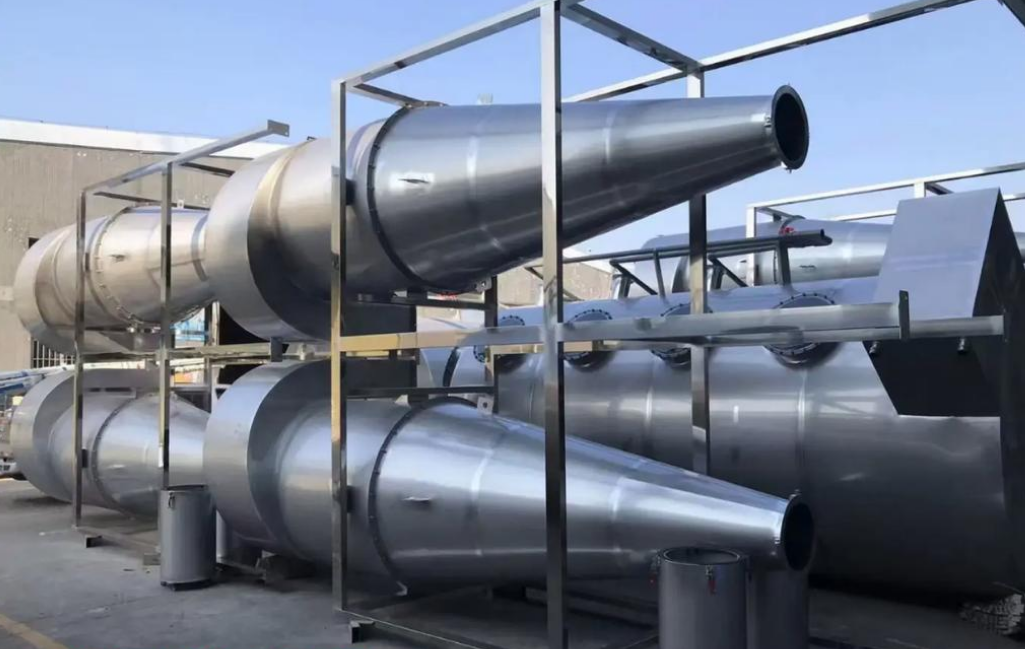
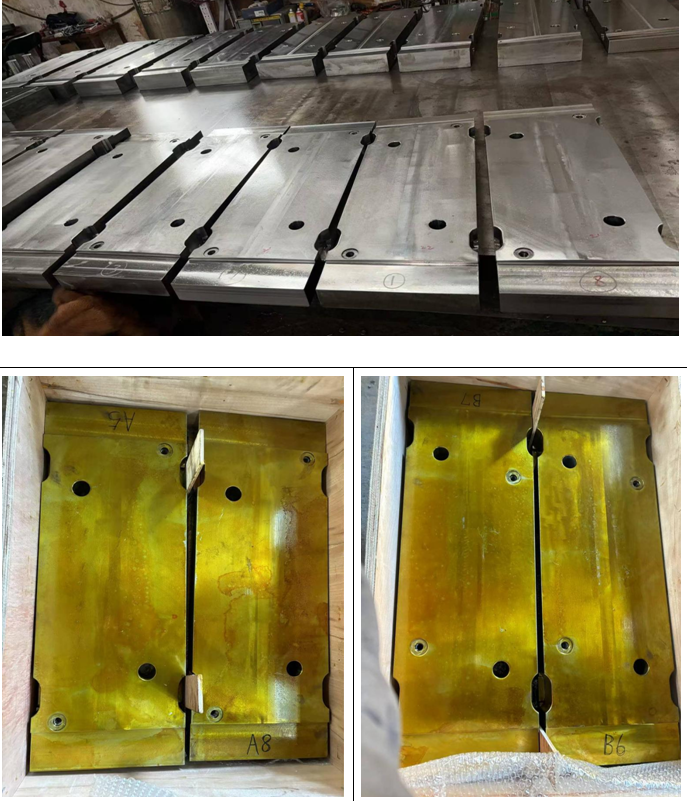
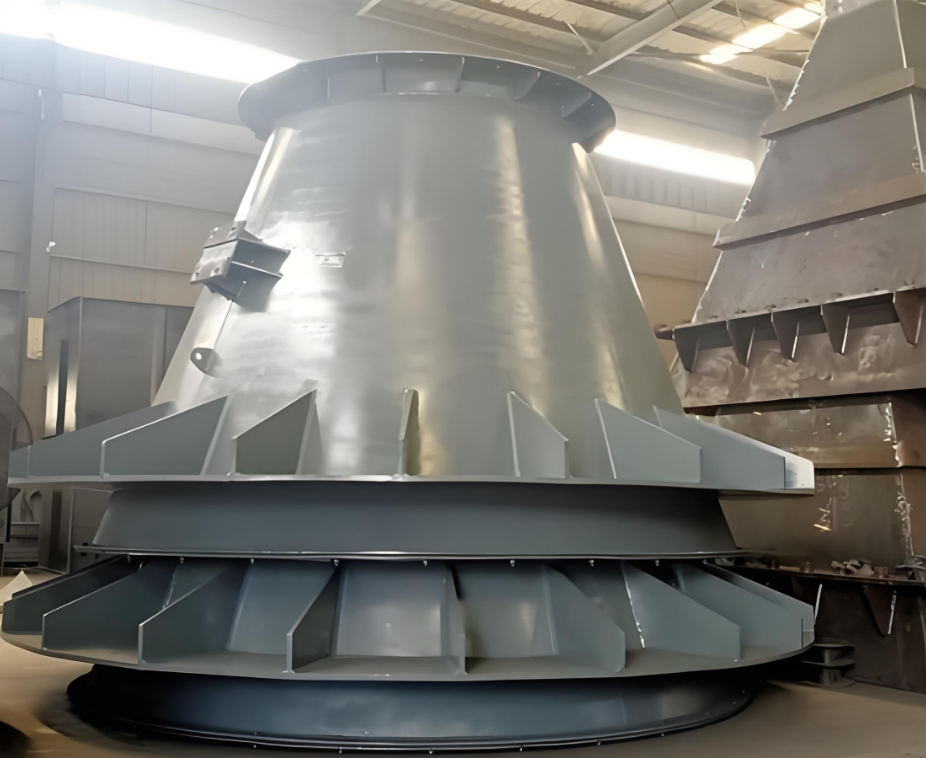
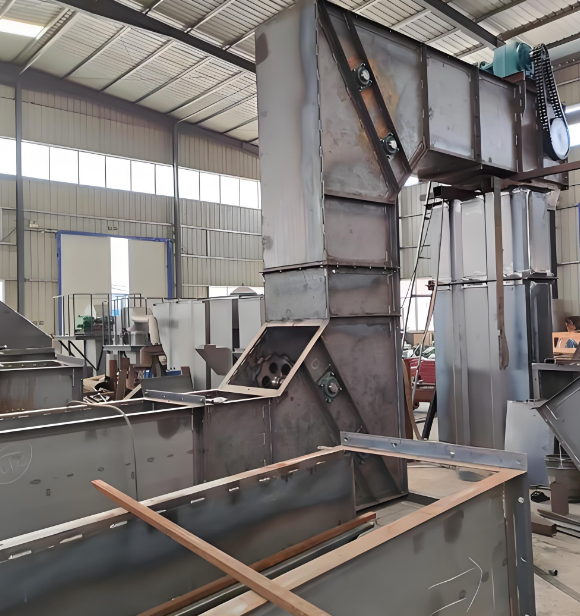

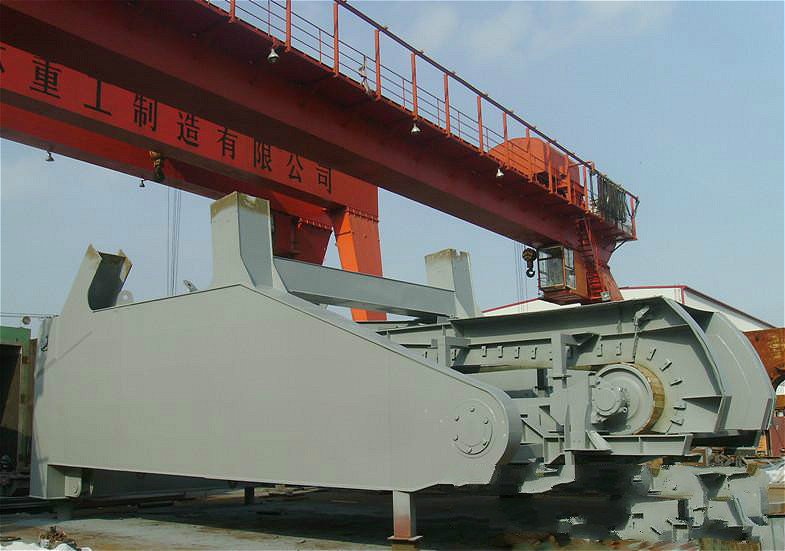
Fu Hong Machinery is located in Yingchengzi Industrial Park, Ganjingzi District, Dalian City, the business philosophy: to establish the basis of good faith, high quality business, service reputation, innovation based! To "thrifty entrepreneurship, honesty, humility, unity and harmony" as the business elements, follow the "quality of survival, reputation and development" as the business philosophy, "integrity, service, communication, progress, pioneering and innovation! "In the process of continuous development, we meet new opportunities and challenges with a new spirit, and return customers with high quality products and perfect service. In recent years, Dalian Fu Hong machinery and equipment and the world's various related units to carry out close exchanges and co-operation, the product innovation and replacement of a series of high-quality high-tech level of machinery and equipment as well as machining products!
.jpg)
高精密零件的材料选择与加工性能
 22 days ago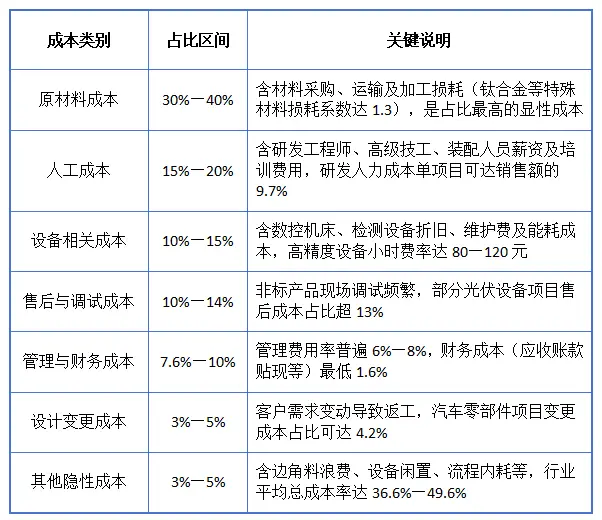
How to reduce the machining costs of non-standard automated components
1 month ago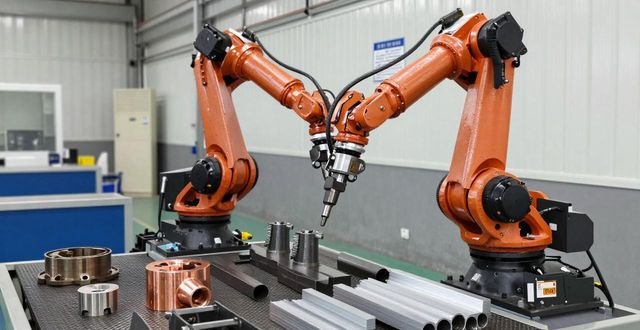
Robotic arm turning and milling composite machining, CNC machining, component machining
2 months ago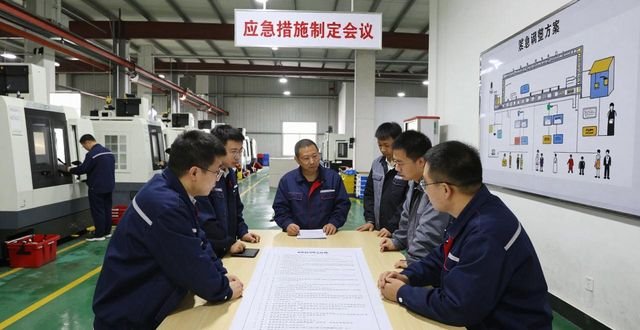
Emergency Procedures for the Machining Workshop
1 month ago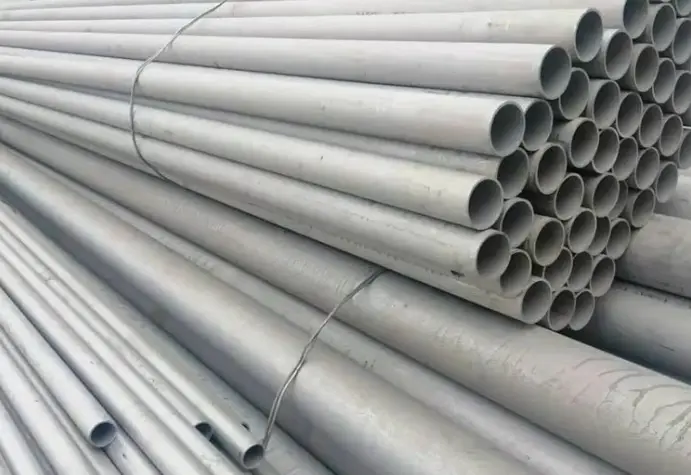
南京钣金加工:精细制造的关键环节与品质保障之道
25 days ago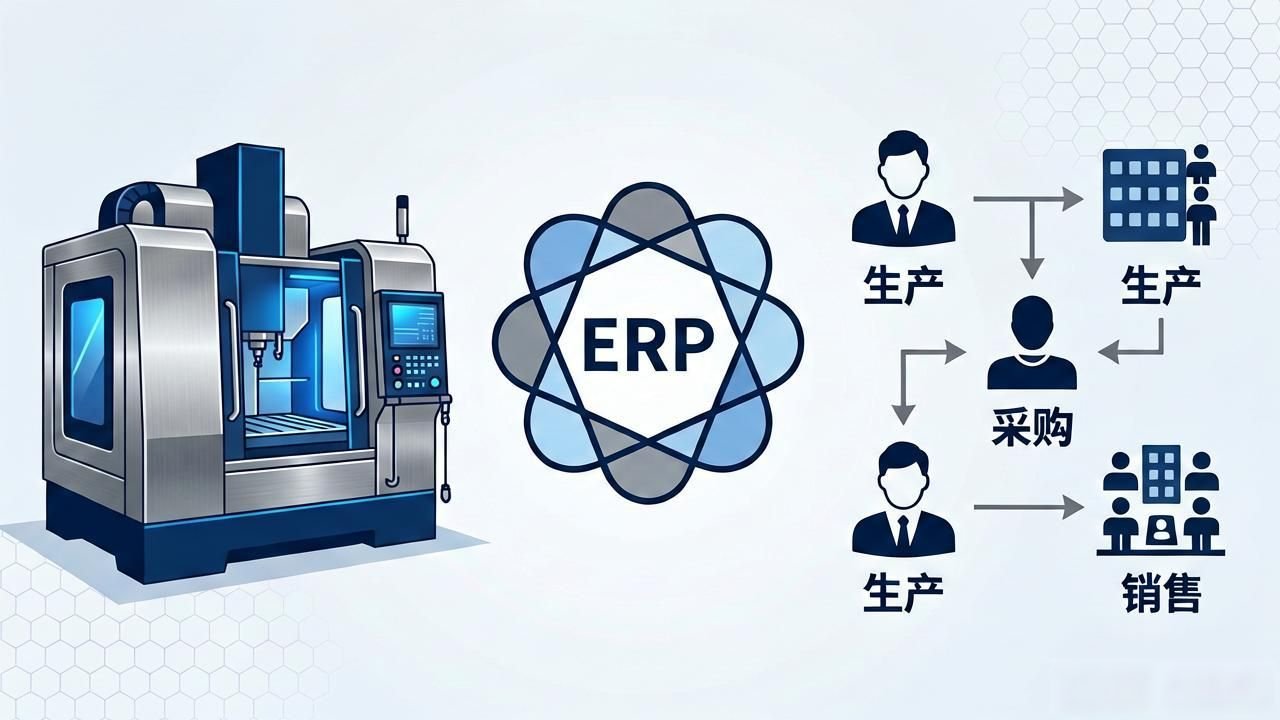
Introduction to ERP for the Sheet Metal Manufacturing Industry (ERP for the Sheet Metal Production and Processing Industry)
33 days ago
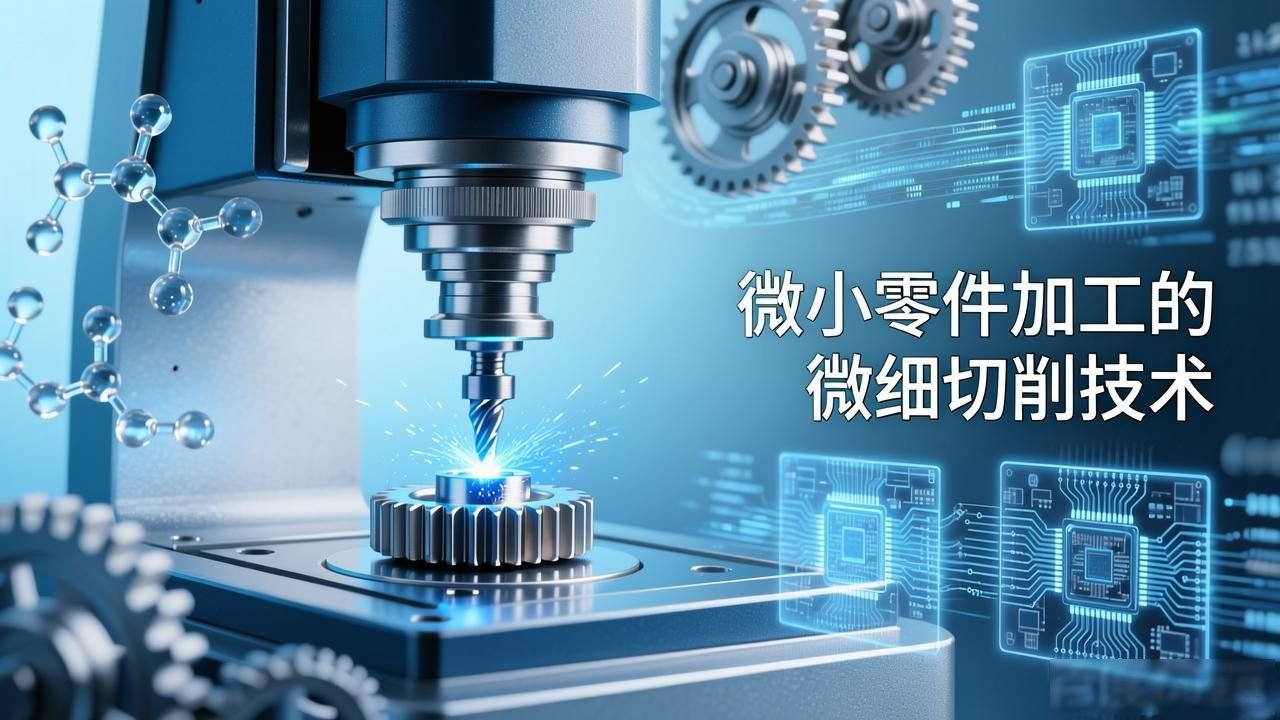
Micro-cutting techniques for the machining of small components
1 month ago
Breaking free from the constraints of mould-making, customised milling machines enable the personalised production of ceramic components
1 month ago
 Chinese
  Japanese
  English
  German
  Finnish