
arrange in order
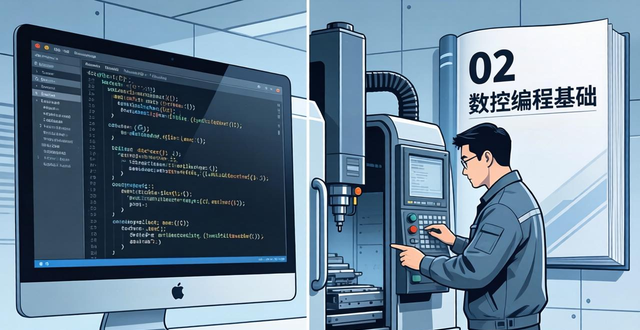
CNC Programming CNC Turning Machining Process
CNC Programming and CNC Turning Machining Processes AA
 4 months ago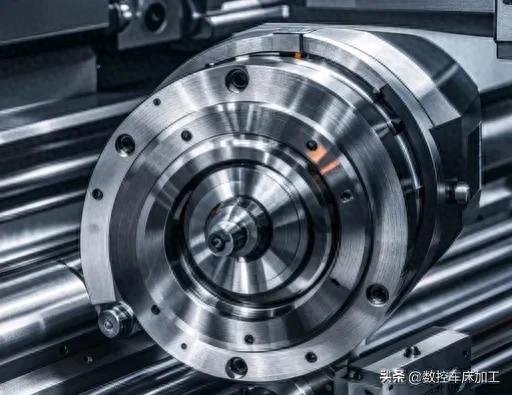
The format and differences between the thread cutting commands G76 and G32
G32 is a single command used for thread cutting in CNC programming. Command format: G32 X (U)__ Z (W)__ F__ ; where: - X (U), Z (W): the coordinate values of the thread cutting end point. -
1 month ago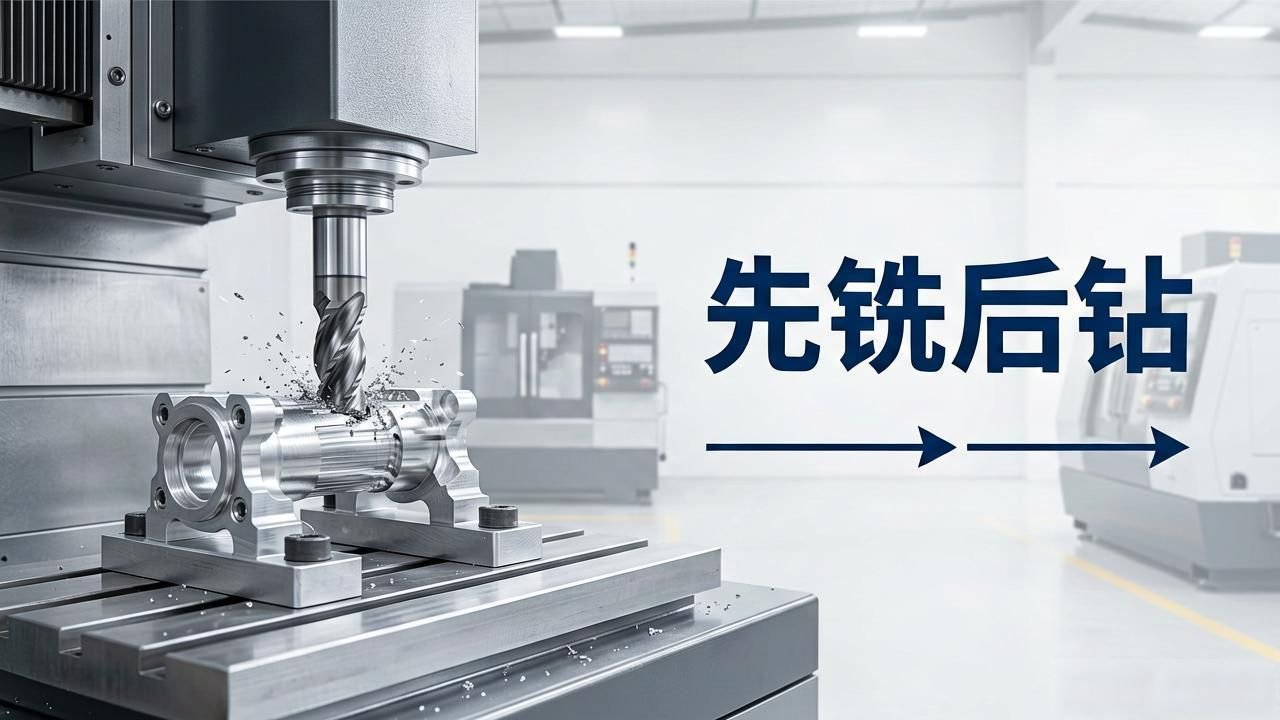
How much do you know about CNC machining?
Today, our editor will guide you through the ins and outs of CNC machining—please read on! To establish the role of CNC machining and draw up a CNC machining plan:
30 days ago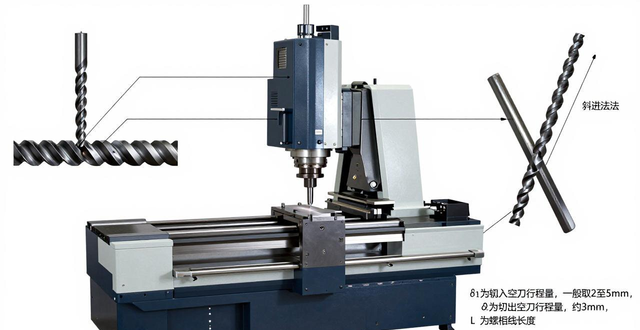
11 CNC Programming - Unit 11 - CNC Turning Threading Programming.ppt
First, in order to ensure that the thread of the guide, processing spindle rotation week, the feed of the tool must be equal to the thread of the guide, the feed is larger; in addition, the strength of the threaded tool is generally poor, so the threaded tooth type is often not once processed, the need for many times for cutting.
4 months ago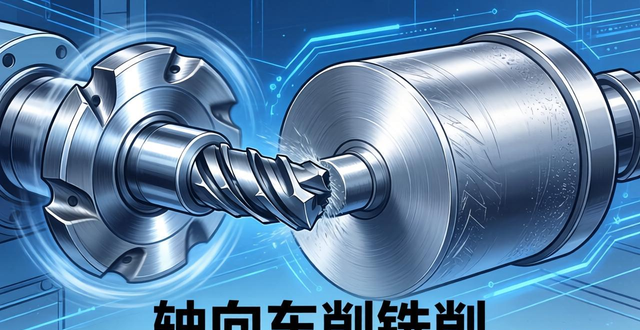
Key technologies and application prospects of mill-turn compound machining
China Periodicals, Periodicals, Magazines, Reader Services, E-Magazines, Papers, Libraries, Periodicals, E-Journals
4 months ago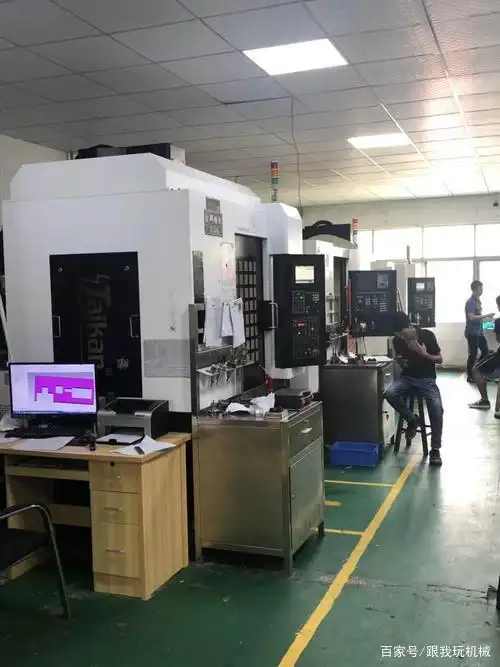
Machining Processes: Differences between Turning-Milling Combination Machining and Other Methods, and CNC Programming Techniques
We generally classify manufacturing processes into two types: material removal and material addition. Most of the processes we use involve material removal, although material addition is also practised; this is generally referred to as forming. For example, injection moulding is a form of material addition; however, our focus here is on material removal.
1 month ago
Various CNC programming software introduction and function overview
With the continuous progress of science and technology, CNC machining on the complexity of parts, precision and process and other aspects of the more stringent requirements, relying solely on manual programming has been difficult to meet these needs. Because of this, CAM (computer-aided manufacturing) software was born and gradually popularised.
6 months ago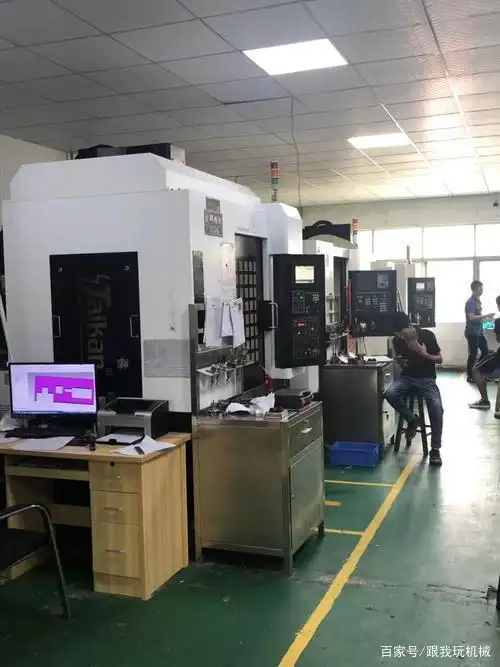
Machining Processes: Differences between Turning-Milling Combination Machining and Other Methods, and CNC Programming Techniques
We generally classify manufacturing processes into two types: material removal and material addition. Most of the processes we use involve material removal, although material addition is also practised; this is generally referred to as forming. For example, injection moulding is a form of material addition; however, our focus here is on material removal.
1 month ago Chinese
  Japanese
  English
  German
  Finnish