

01Zirconium and titanium roles in six future fields
Zirconium-titanium material characteristics
The zirconium and titanium industry has a place in all six of the future industries, including the future manufacturing field, the future information field, the future materials field, the future energy field, the future space field, and the future health field.
Zirconium, known as the “first metal of the atomic age”, has excellent corrosion resistance, is particularly resistant to acids and alkalis, and is extremely biocompatible. Zirconium dioxide is a strong, tough, wear-resistant and biologically inert material with unique phase change toughening properties. Titanium is called the “space metal” and is known for its low density, high strength, excellent corrosion resistance and biocompatibility. In addition, titanium alloys made by adding elements such as Al, V, Mo, etc., further increase its overall properties such as strength and heat resistance.
Future Manufacturing Applications
The zirconium-titanium industry plays an indispensable role in future manufacturing. Zirconium's high corrosion resistance and excellent biocompatibility make it ideal for manufacturing, especially in the chemical and biomedical fields. Zirconium dioxide's high strength and toughness, as well as its unique phase-transformation toughening properties, have further broadened the scope of its applications. Titanium and its alloys have low density, high strength and excellent corrosion resistance and biocompatibility, which makes them attractive in the aerospace, marine engineering and biomedical sectors.
additive manufacturing
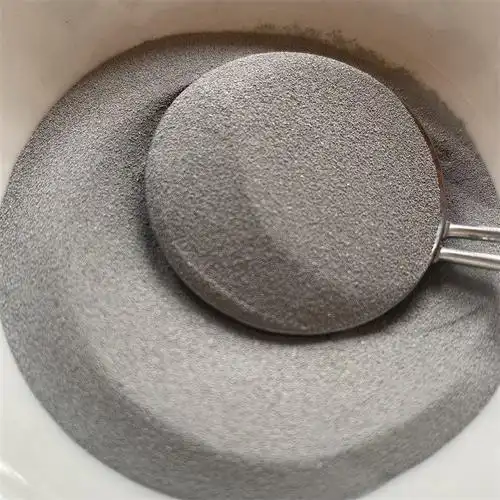
In additive manufacturing, titanium alloys are used to create lightweight structural components, for example, for complex and lightweight structures in aerospace and medical devices. Looking to the future, the field is working to develop new zirconium-titanium alloy powders specifically designed for additive manufacturing, and to optimise the printing process in order to eliminate internal defects, improve fatigue performance, and thus reduce the cost of manufacturing high-performance components.
![图片[1]-锆钛产业在六大领域中的关键作用与未来展望-大连富泓机械有限公司](/wp-content/uploads/2026/02/1772245463757_1.webp)
Precision machining and superhard tools
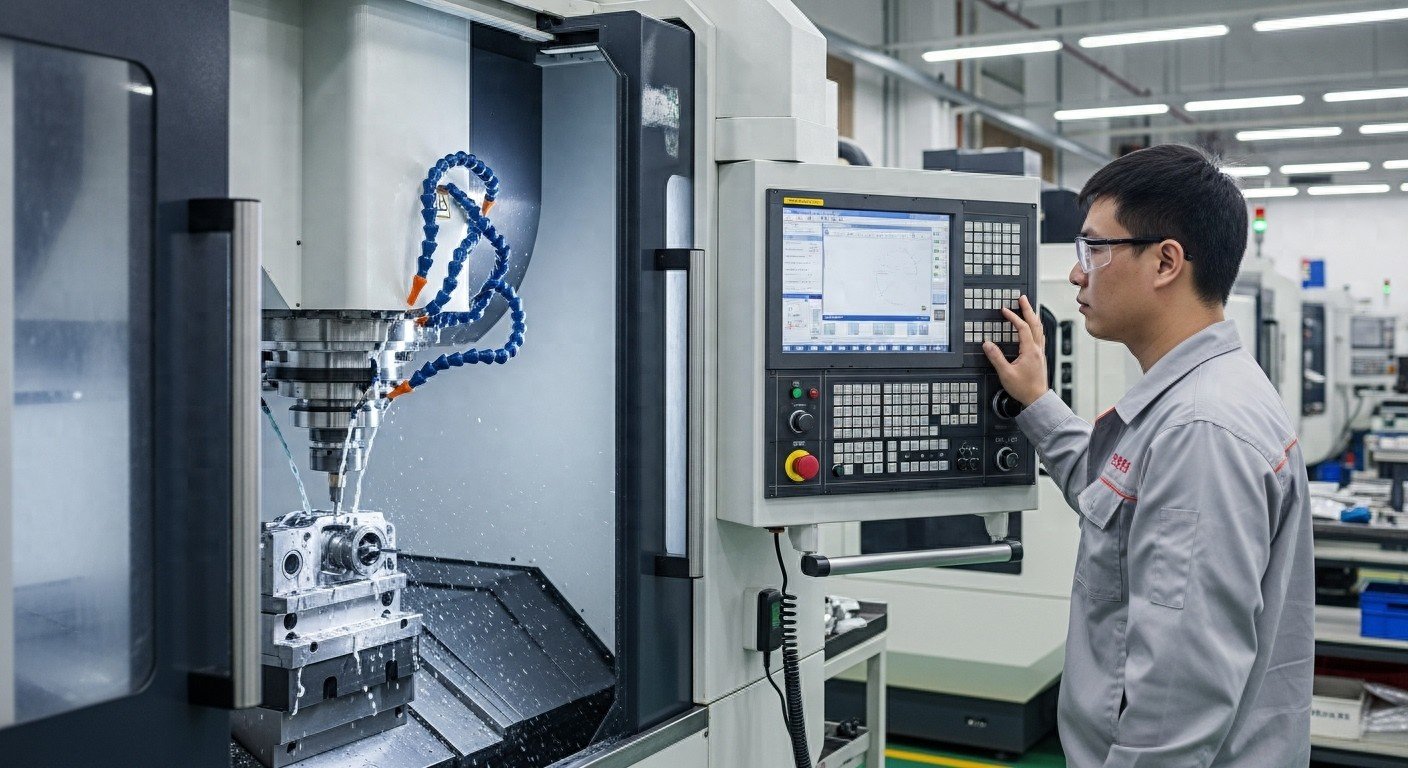
Zirconia (ZrO₂) ceramics with high hardness and wear resistance play a key role in manufacturing, and are used in a large number of precision tools, abrasives, moulds and dies, as well as in wear-resistant components such as sandblasting nozzles and bushings.
Corrosion-resistant equipment
Titanium and zirconium, thanks to their excellent corrosion resistance, are indispensable components in the petrochemical industry and in marine engineering. They are also widely used in important equipment such as reactors, heat exchangers, pumps and valves, and desalination pipelines. Today, a research and development team is working hard to create lower-cost zirconium-titanium alloys with better welding and moulding properties, with the aim of further reducing the overall cost of high-end corrosion-resistant equipment.
Future material developments
![图片[2]-锆钛产业在六大领域中的关键作用与未来展望-大连富泓机械有限公司](/wp-content/uploads/2026/02/1772245463757_3.webp)
High performance alloys
![图片[3]-锆钛产业在六大领域中的关键作用与未来展望-大连富泓机械有限公司](/wp-content/uploads/2026/02/1772245463757_4.png)
In the aerospace industry, the material of choice for structural components has become titanium alloys, while zirconium alloys are widely used in the manufacture of fuel cladding for nuclear reactors. The key focus of research and development is now on the development of titanium alloys that can withstand high temperatures and have high strength characteristics, with the aim of meeting the needs of a new generation of aero-engines.
Advanced Ceramic Materials
Zirconia (ZrO₂) ceramics, which have excellent toughness, wear resistance and colour, are used in a wide range of high-tech applications, and researchers are now working on the development of transparent zirconia ceramics, with the goal of broadening the opportunities for the ceramics to be used in optics and jewellery.
Shape memory alloys
Nitinol (Ni-Ti) shape-memory alloys have made their mark in aerospace, in medicine and in robotics, for example in aerospace, where they are used to create deployable antennas, and in robotics, where their bionic joints are amazingly functional.
The Quest for Future Energy
![图片[4]-锆钛产业在六大领域中的关键作用与未来展望-大连富泓机械有限公司](/wp-content/uploads/2026/02/1772245463757_5.webp)
Nuclear energy applications
Zirconium alloys are used in nuclear fuel casing to provide the first safety barrier in nuclear reactors. In the field of nuclear fission and fusion, researchers are working to develop zirconium alloys that are more resistant to corrosion and creep, and that maintain excellent performance under accident conditions.
![图片[5]-锆钛产业在六大领域中的关键作用与未来展望-大连富泓机械有限公司](/wp-content/uploads/2026/02/1772245463757_6.webp)
hydrogen
Titanium-based alloys are regarded as important materials for hydrogen storage, as they can safely absorb and release large amounts of hydrogen. However, to achieve the widespread use of the hydrogen economy, it seems urgent to overcome the technological challenges regarding the hydrogen storage density of titanium-based hydrogen storage materials at ambient temperature and pressure.
fuel cell
In the field of fuel cells, titanium bipolar plates are an absolutely indispensable component of proton exchange membrane fuel cells (PEMFCs). At present, the key point of research is how to reduce the cost of titanium bipolar plates to promote the commercial development of fuel cells.
02 Detailed exploration of six future areas
Aerospace and deep space exploration
Aerospace applications
![图片[6]-锆钛产业在六大领域中的关键作用与未来展望-大连富泓机械有限公司](/wp-content/uploads/2026/02/1772245463757_9.png)
Titanium alloys play a vital role in the structural components of aircraft and spacecraft. For example, titanium alloys are widely used in aircraft engine compressor discs, blades, magazines, and fuselage structural components.
Deep space exploration and on-orbit manufacturing
In the field of deep space exploration, zirconium's resistance to high and low temperatures presents a potential application value. In the future, along with the advancement of technology, we hope to integrate the weak gravity environment and 3D print zirconium-titanium alloys with excellent performance in orbit with the help of the weak gravity environment in space.
Future applications in health
![图片[7]-锆钛产业在六大领域中的关键作用与未来展望-大连富泓机械有限公司](/wp-content/uploads/2026/02/1772245463757_10.webp)
Orthopaedic implants
Titanium alloys provide high strength and biocompatibility, and beta titanium alloys with a low modulus of elasticity reduce the “stress shielding” effect, thereby promoting healthy bone growth. 3D printing has revolutionised orthopaedics, as has the ability to create personalised joints and skull plates.
Restorative Dentistry
Zirconia all-porcelain teeth are true-to-life in colour, they are better than traditional materials and therefore dominate the field of crown restorations, but also bridge restorations.
Medical Devices and Surgical Applications
Titanium will play a key role in the manufacture of medical devices such as surgical instruments, pacemaker housings and vascular stents, while research and development of biodegradable titanium-based alloy vascular stents is underway.
03 Summary and Outlook
![图片[8]-锆钛产业在六大领域中的关键作用与未来展望-大连富泓机械有限公司](/wp-content/uploads/2026/02/1772245463757_11.webp)
Zirconium and titanium industry, is to support the future development of high-tech basic industries, is now facing many challenges and opportunities, its development trend is becoming more and more significant, mainly showing high-end, green tendency, to promote the integration of intelligent development opportunities, the future, along with the process of scientific and technological revolution continues to deepen, zirconium and titanium industry will usher in a broader development prospects, can become an indispensable foundation for building the future of the world! Material.




 Chinese
  Japanese
  English
  German
  Finnish
暂无评论内容