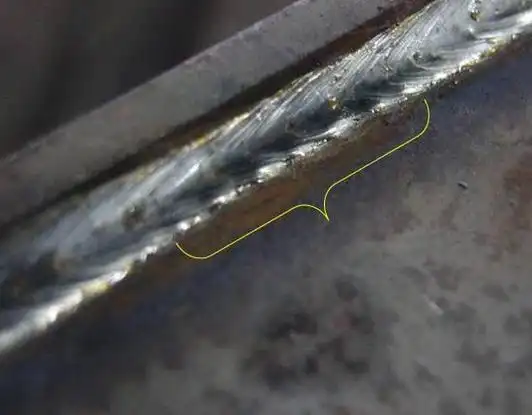


01 Overview of welding technology
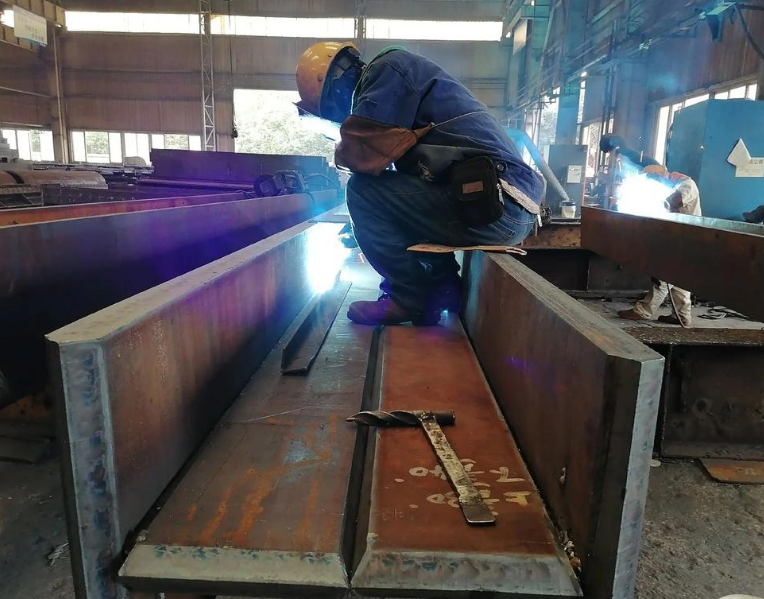
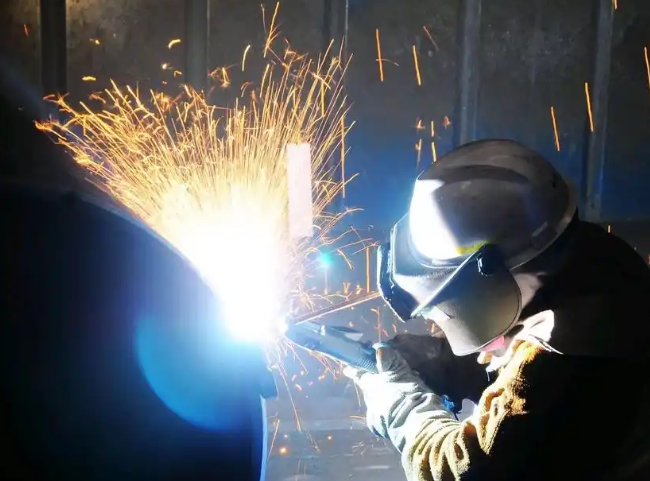
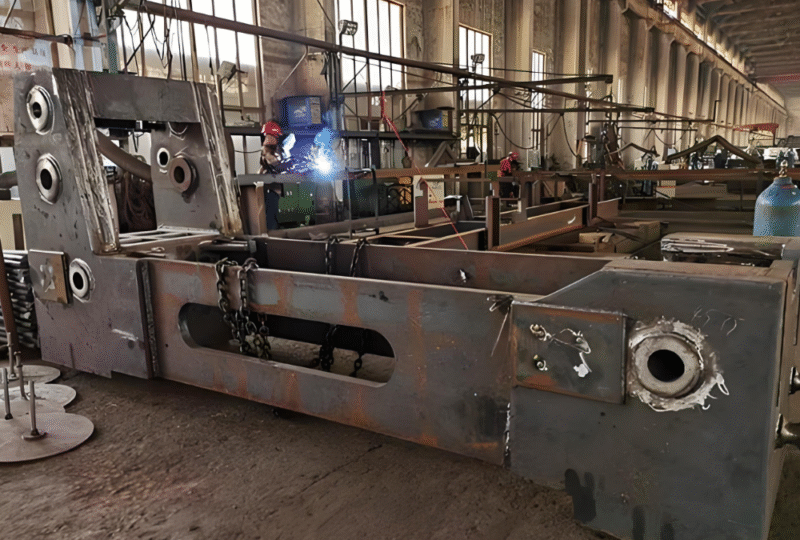
There exists a process known as welding, which is highly regarded in modern manufacturing, and which, thanks to its high efficiency and good sealing properties, has shown its charms in the aerospace industry, plays an important role in shipbuilding, and shines in automotive manufacturing. The welding process is also used in many fields such as aerospace and automotive manufacturing due to its high efficiency and good sealing properties.
However, when we go to check the manufacturing process of this particular area of aircraft, we find that welding has not become dominant, and what is the reason behind this?
Advantages of welding
Aircraft manufacturing material is the primary reason, before the emergence of new aircraft such as the Boeing 787 and Airbus, aluminium alloy is the main material for modern aircraft manufacturing, this material is lightweight and durable, weldability is poor, the traditional welding method will cause stress concentration in the welded area of aluminium alloy, which will make the metal brittle, and it will also produce defects such as sand holes, bubbles and micro-cracks, which will in turn affect the overall performance of the structure. Therefore, such potential defects are never tolerated in aircraft manufacturing.

Welding Challenges
In addition, with the Boeing 787 and Airbus and other new aircraft using composite materials as the main body of the design, these by a variety of single material composite out of the special material, it is more difficult to weld than aluminium alloys, resulting in manufacturers almost completely abandoned the welding process.
The presence of an aircraft skin poses a challenge for welding. The thickness of this skin is typically only about 2 mm, and because of its thinness, welding is extremely challenging and difficult for non-specialist operators to cope with, which in turn is not conducive to the mass production of aircraft.
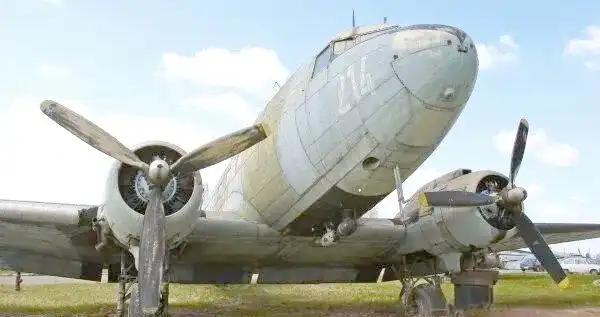
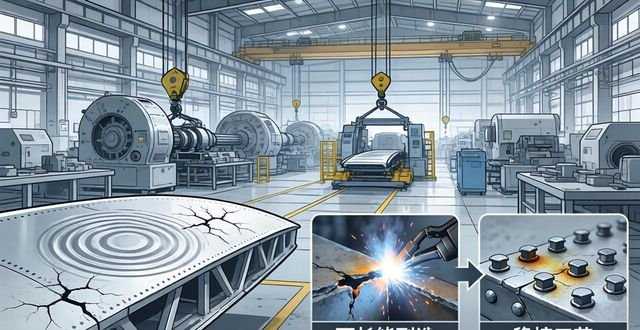
At the same time, the working characteristics of the aircraft are such that the skin is subjected to tensile forces while travelling at high speeds and at high altitudes. Vibrations from the engine, as well as from the aircraft itself, together with the constantly changing forces in the flight, can cause fatigue problems in the skin. Therefore, in the process of aircraft manufacturing, welding faces many problems such as poor material performance, complicated technology and difficulty in coping with vibration and fatigue.
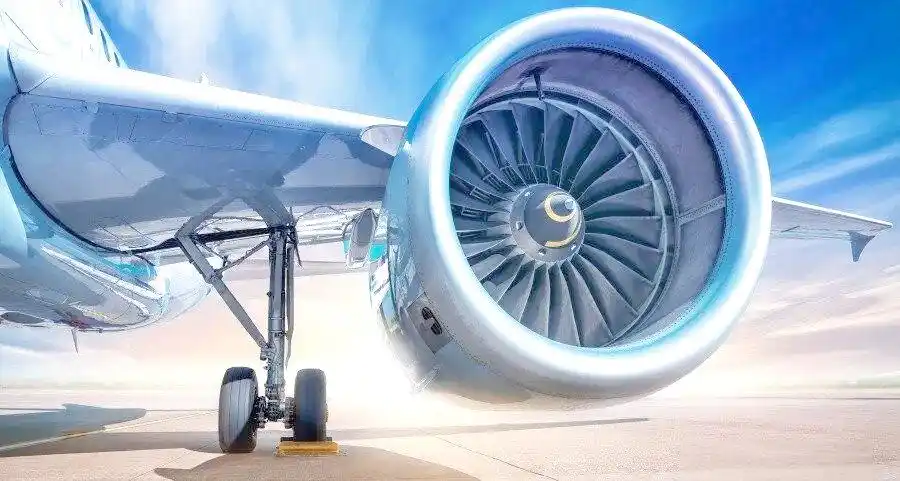
02� Advantages of riveting in aircraft construction
Specialised processes such as friction stir welding and laser welding are available today, but they are not only extremely complex to implement, they are also very difficult to ensure that the process is stable. In contrast, riveted and screwed joints have outstanding vibration- and fatigue-resistant qualities and are naturally resistant to crack propagation due to the physical presence of the connection holes.
Matching of material properties to riveting
The primary reason for this is that the materials used to manufacture aircraft have made aluminium alloys the main material used in modern aircraft manufacture until new aircraft such as the Boeing 787 and the Airbus were introduced, which are lightweight and durable, but have relatively poor welding properties, so the properties of aluminium alloys and modern composites have made riveting a more stable method of joining.
Adaptation of work characteristics to riveting
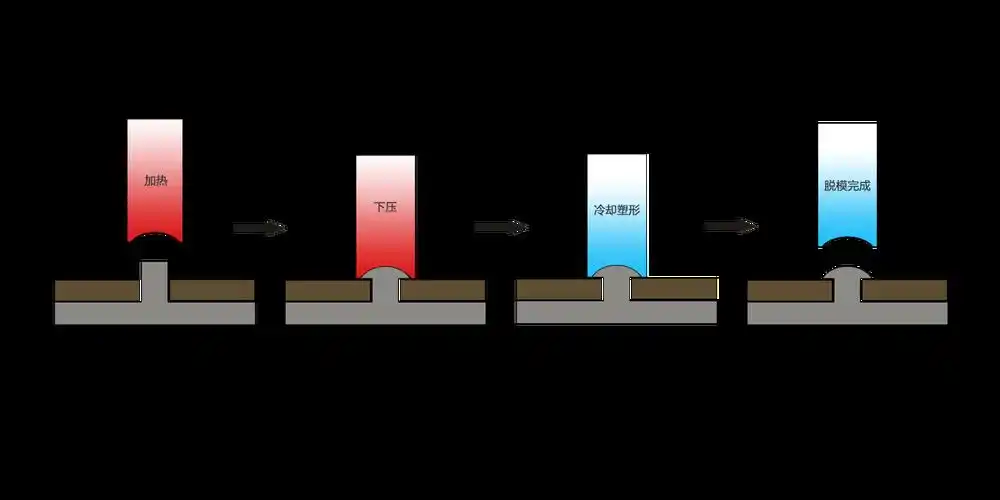
When an aircraft is flying at high speeds at high altitudes, the skin is subjected to tensile forces. Vibrations from the engine, vibrations from the aircraft itself, and the constantly changing forces in the flight may cause fatigue problems in the skin. However, riveted joints are more resistant to tension, vibration and fatigue.
Fitting of use characteristics to riveted joints
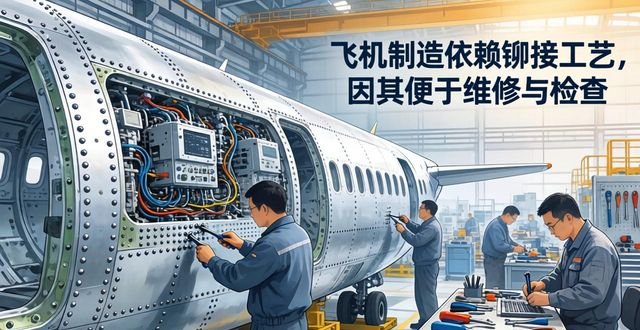
First of all, it can be known that the aircraft has its specific use requirements, which is also in the manufacture of aircraft using riveting rather than welding the key content. The service life of the aircraft usually to reach more than 20 years, it is equipped with a lot of complex and precise instruments inside the body, and in a longer period of operation, these instruments will be due to a variety of reasons for different degrees of wear and tear. Because riveting is good for maintenance and inspection, it meets the needs of the aircraft for a long time.
03 Welding Applications in Aerospace
In the aerospace field, welding because of the speed and good sealing and other characteristics, so as to obtain a wide range of applications, especially in the aircraft manufacturing process, the importance of welding is more significant to show, in view of the special nature of the aircraft's working environment, the sealing of the first factor to be considered, in the vacuum environment in the universe, the friction of the atmosphere as well as the transmission of sound have become In the vacuum environment of the universe, the friction of the atmosphere and the transmission of sound are of little importance, which allows the fast and easy characteristics of welding to be fully utilised.
Aerospace environment and welding advantages
In addition to this, the relatively short service life of space vehicles, most of which are discarded after a few cycles of recycling, means that relatively little consideration is given to service life and the replacement of original parts during the manufacturing process, which further explains why welding is the connection of choice in the aerospace industry.
Example analyses-Mig-25
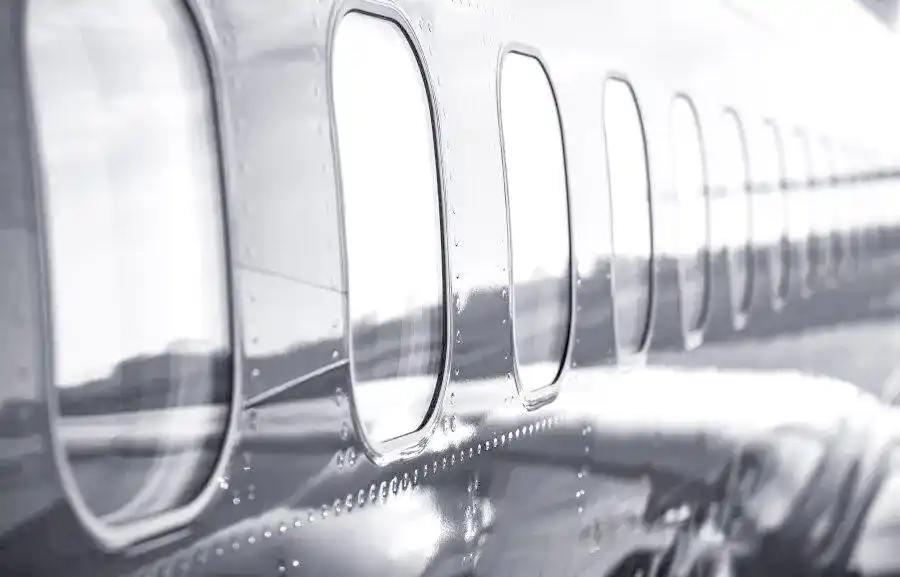
Welding is also an important technique in the manufacture of aeroplanes. For example, the Mikoyan MiG-25 fighter jet was built by the Soviet Union's Mikoyan Design Bureau, and its fuselage was made of stainless steel, which was joined by welding. This design allowed the MiG-25 to reach a maximum speed of Mach 3.


 Chinese
  Japanese
  English
  German
  Finnish
No comments