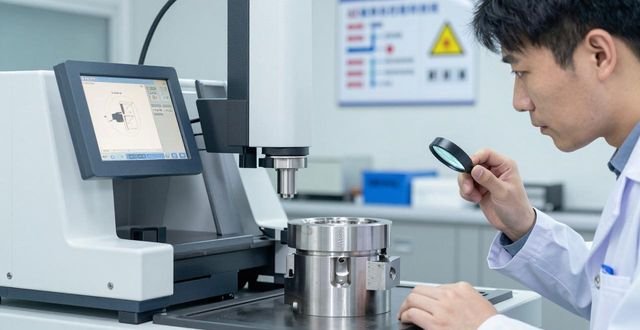


In the modern manufacturing industry, custom machining services for precision components are gradually emerging as a key trend in the sector’s development, With technological advancements and the diversification of market demands, enterprises are increasingly seeking personalised and customised parts, whether in the aerospace sector, the automotive industry, the medical device sector, or the electronics sector, the quality and performance of precision components directly impact the competitiveness of the end product. Therefore, understanding the relevant knowledge and service processes associated with precision component customisation is crucial for enterprises to stand out in the fiercely competitive market.
The Definition and Importance of Custom-Made Precision Parts
1.1 Definition of custom-made precision parts
Precision parts customisation involves utilising advanced machining technologies and equipment to manufacture parts that meet specific dimensional, geometric and performance requirements, tailored to the customer’s exact needs. This process often involves technologies such as Computer-Aided Design (CAD) and Computer-Aided Manufacturing (CAM) to ensure that the parts meet high standards of precision and quality.
1.2 The Importance of Custom-Made Precision Parts
In today’s highly competitive market environment, the importance of bespoke precision components is evident in the following areas:
To meet diverse individual needs, as different customers have varying requirements for products, our bespoke services can flexibly address these needs and provide tailor-made solutions.
To enhance market competitiveness, it is necessary to improve product competitiveness. High-quality precision components can help improve the performance of the end product, thereby enhancing its reliability and, consequently, strengthening market competitiveness.
Through custom manufacturing, companies are able to respond swiftly to market changes, thereby shortening the time-to-market from design to launch and, consequently, reducing product development cycles.
By reducing production costs, custom manufacturing helps to minimise excess inventory, thereby lowering production costs and improving resource utilisation.
The Process for Customising Precision Parts
2.1 Requirements Analysis
During the initial stages of customising precision parts, companies must engage in in-depth communication with clients to gain a clear understanding of their specific requirements, which encompass aspects such as part functionality, materials, dimensions and surface finishes. Through a detailed analysis of these requirements, a clear direction can be established for subsequent design and machining.
2.2 Design phase
In accordance with the client’s requirements, engineers use CAD software to carry out part design work. At this stage, designers must take into account the manufacturability of the parts, as well as material properties and subsequent assembly requirements. Once the design is complete, a 3D model is typically generated and presented to the client for approval.
2.3 Processing stage
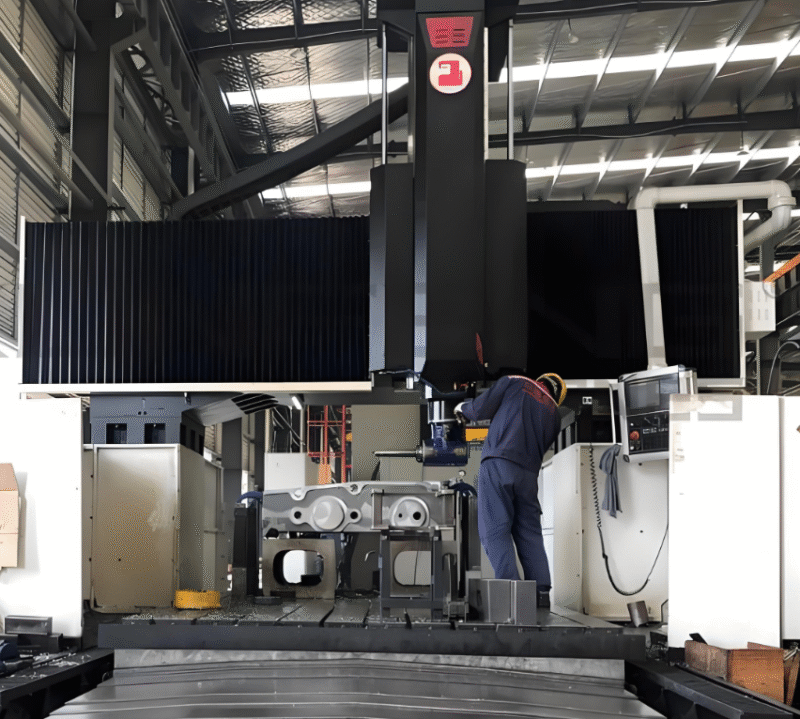
Once the design has been approved, the manufacturing stage begins. Depending on the complexity of the parts and the properties of the materials, suitable manufacturing processes are selected, such as CNC machining, laser cutting, 3D printing and so on. Throughout this process, rigorous quality control measures are absolutely essential to ensure that every part meets the design requirements.
2.4 Testing and Acceptance

Once machining is complete, components must undergo rigorous inspection, including dimensional checks and surface quality inspections; only when all inspections have been passed can the components be delivered to the customer. Quality control at this stage is of paramount importance in ensuring the performance of the final product.
2.5 After-sales service
After-sales service is a crucial aspect of custom-made precision parts; companies must respond promptly to customer feedback, resolve any issues that may arise, and carry out subsequent improvements and optimisations in line with customer requirements.
Technology and equipment for the custom manufacture of precision parts
3.1 CNC Machining Technology
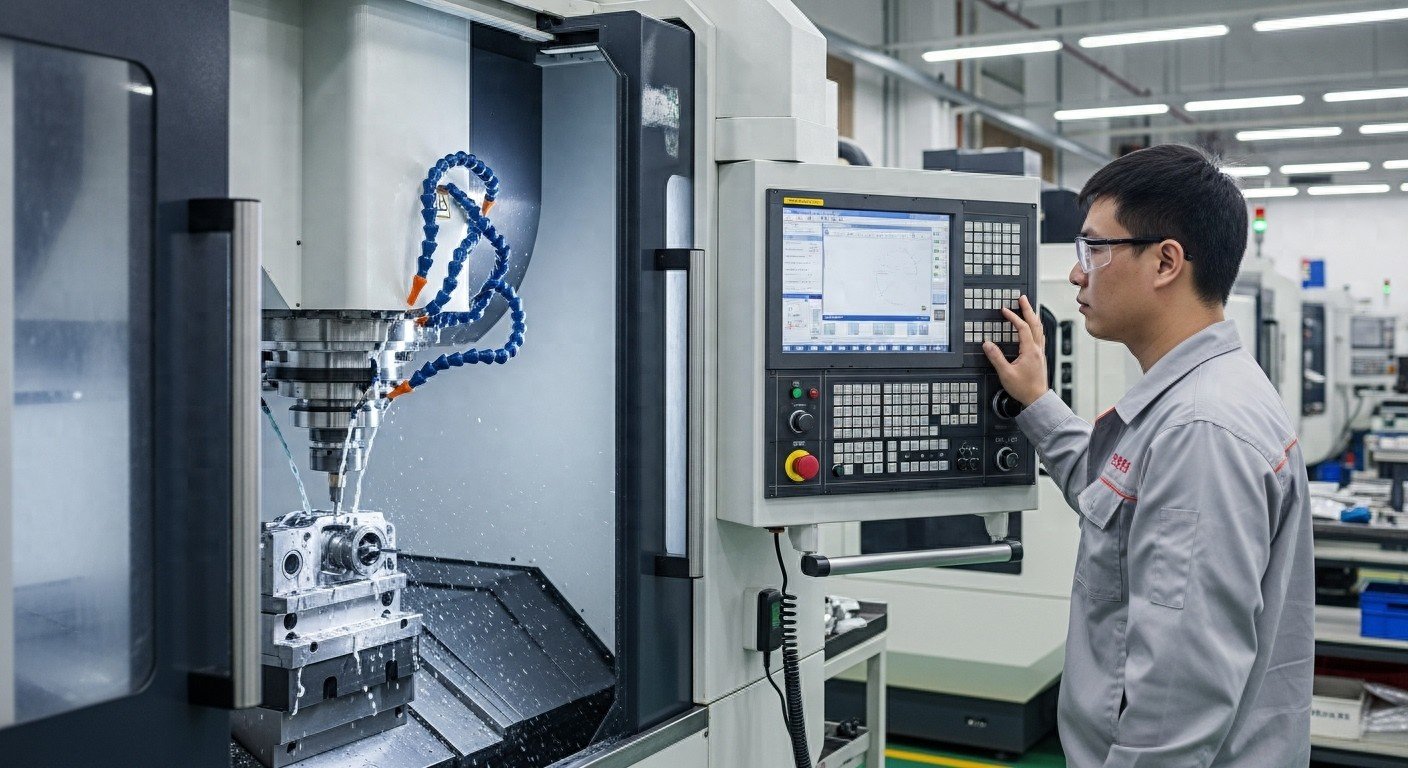
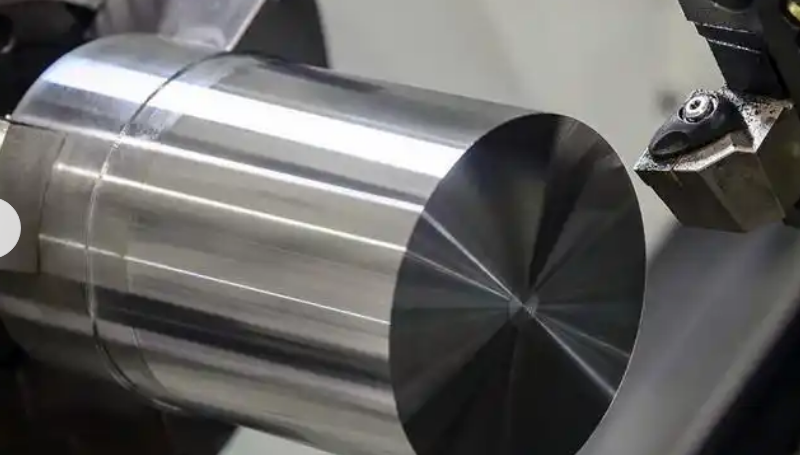
Computer numerical control (CNC) machining is one of the most commonly used techniques in the custom manufacture of precision parts. CNC machining offers the capability to achieve high precision and efficiency, enabling the production of parts. It is suitable for a wide variety of materials, such as metals and plastics, and its main advantages include:
High precision: CNC machining is capable of achieving micron-level machining accuracy, thereby ensuring that the dimensions and shape of components meet the requirements specified in the design.
CNC machines offer the flexibility to change tools quickly to meet the machining requirements of different parts.
In terms of automation, the machining process of CNC machine tools is highly automated, which reduces the need for manual intervention and consequently improves production efficiency.
3.23 3D printing technology
3D printing technology is a technique that is becoming increasingly important in the customisation of precision components. Its main advantages lie in:
3D printing can easily produce complex shapes; it is well-suited to the manufacture of parts that are difficult to produce using conventional machining methods.
3D printing can utilise a wide range of materials, including plastics, metals and ceramics, to meet the needs of different customers, demonstrating the diverse properties of these materials.
3D printing offers the ability to produce prototypes quickly; this rapid prototyping enables customers to carry out validation work and make modifications during the design phase.
3.3 Laser Cutting and Welding
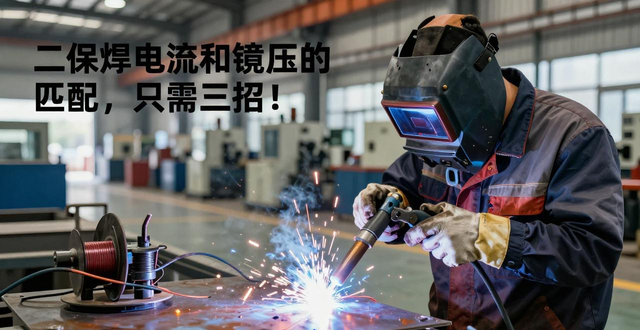
Laser cutting technology plays a vital role in the machining of precision components; it enables high-precision cutting and is suitable for thin sheet metal. Laser welding technology also holds a significant position in the machining of precision components; it provides high-strength joints and is suitable for the assembly of complex structures.
Market trends in the customisation of precision parts
4.1 The growth in demand for personalised services
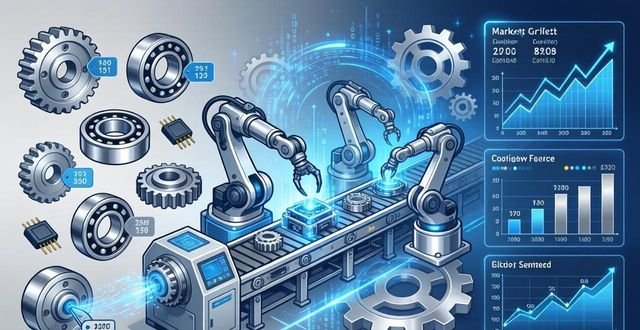
As consumer demand for personalised products continues to grow, the market for custom-made precision parts is also expanding rapidly. Companies need to adapt their production strategies flexibly, with the aim of responding to market changes.
4.2 Continuous technological progress
With the continuous emergence of new technologies such as artificial intelligence and the Internet of Things, the customisation of precision components is set to advance further. These technologies can boost production efficiency, reduce costs and enhance the level of product intelligence.
4.3 Requirements for sustainable development
At present, environmental awareness is on the rise; against this backdrop, companies specialising in the custom manufacture of precision parts need to focus on the key issue of sustainable development, and should adopt environmentally friendly materials and processes to minimise resource wastage and environmental pollution during the production process.
Choosing the right custom precision parts supplier
5.1 Assessing the technical capabilities of service providers
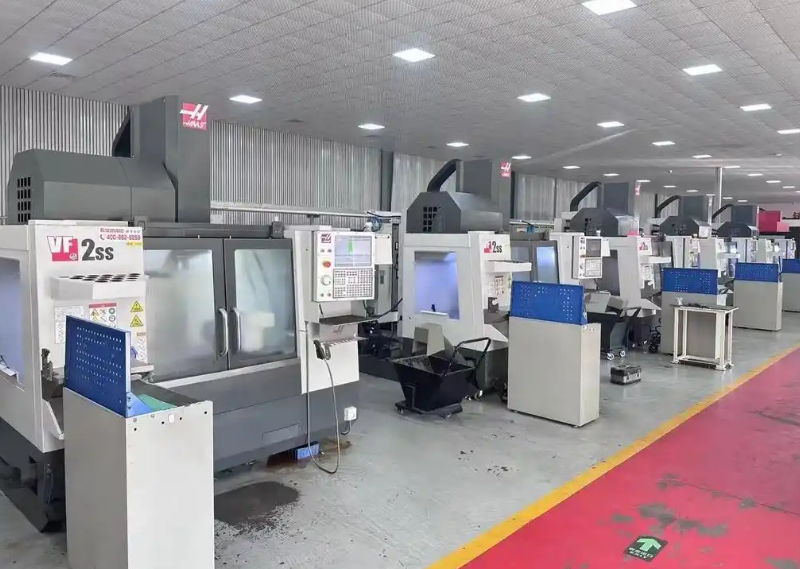
When a company is at the stage of selecting a custom precision parts supplier, it needs to focus on assessing the supplier’s technical capabilities, which include the relevant machining equipment, the standard of their manufacturing processes, and the professional expertise of their technical team.
5.2 Consider the service provider’s industry experience
You can opt for a service provider with extensive industry experience, as this will help your business better manage complex customisation requirements and reduce risks.
5.3 Focus on after-sales service
Providing excellent after-sales service is a key factor in ensuring the quality of customised components. Companies should select service providers capable of offering professional and prompt after-sales support, so that any issues that arise can be resolved swiftly.
5.4 Comparing prices and delivery times
When selecting a service provider, price and delivery times are equally key considerations; businesses need to take these factors fully into account in order to choose a provider that offers excellent value for money.
As a key component of the modern manufacturing industry, the customisation of precision components is currently facing unprecedented opportunities for development, With a deep understanding of the processes, technologies, market trends and strategies for selecting the right service providers in precision component customisation, companies can gain a competitive edge in a fiercely competitive market. As personalised demand continues to grow and technology advances, the future of precision component customisation looks increasingly promising.



 Chinese
  Japanese
  English
  German
  Finnish
No comments