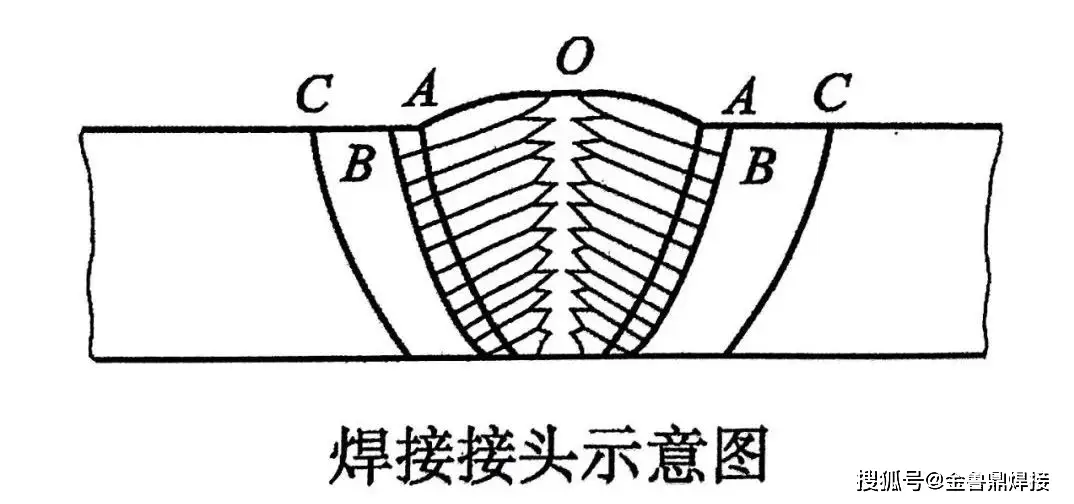


A welded joint consists of three parts: the weld (OA), the fusion zone (AB) and the heat-affected zone (BC), as shown in the diagram below.

1. Composition of Welded Joints
1. Weld
The joint formed after welding is known as a weld; it is usually composed of molten base metal and filler metal, although in some cases it consists entirely of molten base metal.
2. Fusion zone
The fusion zone is a specific area within the joint formed during welding, where the weld metal meets the base metal and acts as a transition zone; it is precisely the section that is heated to a temperature lying between the melting point and the solidification temperature.
3. Heat-affected zone
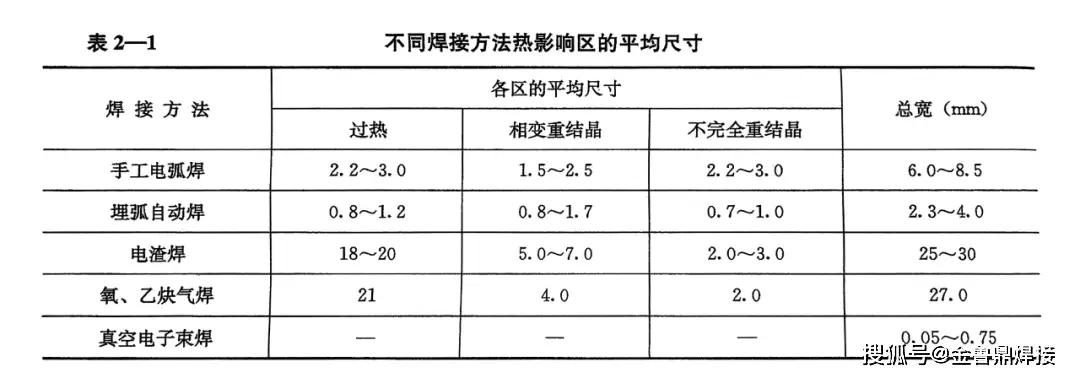
The heat-affected zone (HAZ) is the area of material that, during the welding process, undergoes changes in microstructure and mechanical properties due to the effects of heat (without actually melting). The width of the heat-affected zone is related to the welding method, heat input, plate thickness and welding process. When different welding methods are used to weld low-carbon steel, the average dimensions of the heat-affected zone are as shown in the table below:
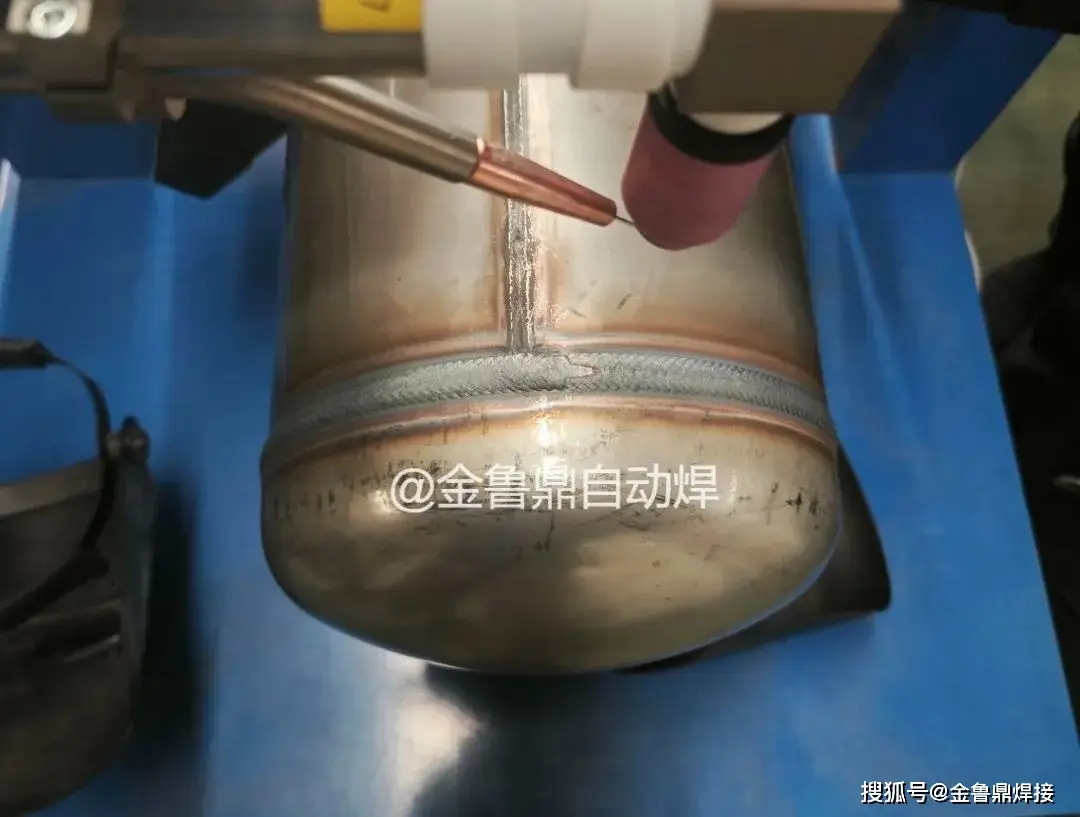

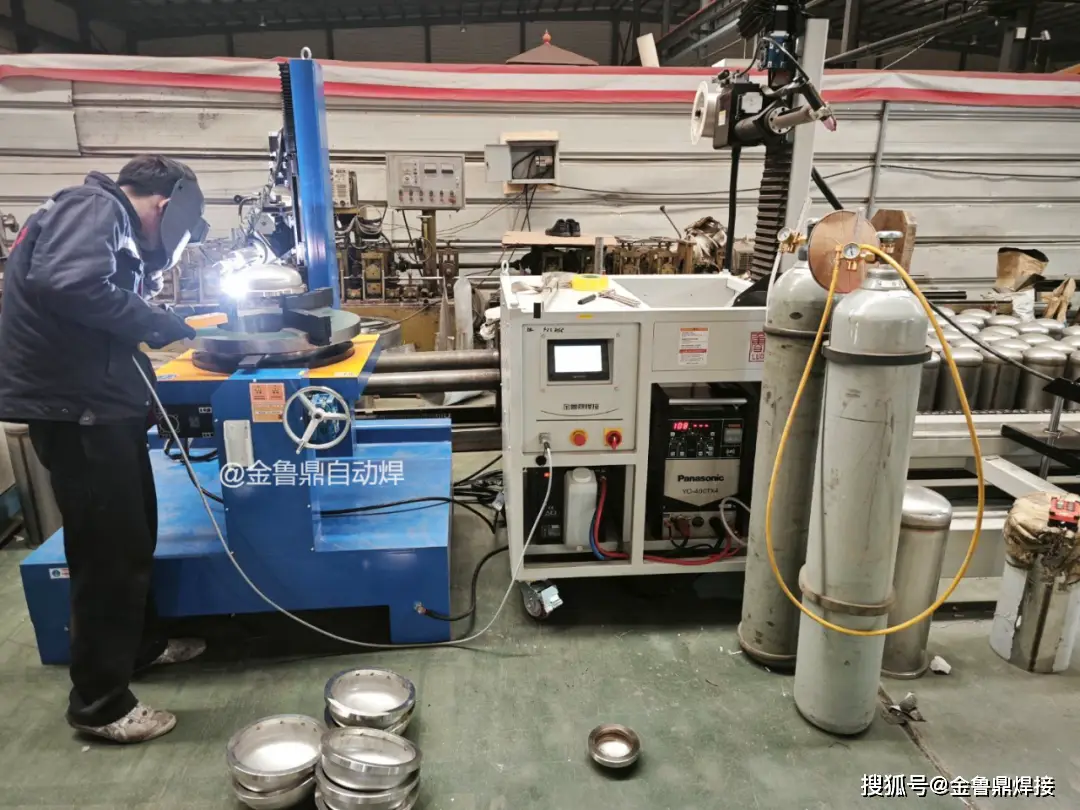
Jin Luding Automatic Welding of Filter Heads
II. Microstructure and Properties of Welded Joints
Within a welded joint, the weld metal cools from a high-temperature liquid state to a solid state at room temperature, undergoing two crystallisation processes during this period. Specifically, the first crystallisation process involves the transition from the liquid phase to the solid phase, whilst the second crystallisation process involves a microstructural transformation occurring in the solid state.
The primary crystallisation process in the weld metal unfolds as follows: crystallisation initially occurs at the fusion lines within the molten pool where the temperature is lowest. As the temperature of the molten pool continues to decrease, the crystals gradually grow. During this growth process, due to the obstruction caused by adjacent crystals, the crystals can only grow towards the centre of the molten pool, thereby forming columnar crystals. When the columnar crystals grow to the point where they come into contact with one another, the primary crystallisation process is complete.
During a single-pass welding process, the relatively rapid cooling rate prevents the elements in the weld metal from diffusing sufficiently, resulting in an uneven distribution of chemical composition; this phenomenon is known as segregation. Segregation may result in non-uniform mechanical properties and corrosion resistance in the weld, and may also lead to defects; for instance, the formation of hot cracks is associated with segregation.
The microstructure of the weld metal during recrystallisation is related to the chemical composition of the weld; the properties of the weld metal during recrystallisation are also related to the chemical composition of the weld; the microstructure and properties of the weld metal during recrystallisation are related to the cooling rate, as well as to post-weld heat treatment. The recrystallised microstructure of low-carbon steel in a state of equilibrium consists of ferrite with a small amount of pearlite; similarly, the recrystallised microstructure of low-alloy steel in a state of equilibrium consists of ferrite with a small amount of pearlite. As the cooling rate increases, the pearlite content rises whilst the ferrite content decreases. the strength of the weld increases, as does its hardness, whilst ductility and toughness decrease. It contains relatively few alloying elements, including chromium.
For heat-resistant steels with a high content of alloying elements, where the chromium content of the alloying elements ranges from 51% to 91%, and when the welding material is similar to the base metal, under conditions such as preheating before welding and slow cooling after welding, the weld typically exhibits a bainitic microstructure, although there is also a possibility of a martensitic microstructure forming. Following high-temperature tempering, a tempered sorbite microstructure can be obtained. When austenitic stainless steel welding consumables are used, the weld microstructure is primarily austenitic. The weld microstructure of austenitic stainless steel is generally austenite with a small amount of ferrite.
As the chemical composition of the weld metal is relatively well-balanced and the recrystallised grains are relatively fine, the metal in the weld zone exhibits good mechanical properties. Furthermore, as the weld bead height increases the cross-sectional area subjected to stress, the weakest part of the welded joint is not the weld itself, but rather the fusion zone and the heat-affected zone.
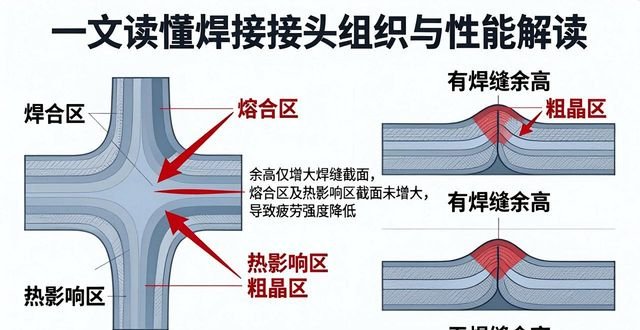
It must be made clear that increasing the weld bead height does not enhance the strength of the entire welded joint, as the bead height merely increases the cross-sectional area of the weld itself, whilst the cross-sectional areas of the fusion zone and the heat-affected zone remain unchanged. Conversely, the presence of weld bead height actually creates structural discontinuities within the coarse-grained regions of the fusion zone and heat-affected zone, thereby causing stress concentration and reducing the fatigue strength of the welded joint.
Jin Luding Automatic Welding of Filter Heads
3. Microstructure and Properties of the Fusion Zone and Heat-Affected Zone
During welding, the heat-affected zone is heated at various points along its width; however, the temperatures reached vary, resulting in differences in the post-weld microstructure and properties. Within the heat-affected zone, there is a point at which the highest temperature is reached; the duration for which this temperature is maintained, as well as the subsequent cooling rate, will determine the microstructural condition at that point.
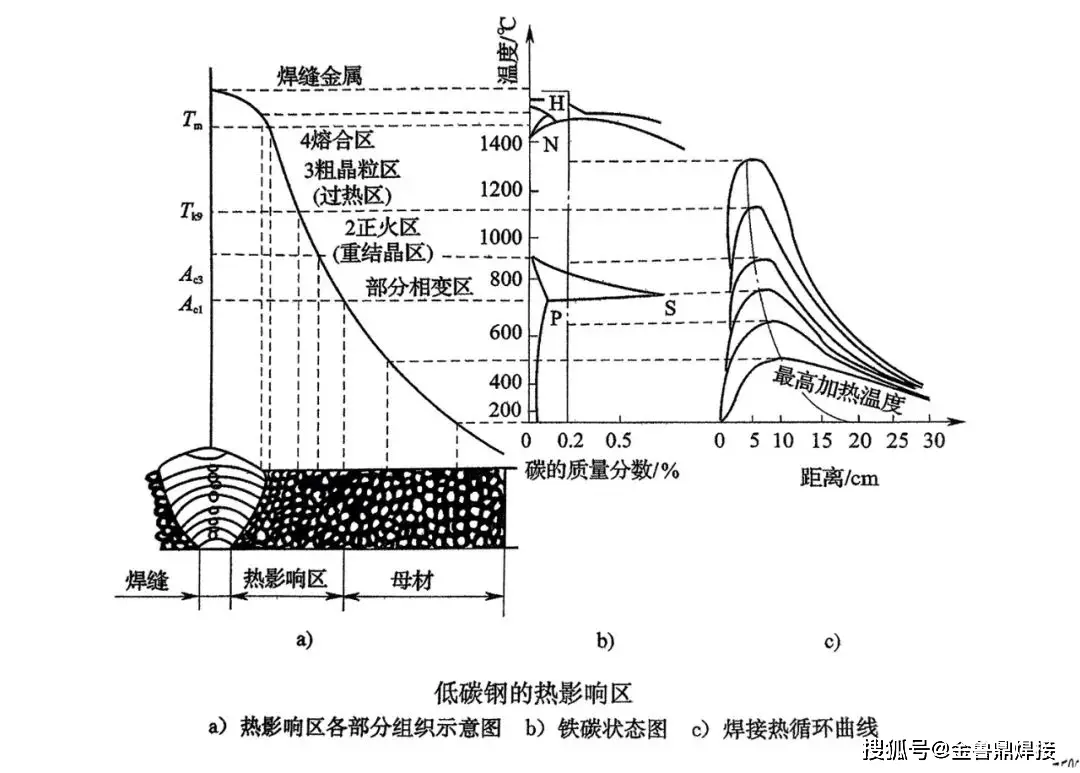
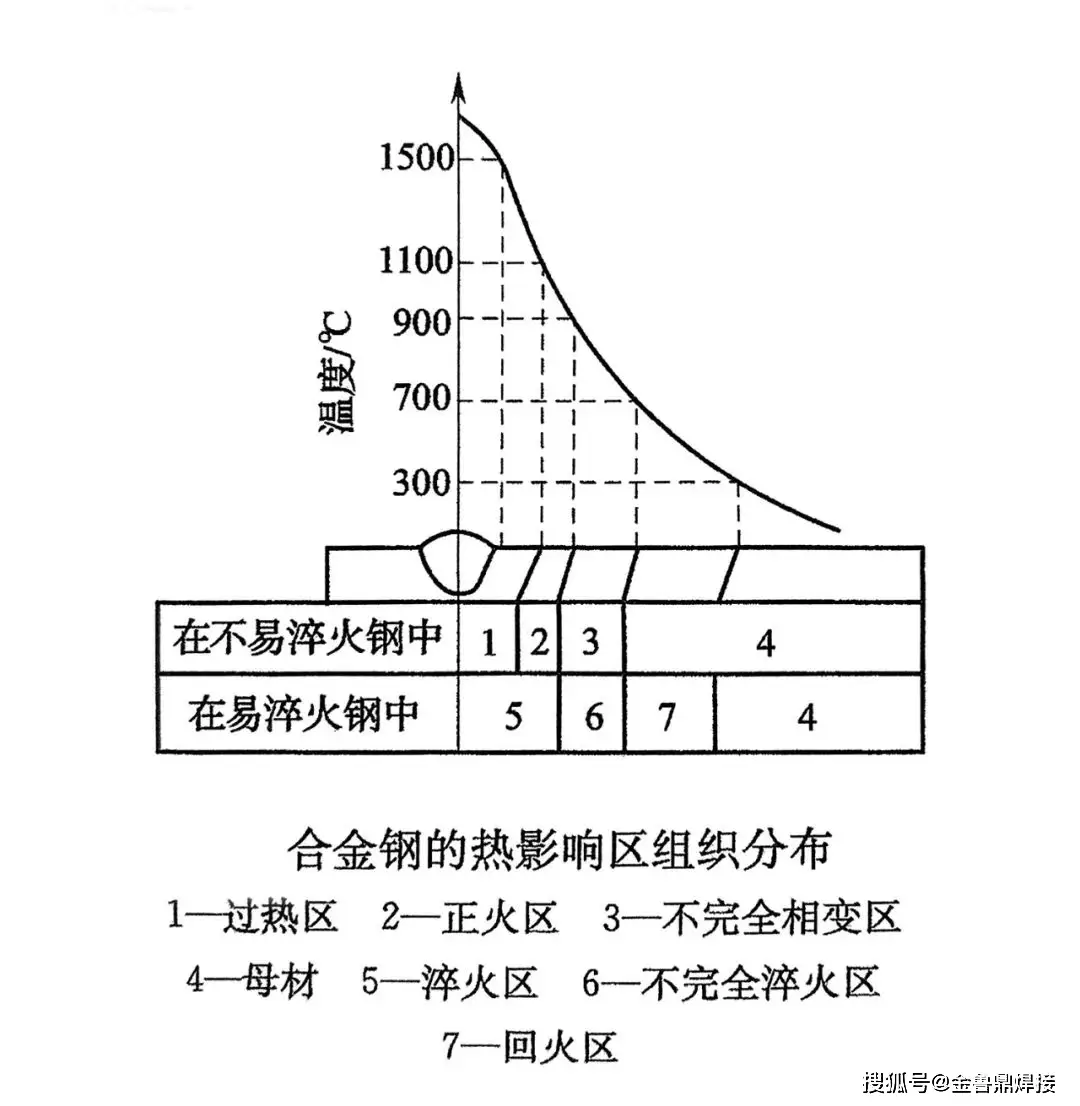
In terms of the heat treatment characteristics exhibited by structural steels when used in welding, they can be divided into two categories. One category comprises steels with a relatively low tendency to harden under normal welding conditions, such as low-carbon steels and low-alloy steels containing very few alloying elements; these are referred to as “non-hardening steels”. Furthermore, the other category comprises steels with a higher carbon content or a greater number of alloying elements; under normal welding conditions, these exhibit a greater tendency to harden and are referred to as “hardening steels”. The microstructures within the heat-affected zone produced during the welding process also differ between these two types of steel.



 Chinese
  Japanese
  English
  German
  Finnish
暂无评论内容