
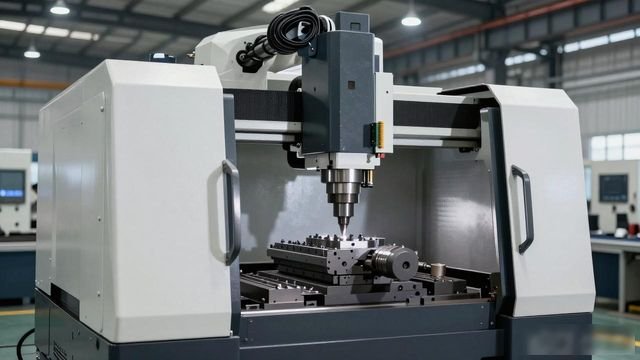
In modern manufacturing, there is a type of important machinery known as a vertical-horizontal turning and milling machining centre, which helps businesses boost production efficiency and improve product quality. As a high-precision machine tool, it combines the functions of turning and milling. Thanks to its unique capabilities and the flexibility to adjust rotational speed, it has become a favourite among a large number of manufacturers.
I. Technical Advantages of Vertical and Horizontal Milling and Turning Composite Machining Centres
Vertical-horizontal turning and milling machining centres are characterised by their highly integrated machining capabilities, enabling a wide range of machining processes—such as turning and milling—to be completed on a single machine, thereby significantly reducing machining time and the number of set-ups. This machine is often equipped with a high-performance CNC system; utilising advanced variable-frequency and servo drive technologies, the spindle speed can be flexibly adjusted between 5 and 120, which offers considerable convenience when machining different materials and workpiece shapes.
1. In terms of adaptability to high rotational speeds, vertical-horizontal turning and milling machining centres offer flexibility in terms of rotational speed; this flexibility enables them to process a wide range of materials, including metals, plastics and composites. Turning at high speeds not only improves machining efficiency but also enhancesmachining accuracy, The same applies to milling, which is capable of meeting high manufacturing standards.
2. Technology capable of achieving high-precision positioning; this machine tool is generally equipped with high-precision servo motors and a highly sensitive feedback system, thereby ensuring stability and accuracy under complex machining conditions. When machining heavy workpieces, the machine tool’s structural design is also capable of effectively minimising vibration, thereby enhancing overall machining stability.
3. Those vertical and horizontal turning-milling composite machining centres, with their versatile machining capabilities, are prime examples of multifunctionality; they are capable of performing both turning and milling operations. Furthermore, they can perform a wide range of other operations, such as drilling, and can effectively replace the functions of multiple machine tools, thereby saving floor space and reducing capital expenditure on equipment.
II. Suitable for machining heavy workpieces

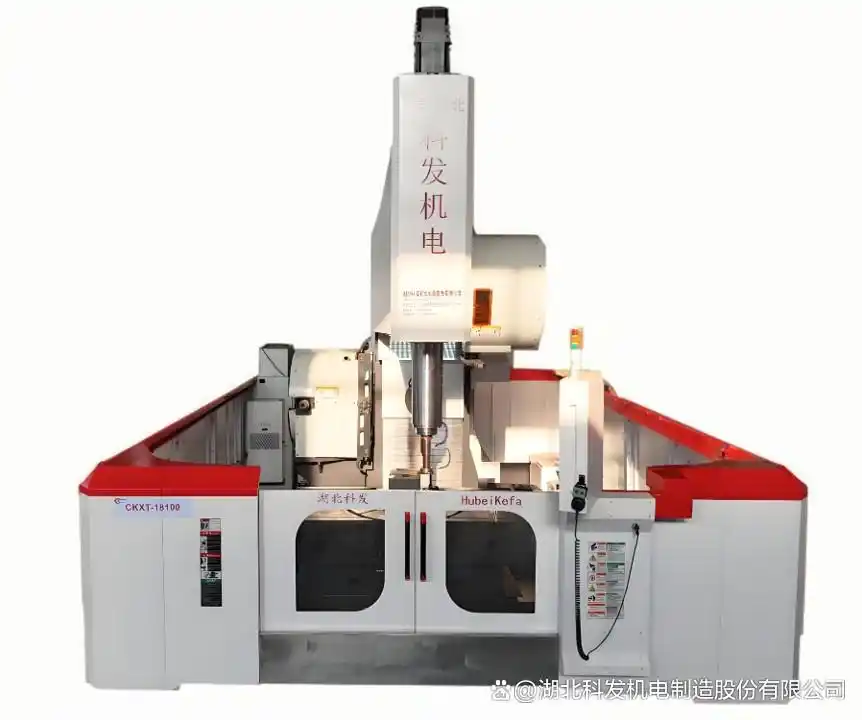
Vertical and horizontal turning-milling machining centres, owing to their superior performance, are particularly well-suited to the machining of heavy workpieces; Not only can these machines handle large-sized workpieces, but they also feature powerful drive systems and highly rigid mechanical structures, ensuring that the machine will not deform or sustain damage during machining due to the weight of the workpiece.
For example, in the aerospace industry, the demand for machining large components is on the rise. In the automotive manufacturing sector, the demand for machining large components is growing. Within the field of mould manufacturing, the demand for machining large components continues to climb. Traditional machining equipment struggles to meet such demands, whereas vertical and horizontal turning-milling composite machining centres possess exceptional machining capabilities, enabling them to handle heavy and complex workpieces with ease.
In practical operation, programming the CNC system allows cutting conditions to be set and machining paths to be determined, thereby ensuring excellent machining results. Furthermore, as these machine tools offer a high level of automation, they effectively reduce the complexity of manual operations and minimise the risk of errors.
mill-turn
III. Operational Precautions
Whilst vertical-horizontal turning-milling machining centres offer numerous technical advantages, there are still a number of key issues that require attention during actual operation to ensure the stable operation of the equipment and consistent machining results:
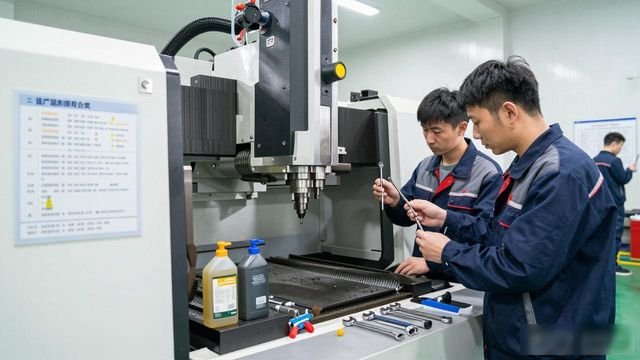
1. Regular maintenance is essential. As the machine is used for high-speed, heavy-load machining, it is necessary to carry out regular maintenance on the machine tool. This includes inspecting the lubrication system and calibrating the spindle for accuracy. Only by doing so can the machine tool be guaranteed to maintain a high level of efficiency and stable operation over the long term.
2. When machining workpieces made of different materials and with varying machining requirements, the appropriate selection of cutting tools is of the utmost importance, particularly when machining hard materials. The reason for using high-performance tools is to prevent excessive tool wear and, consequently, to prevent tool breakage.
3. Depending on the characteristics of the various workpieces and the machining methods employed, the feed rate, cutting depth and spindle speed should be set appropriately in order to optimise the machining parameters. This approach is not only effective in improving machining efficiency, but also helps to extend the service life of both the machinery and the tools.
4. Prioritise safety precautions. When heavy workpieces are being processed, it is crucial to prioritise safety; relevant operators must wear the necessary protective equipment and follow the machine’s operating procedures to prevent unnecessary safety risks.
IV. Conclusion
Vertical and horizontal turning-milling machining centres, owing to their high-precision machining capabilities and high-efficiency processing characteristics, offer broad prospects for application across various manufacturing sectors. Looking ahead, as technology continues to advance and market demands evolve, these machine tools will play an increasingly important role. Through the judicious application of these technologies and effective management practices, enterprises can achieve higher production efficiency and lower production costs, whilst also securing a solid foundation for enhancing their overall competitiveness.
 Chinese
  Japanese
  English
  German
  Finnish
Leave a Reply
You must be logged in to post a comment.