

SEO Meta:
To explore this topic in greater depth, focusing on the subjects that engineers simply must read about, namelywire erosionmachining and the associatedProcessingWe will analyse examples of artworks. From a variety of perspectives, we will provide a detailed explanation of how wire-cutting technology can be combined with other manufacturing processes to create artworks that leave people in awe and elicit admiration.
Introduction:
Within the world of engineering, the interplay between creativity and technology has always held a certain fascination. This article aims to explore a topic that captivates the imagination: wire-cut machining—a process that engineers simply must read about—and the works of art created through the processes that complement it. Within this specific topic, we shall delve deeply into the integration of wire-cut machining with other related processes, and how this integration can be utilised to create unique and exquisitely beautiful works of art. Through the analysis of case studies, we shall gain a comprehensive understanding of this marvellous fusion between the fields of engineering and art.
A Must-Read for Engineers: The Art of Wire-Cut Machining and Matching Processes
These works of art—intended for engineers to study—demonstrate the near-perfect fusion of engineering technology and artistic creation. Such integration involves combining wire-cut machining with other techniques to create works of art that are truly awe-inspiring. The case study presented below demonstrates how wire-cut EDM technology can be integrated with various other processes to ultimately create works of art with a distinctive character.

Characteristics and Advantages of the Slow-Wire Electrical Discharge Machining Process
There is a gearless cutting process known as wire-cut EDM, which utilises a metal wire or round-section wire to perform the cutting operation by means of high-speed rotation. The wire-cut EDM process has the following characteristics:
The cutting speed is relatively slow; in slow-wire EDM, the cutting speed generally ranges from 10 to 40 metres per minute, which is 10 to 15 times slower than that of high-speed wire EDM.
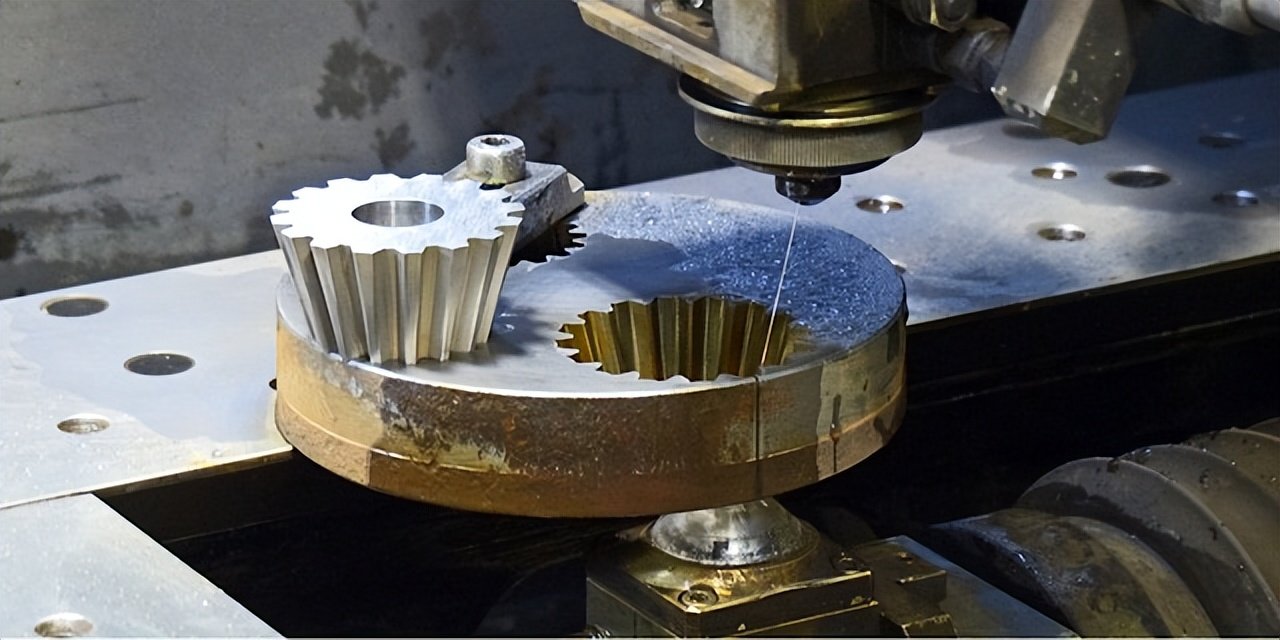
The surface quality of the workpiece is excellent; the cutting speed is relatively slow. By employing multiple finishing passes, it is possible to achieve a surface roughness of Ra 0.1 μm; in comparison, the surface produced by faster wire-cut EDM is even smoother.
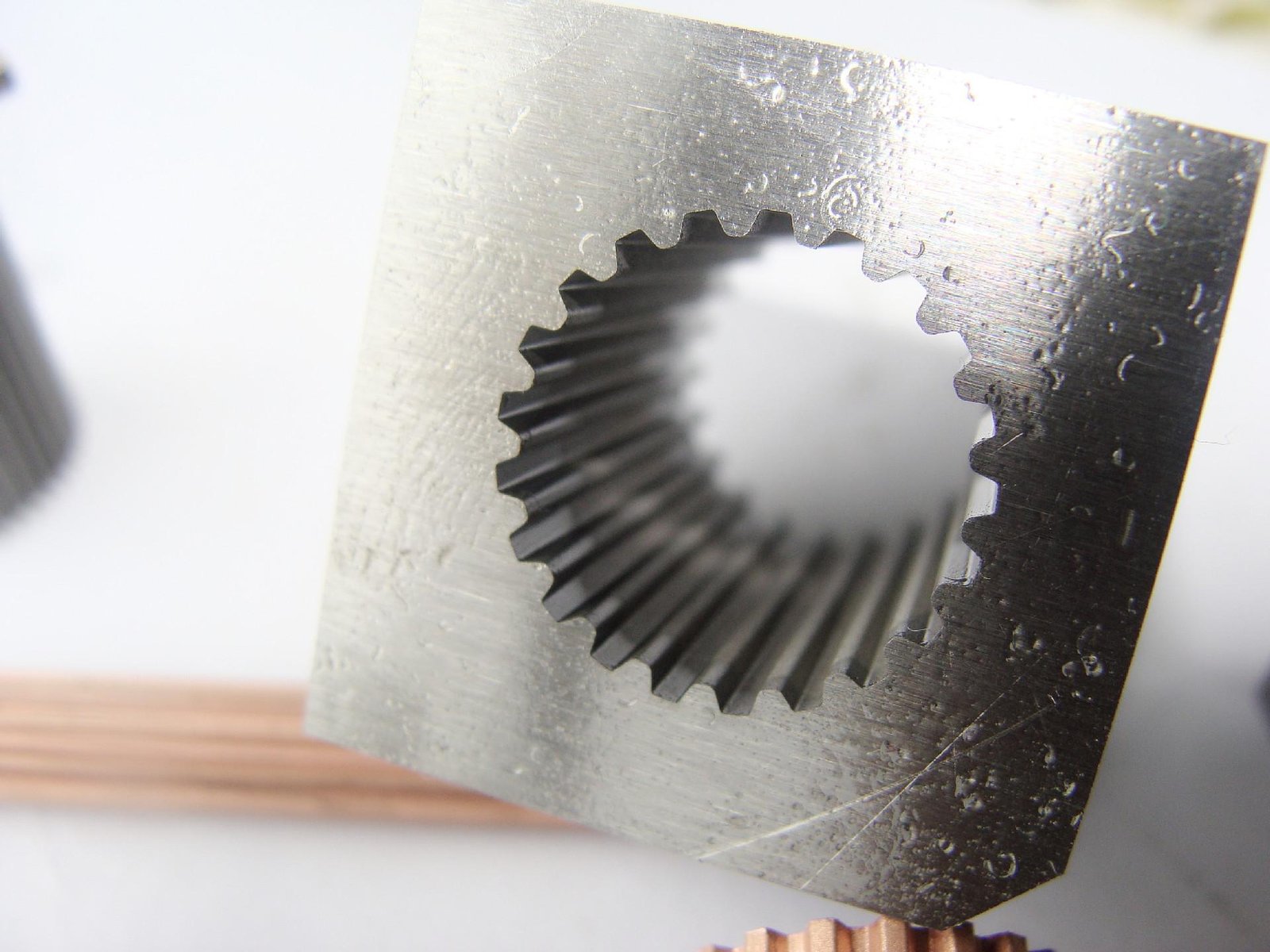
It offers high cutting precision and is capable of high-precision cutting at low speeds; its positioning is accurate and error-free, with a precision of up to 0.002 mm, thereby meeting the fit requirements for the majority of components.
The long tool life is due to the fact that low-speed cutting significantly extends the service life of the wire and reduces wear. The cutting forces are low because low-speed cutting minimises the impact of these forces, making it particularly suitable for brittle materials. It is also capable of machining hard and brittle materials, such as ceramics and glass, with high precision and minimal impact on the material. The range of materials that can be machined is quite extensive, covering various metallic and non-metallic materials with thicknesses ranging from a few millimetres to several tens of millimetres. The equipment is compact in design; its simple and compact structure means it occupies minimal floor space. It is highly environmentally friendly; the cutting process involves no heat-affected zone and produces no swarf, making it safe for operators. It is capable of machining complex shapes—such as concave or square profiles—and offers a high degree of flexibility. Characteristics and Advantages of the Mirror Grinding Process
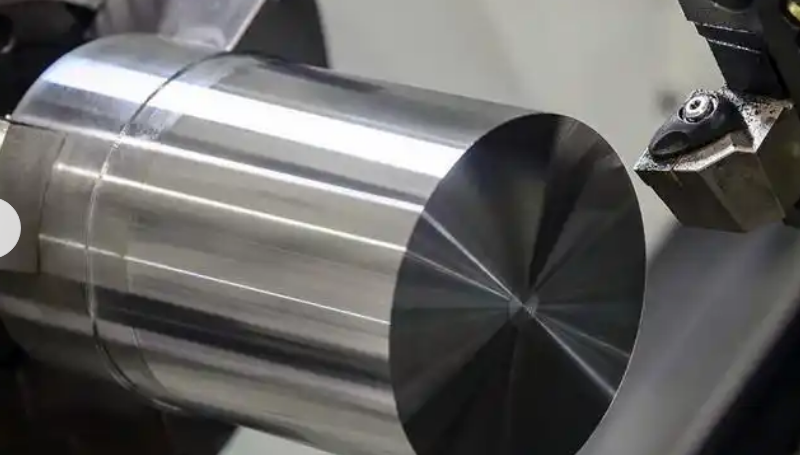
The main characteristics and advantages of the mirror-finish grinding process are as follows:
High surface quality; mirror-finish grinding produces a highly polished surface, with a surface roughness (Ra) value of within 0.01 μm.
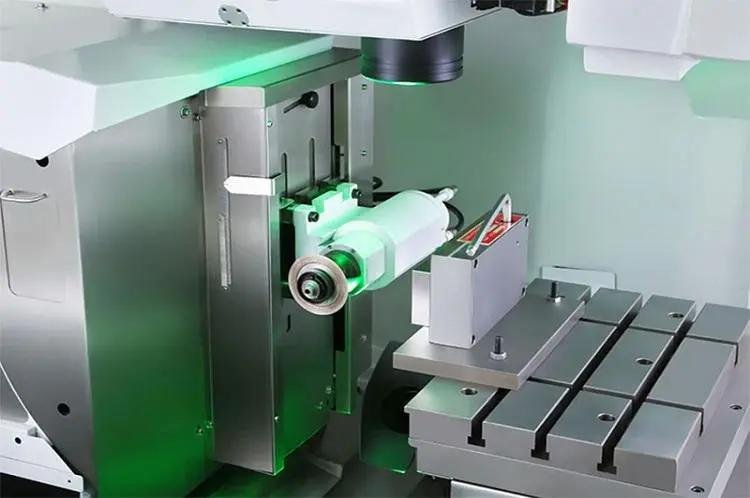
High precision: Mirror-finish grinding can achieve a precision of up to 0.5 μm, meeting the requirements for the machining of precision components.
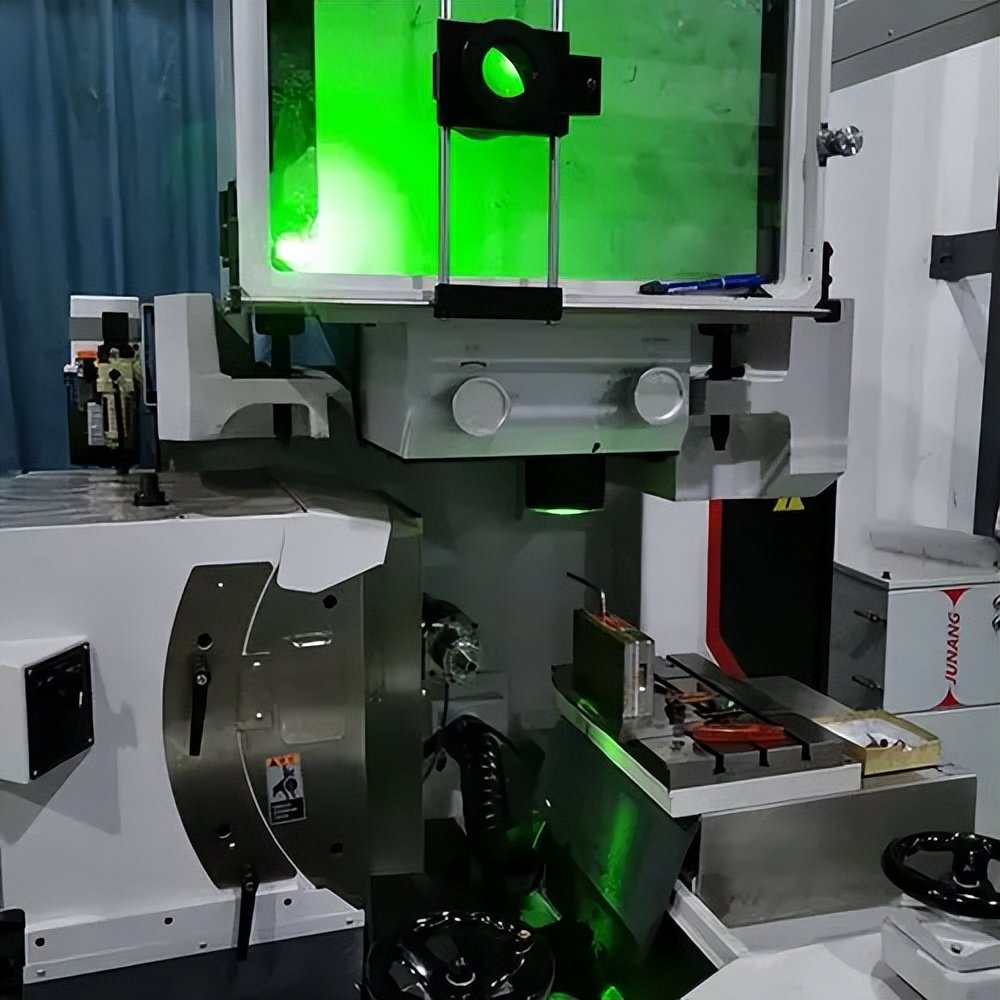
Machining efficiency is exceptionally high: the use of super-hard abrasives and high-speed, automated equipment ensures a high level of efficiency during mirror grinding, whilst defects from the preceding process are eliminated: Defects such as scratches, burrs and heat-affected zones resulting from previous processes can be effectively eliminated, whilst plastic deformation is minimal: As a cold-working process, mirror grinding does not generate heat in the workpiece, and therefore no residual stresses are introduced: Mirror grinding does not introduce new residual stresses into the workpiece, and the scope of application is relatively broad: mirror grinding can be carried out on various types of metal, ceramic products, glass materials and gemstones.
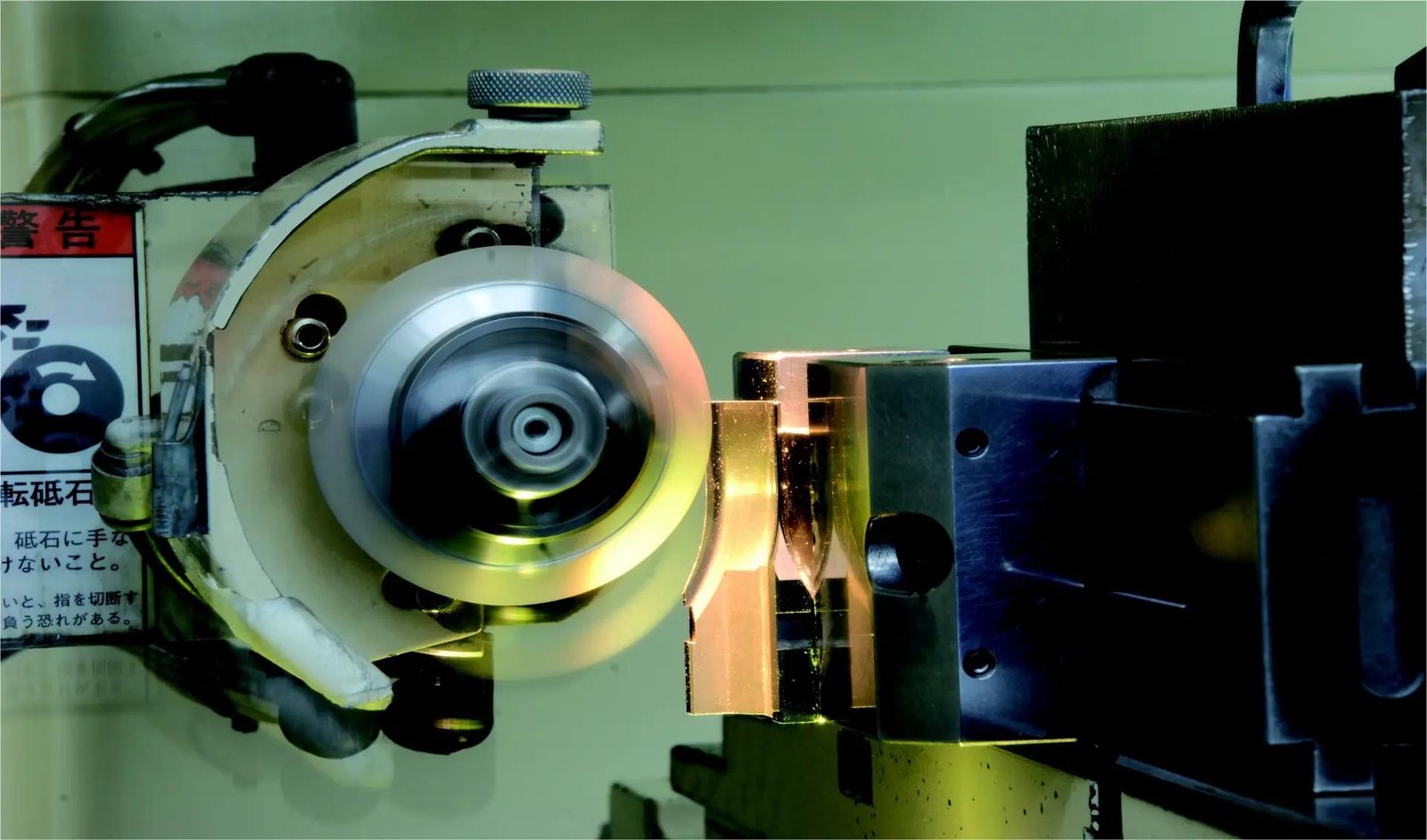
High level of automation: Modern mirror-finishing equipment offers a high degree of automation, thereby simplifying the operation. Environmental benefits: During mirror finishing, there is no contamination from swarf or dust, and the process poses no hazard to operators.
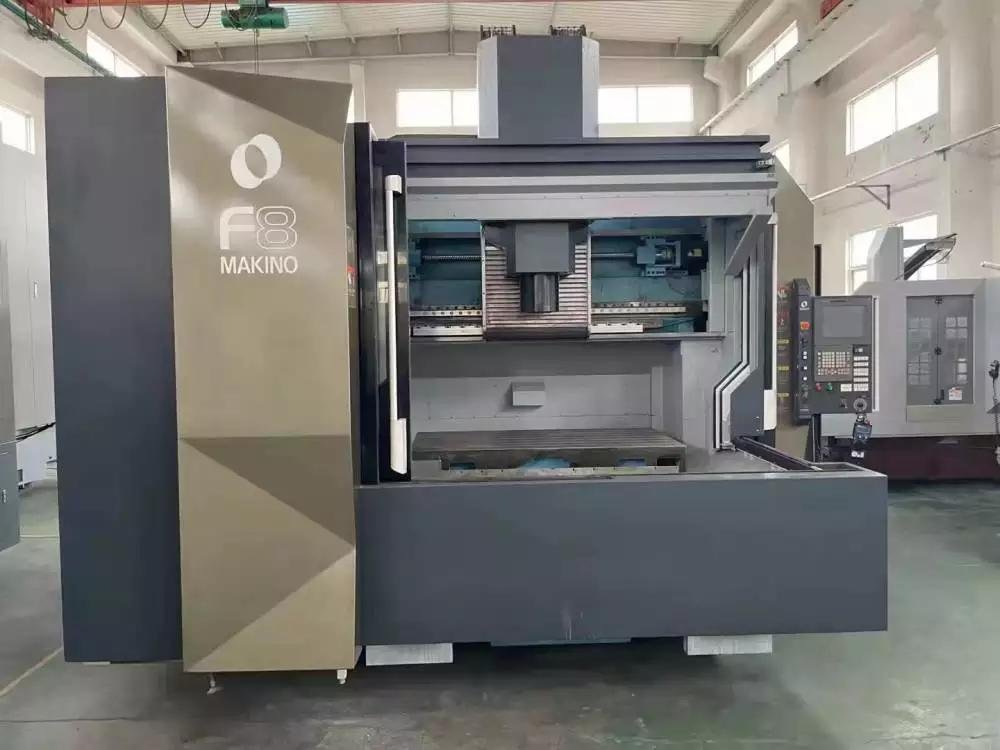
In summary, this type of mirror-finish grinding not only improves the quality of the machining process but also enhances efficiency, thereby providing an effective means of achieving high-precision and high-quality machining!
Case Studies on Products Combining Wire-Cut EDM and Grinding
A customer has designed a very good component, which requires high-quality wire-cut EDM machining as well as high-quality grinding operations. We happen to have the appropriate equipment for this, as well as the corresponding processes.
Following our initial discussions, the client’s product performance requirements are as follows:
1: High-grade stainless steel is used as the material, with a hardness requirement of 55 HRC or above;
2: The housing and slider fit together precisely, allowing the part to slide under its own weight;
3: Once the cavity and the slider are flush, there should be no visible gap (seam);
4: Once the chambers are connected, a gentle press is required to move the various sliders up and down;
In response to our clients’ requirements, we have made the following arrangements:
We recommend that customers select 440C stainless steel, which is magnetic, and that it undergoes heat treatment before further machining. 440C stainless steel possesses corrosion- and rust-resistant properties, and its magnetic nature makes it easier to machine.
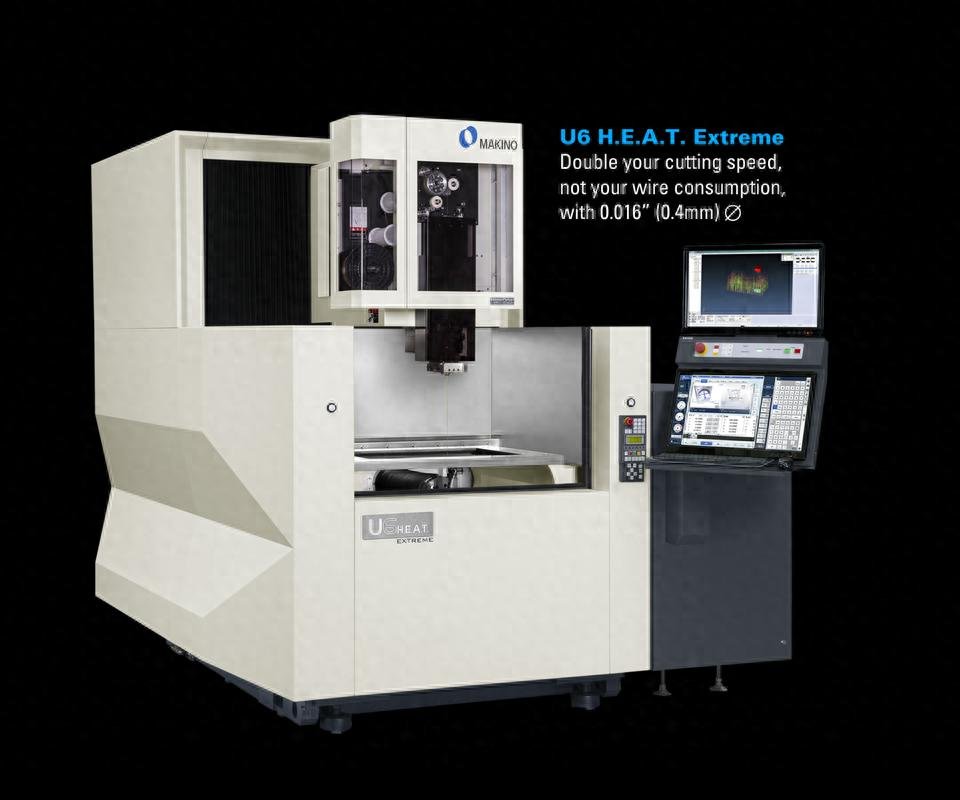
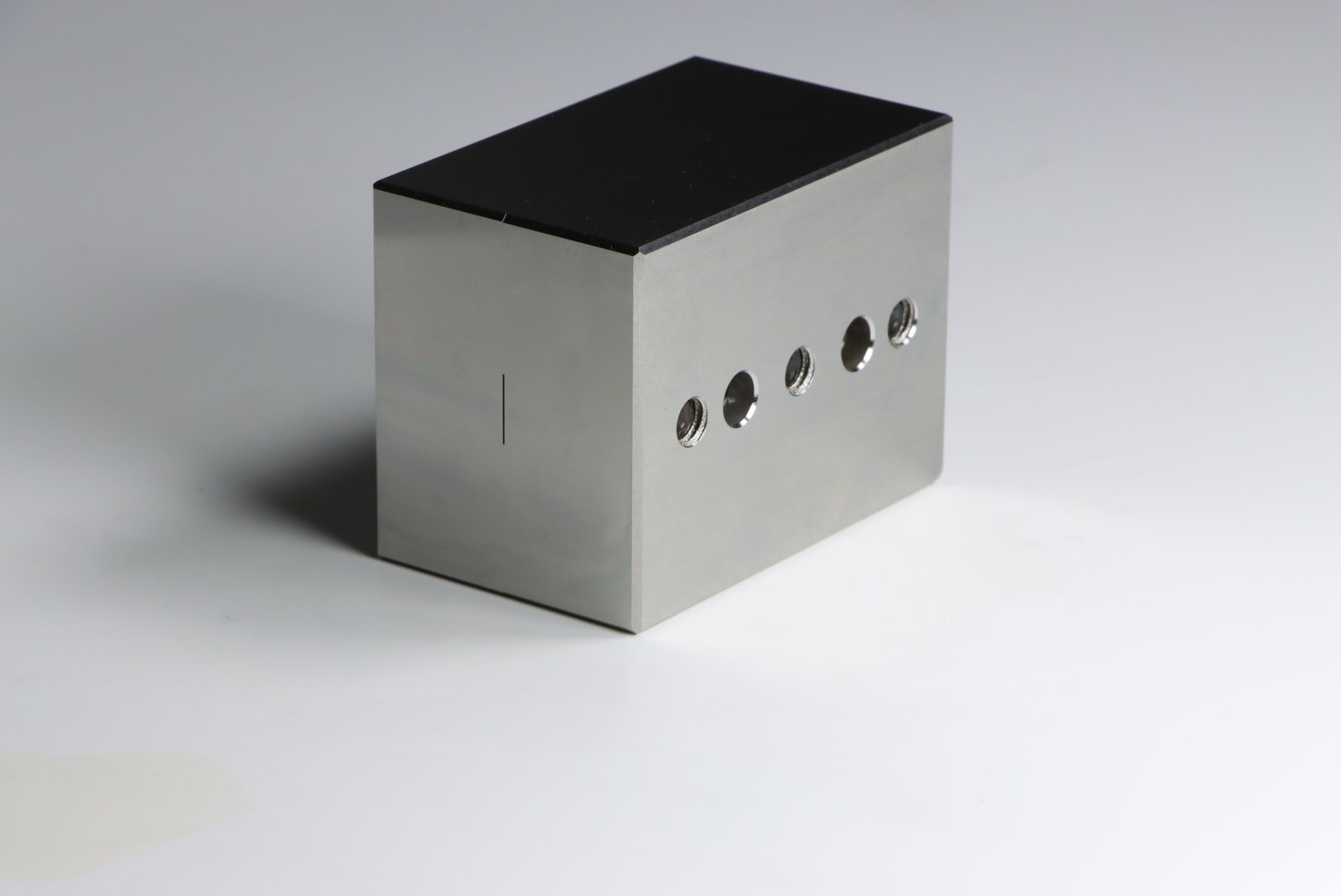
Component 1: Chamber; Component 2: Slider. The two components are able to slide against one another under their own weight. When carrying out the machining process, we selected a U3 H.E.A.T. slow-wire EDM machine, to machine the holes in the chamber and the contour of the slider respectively, thereby meeting the specified requirement for a 0.002 mm clearance between the parts. Furthermore, the surfaces are smooth and possess a certain degree of airtightness.
3: To ensure that there are no visible gaps once the housing is flush with the slider, we use a G5 precision grinding machine to machine the assembled housing and slider, achieving an overall surface flatness of 0.002 mm, resulting in a finish where no visible assembly marks are discernible to the naked eye under natural light, producing a flawless result.
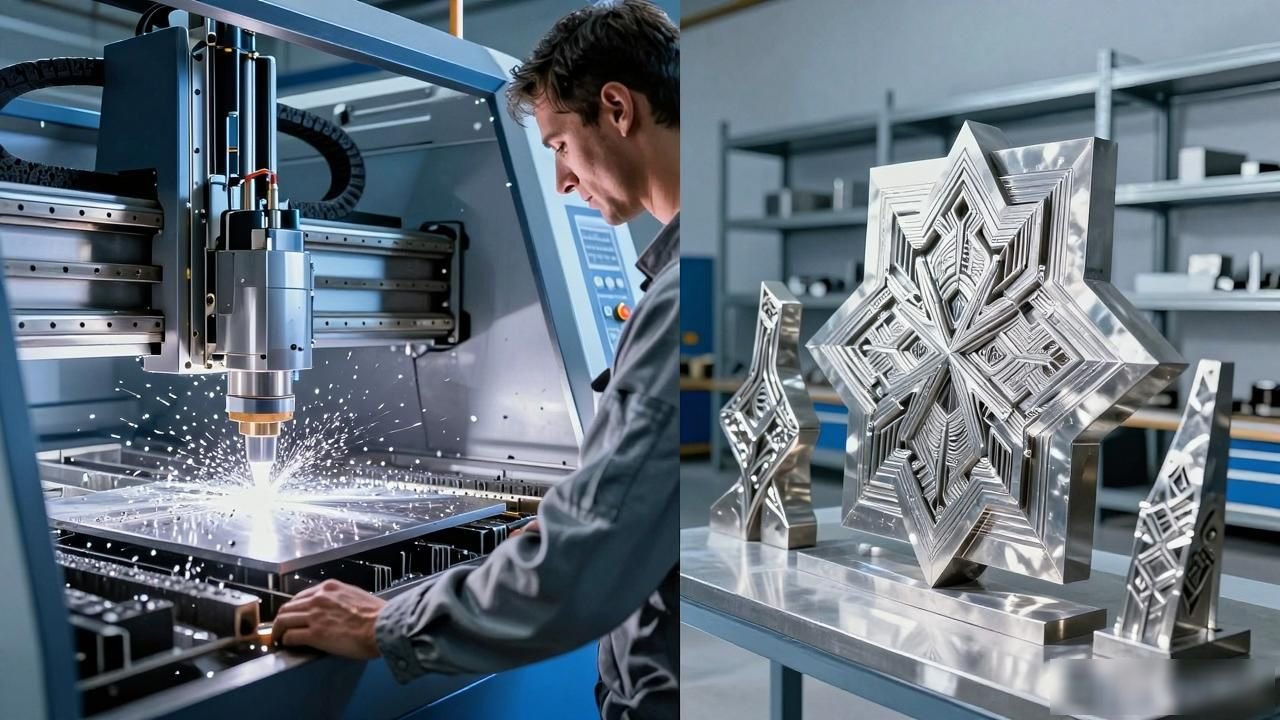
Following our ongoing experimentation and fine-tuning, please watch the video to see the overall result:
Challenges and Triumphs: A Journey Through Complexity
Creating works of art that involve wire-cut machining and complementary processes—and which are essential reading for engineers—is by no means without its challenges; yet these challenges often lead to breakthroughs in innovation. Some of the challenges faced by artists and engineers include:
Frequently Asked Questions (FAQs), Q: What is this product—a must-read for engineers on wire-cut machining and complementary processes—and does it fall within the category of works of art?
Wire-cut machining and complementary processes—a must-read for engineers—involve combining wire-cut technology with other processes to create works of art that are truly breathtaking, showcasing the fusion of engineering and artistic creation.
Q: How do artists and engineers collaborate in this process?
Musicians and architects collaborate by drawing fully upon their respective areas of expertise; architects provide technical insights to help realise musical visions, whilst musicians inspire architects to engage in creative thinking, thereby pushing the boundaries of innovation.
Question: Could you provide an example of a work of art involving wire-cut machining and associated processes that engineers should read?
No problem at all! Just imagine a sculpture that combines 3D-printed metal components with handcrafted textiles. This piece embodies a harmonious blend of industrial precision and artistic craftsmanship.
Q: What role does technology play in this art form?
Technology has played a crucial role in the process of integrating diverse artistic techniques; advanced technologies such as wire-cut technology, electronic integration and lighting effects have helped to push the boundaries of artistic expression.
Q: How do artists overcome the challenges associated with integrating with their materials?
Through rigorous experimentation and collaboration with engineers, the artists overcame the challenges of combining materials; by understanding the properties of each material and testing their compatibility, they created a harmonious composition.
Q: What are your predictions regarding the future trends in wire-cut machining and the associated processes—a field that every engineer must study—and the art forms it enables?
The future holds exciting possibilities, including the integration of artificial intelligence and robotics into the artistic creation process; these technologies may completely transform the way artists and engineers collaborate, thereby leading to the production of more innovative works.
Conclusion:
This masterpiece—a must-read for engineers on wire-cut machining and fitting techniques—showcases the pinnacle of engineering expertise whilst embodying the highest standards of artistic creation. Through the fusion of diverse techniques, artists and engineers have collaborated to create captivating works that push the boundaries of creativity and innovation. As technology continues to evolve, the world of this masterpiece—a must-read for engineers on wire-cut machining and assembly techniques—is witnessing ever more astonishing breakthroughs, which are bound to inspire admiration and awe.



 Chinese
  Japanese
  English
  German
  Finnish
No comments