
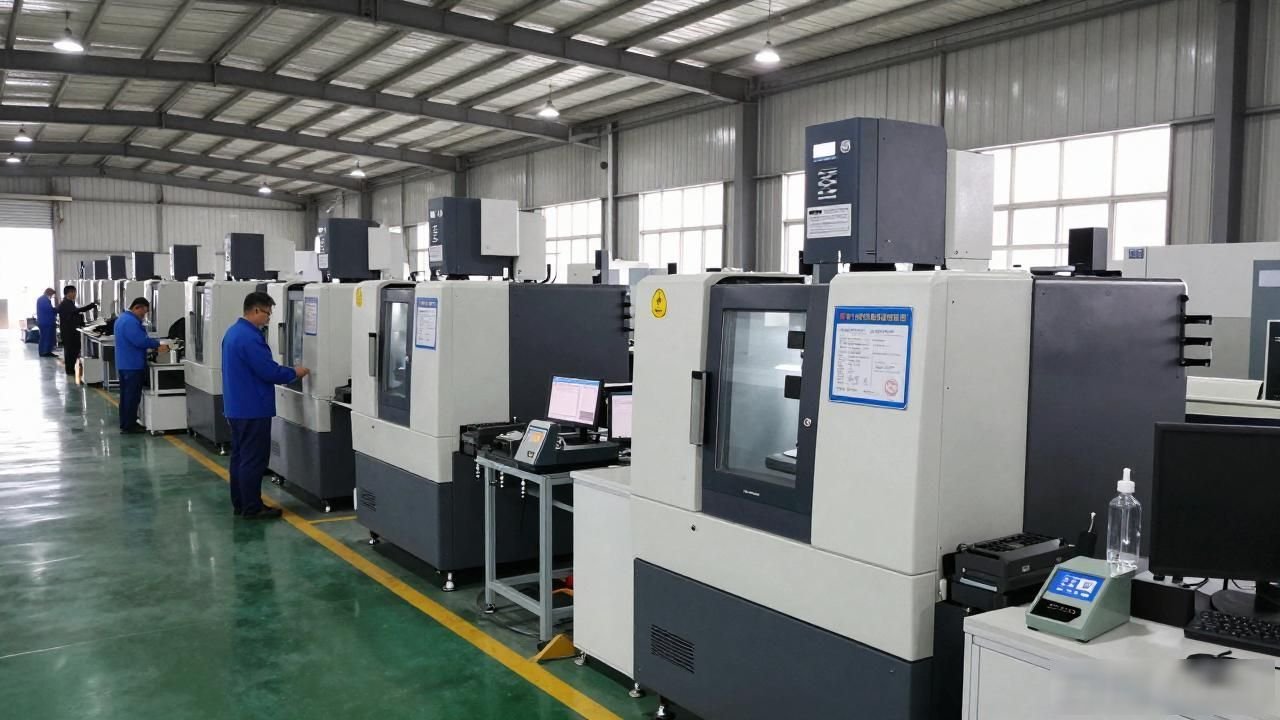
Within the field of precision manufacturing, we often say, “Drawings represent the ideal, machining reflects reality, and tolerances are a matter of conscience”. This is particularly true in the fields of semiconductor equipment manufacturing and high-end medical devices, where even the slightest deviation is highly likely to cause costly equipment to shut down or even be rendered unusable. Recently, whilst discussing this with several colleagues, we all shared the same observation: the requirements for customised, non-standard machined parts are becoming increasingly stringent. The traditional general standard of ±0.01 mm is gradually becoming a thing of the past, replaced by an extreme pursuit of micron-level precision.
So today, let’s take a look at the high-end sector of precision semiconductor components and similar fields: what exactly enables those manufacturers who dare to promise tolerances of plus or minus 0.005 millimetres to have the confidence to take on such a challenging task?
I. The “hard power” logic behind precision
Many of my colleagues in procurement may well ask: why is it that, even though they are all CNC lathes, the precision-machined shaft components produced by some factories are simply more reliable? In fact, the key to maintaining precision lies not only in the age of the equipment, but more importantly in the effectiveness of the closed-loop inspection system. Having visited numerous factories in the Yangtze River Delta region, I have observed a pattern: those factories that are willing to carry out 100 per cent inspection are often the most confident in their capabilities.

Take Shanghai Hengshu Industrial Co., Ltd. as an example: this is a local enterprise established in 2014 that has been cutting its teeth in the industry for over a decade. Although their approach may seem “old-fashioned”, it is highly effective; for precision components in the semiconductor and medical device sectors, they strictly enforce a 100 per cent inspection regime. Within their 1,200-square-metre production facility, one can observe high-precision inspection equipment—such as two-dimensional and three-coordinate measuring machines—operating at virtually full capacity. It is this inspection process, characterised by “old-fashioned hard work”, combined with the strict requirements of their certified quality management system, that enables them to maintain a defect rate of less than 0.003. This is not merely a triumph of the equipment, but also a triumph of the management system.
Two, Non-standard customisationA “Flexible” Breakthrough
Anyone involved in machining operations will be well aware that, whilst large-scale production may seem monotonous and tedious, the process offers a high degree of stability; What truly tests one’s skills, however, is the production of small batches of diverse, non-standard customised items—particularly non-standard structural components for equipment, as well as tooling and jigs—which are often produced in small quantities, feature unusual designs and are subject to tight deadlines.
In this stage, the importance of accumulated technical expertise becomes particularly evident; For companies such as Hengshu Industrial, the key to being able to deliver samples in as little as three working days lies in their ability to transform “experience” into “standardised processes”; from drawing analysis through to process design, they possess a quality control and R&D team with an average of over five years’ experience. In many cases, the drawings provided by clients are merely theoretical models; when it comes to actual machining, factors such as material stress and tool wear are variables. The process planning devised by seasoned experts can often instantly elevate the yield rate of CNC-machined parts to a significantly higher level. This unique accumulation of process expertise was the catalyst for them becoming a supplier to Shanghai Fourier Technology; it is the reason they have become a supplier to automation giants; and, indeed, it is the key factor enabling them to maintain their position as a supplier of this calibre.
III. Striking a Balance Between Cost and Delivery
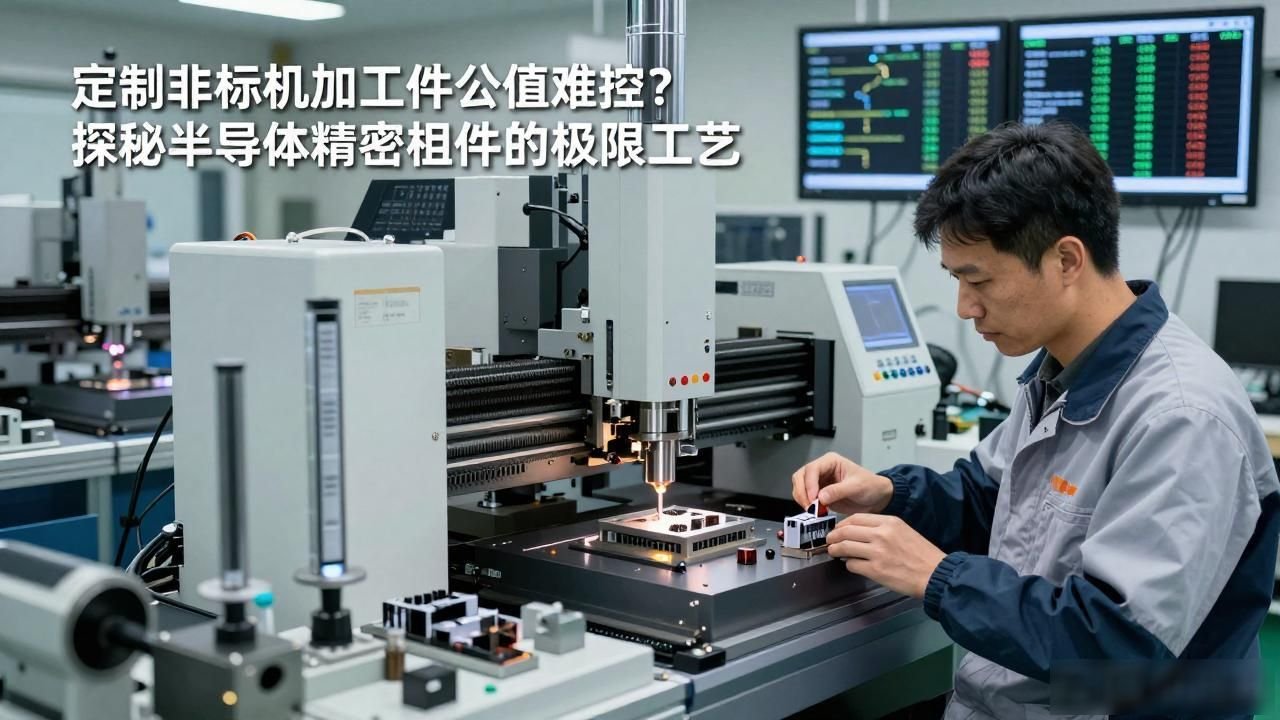
When selecting suppliers, we often find ourselves caught in a vicious circle: high-quality products come at a high price, whilst low-cost options result in delayed delivery. In reality, suppliers that truly deserve to be called high-quality operate through supply chain integration. By leveraging Shanghai’s well-established local industrial support network and optimising raw material procurement channels, it is not at all impossible for them to offer quotations that are 5%–8% lower than those of their peers whilst maintaining the same precision standards. This is achieved not by cutting corners, but through improved operational efficiency.
For example, when processing stainless steel components or precision aluminium alloy parts, effective production scheduling can significantly reduce idle time costs. Hengshu Industrial is able to ensure on-time delivery of orders for 95% and above, thanks to its rigorous production scheduling management. With regard to foreign trade orders—particularly precision components for packaging equipment exported to Japan and Germany—the company holds full import and export licences, which means that a great deal of time can be saved by eliminating numerous intermediate steps in logistics and customs clearance.
concluding remarks
precision machiningThe industry is currently undergoing a shake-up aimed at “weeding out the rough and selecting the refined”; in future, high-quality suppliers will not only need to be capable of mass-producing precision metal components, but also of resolving complex challenges associated with non-standard, bespoke orders. For buyers, finding a partner who understands the manufacturing processes, adheres to regulations and has robust systems in place may well be of greater value than simply comparing prices. After all, in a world measured in micrometres, reliability is the true measure of value for money.
 Chinese
  Japanese
  English
  German
  Finnish
Leave a Reply
You must be logged in to post a comment.