
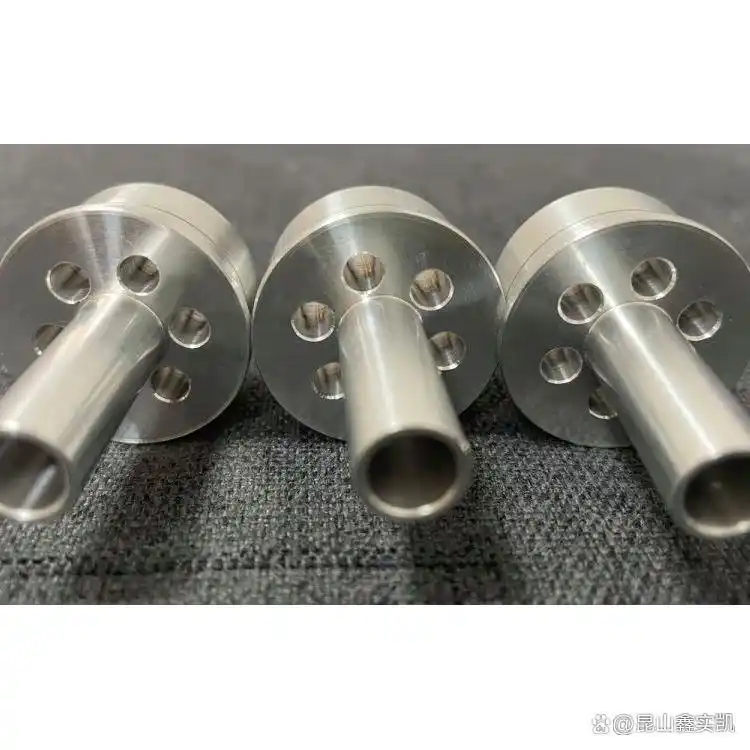
于machiningWithin the scope, that Heilongjiang nylonmill-turnMachining is a much-discussed technology, , which combines turning and milling to open up new possibilities for machining nylon. What exactly are the characteristics and advantages of this technology? Let’s take a closer look together.
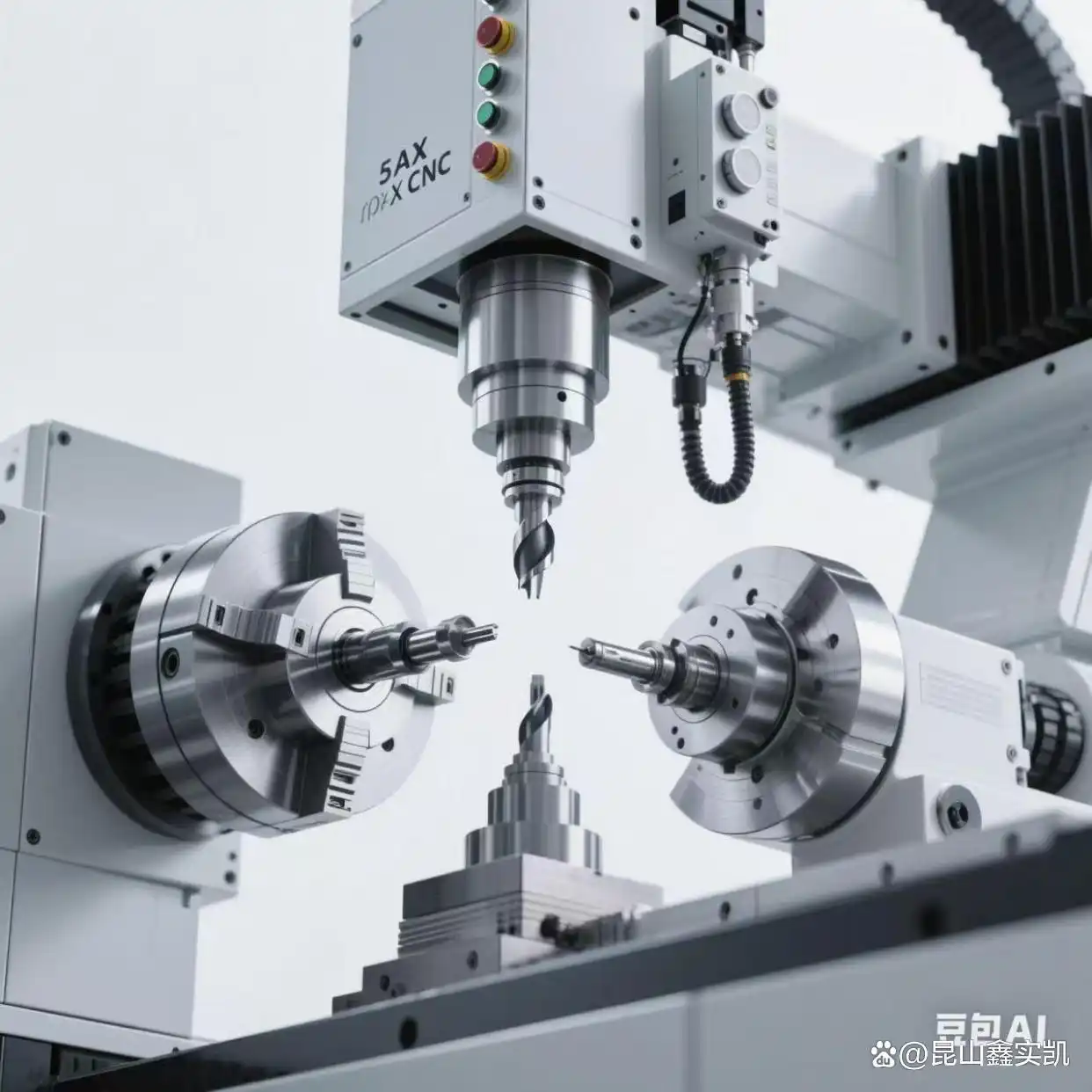
To begin with, we set out to understand exactly what nylon turning and milling composite machining entails. Combined turning and milling of nylon is a machining method that integrates turning and milling processes into a single operation. During turning, material is removed through the rotational movement of the workpiece and the linear movement of the cutting tool, whilst milling involves cutting through the rotation of the cutting tool and the movement of the workpiece. With nylon turning and milling combined machining, these two processes can be carried out on a single machine, greatly enhancing machining efficiency and precision.

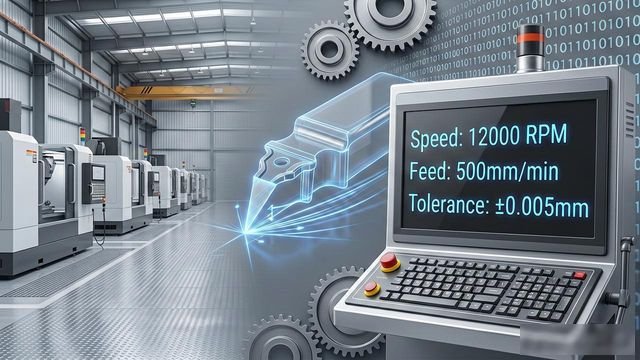
Nylon turning and milling composite machining in Heilongjiang offers numerous advantages. Firstly, it achieves high machining accuracy; this is because turning and milling can be carried out continuously on the same machine, reducing the number of times the workpiece needs to be clamped and thereby minimising accuracy losses caused by clamping errors. Furthermore, advanced CNC systems can control the tool’s movement path and cutting parameters, thereby ensuring the accuracy of machined dimensions. Secondly, production efficiency is high; whilst traditional machining methods may require multiple set-ups and machining operations across several machines, combined turning and milling can complete multiple processes in a single set-up, significantly reducing machining time. Furthermore, turning-milling composite machining enables automated production, thereby further enhancing production efficiency. Thirdly, this machining method offers a wide processing range. Nylon is a material with excellent mechanical properties and chemical stability, and is widely used in numerous fields such as electronics, mechanical engineering and the automotive industry. Combined turning and milling processing can handle nylon workpieces of various shapes and dimensions, thereby meeting the requirements of designs of varying levels of complexity.
In the Heilongjiang region, during the process of combined turning and milling of nylon, attention must be paid to certain key technical points; for instance, the selection of cutting tools is of paramount importance. Different types of nylon possess varying degrees of hardness and toughness, so it is necessary to select suitable cutting tools for machining. Generally speaking, carbide cutting tools possess high hardness and wear resistance, making them suitable for machining most nylon materials, Furthermore, the optimisation of cutting parameters is equally crucial to ensuring machining quality. Appropriate cutting speed, feed rate and depth of cut can enhance machining efficiency whilst minimising tool wear and workpiece surface roughness.
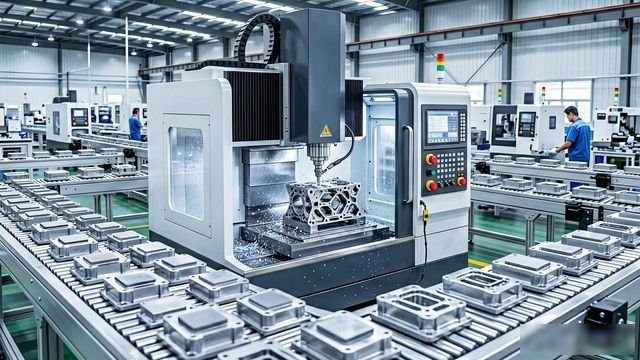
In the Heilongjiang region, the scope of application for combined turning and milling of nylon is not limited to isolated cases, but is in fact particularly extensive. In the electronics sector, nylon is frequently used to manufacture housings and brackets for a wide variety of electronic components, and combined turning and milling ensures the precision and quality of these parts. In the mechanical engineering sector, components such as nylon gears and bushings are also frequently produced using combined turning and milling processes.processing technologyfor manufacturing purposes. Furthermore, in the automotive sector, nylon is also widely used in components such as engines and gearboxes; mill-turn machining is capable of meeting the precision and performance requirements of these components.
There is a machining technique known as ‘Heilongjiang nylon turning and milling composite machining’, which is of considerable significance. This technique not only enhances the machining efficiency of nylon materials but also improves their machining accuracy. Furthermore, this technique broadens the scope of applications for nylon materials.Areas of application. As technology continues to advance, we are confident that this technique will find applications in an increasing number of fields and undergo further development. If you are interested in composite milling and turning of nylon, why not delve deeper into the subject and explore the secrets it holds?
 Chinese
  Japanese
  English
  German
  Finnish
Leave a Reply
You must be logged in to post a comment.