


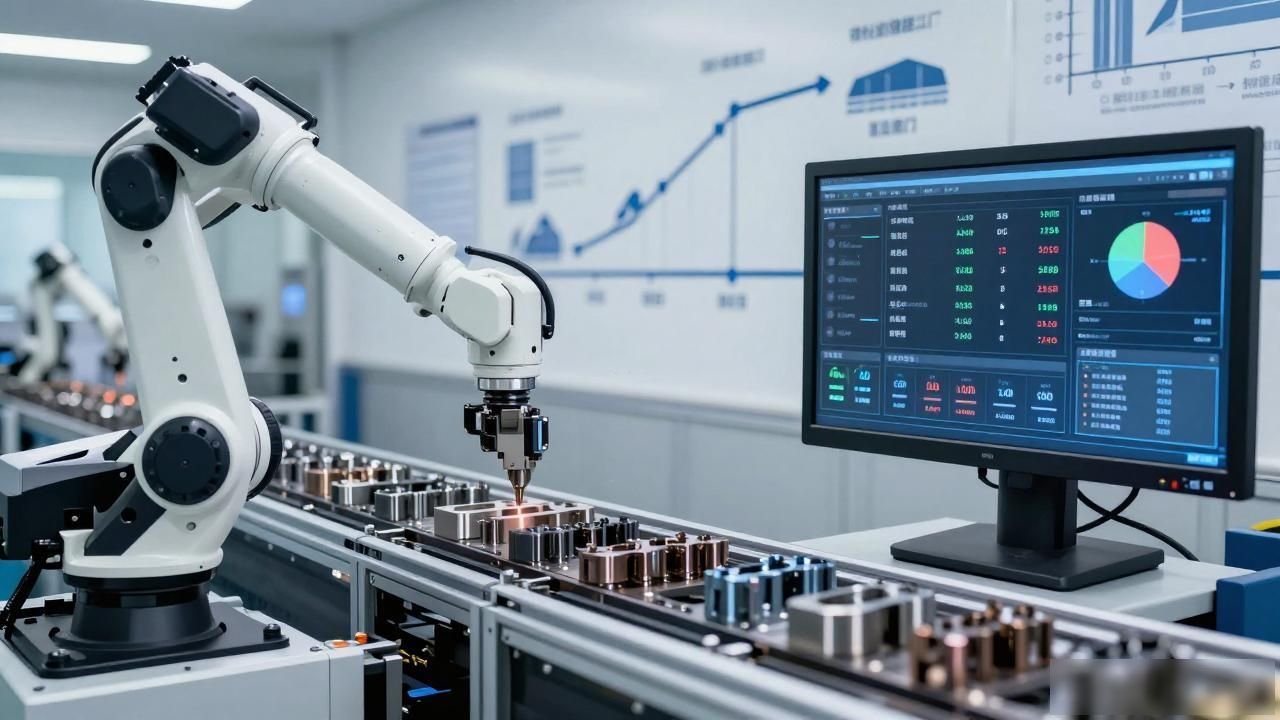
Parts Machining for Automated Production Lines: A Systematic Approach to Precision Manufacturing
Industry Background: Technical Challenges in the Machining of Components for Automated Equipment The manufacturing sector is currently undergoing a profound digital transformation. As automated equipment serves as a key driver of industrial modernisation, the machining of its components faces multiple technical challenges: the demand for machining accuracy is shifting from the micrometre range to the sub-micrometre range.

2026 Recommended List of Precision CNC Machining Service Providers: A Guide to Reliable Suppliers
2026 Recommended List of Precision CNC Machining Service Providers: A Guide to Reliable Suppliers I. Industry Background and Selection Criteria for the List According to statistics from the *White Paper on the Development of China’s Precision Metalworking Industry 2025–2030*, the domestic precision metalworking market exceeded 1 in 2025
Design Approaches for Non-Standard Automation: Even Beginners Can Understand | Say Goodbye to Drawing and Guessing
Design Approaches for Customised Automation: Even Beginners Can Understand | Say Goodbye to Drawing Without a Plan Many beginners new to the field of customised automation share the same dilemma: they draw a blank when faced with a requirements specification, can only copy old drawings, and are unable to design anything when a product requires even a minor modification.

Suzhou CNC Machining Centre
# Click here to visit the official website for contact details # As a key manufacturing city in the Yangtze River Delta, Suzhou has seen its CNC machining centre industry gradually develop, building on the city’s strong manufacturing foundations. This city, which combines historical heritage with the dynamism of modern industry,
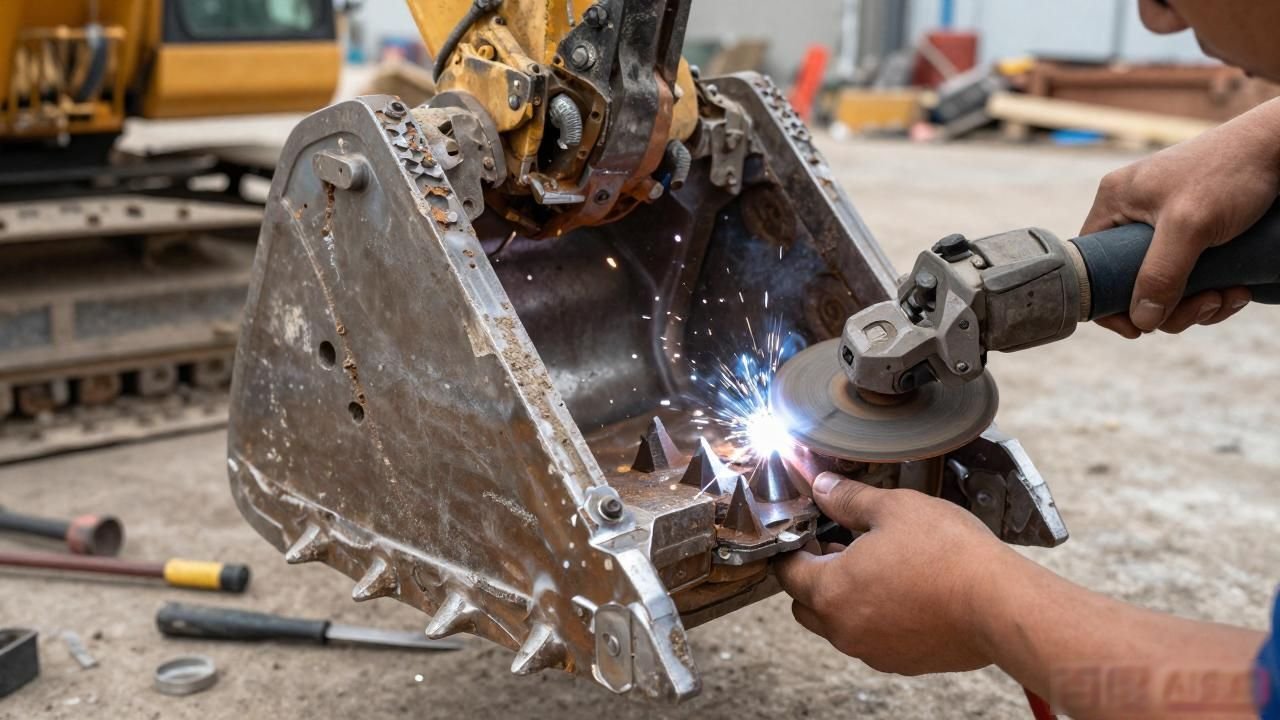
Methods for Welding and Repairing Excavator Buckets and Bucket Teeth
I. Bucket Materials and Their Weldability 1. Before welding, the weld area must be thoroughly cleaned—that is, the original cracked weld metal must be removed, either by grinding with an angle grinder or, where possible, by carbon arc gouging.
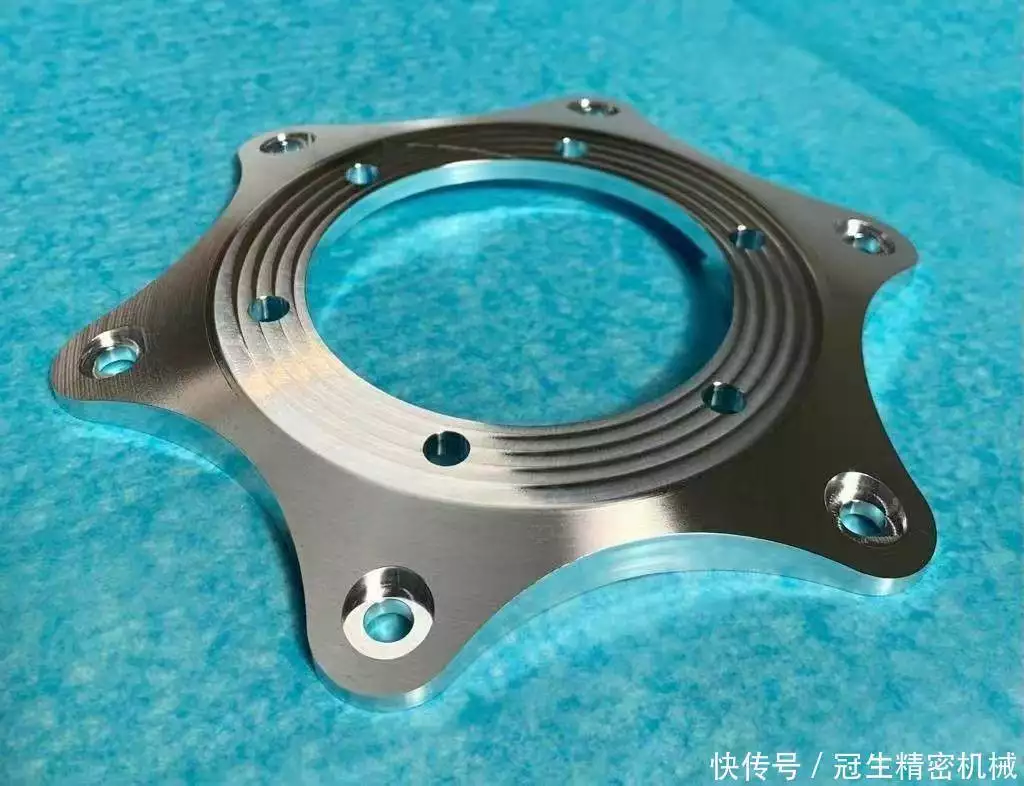
Custom Parts Machining in Quanzhou
In the field of industrial production, parts machining is divided into two main categories: standardised and non-standardised. Standardised parts have uniform specifications and dimensions and can be mass-produced. Non-standardised parts, on the other hand, are designed and manufactured to meet specific requirements.
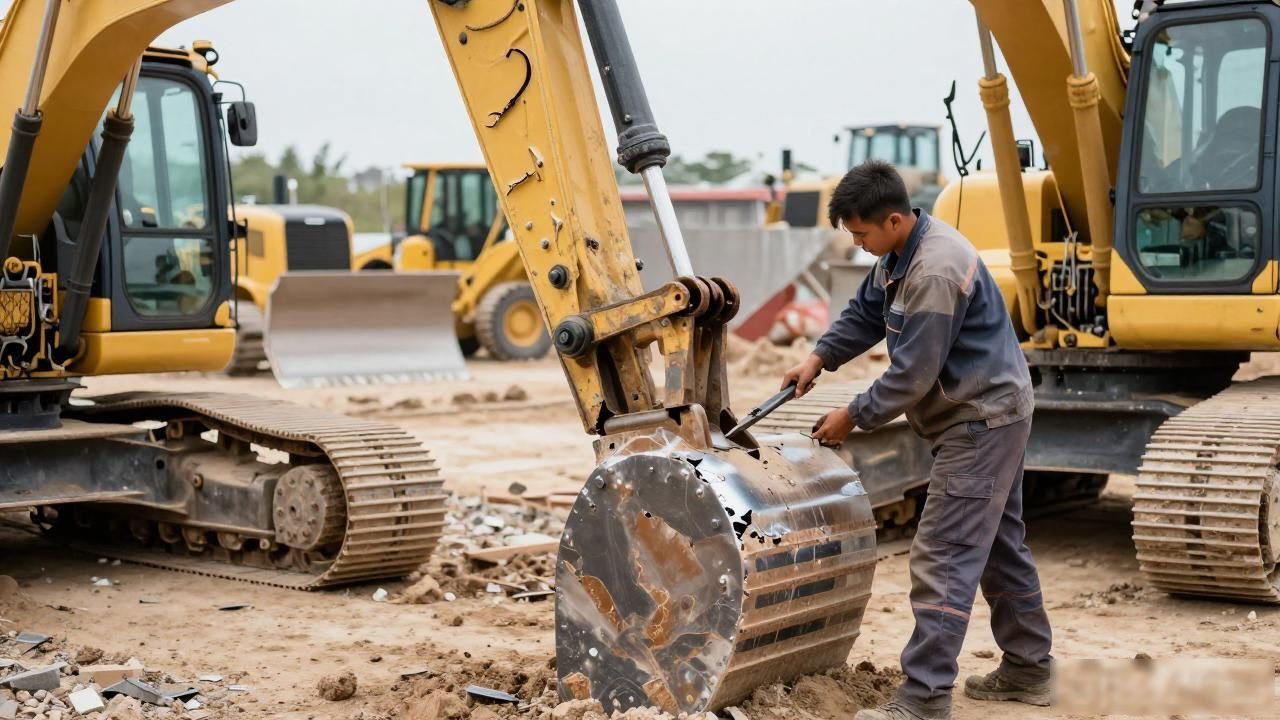
One repair solution for cracks in excavator booms and dials (illustrated)
[Original content from Tiejia Construction Machinery Network] One of the lads in Tiejia Group 4 has been pestering me for the past few days, either asking me to tell a story or to post the repair plan for the severed arm. A man has to satisfy his woman, and his mates too.
Micro-cutting techniques for the machining of small components
Electronic Edition, No. 18, 2013. Micro-cutting technology is a high-speed, low-cost method for the machining of minute components; it represents a future trend in manufacturing technology and is one of the key technologies to be prioritised for development in the 21st century.
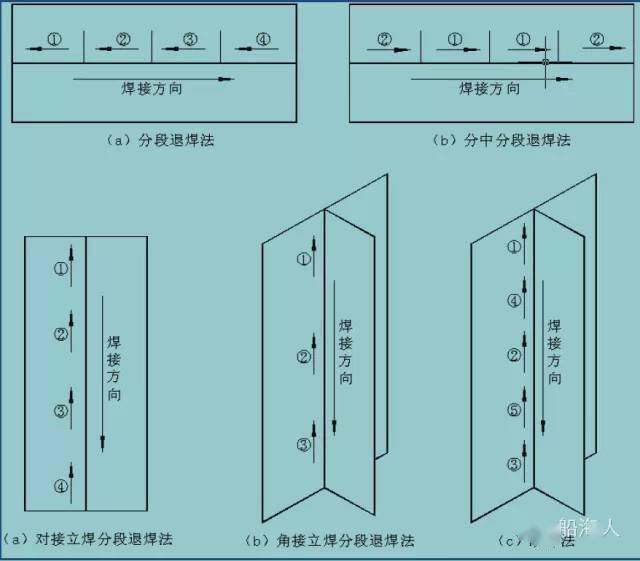
[Practical Tips] Welding Sequence for Ship Hull Structures
3.3 If the end of a fillet weld is located on the closure edge of a section, a length of approximately 200 mm should be left unwelded at that section for the time being; this section should be welded only upon closure, as shown in Figure 4(c). b) After tack welding the longitudinal girders, web plates and inner bottom plate flat assemblies

What kind of drawings are required for CNC programming?
CNC programming requires complete technical drawings that include dimensions, tolerances, material specifications and surface roughness. In the manufacturing industry, computer numerical control (CNC) programming is a crucial step in ensuring the precision of machined parts. To carry out accurate and error-free programming
 Chinese
  Japanese
  English
  German
  Finnish