


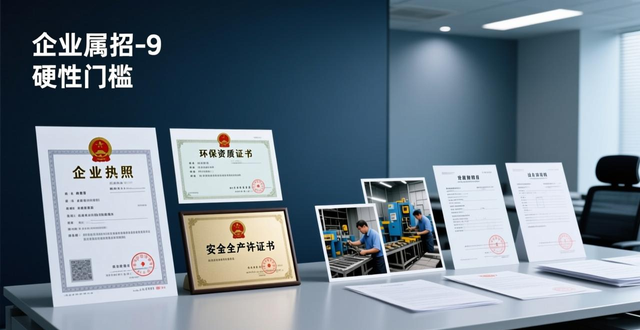
How to participate in scrap metal treatment tender? Process and precautions full analysis
How to participate in the bidding of scrap metal treatment? Process and attention to the full analysis of a bidding information: authoritative channels and timeliness control Scrap metal treatment projects are usually initiated by state-owned enterprises, municipal sanitation units, large manufacturing enterprises or environmental protection industry parks, bidding information...
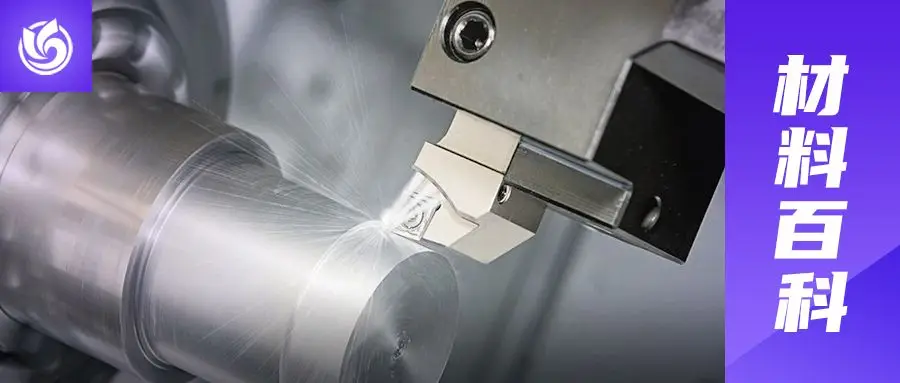
The 4 Main Reasons Why Titanium Alloys Are Difficult to Machine and 7 Solutions
When machining titanium alloys, elastic deformation is likely to occur, particularly when machining thin-walled or ring-shaped components. Where necessary, coated cutting tools may also be used to reduce the stickiness of the alloy and break up excessively long chips. 05 Change cutting tools according to the machining process when machining titanium alloys
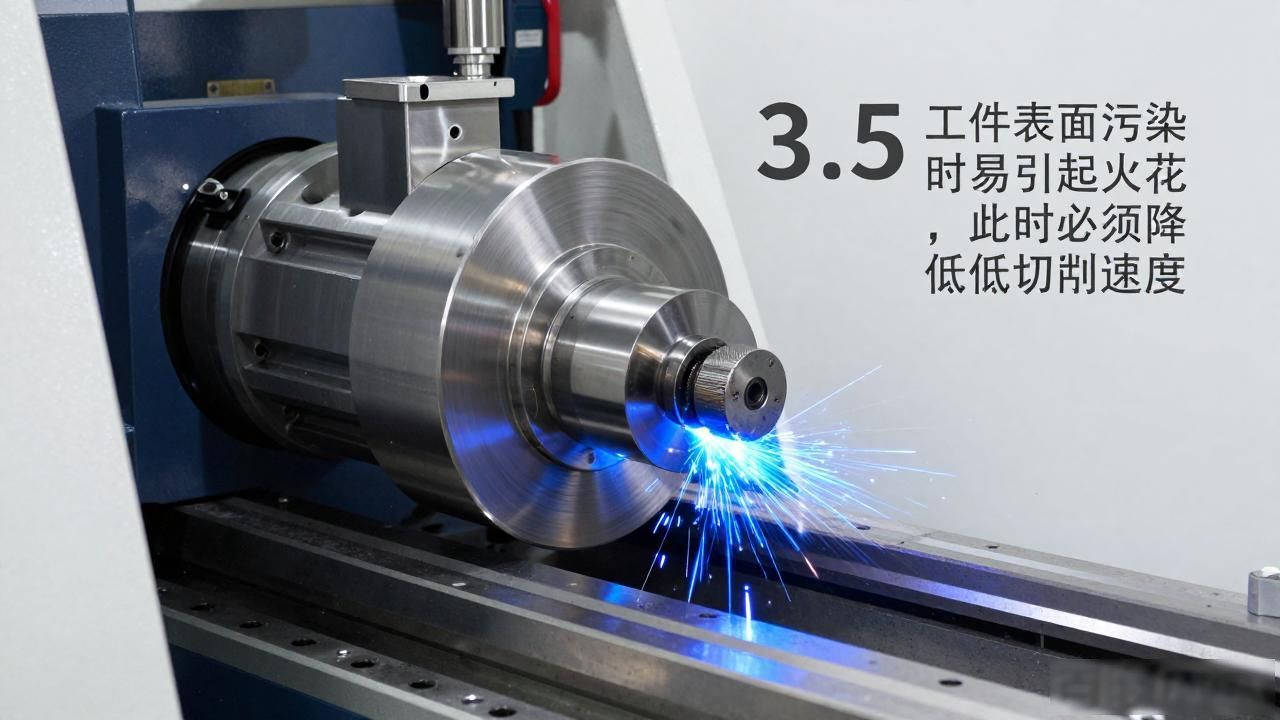
Analysis of the Machining of Titanium Alloys
Analysis of the Machining of Titanium Alloys Abstract: This paper analyses the machining processes for titanium alloys and proposes appropriate measures to ensure machining quality. Keywords...

What kind of drawings are required for CNC programming?
CNC programming requires complete technical drawings that include dimensions, tolerances, material specifications and surface roughness. In the manufacturing industry, computer numerical control (CNC) programming is a crucial step in ensuring the precision of machined parts. To carry out accurate and error-free programming
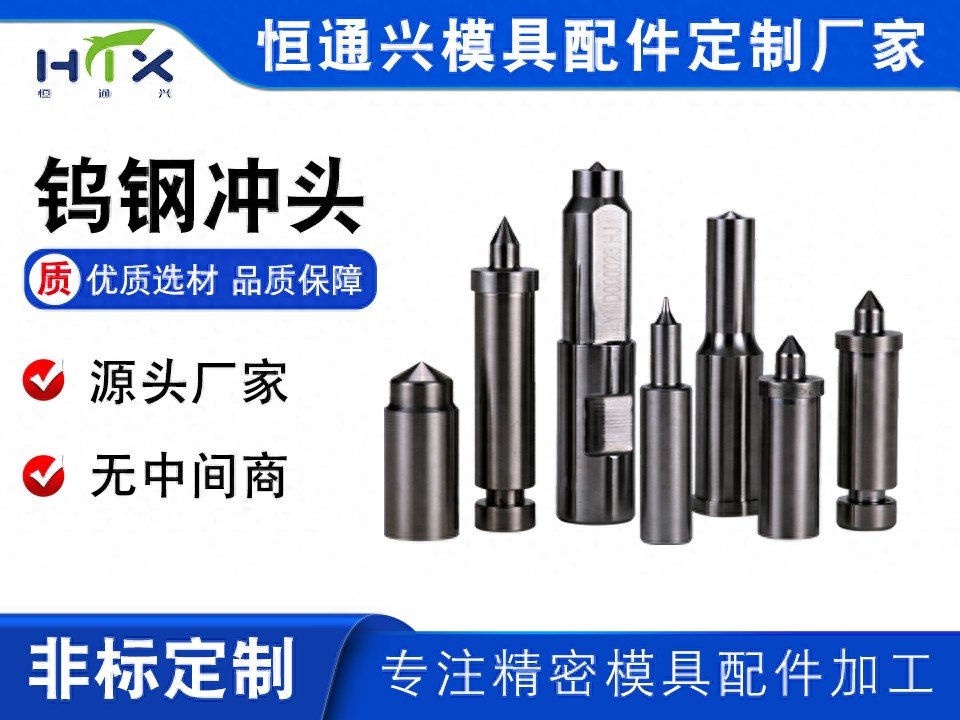
A manufacturer of custom mould components: where expertise sets the standard for quality
The machining of non-standard mould components is a core aspect of the mould industry, directly impacting the precision and efficiency of manufacturing. The overall capabilities of companies specialising in the machining of non-standard mould components not only determine the quality and fit of the components, but also influence the production stability and core competitiveness of downstream enterprises.
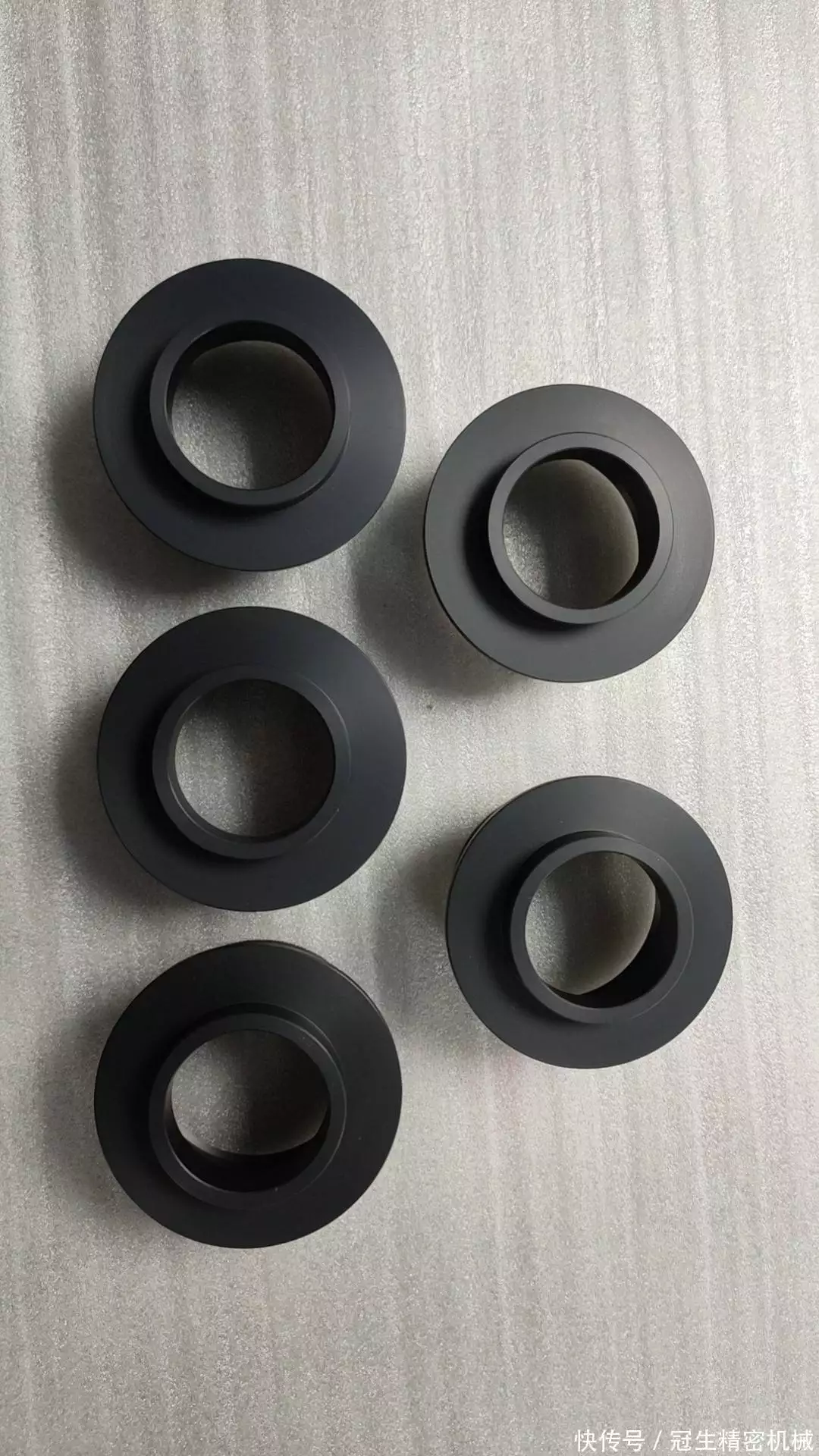
Custom Parts Machining
The machining of bespoke parts is an indispensable and vital aspect of modern manufacturing. With continuous technological advancements and rising quality standards across various industries, the demand for bespoke parts machining continues to grow. This field encompasses not only traditional manufacturing processes
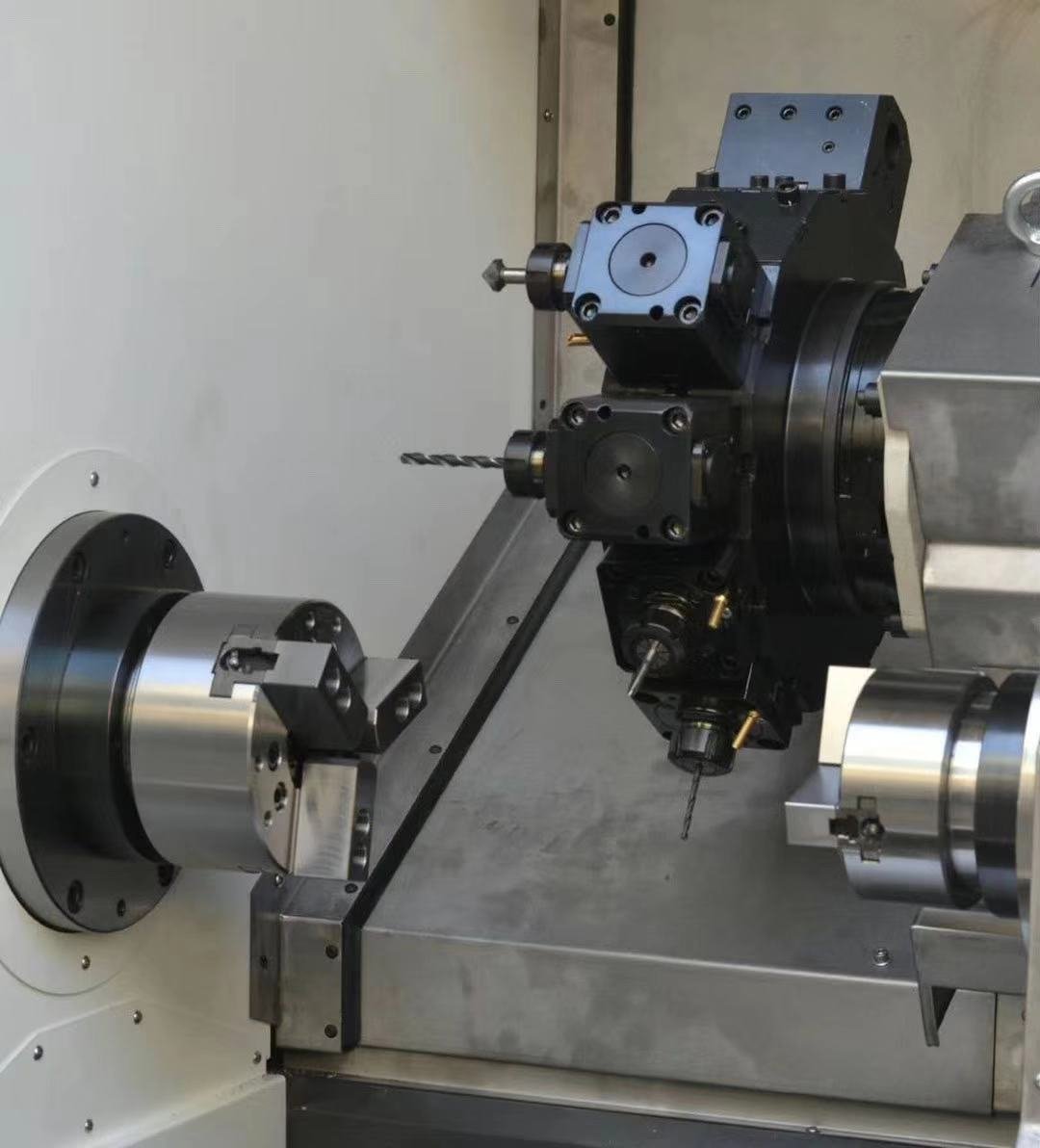
The nine major errors in machining – have you ever encountered them?
Machining errors refer to the degree of deviation between the actual geometric parameters (geometric dimensions, geometric shape and relative positions) of a part after machining and its ideal geometric parameters. The degree to which the actual geometric parameters of a part after machining conform to its ideal geometric parameters is known as machining accuracy. The smaller the machining error,
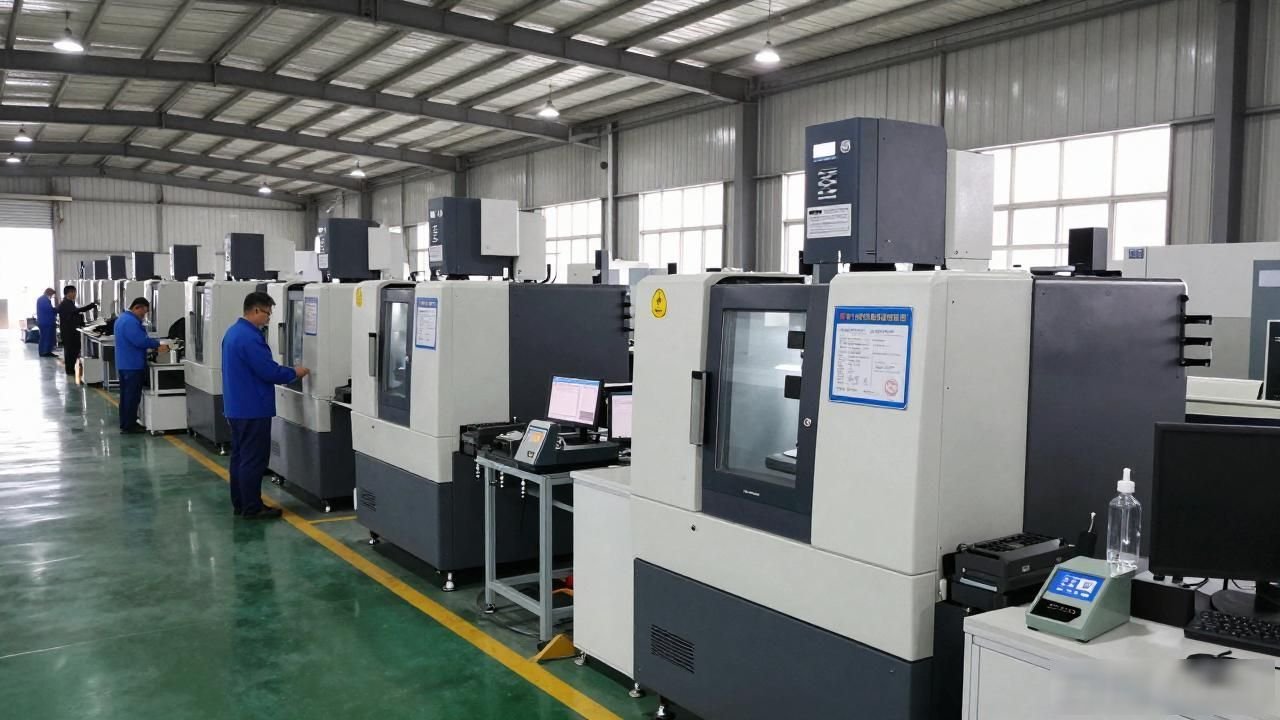
Struggling to control tolerances on bespoke, non-standard machined parts? Uncovering the cutting-edge processes behind precision semiconductor components
In the field of precision manufacturing, we often say: “Drawings represent the ideal, machining is the reality, and tolerances reflect our integrity.” This is particularly true in the manufacture of semiconductor equipment and high-end medical devices, where even the slightest deviation can lead to costly downtime or even the scrapping of equipment.
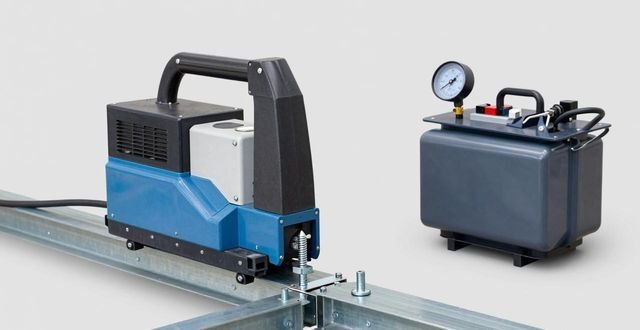
Steel structure shear nail (bolt) construction points standard model
No. QC/RE-KA3250Inthecollective,inordertomakeallbehaviorshaverulesandregulations
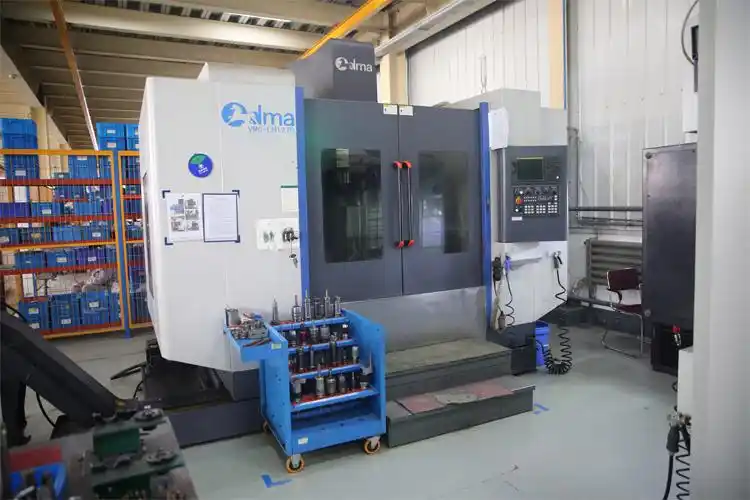
Unlocking CNC composite machining: which parts are best suited to this advanced technology?
In modern manufacturing, CNC composite machining has become a core solution for the production of high-precision, complex structural parts. This technology combines multi-axis capability (e.g. 5-axis machining) by integrating turning, milling, drilling and other processes in one machine.
 Chinese
  Japanese
  English
  German
  Finnish