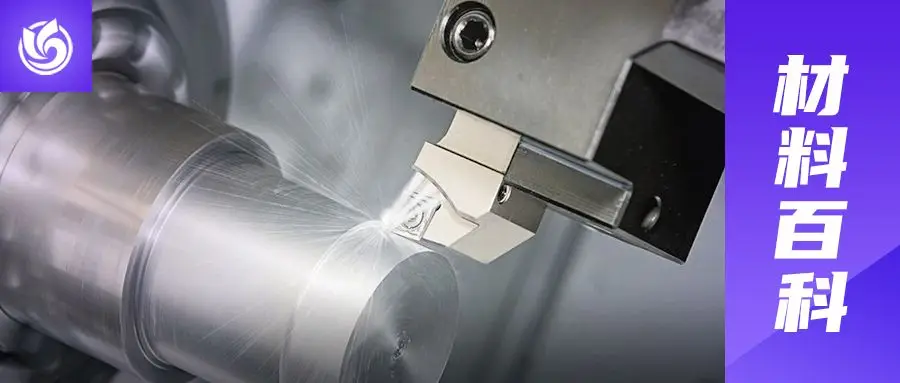



titanium, thanks to its unique advantages, plays a pivotal role in the aviation sector, holds a significant position in the aerospace industry, and occupies a prominent place in fields such as healthcare. However, its inherent difficulty to machine has long posed a challenge to engineering professionals. This paper will explore the challenges encountered during the machining of titanium alloys and propose corresponding solutions, with the aim of providing technical support for the widespread application of titanium alloys.
titaniumChallenges in processing
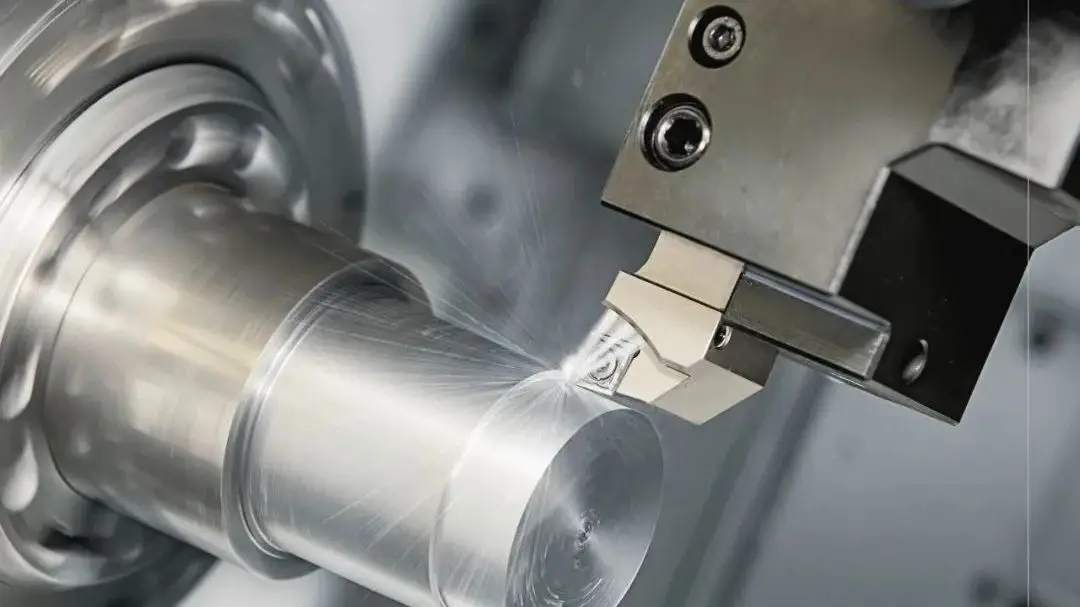
01 Temperature Distribution
Most titanium alloys have a very low thermal conductivity—just one-seventh that of steel, one-sixteenth that of aluminium, and one-twenty-fifth that of copper. Consequently, the heat generated during the cutting process is not easily dissipated but accumulates in the cutting zone. The temperature at the cutting edge can rise to 1,000 degrees Celsius, causing rapid tool wear and cracking, as well as the formation of built-up edge, which shortens the tool’s service life.
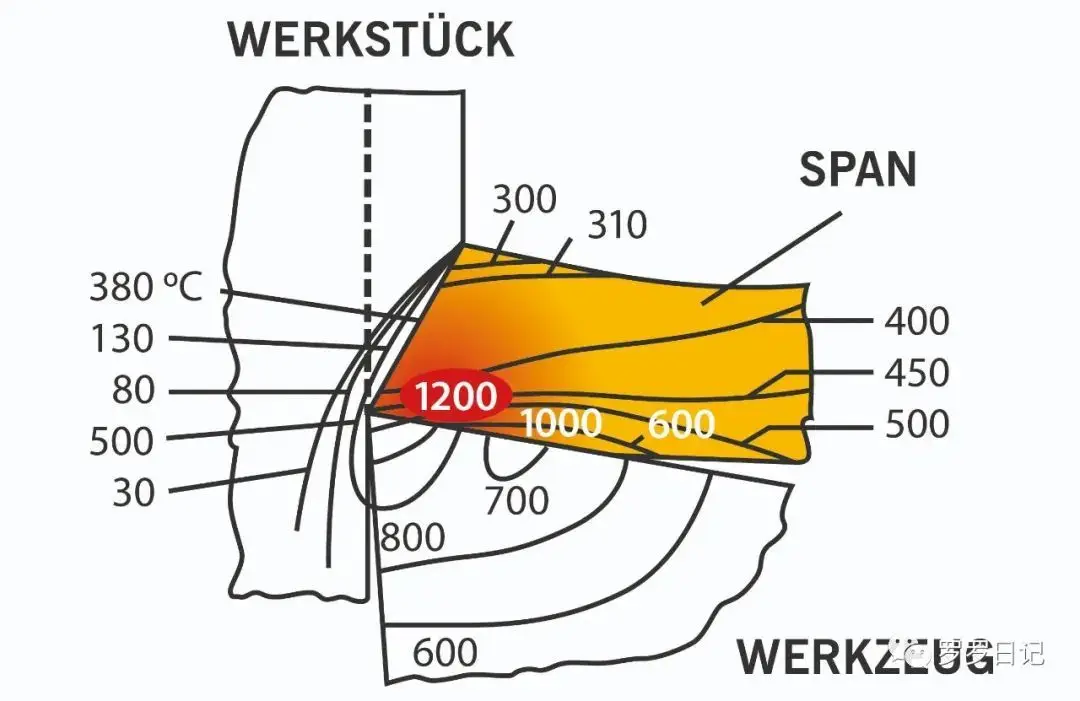
During machining, high temperatures are concentrated at the cutting edge, making heat dissipation difficult and leading to rapid tool wear. These high temperatures also compromise the surface integrity of titanium alloy components, reducing their geometric accuracy and causing work hardening, which significantly reduces their fatigue strength.
02 Elastic deformation
Titanium alloys have a relatively low modulus of elasticity; for example, the modulus of elasticity for TC4 is as follows, whilst that for 45 steel is as such, and the moduli of elasticity for stainless steels such as 303, 304 and 316 also fall within a certain range. During the machining of titanium alloys, elastic deformation is prone to occur, particularly when machining thin-walled or ring-shaped components, where this phenomenon is even more pronounced. During the machining of thin-walled components, local deformation exceeds the elastic limit, leading to plastic deformation, and the strength and hardness of the material at the cutting point increase significantly.
The cutting pressure causes the workpiece to undergo elastic deformation, after which it springs back; this increases friction between the tool and the workpiece, thereby generating additional heat, and this additional heat further exacerbates the problem of titanium alloys’ poor thermal conductivity.
03 Highly approachable
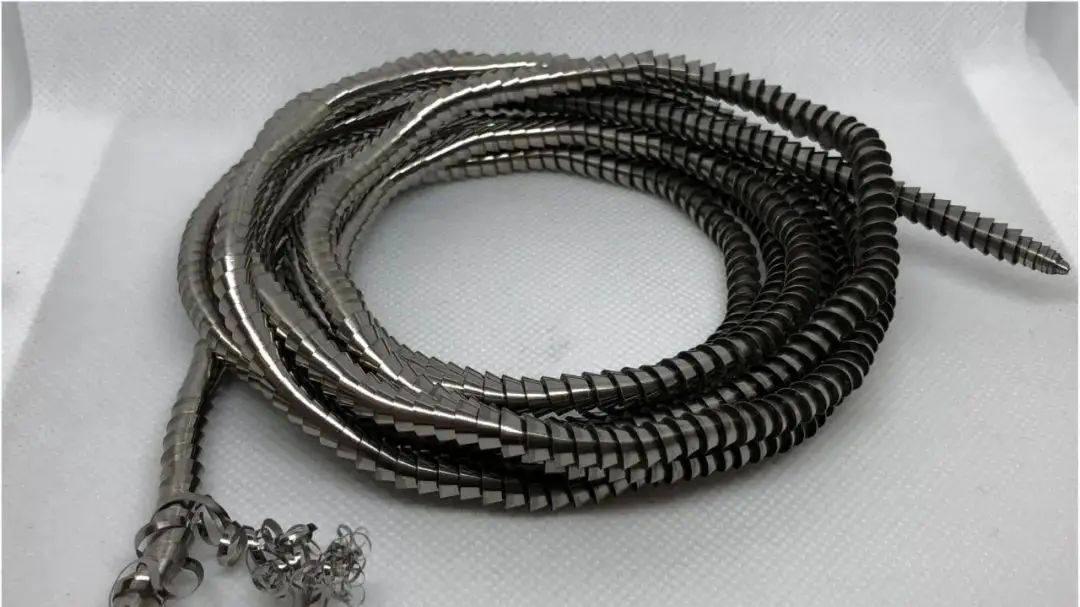
Titanium alloys have relatively good machinability; during turning and drilling operations, they tend to produce long, continuous chips, which can become entangled in the tool and impair its performance. If the cutting depth is too great, this can lead to tool sticking, tool burning or breakage.
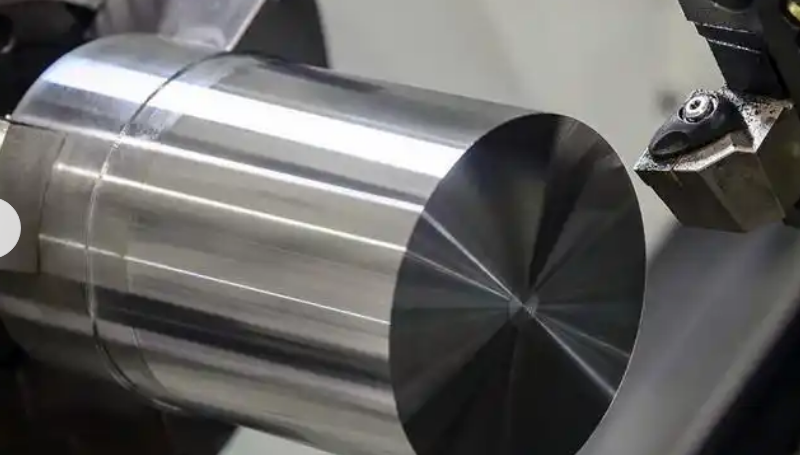
Titanium alloy swarf
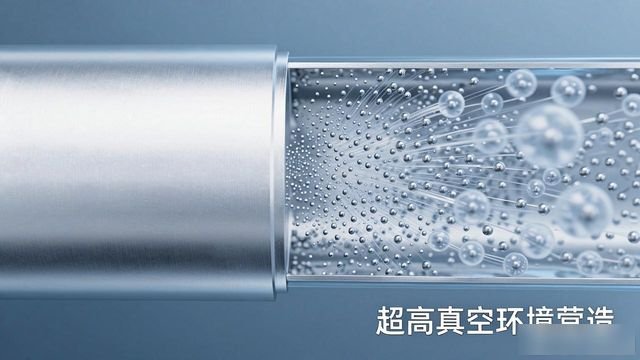
In many fields, the advantage of affinity is of considerable value; for example, in ion pump applications, titanium is used as the cathode plate. When titanium atoms are sputtered onto the inner wall of the anode tube, they are able to adsorb gas molecules, thereby creating an ultra-high vacuum environment.
04 Vibration
Whilst the elasticity of titanium alloys may offer advantages in terms of component performance, it becomes a major source of vibration during the machining process. The vibrations generated during the machining of titanium alloys can be up to ten times greater than those associated with steel. As the cutting heat is concentrated in the cutting zone, this leads to the formation of jagged chips, which in turn causes fluctuations in the cutting power.
Countermeasures for the Difficult Machinability of Titanium Alloys
01 Cooling
ApplicationcoolantUsed to reduce the high temperatures generated during cutting, non-soluble oil-based coolants are suitable for low-speed, heavy-duty cutting, whilst soluble cutting coolants are suitable for high-speed cutting. Low-temperature cutting methods, such as using liquid nitrogen (-180°C) or liquid CO₂ (-76°C) as cutting fluids, can effectively reduce the temperature in the cutting zone, improve the quality of the machined surface and extend tool life.
02 Choosing the right cutting tool
Selecting the appropriate cutting tool can significantly improve machining efficiency, as heat in titanium alloys is primarily dissipated via the cutting edge and coolant, unlike steel, where it is carried away by the chips; consequently, the fine sections of the cutting edge are subjected to extreme thermal and mechanical stresses. Maintaining a sharp cutting edge helps to reduce cutting forces.
In addition, the use of a grinding technique involving polished grooves, as well as indexable inserts with a high positive rake angle, also helps to reduce cutting forces.
Recommended cutting tools for machining titanium alloys
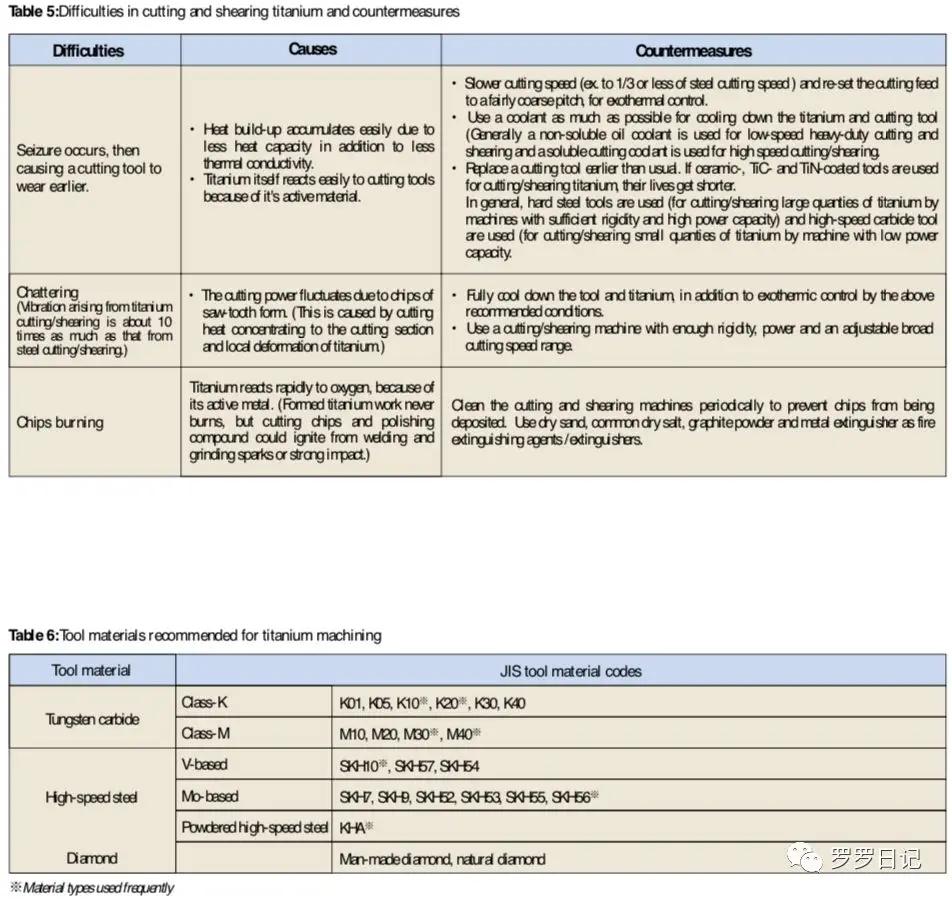
Where necessary, coated cutting tools may still be used to reduce the stickiness of the alloy and break up long chips. This not only reduces friction during chip removal but also helps to manage the heat generated during machining.
03 Constant feed or increased feed rate
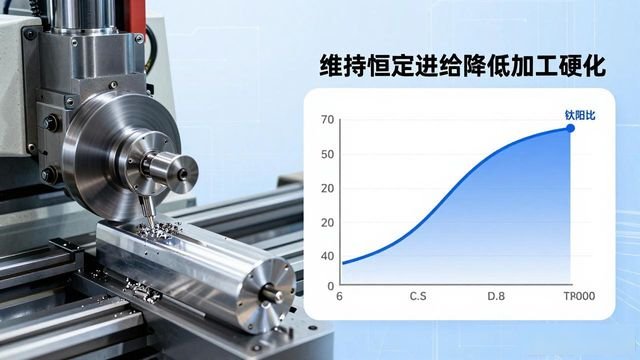
Titanium alloys undergoing machining are highly susceptible to work hardening; that is, during cutting operations, the hardness of the titanium alloy increases, and this increase in hardness accelerates tool wear. Therefore, maintaining a constant feed rate is particularly crucial for minimising work hardening.
Of course, if the machine’s performance allows, you could try increasing the feed rate. Doing so reduces the time the cutting tool spends in the machining zone, thereby minimising heat build-up and the likelihood of work hardening.
04 Reduce the cutting speed
To minimise heat generation, machine titanium alloys at a speed of one-third or less of that used for steel.
05 Change tools according to the process
When machining titanium alloys, the service life of ceramic-coated, titanium carbide-coated and titanium nitride-coated cutting tools is relatively short. Generally speaking, for high-volume titanium alloy machining, carbide tools are the preferred choice; however, for low-volume machining, high-speed carbide tools are more suitable.
At present, ultrasonic machining technology is still in the research and development phase; its aim is to extend the service life of cutting tools by reducing the duration of contact between the tool and the workpiece.
06 Use high-rigidity machine tools
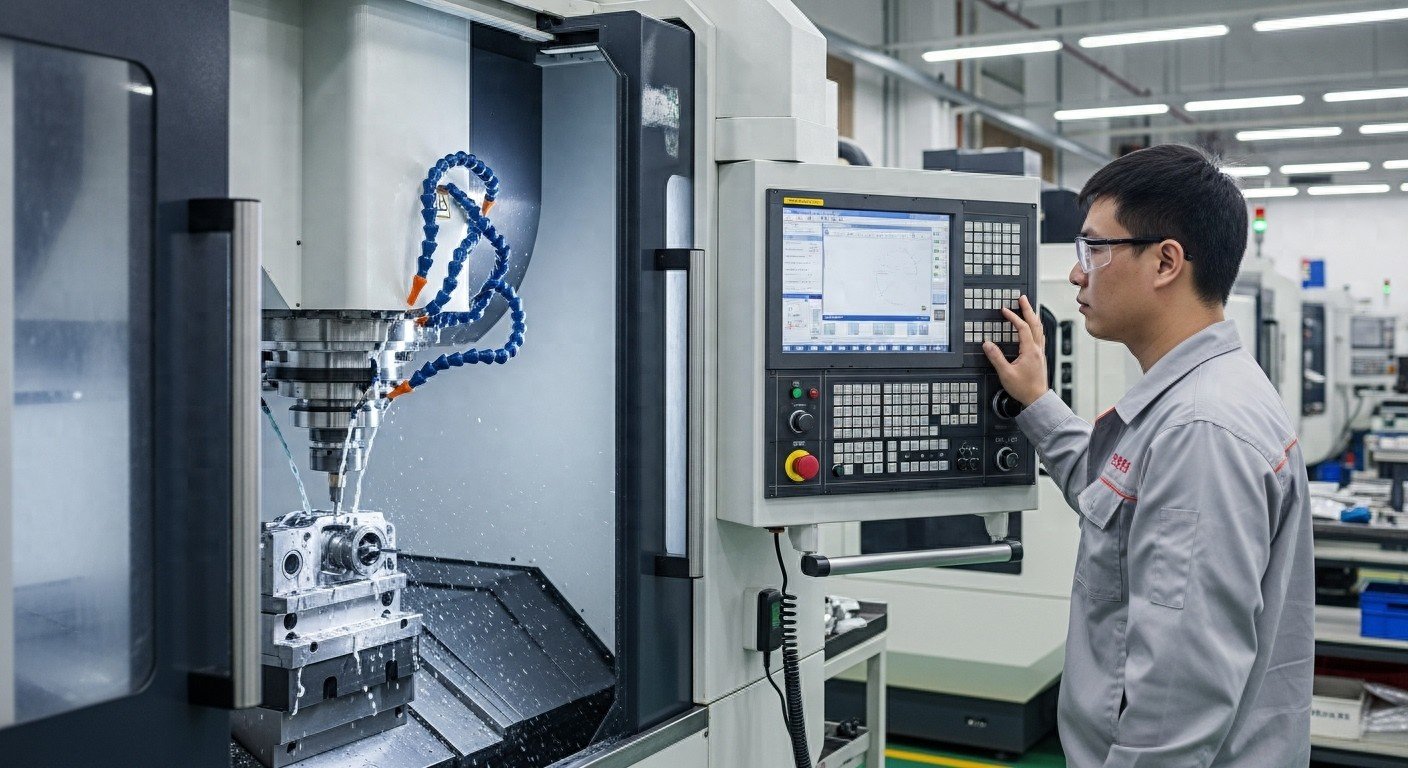
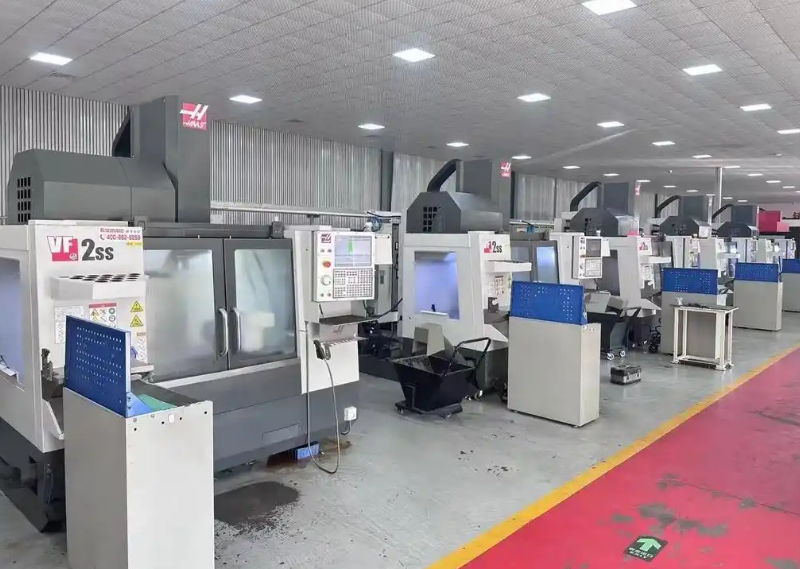
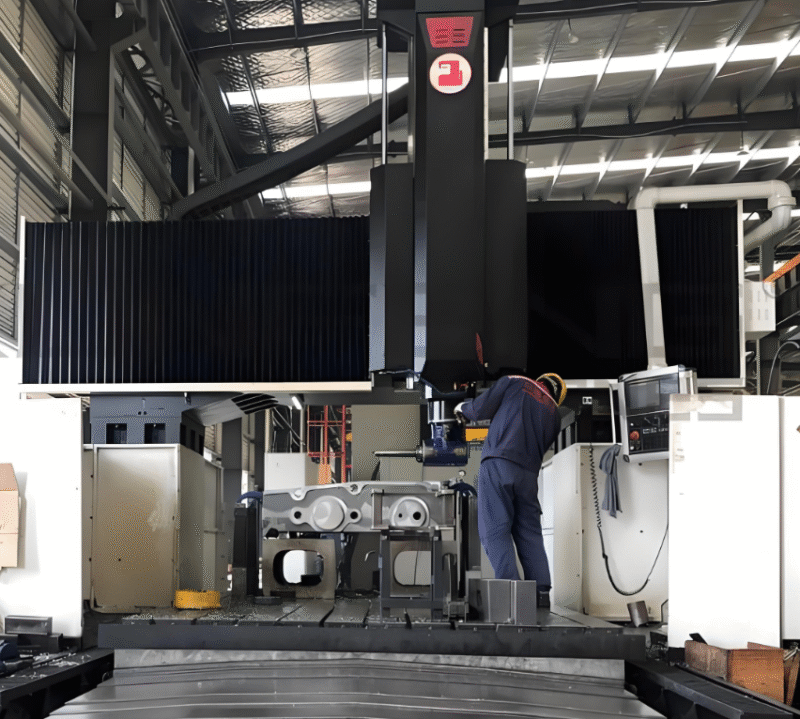
To successfully machine titanium alloys, a machine tool with extremely high rigidity is essential. An ideal titanium alloy milling machine must be highly rigid, and its spindle must be capable of operating at low speeds and high torque, The aim is to absorb vibrations and thereby reduce the chatter that occurs during the cutting process.
07 Regular cleaning
Clean machining equipment and cutting tools regularly to prevent the build-up of swarf, which can affect machining results.




 Chinese
  Japanese
  English
  German
  Finnish
暂无评论内容