
arrange in order
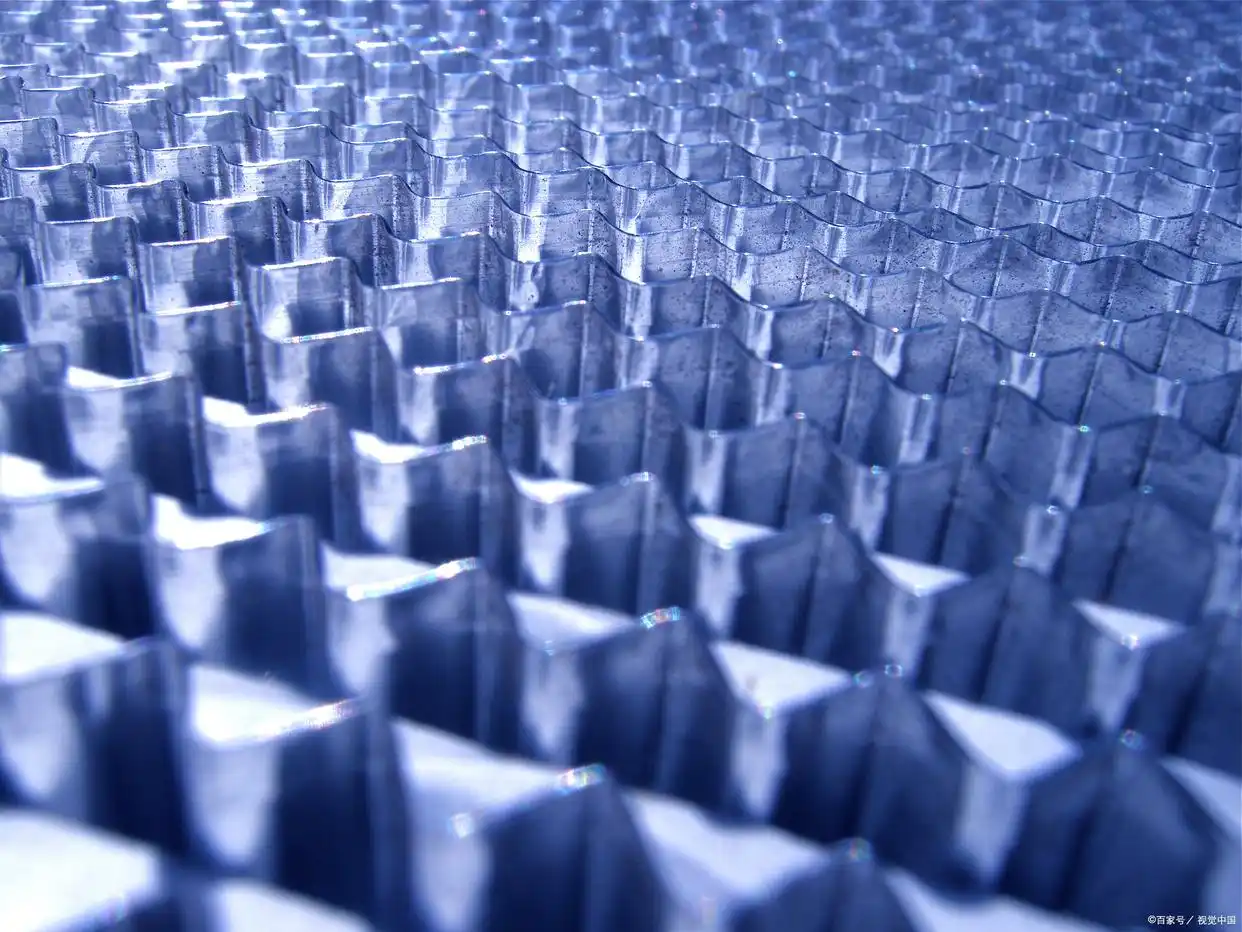
Customised processing of new material shaped parts: innovation leads the future manufacturing industry
With the continuous progress of science and technology and the rapid development of the manufacturing industry, the custom processing of new material shaped parts is gradually becoming a hot topic in the industry. In 2025, the application of new materials continues to expand, and their unique properties and advantages provide more possibilities for the processing of shaped parts.
 5 months ago
CNC machining technology for high-end precision manufacturing
The application of CNC technology has made a qualitative change in the traditional manufacturing industry, especially in recent years. The development of microelectronics technology and computer technology has brought new vigour to CNC technology. CNC technology and CNC equipment is an important foundation for the industrial modernisation of each country.
5 months ago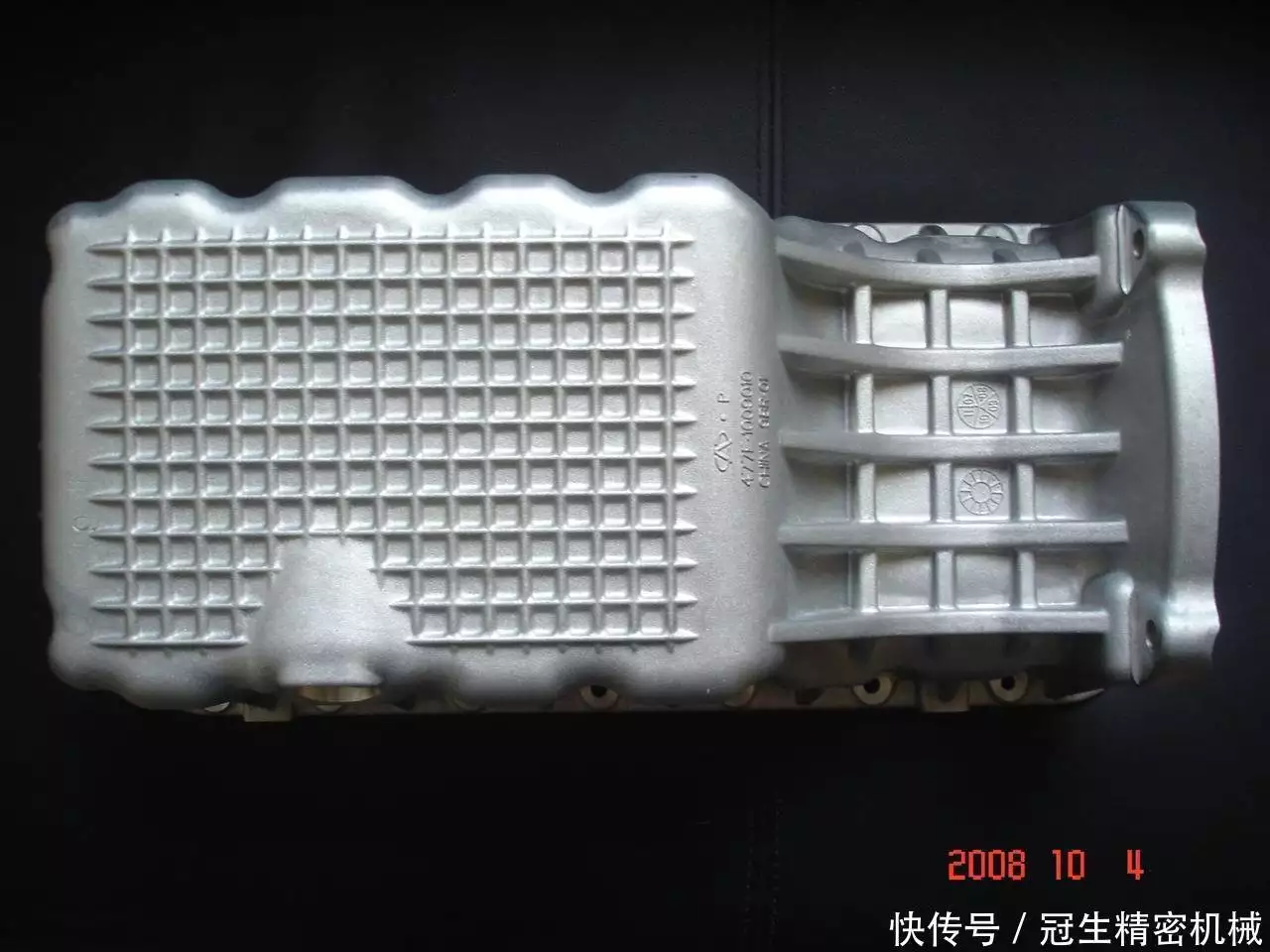
Rapid precision parts machining
In modern industrial production, rapid precision parts machining has gradually become an indispensable part of various industries. With the continuous progress of science and technology and the diversification of market demand, especially in the aerospace, medical equipment, automotive manufacturing and other high-precision fields.
5 months ago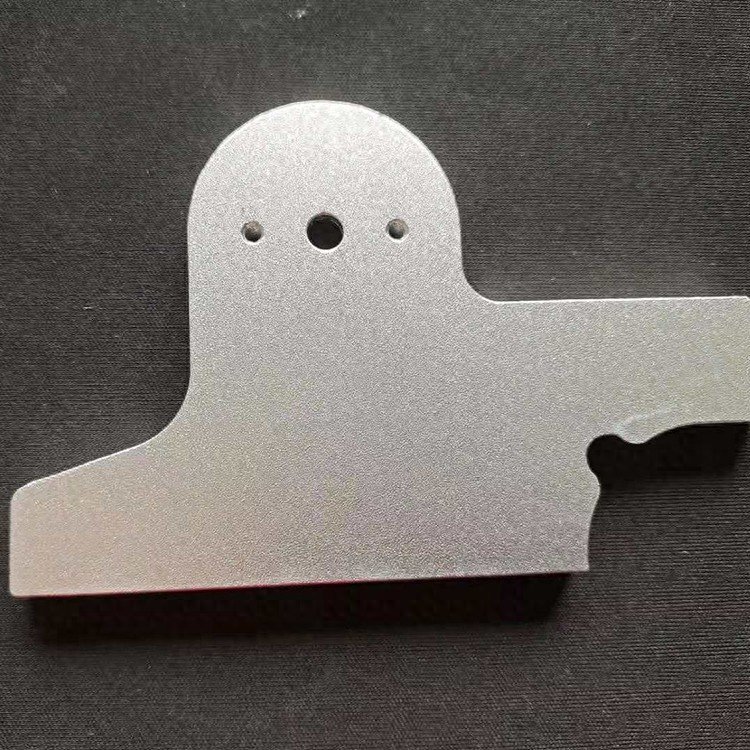
Which is the best after-sales service for non-standard parts machining factory? Worry-free service more peace of mind
In the field of industrial manufacturing, there is a growing demand for the machining of non-standard parts. However, in the face of numerous non-standard parts processing plants, which one is more reassuring after-sales? This has become a key consideration for many companies when choosing who to work with. Firstly
2 months ago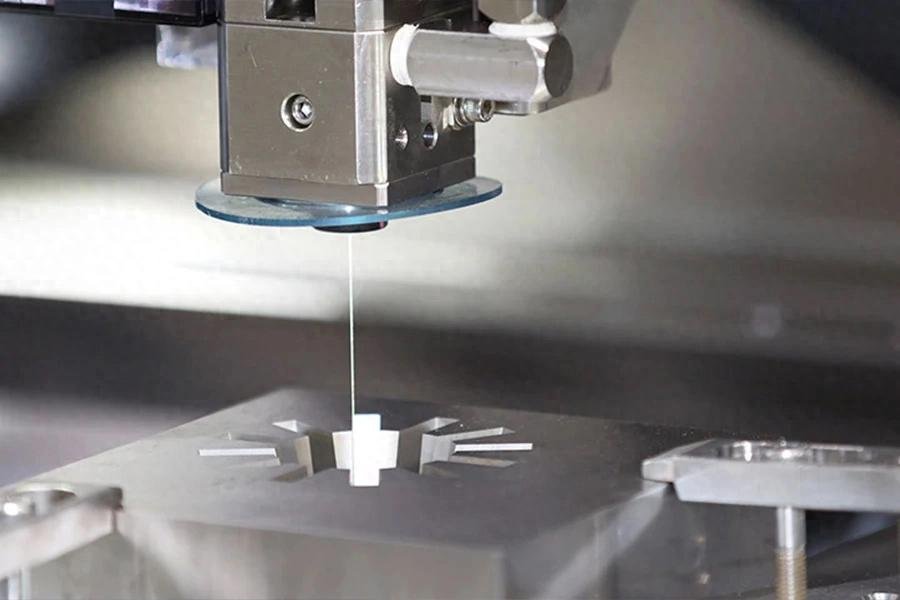
Wire-cut EDM: A Breakthrough Method in Modern Precision Materials Processing
**Introduction** Material cutting plays a crucial role in the manufacturing industry, directly affecting the quality and performance of the final product. Wire cutting, as a high-precision material cutting method, has been widely adopted across various sectors
1 month ago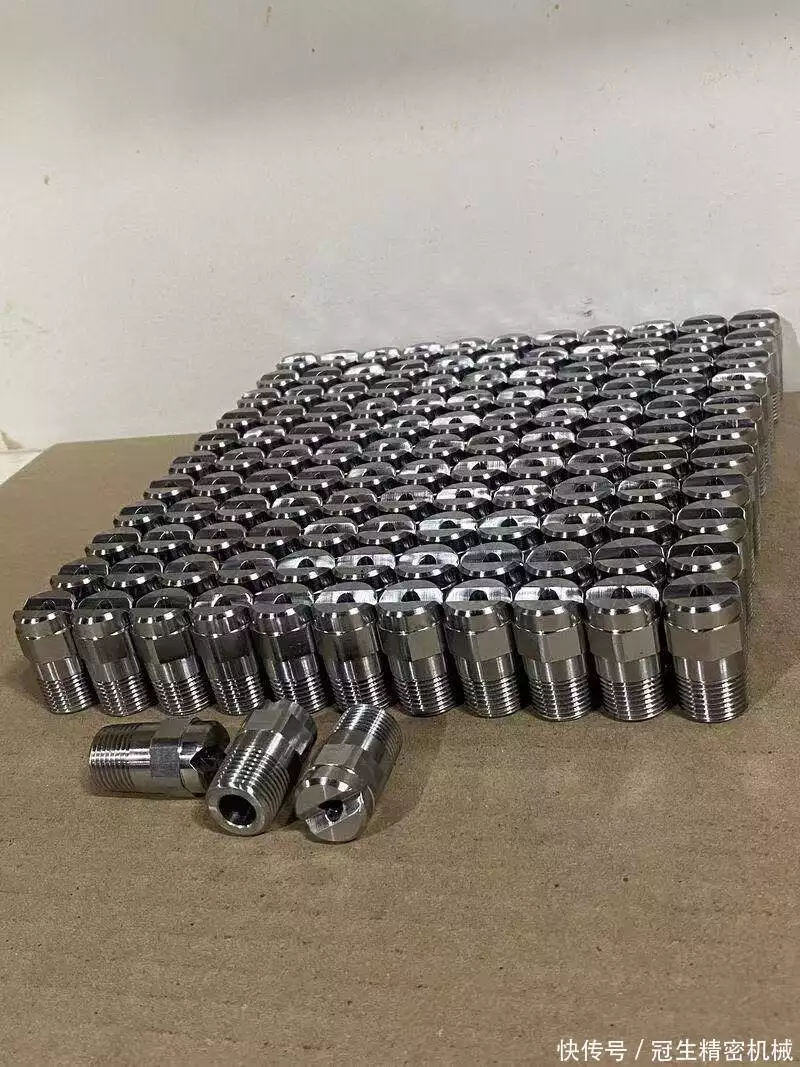
Technical difficulties and solutions for the machining of high-precision parts
High-precision parts machining technical difficulties and solutions High-precision parts machining is an important technical link in the modern manufacturing industry, widely used in aerospace, automotive manufacturing, machinery and equipment, as well as electronic products and other fields. With the development of industrial automation and intelligent manufacturing
5 months ago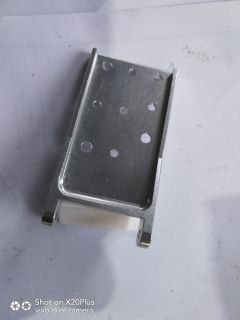
Which companies in Xinxiang offer contract manufacturing services for non-standard parts in batches, and what is the standard of their technical expertise?
In Xinxiang, there are numerous companies operating in the field of custom parts manufacturing. Among them, Zhengzhou Duopu Precision Mould Co., Ltd. has made a name for itself in the industry thanks to its outstanding technical expertise and extensive experience, providing clients with high-quality contract manufacturing services for custom parts in bulk.
1 month ago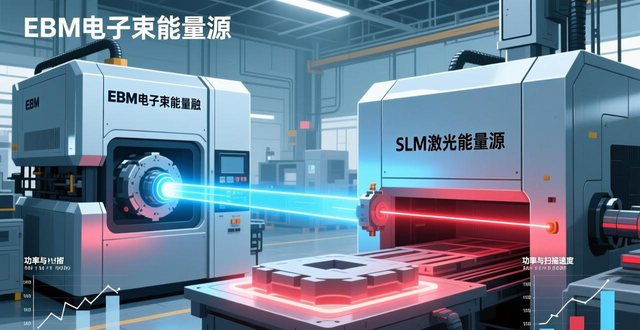
Analyse the difference between cnc machining and 3d printing from multiple perspectives
What exactly is the difference between cnc machining and 3d printing, in layman's terms, 3d printing is a kind of additive technology and cnc machining is a kind of subtractive technology, in terms of material
5 months ago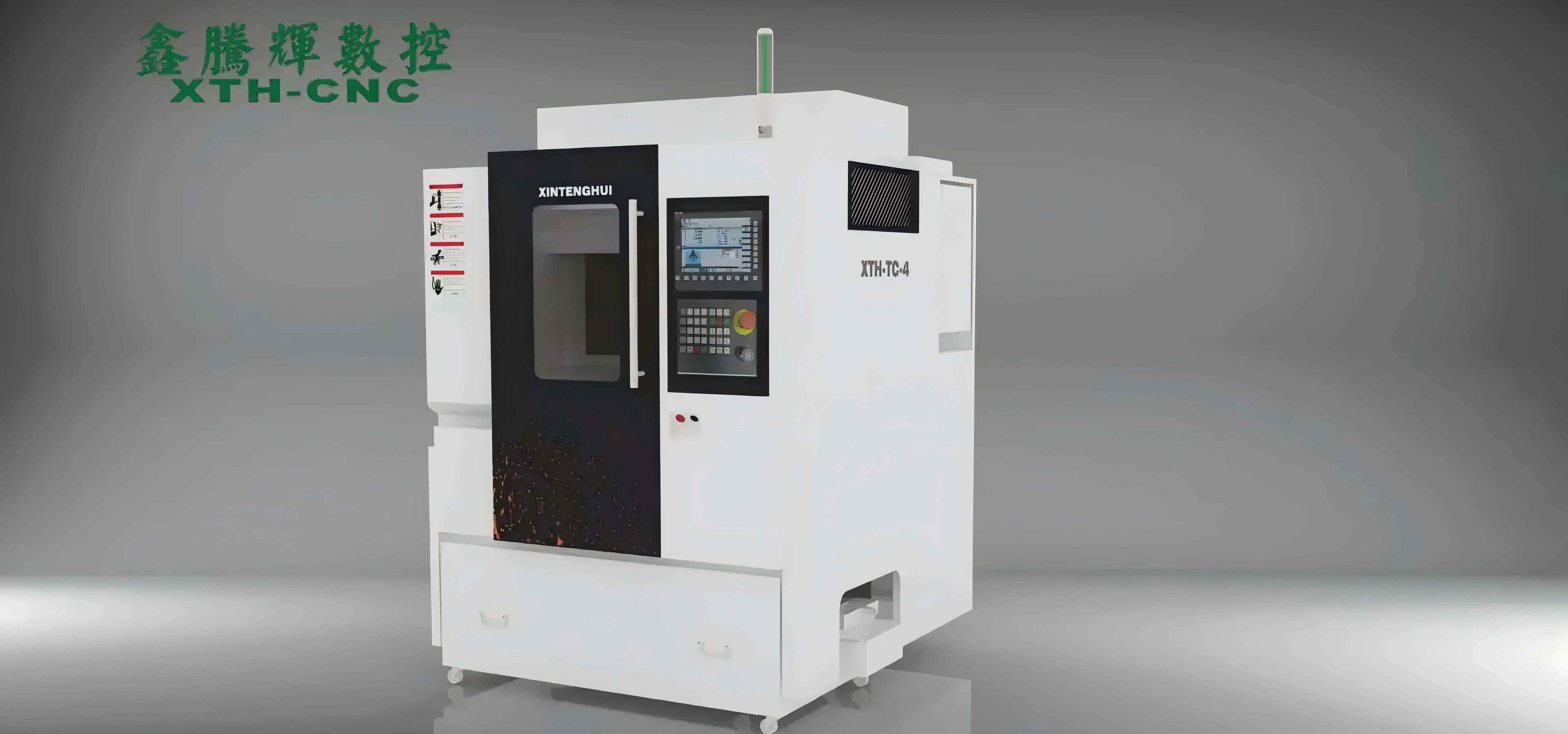
Precision Solutions: The Core Issues Behind Time-Consuming and Costly Ceramic Processing, and Pathways to Resolution
Ceramic machining places extremely high demands on the hardness and wear resistance of cutting tools; standard tools used in conventional equipment can become unusable within minutes when machining ceramics, whereas the spindle speed and feed rate of specialist ceramic milling machines can be precisely adjusted to suit the characteristics of both the cutting tools and the ceramic material.
1 month ago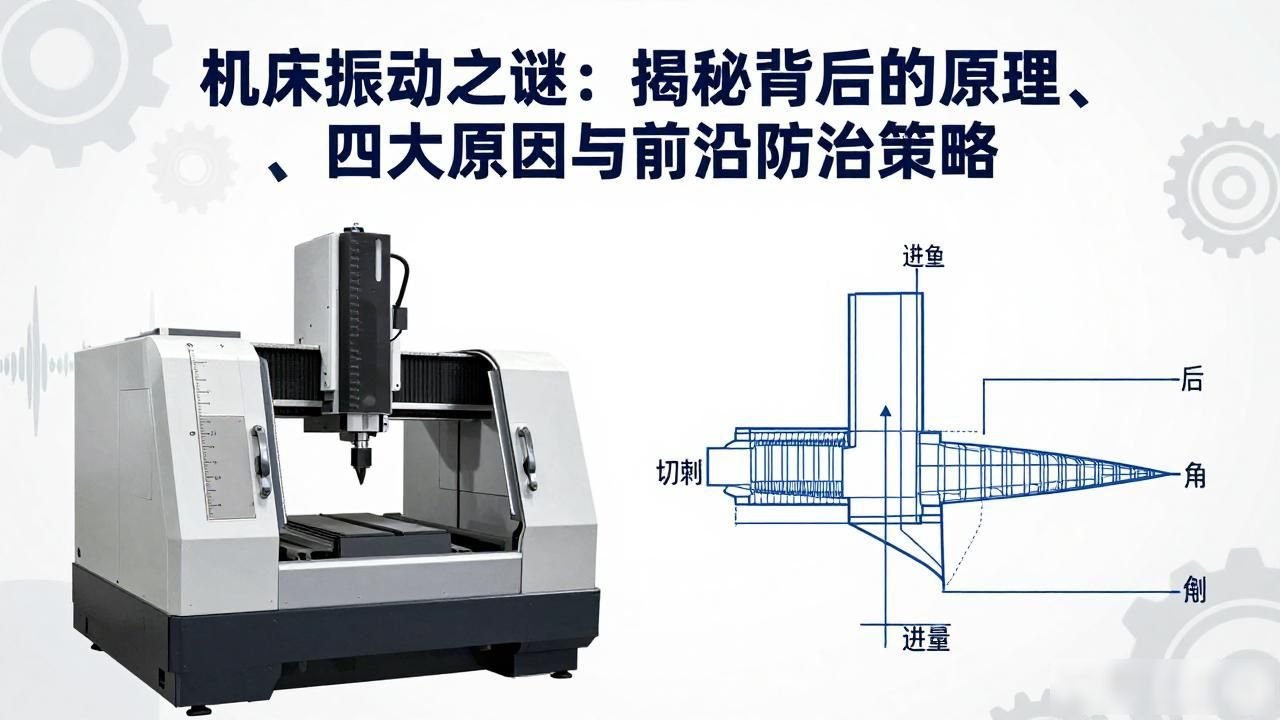
The Mystery of Machine Tool Vibration: Uncovering the Principles Behind, the Four Causes and Cutting-Edge Prevention Strategies
In the field of modern machining, machine tools as the core equipment, the stability of its performance is critical. However, machine tools often vibrate during operation, which not only affects machining accuracy and surface quality, but also may damage tools and reduce productivity.
42 days ago Chinese
  Japanese
  English
  German
  Finnish