
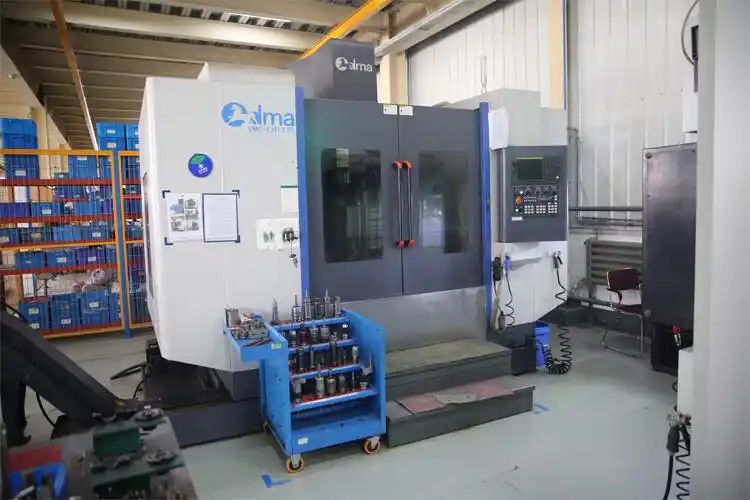
In modern manufacturing, CNC composite machining has become the core solution for the production of high-precision, complex structural parts. This technology achieves a double breakthrough in efficiency and precision by integrating turning, milling, drilling and other processes into one machine, combined with the ability of multi-axis linkage (like 5-axis machining). Below are some typical types of parts and their application scenarios that are particularly dependent on CNC composite machining:

One,aerospaceHigh-performance components for the field
Aircraft engine blades, turbine discs and other key components of the machining, often using CNc composite machining, such parts generally have complex surface morphology, and has very high tolerance requirements, such as leaf shape error must be controlled within ± 0.02mm, with the five-axis linkage technology, not only can achieve multi-face machining in a clamping to avoid repetitive positioning errors, and can also optimise the cutting path to enhance the material utilisation, the data of a bath engine manufacturer shows that after the application of this technology, the machining cycle is shortened by 60%, and the surface roughness Ra value is steadily below 0.2μm. The data of a bath wheel engine manufacturer shows that the machining cycle has been shortened by 60% after the application of this technology, and the surface roughness Ra value is steadily lower than 0.2μm, which is obviously better than that of the traditional process.
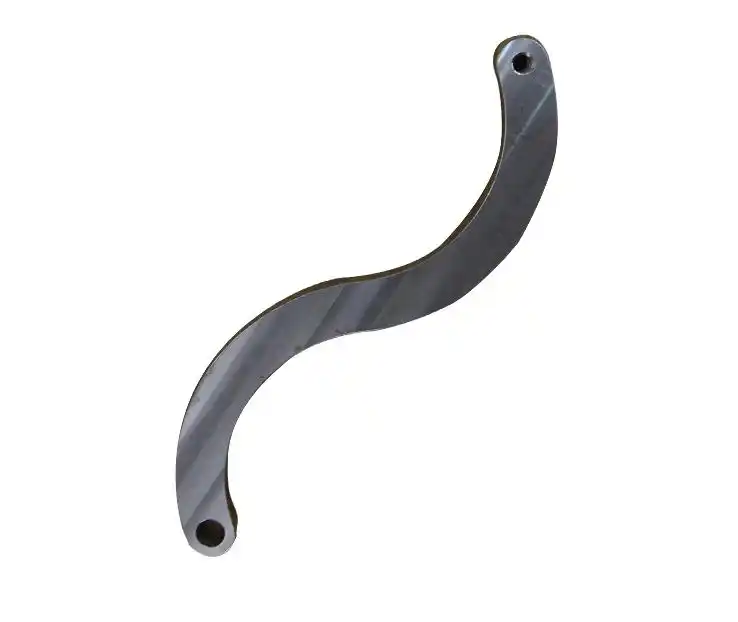
II. Precision implants in medical devices
Artificial joints, orthopaedic plates and other medical devices, biocompatibility and mechanical properties have extremely stringent requirements, to the titanium alloy artificial joint head, its roundness error can not be more than 2 μm, and CNC composite machining with micron-level precision just to meet the needs of this demand, in addition, by virtue of the additive and subtractive composite moulding technology, but also be able to reach the internal porous structure of the lightweight design, both reduce the weight and retain the strength. In addition, with the additive and subtractive composite moulding technology, it can also achieve the lightweight design of internal porous structure, which not only reduces the weight but also retains the strength, and this hybrid manufacturing mode has been successfully applied in the research and development of customised prosthesis of a certain enterprise, so that the fatigue life of the product has been improved.
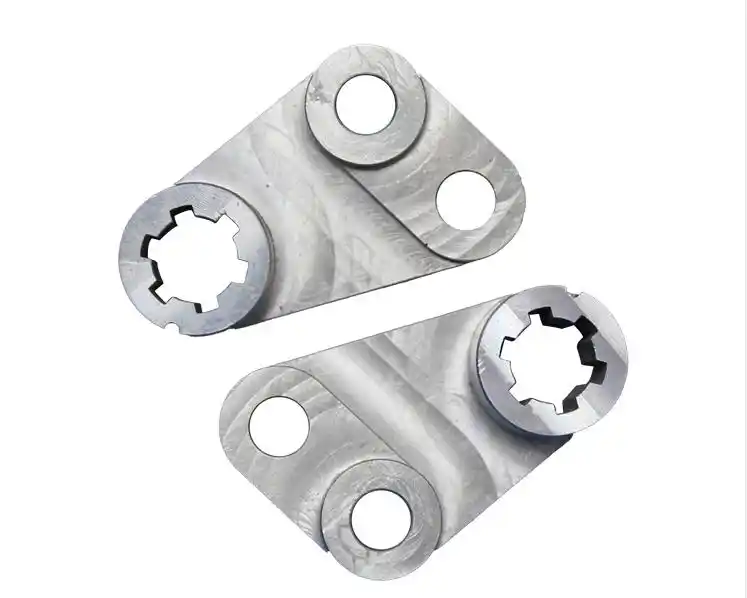
III. High-complexity components for the automotive industry
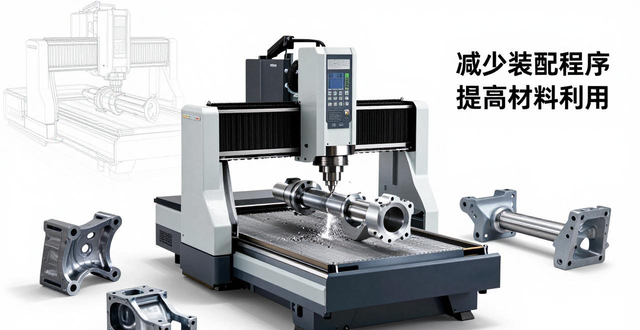
Automotive components in the transmission gears, suspension system linkage, etc., more and more towards the direction of integrated design. For example, a certain model of the drive shaft bracket was initially by a number of stamping parts after welding before the combination, and now it is the use of CNC composite processing directly into the moulding, which not only reduces the assembly process, but also to improve the utilization rate of the material to the up. Especially after the application of aluminium alloy material, relying on CNC equipment with high-speed cutting characteristics, to ensure the strength of the case to achieve thin-walled design.
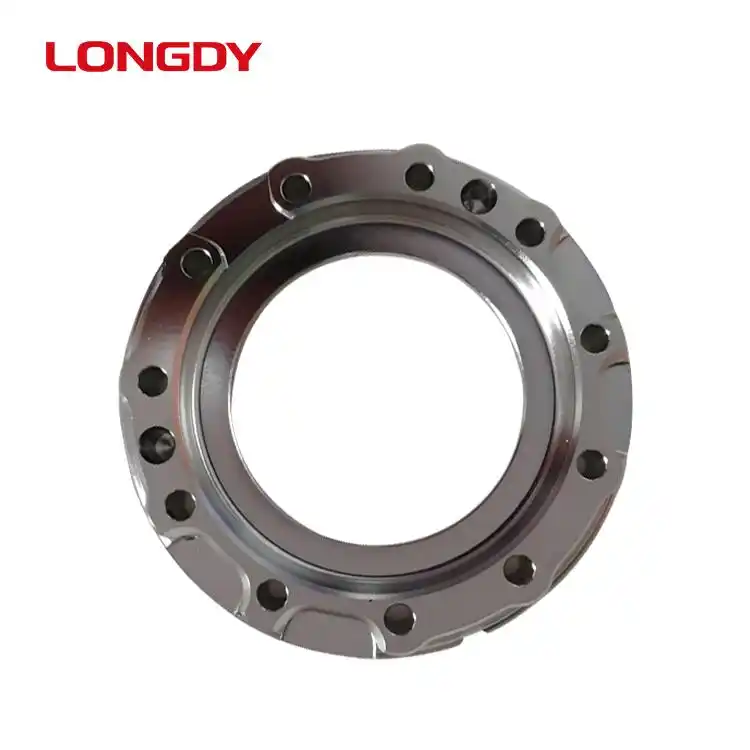
IV. Miniaturised structural components for electronic communications equipment
If heat dissipation performance and electromagnetic shielding functions are to be taken into account, the shells of electronic products such as 5G base station antenna modules and smartphone centre frames need to be so. The use of CNC composite machining can accurately control the composite ratio of metallic and non-metallic materials, and can also complete the processing of shaped holes and threaded features in a tiny space. A consumer electronics manufacturer used the technology to produce a heat sink assembly, the heat transfer efficiency compared to traditional stamping parts have been improved, and assembly yields have also been significantly improved.
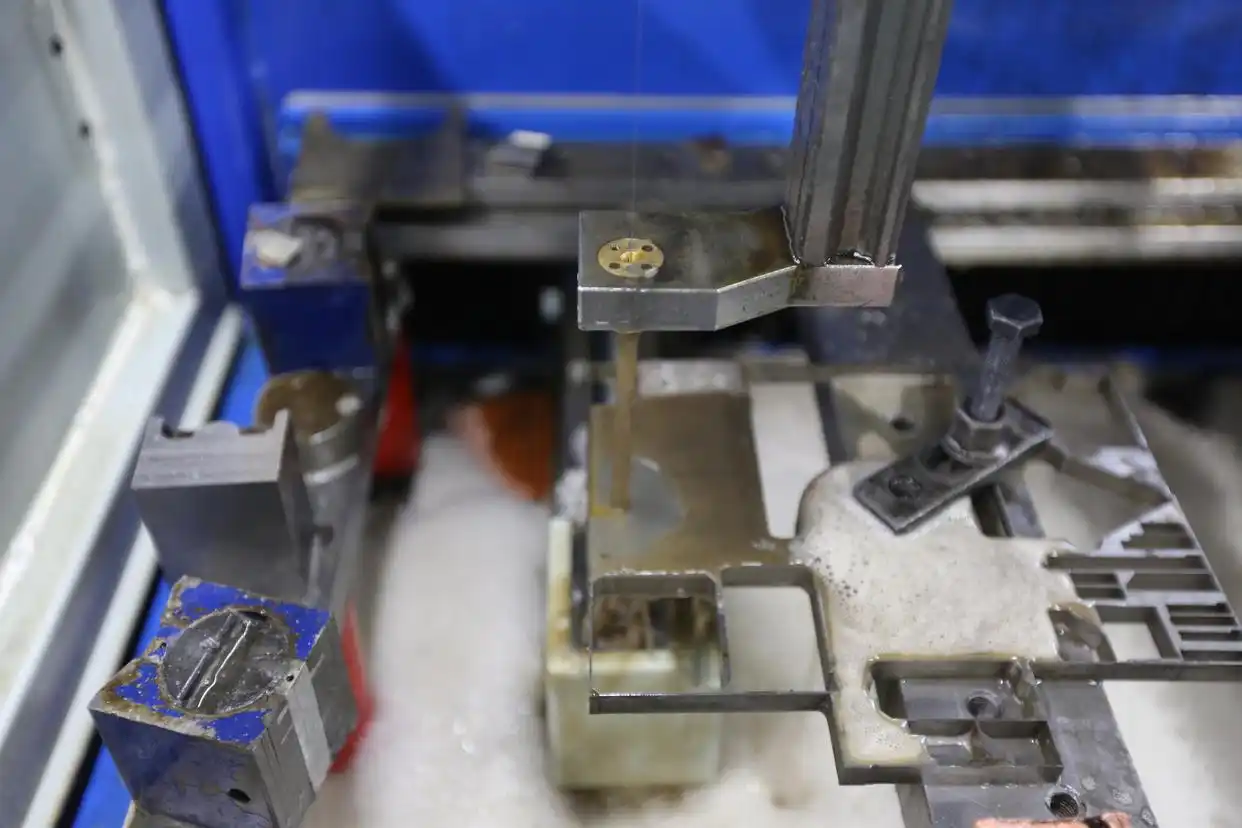
V. Standardised inserts for the mould manufacturing industry
Inserts used in the core working area of injection and stamping moulds are commonly made of carbide or ceramic materials. These wear parts often contain fine cooling channels and complex cavity contours, and to achieve high-precision reproduction, they must rely on CNC composite machining, which, with the help of pre-programmed tool path planning, can ensure a uniform removal rate of different hardnesses of material and thus extend the service life of the mould.
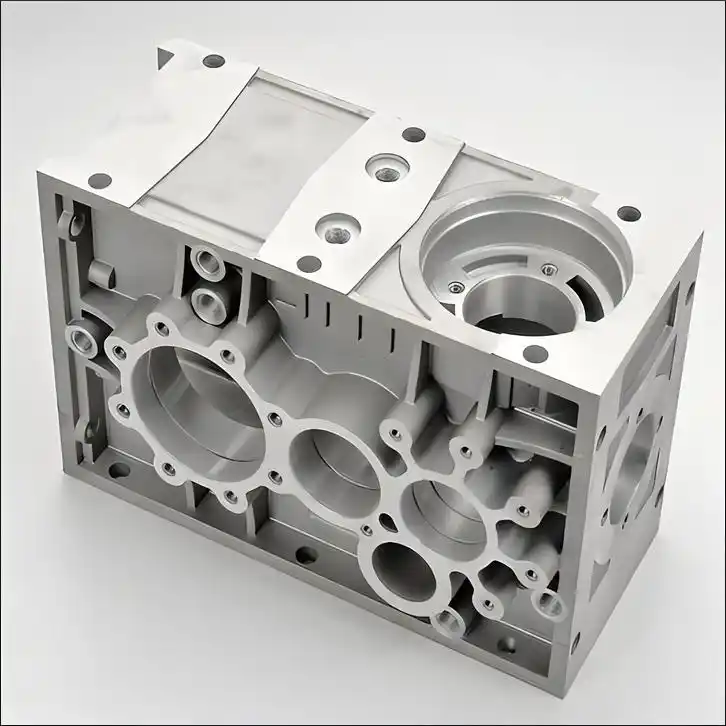
VI. Large transmission components for energy equipment
Machining of oversized parts for wind turbine spindles and nuclear pump valve bodies is another important application area. These workpieces are difficult to clamp multiple times due to their large dimensions. CNC composite machining centres are equipped with an automatic tool change system and an online inspection function, which enables all processes to be completed in a single setup. Together with the digital twin technology for virtual verification, the risk of machining deformation can be effectively avoided, ensuring that the shape and position tolerances of the final product comply with ISO standards.
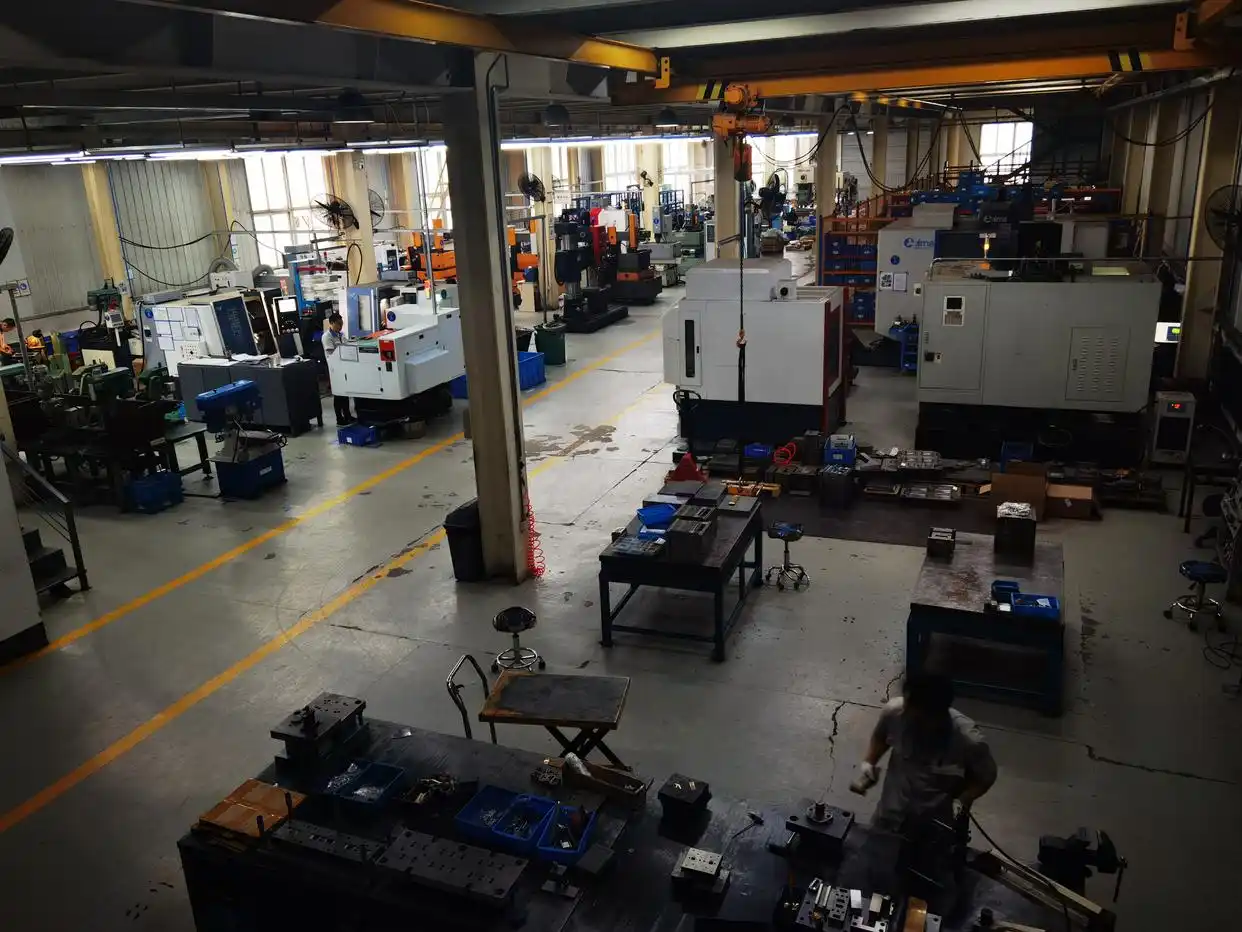
Along the path of Industry 4.0 technology integration, modern CNC composite machining has broken through the boundaries of pure manufacturing and is evolving towards the direction of an intelligent manufacturing platform. From aerospace to consumer electronics, from single-material machining to composite moulding, this technology continues to expand the boundaries of precision manufacturing. The choice of CNC composite machining is a key step towards intelligent manufacturing for parts that require high efficiency, high precision and high complexity.
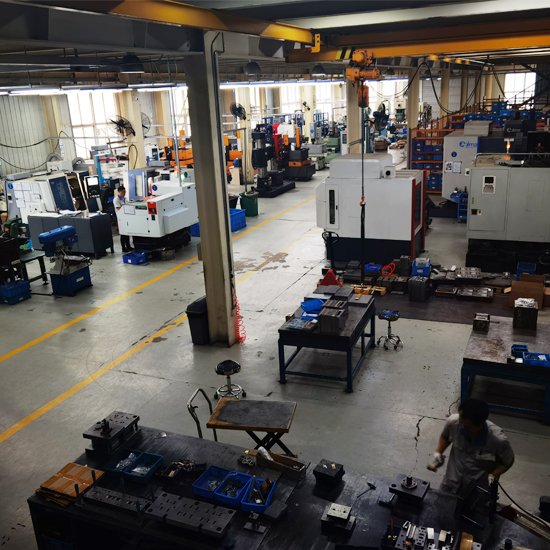
machine shop
Welcome enquiry
Open Baidu APP
Scan the code to download now
Call Now
 Chinese
  Japanese
  English
  German
  Finnish
Leave a Reply
You must be logged in to post a comment.