

cnc machiningWhat's the difference with 3D printing?
The most standard answer, which is difficult to detect easily, is that 3D printing belongs to the category of technology and CNC machining belongs to the category of subtractive technology.
What's the difference?
1. Differences in metal materials
The main 3D printing metal materials include solid polypropylene (SLA), plastic powder (SLS), metal powder (SLM), strontium nitrate (colour printing), limestone powder (colour printing), water pipe (DFM), yarn (LOM), etc. Solid polypropylene, plastic powder, and metal powder account for the majority of the industrial 3D printing market.
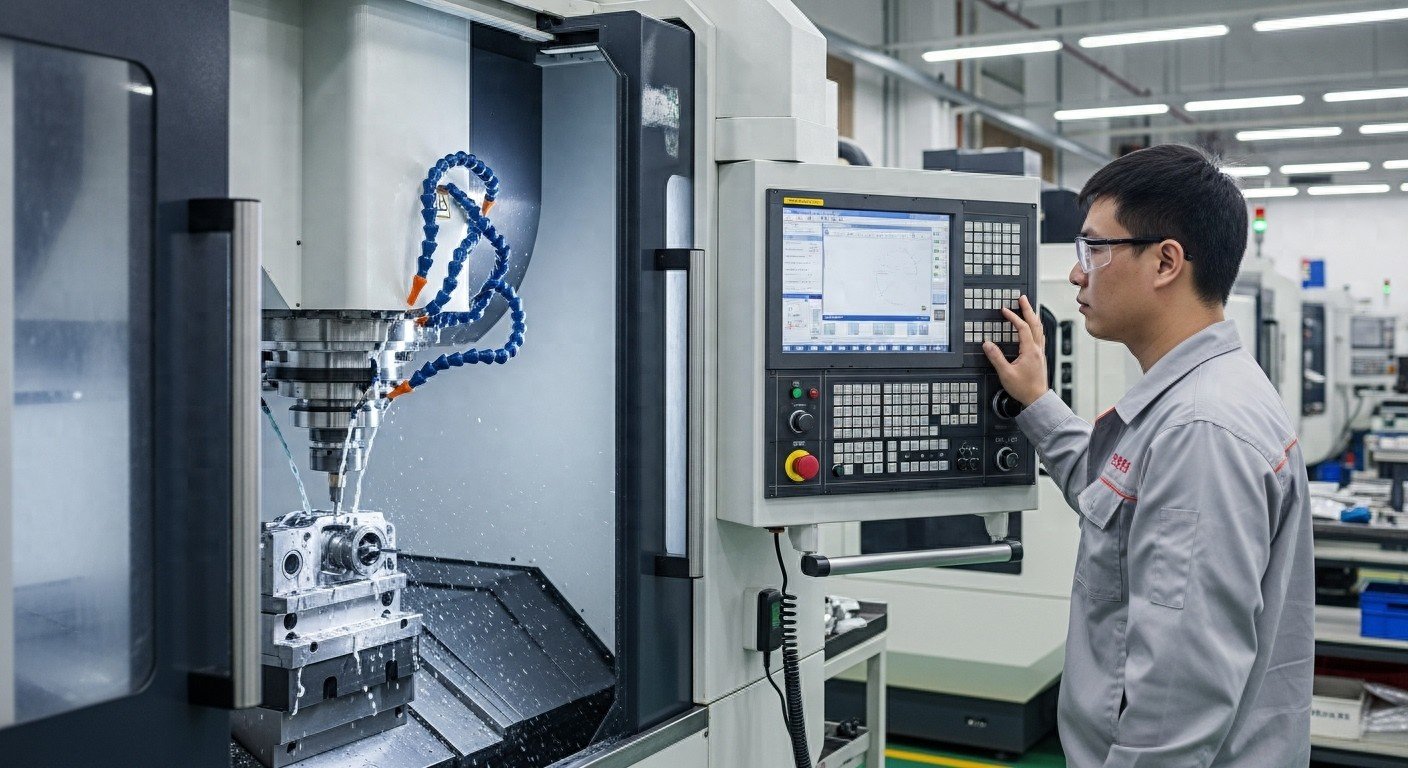
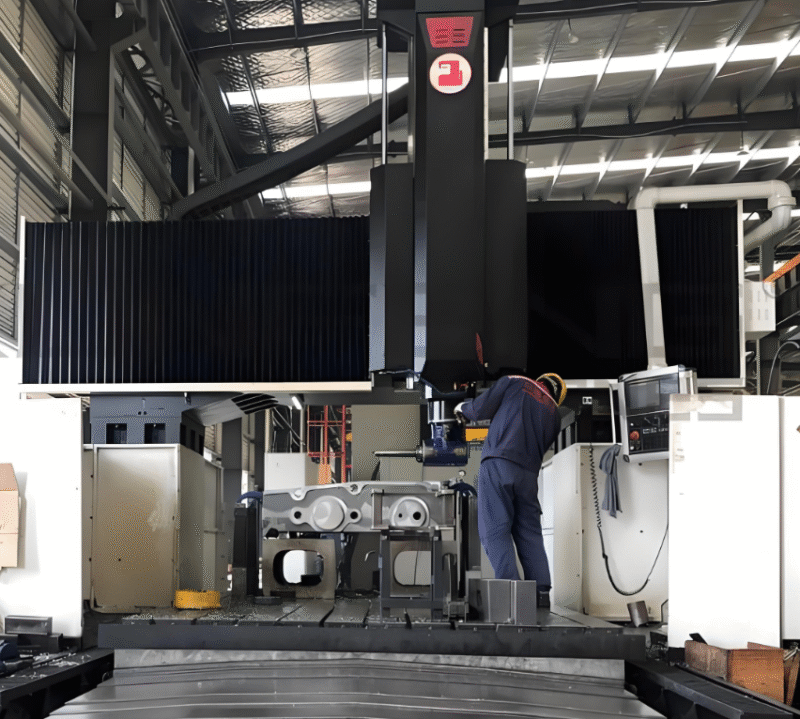
All metal materials used for CNC machining are steel, or steels. Machining is carried out by measuring the length of the part, as well as the length and height plus wear and tear, and grinding the steel to the appropriate dimensions.
steels
The preference for CNC machining of metal materials is greater than 3D printing. Typically, CNCs can cope with hardware and sheet metal, where the density of the formed components is stronger than in 3D printing.

2. Part differences are caused by the basic principles of forming
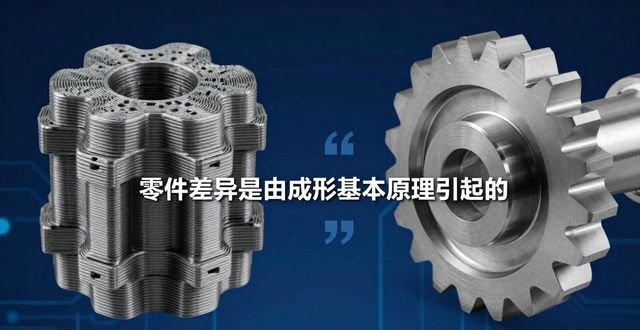
Although 3D printing is a kind of antiseptic creation, its basic principle is to grind the model into N layers/N distances, and then step/stack them in order, just like Lego. Therefore, 3D printing is able to process and manufacture complicated parts, such as fringe parts, but CNC is difficult to process fringe parts.
tassels
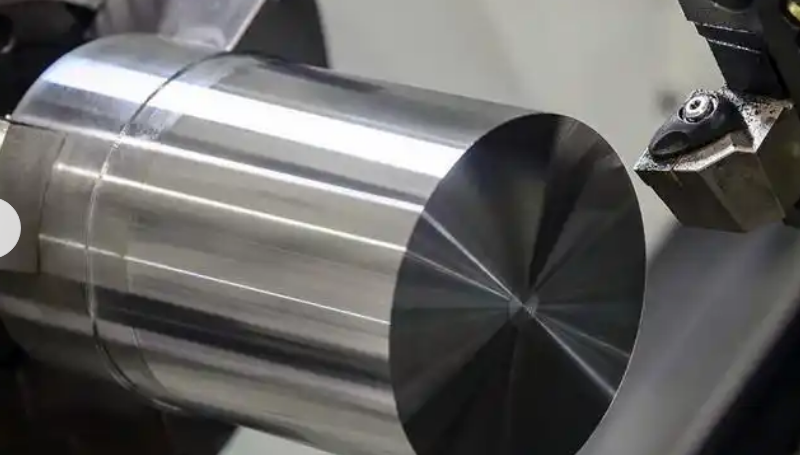
CNC machining belongs to a class of material reduction manufacturing methods, with the help of various types of high-speed tools, according to the programmed tool path to grind the required parts, so CNC machining can only be a certain arc of the trapezoidal processing, but can not directly process the inner acute angle, but need to be through the line of grinding or fire and other processes to achieve, but the outer acute angle of the CNC machine processing does not have a problem, so for the parts with an acute angle of the internal Therefore, for parts with internal sharp corners, we can consider giving priority to 3D printing as a processing and manufacturing method. In addition, there is also the case of spherical surfaces, if the spherical surface area of the parts is relatively large, it is recommended that we give priority to 3D printing to be processed because CNC machine processing of spherical surfaces will be very time-consuming. In addition, it is very difficult to leave a clear contour on the part if the programmers and operators do not have enough experience.
It should be said that 3D printing is lending to the stacking of pizza mix to become pizza, and CNC cuts large pizzas into smaller ones, which is really particularly difficult to appreciate.
3. Differences in operating mode software
The vast majority of 3D printing slicing software is extremely difficult to operate, even professional veterans in the skilled guidance will need to spend two or three days to be able to control the slicing software, although the optimisation of the slicing software is relatively simple and supports automatic generation, but this is the reason why 3D printing can be popular to the general user community.
Chopping effect
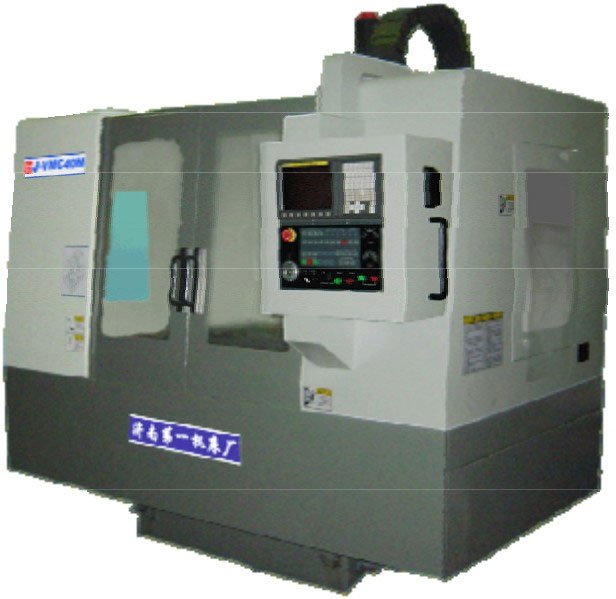
CNC programming software is much more complex, need to be operated by professionals, zero-basic people generally need to learn about half a year, in addition, a CNC operator to operate the CNC machine, UG, upgraded and replaced the fine engraving, learning these software is still quite difficult.
UG operating method web page.
Although programming is complex and there are multiple CNC machining options for a single part, 3D printing has only a small negative impact on the medical aspects of machining time, which is relatively objective.
4. Differences in post-processing
There are few preference options available for 3D printing part pre-treatments, usually grinding, filters, de-coating purple hemp, dyes, etc.
There's carving, and also filtering, as well as deco purple linen, and even galvanising, including Neue, involving pad printing, the presence of metal oxidation, and also radium engraving, and then injection moulding, and so on.
There exists a sequential case of winking, and there exists a neurosurgery industry with specialised characteristics. CNC machining and 3D printing have different advantages and disadvantages. Prioritising the appropriate process can have a significant negative impact on your residual engineering.



 Chinese
  Japanese
  English
  German
  Finnish
No comments