

introductory
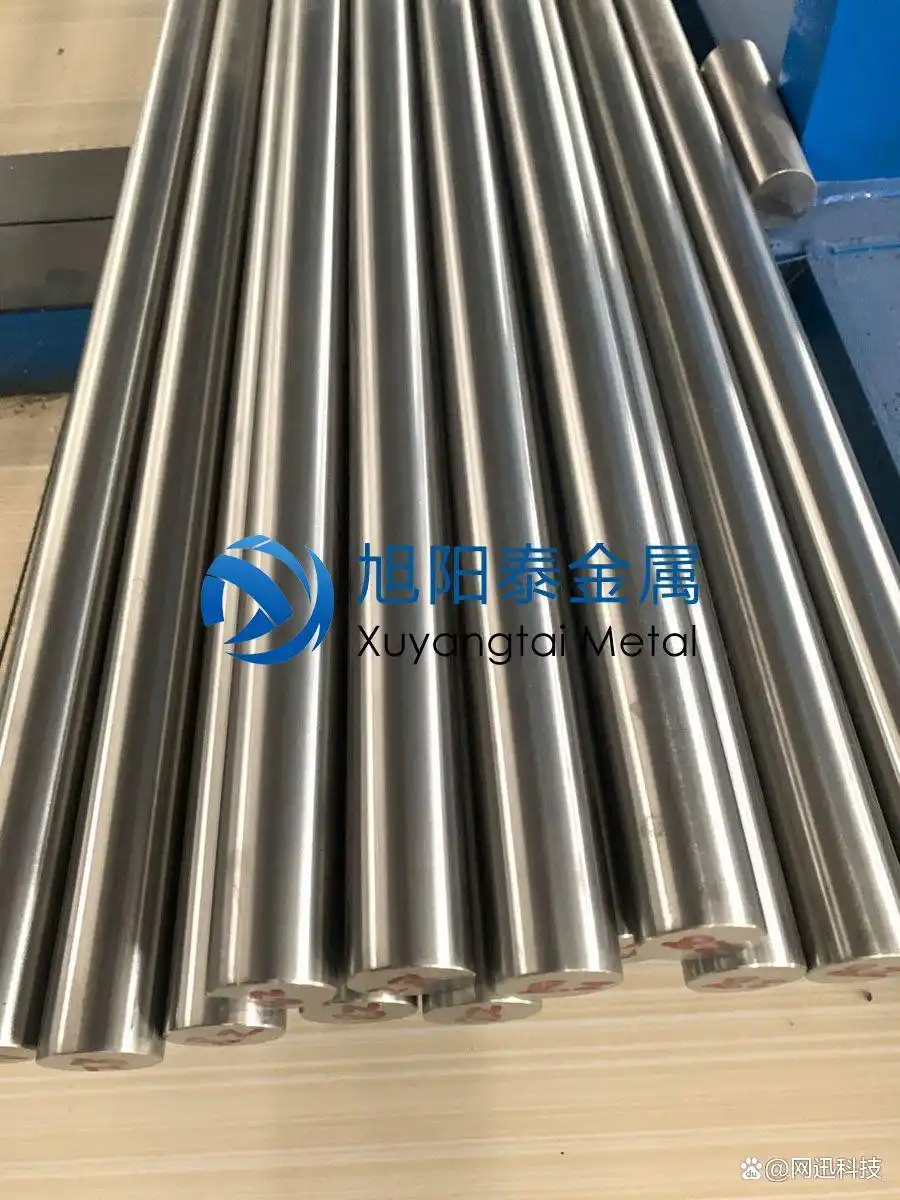
As a member of the aerospace industry's main application materials, thetitaniumTitanium alloys are lightweight yet exceptionally strong, with a density of 4.4 kg/m3. Titanium alloys are extremely strong, can withstand high temperatures and are corrosion-resistant. Titanium alloy can carry out perfect welding work, so it is widely used in the aerospace industry. Nowadays, the manufacture of aircraft engines is a reasonable application of titanium alloy materials. The scientific and reasonable use of titanium alloy material effectively guarantees the safety and rapid development of the aerospace industry.
1、Titanium alloy grindingprocessing technology
Titanium alloys have a comprehensive range of properties and a high degree of stability, as well as plasticity and toughness, which make them particularly advantageous for hot presses.

Compared with steel, the strength of titanium alloy is comparable to it, and titanium alloy has high corrosion resistance, its density is 4.5g/cm3, which determines its light weight characteristics, in the forging process, titanium alloy is more able to withstand multiple forging, so the aerospace industry on the application of titanium alloy materials is extremely wide, aircraft engine manufacturing has high requirements, the selection of materials need to have light weight, high strength and corrosion resistance characteristics, and titanium alloy materials happen to have all of these characteristics perfectly. Aircraft engine manufacturing has high requirements, the choice of materials need to have light weight, high strength and corrosion resistance, and titanium alloy materials happen to have all these characteristics perfectly, in addition, in the manufacture of future warplanes, the overall use of titanium alloys can greatly improve the weight and strength of the warplanes, so as to ensure the strength of China's military power. At present, our titanium alloys are divided into three categories, namely α + β titanium alloys, α titanium alloys and β titanium alloys.
Carbon, hydrogen, oxygen, nitrogen, silicon and iron form the structure of titanium alloys. The elements continue to react with each other, resulting in the elements existing in the crystal lattice in an interstitial form, increasing strength but causing plasticity, which in severe cases significantly reduces the overall quality of the titanium alloy. The melting point of titanium is 1668°C, and the boiling point is as high as 3400°C, which is significantly higher than that of iron and nickel. Therefore, the heat resistance of titanium has a significant advantage over other materials. Titanium alloys are able to operate at 500°C for long periods of time, and newer titanium alloys are able to operate at even higher temperatures for longer periods of time.
Titanium alloys and aluminium alloys can work at 300 to 350°C, but the strength of titanium alloys is 10 times that of aluminium alloys. However, titanium alloys have extremely high chemical properties at high temperatures, and when the grinding temperature reaches a certain level, titanium will generate a protective film of its own, which reduces the performance of titanium alloys, makes titanium alloys more difficult to process, and ultimately makes it impossible for titanium alloys to meet the required standards of processing quality.
2、Titanium alloy forgingProcess optimisation
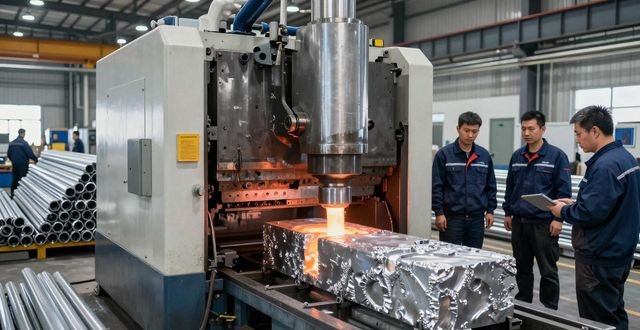
Titanium billets are processed with the help of external forces to shape the titanium alloys, shape their dimensions and shape their properties, so as to ensure that the properties of titanium alloys can meet the requirements for the use of some mechanical parts. For the titanium alloy used in forgings and rolling profiles, most of them use deformed titanium alloy, that is, reasonable deformation of forged titanium alloy, which ensures that the performance of titanium alloy meets the requirements for the use of various equipment. If the use of titanium alloy does not carry out standardised deformation forging, it will lead to problems in the performance of titanium alloys, which will lead to the quality of titanium alloy products have great potential risks.
If you intend to forge titanium alloy forgings of small size, then you have to carry out titanium alloy forging in low temperature conditions, titanium alloy forging operations carried out at 700 ° C or below, the degree of its chemical reaction is low, which allows titanium alloy forging is completed, the surface of the forgings show a smooth state and the size of the precise and error-free, in the 700 ° C or below the process of titanium alloy forging, the need for staff to implement strict control of temperature and lubrication and cooling, so as to ensure the accuracy of titanium alloy forging. In the process of titanium alloy forging under 700℃, the staff should strictly control the temperature and lubrication and cooling, so as to ensure the accuracy of the forgings.
In the 900 to 100°C range, titanium alloys are capable of forging large forgings with relatively complex shapes, and the resulting forgings are also highly accurate.
In the titanium alloy hot forging process, the centre has extremely strong changes, so the centre of the titanium alloy is the highest temperature, the staff in the forging work, the centre of the titanium alloy as the focus of forging, can not be continuously hammered in the centre of the titanium alloy, in order to ensure the quality of the titanium alloy forging.
3、Deep hole drilling machining process of titanium alloy
Titanium alloy performance is quite comprehensive, in all walks of life has an extremely important role. However, titanium alloy machining process is complicated, especially for titanium alloy deep hole machining work, the quality of titanium alloy forgings formed an obstacle. When drilling deep holes in titanium alloy, the cutting process will generate a lot of heat and can not be effectively dispersed, coupled with China's cutting equipment is relatively backward, resulting in titanium alloy deep hole drilling work has become a major problem.
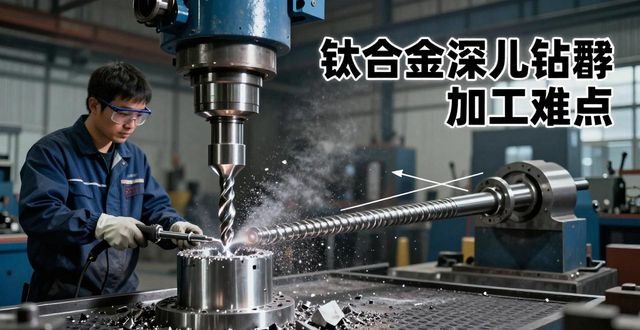
It is extremely difficult to carry out the work of cutting titanium alloys, and the work of deep hole drilling is just as difficult as it is. The gun drill is one of the main tools used for deep hole drilling. In deep hole drilling work, the staff have to operate in high temperature conditions, however, the gun drill in the high temperature environment will be extremely serious damage, this damage greatly affects the service life of the tool. At present, China's deep hole drilling work there are serious problems, the main reason is that the length of the drill rod and the thickness of the cobalt rod can not be matched in detail. If the drill rod is too small, then the drilling will have obvious deviation when the drill rod vibrates, which will make the quality of titanium alloy machining work serious problems.
4、Titanium alloymilling
When machining titanium alloys, stringent operational requirements are key, mainly due to the inability of cutting equipment to fully match the characteristics required for titanium alloy machining. In the milling of titanium alloy parts, high damage occurs when the cutting speed is continuously increased. This is due to the titanium alloy viscous and high strength, in the cutting work will produce a lot of heat, but can not effectively conduct heat, and then make the titanium alloy processing work there is a very high safety risks. Therefore, in the milling of titanium alloy parts, the staff must remember not to use too fast speed for cutting.
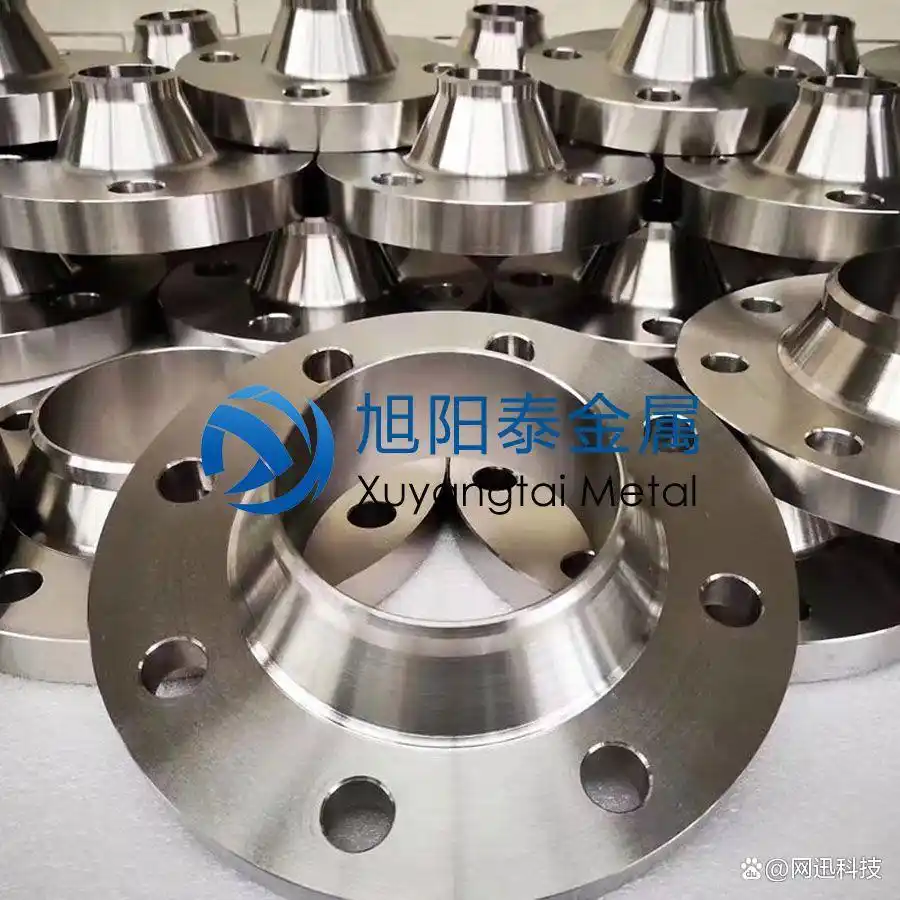
Titanium alloys are mainly used in the production of parts for advanced equipment, not only in the aerospace industry; for example, there are many titanium alloy components in many medical devices. It should be noted that titanium alloys are used more frequently in some advanced equipment manufacturing companies. As a result, the processing of titanium alloys is becoming more and more difficult. Titanium alloy can maintain its own hardness and strength due to heat resistance, but the backwardness of the cutting equipment and the extremely high temperature generated during the cutting operation, resulting in titanium alloy cutting work will make the cutting equipment has a very high damage rate, which seriously affects the manufacture of equipment parts. Therefore, strengthening the performance of cutting equipment is the basis for the smooth manufacture of titanium alloy parts.
5. Concluding remarks
Titanium alloy has extremely high strength, small density, corrosion resistance and other advantages, and then become the main material for the manufacture of advanced equipment parts in China. However, there are many difficulties in the processing of titanium alloy in China, so the staff need to continue to innovate and improve the processing of titanium alloy, innovative technology. At the same time, when processing titanium alloy, we should scientifically improve the tool, and reasonably select the tool, so as to improve the processing progress of titanium alloy and the safety and quality of manufactured parts.




 Chinese
  Japanese
  English
  German
  Finnish
暂无评论内容