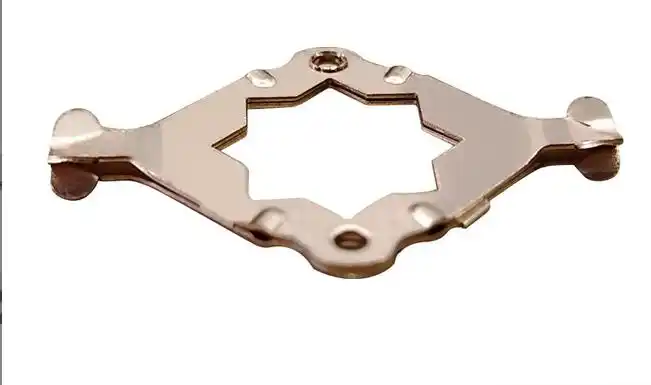


于metal processingScope, thin-walled metal parts stamping has a very important position. However, thin-walled metal parts stamping processing often encountered during thedeformation controlDifficulties. How to effectively control the deformation of thin-walled metal parts stamping, which has become the focus of attention of many enterprises and technicians. This article will be in-depth to explore the key points of thin-walled metal parts stamping deformation control and practical tips.

I. Importance of material selection and pretreatment for deformation control
Thin-walled metal parts stamping processing deformation of important factors in the material, the appropriate choice of material can be followed by deformation control to lay a good foundation for the thin-walled metal parts stamping process, to give priority to the selection of good plasticity and toughness of the material, such as aluminium alloys, copper alloys such as these materials can better withstand the deformation during the stamping process, will not be ruptured or excessive deformation of the situation.
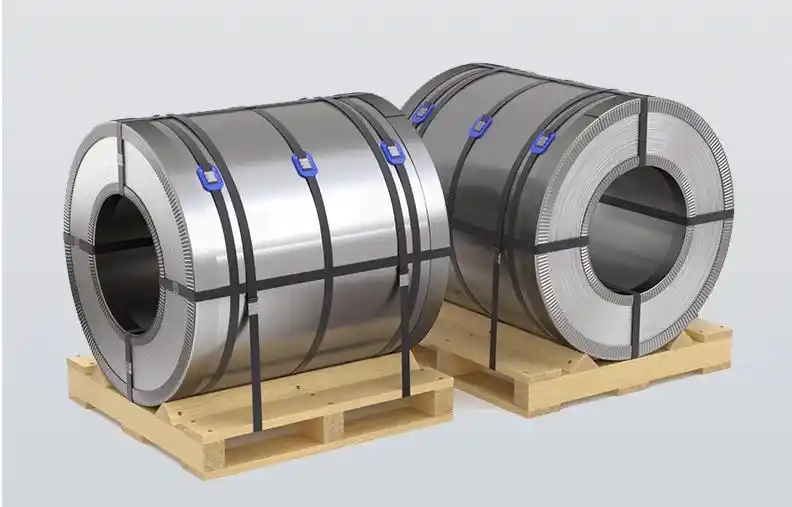
At the same time, the pre-treatment of the material can never be ignored, in the stamping process before the start of the material to carry out appropriate annealing treatment can be achieved to improve its organisation and properties of the effect can reduce the hardness of the material as well as the strength, but also to improve its plasticity, which is conducive to reducing the deformation of the stamping process that occurs in the course of the deformation of the case, in addition to the surface of the material for the cleaning process, that is, the oil and dirt and other impurities removed. In addition, the material surface cleaning treatment, that is, the oil, oxide and other impurities removed, this can also improve the surface quality of the material as well as the performance of the stamping performance, and ultimately reduce the possibility of deformation.
Two,Mould DesignKey role with manufacturing
When stamping thin-walled metal parts, the mould as the core tool, its design quality and manufacturing quality, will have a direct impact on the degree of deformation of the parts. Reasonable design of the mould must take into account factors such as part shape, size, accuracy requirements and material properties. For example, for thin-walled metal parts with complex shapes, a split mould structure should be adopted so that the mould can be released smoothly during the stamping process to prevent deformation of the parts due to the difficulty in releasing the mould.
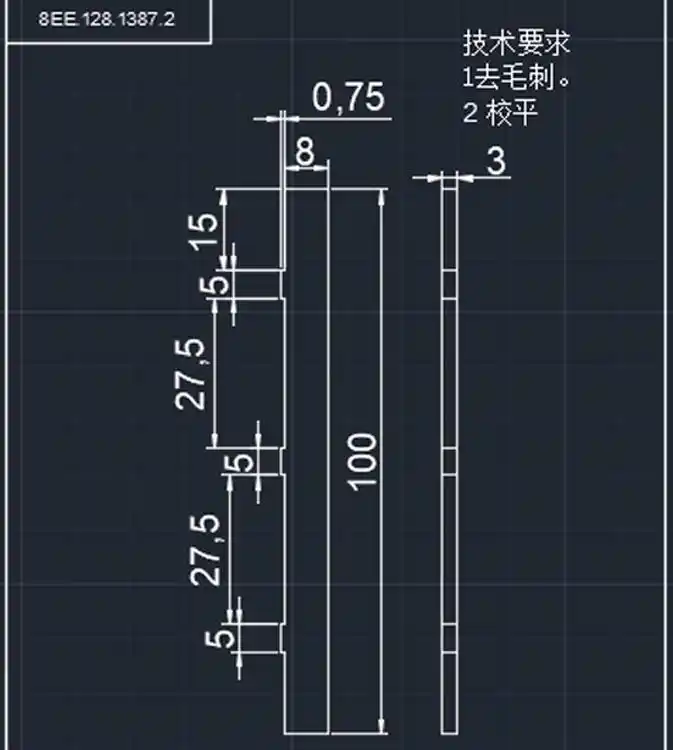
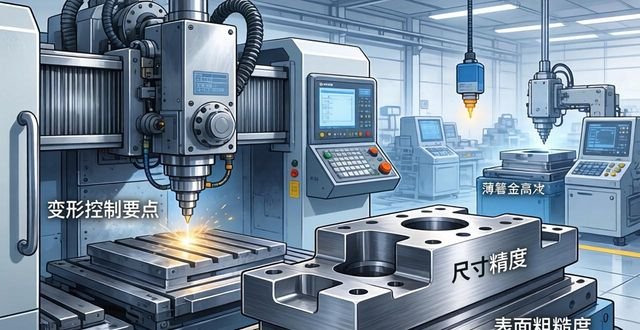
In the scope of mould manufacturing, the need to rigorously control the dimensional accuracy of the mould, as well as the surface roughness, the dimensional accuracy of the mould directly on the dimensional accuracy of the parts to play a decisive role, but the surface roughness of the surface quality of the parts, as well as the effect of the release of the mold has an impact, through the use of high-precision machining equipment, as well as advanced machining technology, to ensure that the mould's manufacturing quality, to be able to reduce the deformation of the thin-walled metal parts stamping Deformation of thin-walled metal parts stamping.
Three,Stamping processOptimised tuning of parameters
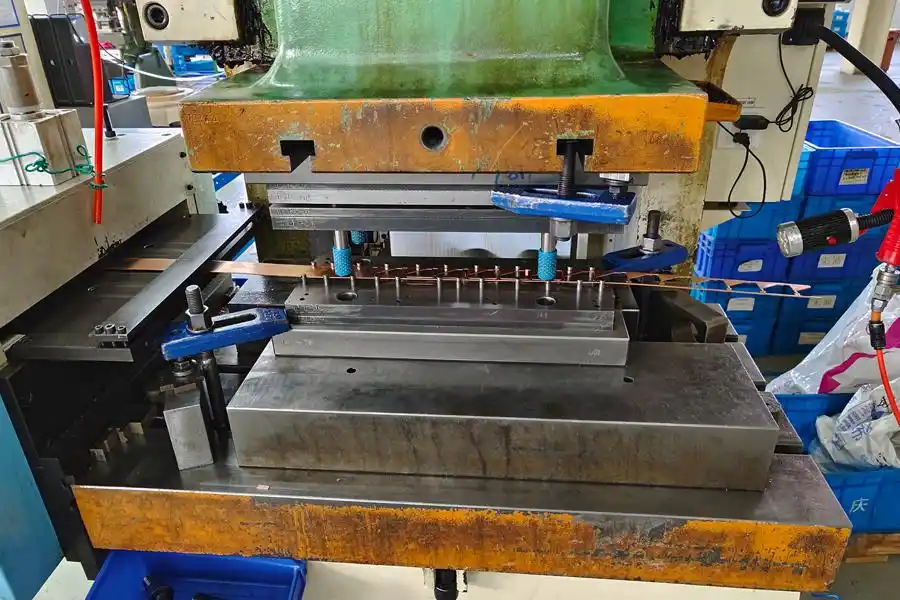
For the deformation control of thin-walled metal parts stamping, the selection and adjustment of stamping process parameters are extremely critical. Among these parameters, stamping speed, stamping pressure and crimping force are three key process parameters.
(i) Stamping speed
If the stamping speed is too fast, then it will cause the deformation of the material is not very full, and then it is extremely easy to lead to the emergence of cracks and wrinkles and other such deficiencies; if the stamping speed is too slow, it will make the production efficiency is reduced, but also increase the risk of deformation of the parts. Therefore, according to the characteristics of the material and the requirements of the parts, the appropriate selection of stamping speed. Generally speaking, when stamping thin-walled metal parts, it is appropriate to use a moderate stamping speed to ensure that the material can achieve sufficient deformation, and at the same time can prevent excessive deformation.
(ii) Stamping pressure
The degree of deformation of the material is directly affected by the size of the stamping pressure, if the stamping pressure is too large, the material will be excessively deformed or even rupture, if the stamping pressure is too small, the material can not achieve the required degree of deformation, which affects the quality of the parts, in the actual production, according to the material thickness, strength and part shape and other factors, to reasonably determine the stamping pressure, and through the trial mould and debugging to optimize the adjustment.
(iii) Crimping force
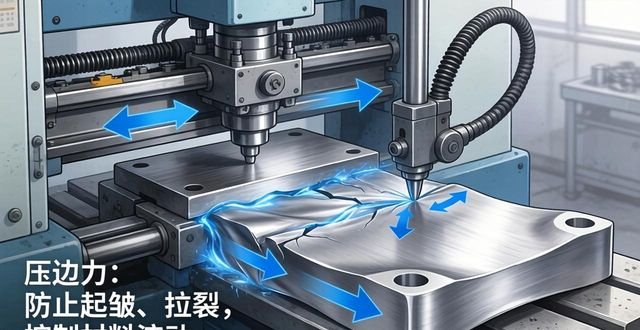
When stamping, the crimping force has a role to play in preventing the material from wrinkling and from cracking. With the right crimping force, the flow of the material can be effectively controlled, thus reducing the risk of deformation of the part. When it comes to stamping thin-walled metal parts, the crimping force needs to be adjusted according to the thickness and properties of the material. Generally speaking, the crimping force should be gradually increased with the degree of deformation of the material, in order to ensure that the deformation of the material is uniform.
IV. Application of lubrication and cooling measures
During the stamping of thin-walled metal parts, the use of lubrication and cooling measures also helps to control the deformation of the part. Good lubrication reduces the level of friction between the material and the die, reducing the stretching and wear of the material, and resulting in more uniform deformation of the part. Commonly used lubricants include lubricants and greases.
Cooling measures are taken to prevent softening and deformation of the material due to the increase in temperature during the stamping process, with the use of coolant or cooling devices for the moulds and parts, so that the temperature of the material can be effectively controlled and the effects of thermal deformation can be reduced.
As mentioned above, thin-walled metal parts stamping, deformation control is a comprehensive technical challenges, from the material selection and pretreatment to start, from the mould design and manufacturing to start, from the stamping process parameters optimization and adjustment of the entry, from the lubrication and cooling measures to carry out a variety of aspects, only a thorough consideration of these factors, and to take effective control of the initiative, in order to achieve high quality of stamping of thin-walled metal parts and low deformation to meet the needs of modern industrial production. Meet the needs of modern industrial production.




 Chinese
  Japanese
  English
  German
  Finnish
暂无评论内容