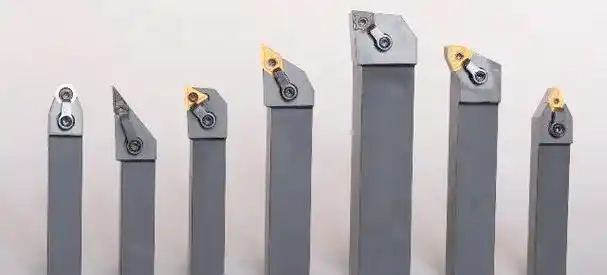


existnumerical control machiningIn this context, the selection and use of turning tools are of the utmost importance. In order to effectively address machining challenges, we must first gain an in-depth understanding of the various specific aspects of turning tools. This includes knowing the number of flutes, selecting the clamping method, and choosing the appropriate insert mounting method. By mastering this key information, we can tackle the various challenges of CNC machining with greater confidence, thereby improving machining efficiency and product quality.
01 Types of Turning Tools and Key Considerations for Selection
Key Considerations for Selecting External Turning Tools
The selection of external cylindrical turning tools in CNC machining is a crucial consideration. We must take the main rake angle into account and make a comprehensive assessment based on the requirements specified in the drawings and the characteristics of the material, thereby ensuring that the tool is suitable for the specific machining conditions. Firstly, the tool’s rake angle is a key parameter that plays a decisive role in the tool’s cutting performance and machining results. Furthermore, the presence of drawing specifications is another important factor to consider, as these are likely to contain detailed machining-related information and specific requirements. At the same time, it is essential to have a thorough understanding of the properties of the material to be machined—such as its hardness—in order to select the appropriate tool material and cutting parameters. Mastering this information is crucial to ensuring that CNC machining proceeds smoothly.

Key Considerations for Selecting Internal Boring Tools
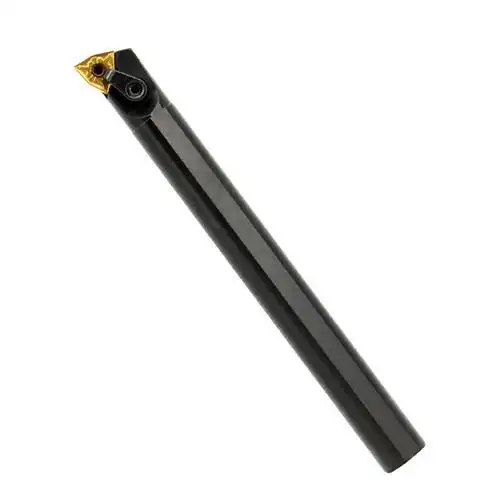
When selecting an internal turning tool, we must take numerous factors into account; the choice of tool must consider the bore diameter, bore depth, the internal diameter of the machine tool’s tool holder, and the risk of interference. Firstly, it is essential to know the diameter of the bore to be machined, thereby ensuring that the selected tool is suitable for the size of the bore. At the same time, the depth of the bore is a key consideration, as it affects the tool’s cutting stroke and machining efficiency. Furthermore, the inner diameter of the machine tool’s tool holder is a parameter that must not be overlooked, as it directly determines whether the tool can be installed smoothly and commence machining. Finally, it is necessary to check for any interference within the bore to ensure that the tool can perform the cutting operation safely and effectively. A thorough understanding of this information is crucial for selecting the appropriate internal turning tool.
Key Considerations for Selecting Grooving Cutters
When selecting a grooving cutter, we must also be clear about several key parameters. We need to consider the grooving depth, as well as the groove width; the position of the groove must also be taken into account, and the diameter and minimum diameter range must not be overlooked either! Firstly, we must determine the grooving depth, as this is directly linked to the tool’s cutting capacity and the machining results! Secondly, the slot width is a crucial factor, as it determines the width and shape of the slot! In addition, the location of the slot must be considered—whether it is a face slot, an external slot or an internal slot—to ensure the selection of the appropriate tool type! At the same time, it is essential to know the maximum machining diameter and the minimum machining diameter range, as this helps us select the appropriate tool size! A precise understanding of this information is crucial for ensuring the effective selection and use of grooving tools.
Key Considerations for Selecting Cutting Blades
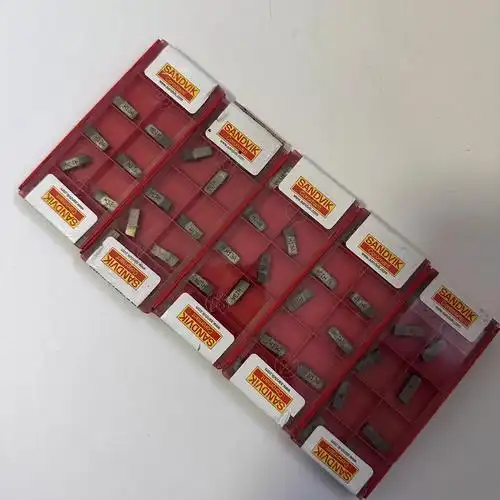
When selecting a cutting blade, two key issues must be clarified. Firstly, the diameter of the material to be cut must be determined, as this forms the basis for selecting the appropriate cutting blade specification; secondly, one must be clear about the cutting diameter and the slot width, as the relevant requirements for slot width are also essential; these directly affect the cutting results and product quality.
Key Considerations for Selecting Thread-Cutting Tools
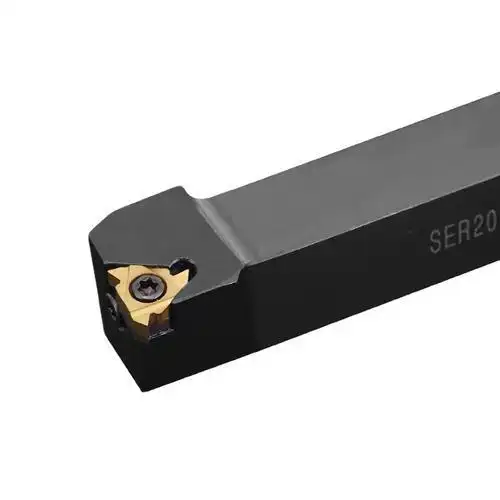
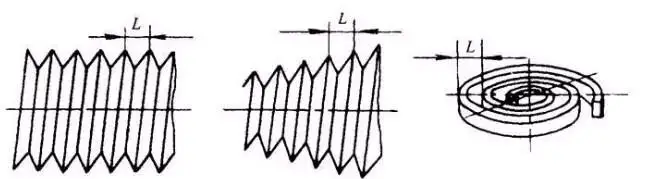
Selecting a threading tool involves a number of different considerations. It is necessary to determine whether a right-hand or left-hand tool is required, to identify the type of thread, to know the pitch, and to be clear about the thread standard. Firstly, one must determine whether to use a right-hand or left-hand threading tool, which is determined by the specific machining requirements and operational preferences. Secondly, it is necessary to establish whether an external or internal thread is to be machined, as different types of threading tools possess distinct cutting characteristics and areas of application. Furthermore, the pitch is a crucial parameter, as it determines the depth and density of the thread. Finally, one must consider the thread standard—whether metric or imperial—in order to select a threading tool that complies with the relevant standard.
02 Types of Milling Cutters and Key Considerations for Selection
Key Considerations for Selecting Solid Milling Cutters
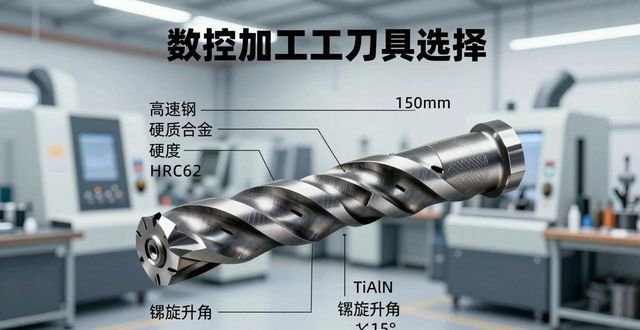
When selecting solid end mills, a variety of factors must be taken into account, including material, hardness, length, number of cutting edges, coating and helix angle, to ensure that the chosen tool is suitable for the machine tool’s machining range and precision requirements. Firstly, the machining requirements must be used to determine whether to select a end mill made of high-speed steel or cemented carbide. Secondly, attention must be paid to the hardness range of the workpiece to ensure that the selected tool meets these requirements. In addition, length, the number of cutting edges, whether the tip is ball-nose or flat-nose, the shank angle, thread specifications and coating type are all key factors to be considered during the selection process. Furthermore, the choice of helix angle will also affect the tool’s cutting performance and service life.
Key Considerations for Selecting Blade-Type Milling Cutters
When selecting indexable milling cutters—commonly referred to as indexable inserts—it is equally important to carefully consider a number of factors. Attention must be paid to the material, shape, dimensions, shank design and coating. The first step is to determine the appropriate insert material to meet specific machining requirements. In addition, factors such as the hardness of the workpiece, the shape and dimensions of the insert, and the shank design are all essential considerations in the selection process. At the same time, the indexability of the insert and the coating treatment will also significantly affect the tool’s service life and cutting performance.
Key Considerations for Selecting Shaft-Type Milling Cutters
When selecting what are known as shank-type milling cutters—that is, mandrel-type milling cutters—several key points must also be taken into account. It is necessary to determine the diameter, the cutting edge angle and the machining length. First and foremost, it is essential to select the appropriate diameter to ensure stability during the machining process. Furthermore, the cutting edge angle is another important factor to consider, as it affects both the cutting performance and precision. At the same time, the required machining length is an essential consideration during selection, as it directly determines whether the tool can meet specific machining requirements.
Key Considerations for Selecting Cutter Discs
When selecting a disc-type milling cutter, it is important to determine the diameter and the angle of the cutting edges, as well as whether it is suitable for finishing or roughing operations. Firstly, you must ascertain the specific diameter required, as this is directly linked to both stability and efficiency during the machining process. Secondly, the angle of the cutting edges is another factor that must not be overlooked, as it directly affects both the cutting performance and precision. Furthermore, you must determine whether the operation involves finishing or roughing based on the specific machining requirements, and consider whether a tool rake angle needs to be set.
03 Key Points for Selecting Drill Bits
Key Considerations for Selecting Straight-Shank Drill Bits
When selecting straight-shank drill bits, a number of factors must be taken into account. The material of the drill bit is one important consideration, as it affects both the bit’s durability and its cutting performance. You must determine whether the drill bit is made of high-speed steel or cemented carbide to ensure it meets specific machining requirements. Secondly, you need to clarify the range of drilling diameters, as this directly affects drilling accuracy and efficiency. Furthermore, you must consider the depth of drilling required, as well as any special requirements regarding the cutting edges; these factors will help you select the most suitable straight-shank drill bit.
Key Considerations for Selecting Taper Shank Drills
When selecting a taper shank drill bit, it is equally important to consider a number of factors. These include the shank size, diameter, depth and cutting edge requirements. Firstly, and most importantly, it is essential to understand the tool’s original shank size, as this will affect the drill’s compatibility. Secondly, it is essential to clarify the range of machining diameters, as this is key to ensuring drilling accuracy. In addition, the machining depth and any specific requirements regarding the cutting edges are also factors that must be taken into account during the selection process. By giving comprehensive consideration to these key points, you will be able to select the most suitable taper shank drill bit.
04 Key Considerations for Selecting Taps
Key Considerations for Selecting Helical Taps
When selecting a tap, it is necessary to clarify a series of parameters and requirements, such as the tap’s direction of rotation, thread dimensions and machining accuracy. Firstly, the direction of rotation must be determined—that is, whether to choose a left-hand or right-hand tap—which is dictated by the specific machining requirements. Secondly, the thread size is of paramount importance, as it directly affects the tap’s suitability and the machining results. Furthermore, machining accuracy, material and shank standards are also factors to be considered during selection. By taking all these points into account, one can select the most suitable helical tap.
Key Considerations for Selecting Straight-Fluted Taps
When selecting a straight-fluted tap, the key parameters to consider include the material to be machined, the tapping method and the chamfering requirements. First and foremost, the material to be machined must be taken into account, as this will affect the tap’s wear and suitability. Furthermore, whether the threading is to be carried out by hand or by machine is a factor to be considered, as this determines the method of use and efficiency of the tap. At the same time, the choice of chamfering tool is closely linked to the machining requirements, including specific criteria such as the chamfer range and angle. By taking all these points into comprehensive consideration, you will be able to select the most suitable straight-fluted tap.
05 Key Considerations for Selecting Reamers
Key Considerations for Selecting Straight-Shank Reamers
When selecting a straight-shank reamer, it is equally important to clarify several key parameters, such as machining depth, precision and diameter. The first step is to determine the machining depth, as this is crucial to whether the reamer can achieve the desired machining results. Secondly, machining accuracy is another important factor to consider, as it determines the quality of the final product. Finally, attention must be paid to the machining diameter to ensure that the selected reamer is suitable for the specific machining requirements. By taking all these points into account, you will be able to select the most suitable straight-shank reamer.
Key Considerations for Selecting Taper-Shank Reamers
When selecting a taper shank reamer, several key parameters must also be taken into account: the taper sleeve dimensions, the machining depth, the precision, and the diameter. Firstly, you need to ascertain the dimensions of the existing tapered sleeve, as this will affect the reamer’s compatibility. Next, you must determine the machining depth to ensure the reamer can reach the required machining position. Furthermore, machining accuracy is of significant importance, as it directly impacts the quality of the final product. Finally, do not forget to consider the machining diameter when selecting a reamer that meets your specific requirements. By taking all these key points into account, you will be able to select the most suitable taper shank reamer.
06 Key Considerations for Selecting Boring Tools
Key Considerations for Selecting Rough Boring Tools
When selecting a rough boring bar, you need to consider two main categories—modular or monobloc—as well as extension bars and the machining range. In addition, you must clarify the required machining range, which encompasses length, and consider whether an extension shank is needed to meet specific machining requirements. These factors will help you select the most suitable rough boring tool.
Key Considerations for Selecting Precision Boring Tools
When selecting a precision boring bar, you must also weigh up the two main types: modular and monobloc. Modular or monobloc, precision, length, extension rods. Furthermore, you need to determine the required machining accuracy and machining length, and consider whether an extension bar is required to extend the machining range. These factors will collectively influence your choice of precision boring bar.
07 Key Considerations for Selecting Fixtures
Selection of Drill Bit Clamping Systems
When it comes to selecting a drilling tool holding system, you need to consider whether to use a flexible collet or a three-jaw chuck. You must take into account the type of collet or chuck, the ER size, and the taper shank dimensions. At the same time, you must have a clear understanding of the dimensions of the tool to be clamped, including the ER size, shank size and required length. These factors, taken together, will determine whether your chosen clamping method is appropriate.
Key Points for Clamping Milling Cutters
When clamping a milling cutter, it is essential to determine its dimensions, including its diameter, length and shank diameter. The diameter and length must be established to ensure they are compatible with the machine tool. In addition, different types of milling cutters—such as heavy-duty, standard or high-speed types—must be selected as required. At the same time, ensure that the shank diameter of tapered milling cutters matches the machine tool’s tapered bore, and that the dimensions of the threaded hole also meet the requirements.
Key Points for Clamping Taps
When fitting a wire tap, you need to consider whether to use rigid or flexible tapping, and determine the required tap size. Whether to use rigid or flexible tapping, and the size of the tap.
Key Points for Clamping Face Milling Cutter Heads
When clamping a face milling cutter, it is essential to be fully aware of the cutter’s diameter, the dimensions of the inscribed circle, whether the bore is metric or imperial, and the length requirements. These are the diameter, the dimensions of the inscribed circle, and the bore type.
Selecting a Tool Setter
You need to consider what type of tool set-up gauge it is—for example, analogue, digital or projection—and also find out what its measuring range is and what its accuracy is. Tool set-up gauge type, measuring range, accuracy.




 Chinese
  Japanese
  English
  German
  Finnish
暂无评论内容