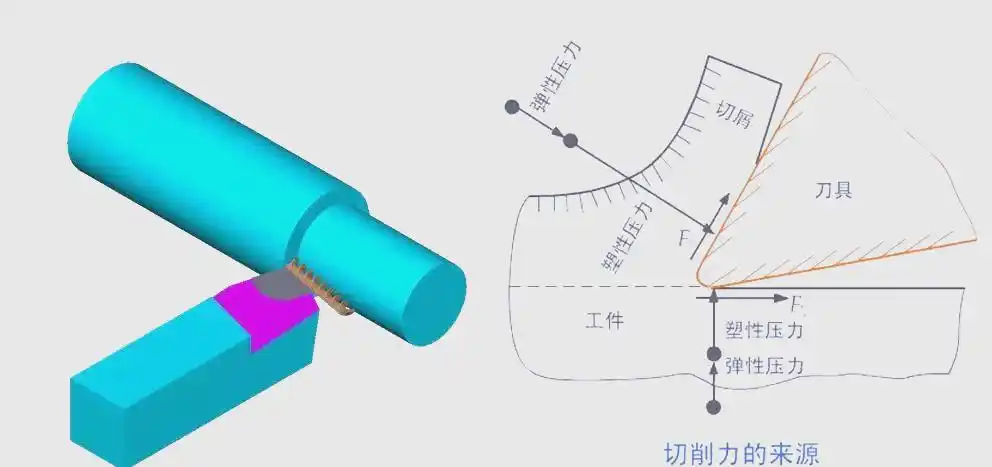


01 The Importance of Metal Cutting Angles
During the metal-cutting process, the cutting tool cuts into the workpiece at a specific angle; however, it is precisely this angle that has a decisive influence on the geometry of the tool’s cutting edge, thereby further affecting cutting efficiency and tool life.
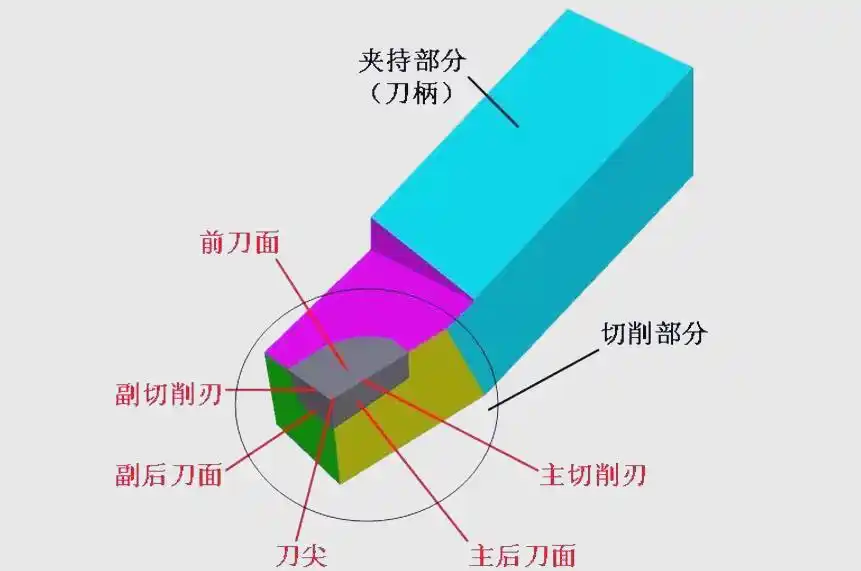
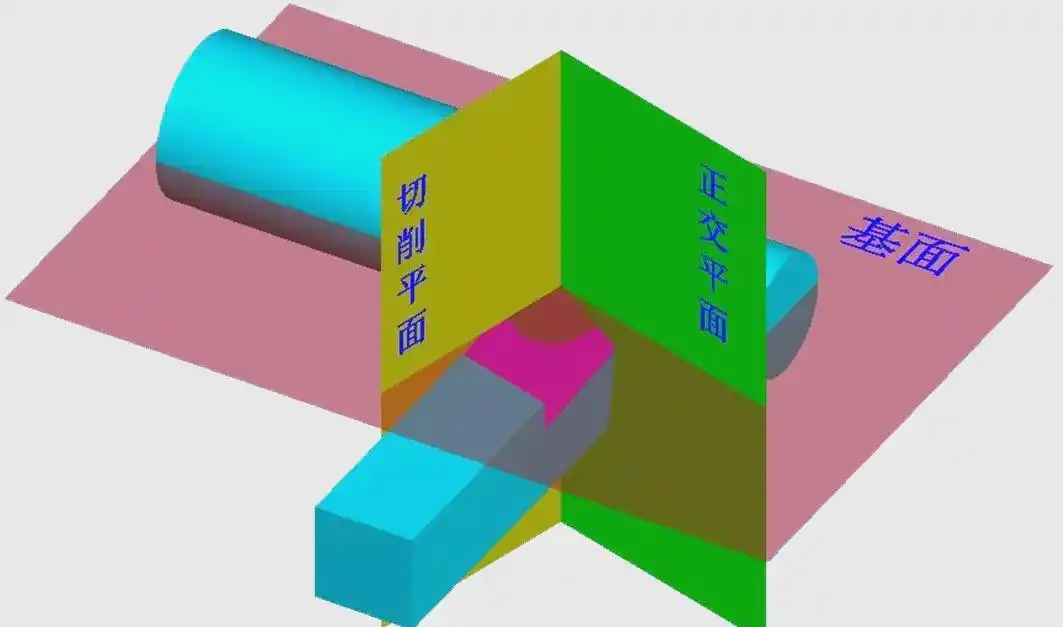
The structure of the cutting edge of a turning tool
The cutting section of a turning tool comprises the rake face, the main rear face and the secondary rear face, as well as the main cutting edge, the secondary cutting edge and the tool tip, amongst a number of other key components. These components work together to facilitate the machining process.

02 Main geometric angles of turning tools
Principles for selecting the front angle
The design of the rake angle aims to strike a balance between the strength and sharpness of the cutting edge. When making a selection, the hardness of the material to be machined is the primary consideration. If the material is relatively hard, a smaller front angle should be selected; conversely, a larger front angle is required. Furthermore, the nature of the machining operation is a key factor in determining the size of the front angle. During the rough machining stage, a smaller front angle should be selected to ensure the cutting edge retains sufficient strength; conversely, during the finish machining stage, the front angle should be increased moderately to achieve higher cutting efficiency. Generally speaking, the front angle ranges from -5° to 25°.
It should be noted that the rake angle of a turning tool is not formed during manufacture, but is created by grinding a chipbreaker groove into the cutting edge. The chipbreaker groove, also known as a chip-breaking groove, serves to effectively break up the chips and prevent them from becoming entangled. They also control the direction in which chips are discharged, ensuring the accuracy of the machined surface. Furthermore, they reduce cutting resistance and extend the tool’s service life.
Principles for selecting the rear angle
The selection of the rake angle must also take several factors into account. Firstly, the nature of the machining operation is one of the crucial factors determining the size of the rake angle. During the finishing stage, a larger rake angle is generally selected to achieve higher machining accuracy and surface quality, whereas during the roughing stage, where cutting efficiency and the rigidity of the tool head are prioritised, a smaller rake angle is chosen. Secondly, the hardness of the workpiece material is another factor that cannot be overlooked. Typically, the range for the rake angle lies between 6° and 12°.
It should be noted that the range for the rake angle is generally between 6° and 12°, and it must not be zero or negative. Selecting the appropriate rake angle is crucial for ensuring the durability and cutting performance of the cutting head.
Principles for selecting the principal azimuth
When selecting the main rake angle, the first factor we need to consider is the rigidity of the turning process system, which comprises the lathe, the fixture and the cutting tool. If this system exhibits good rigidity, a relatively small value should be selected for the rake angle. Adopting this approach helps to extend the service life of the turning tool, improves heat dissipation conditions to some extent, and optimises surface roughness. On the other hand, the geometry of the workpiece being machined is also a key factor in determining the rake angle. For example, when machining a stepped feature, a rake angle of 90° is suitable, whereas for workpieces requiring centre-entry machining, a rake angle of 60° is typically selected. It is worth noting that the range of main rake angles generally falls between 30° and 90°, with 45°, 75° and 90° being the most commonly used angles.
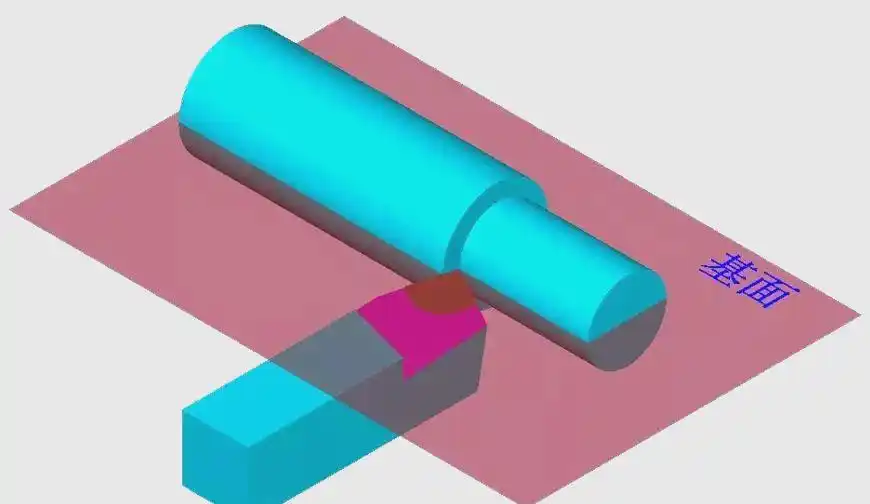
Principles for selecting the secondary angle
When selecting the secondary rake angle, it is essential that we ensure, from the outset, that the cutting tool, workpiece and fixture possess sufficient rigidity; only when these conditions are met is it possible to select a smaller secondary rake angle. If rigidity is insufficient, a larger secondary rake angle must be selected. Furthermore, the nature of the machining operation is also a decisive factor. During the finishing process, the secondary rake angle is generally set within the range of 10° to 15°, whereas during roughing, a secondary rake angle of approximately 5° may be selected. During finishing, the secondary rake angle is conventionally set between 10° and 15°.
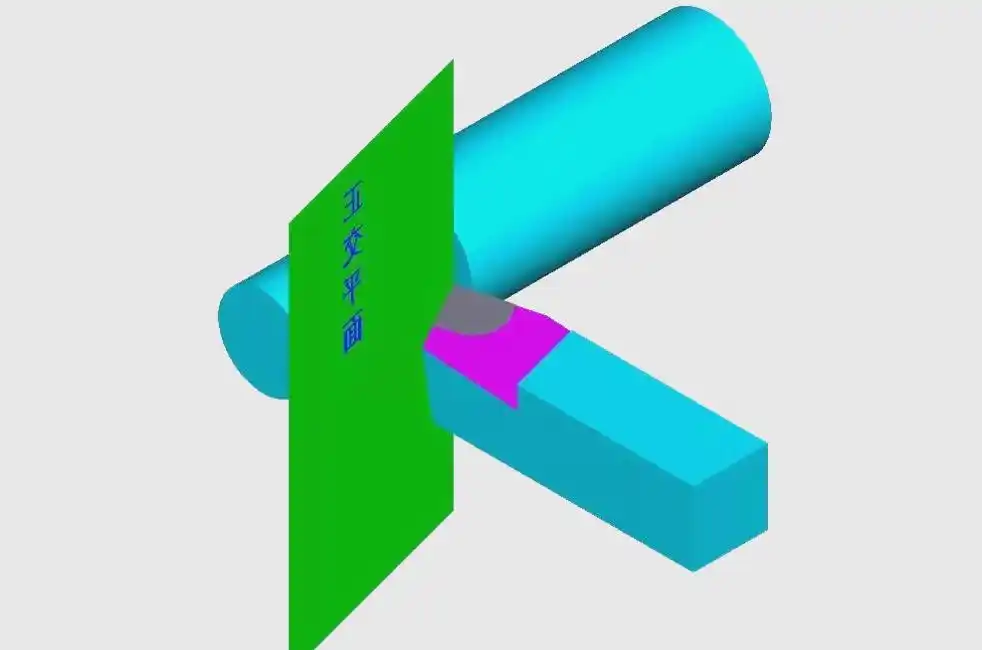
Principles for selecting the rake angle
The choice of rake angle is primarily determined by the nature of the machining operation. During rough machining, given the significant impact forces exerted by the workpiece on the turning tool, it is recommended to select λS ≤ 0°. During finish machining, as the impact forces exerted by the workpiece on the turning tool are relatively small, it is therefore possible to select λS ≥ 0°, and typically λS = 0° is adopted. Generally speaking, the rake angle is usually selected within the range of -10° to 5°.




 Chinese
  Japanese
  English
  German
  Finnish
暂无评论内容