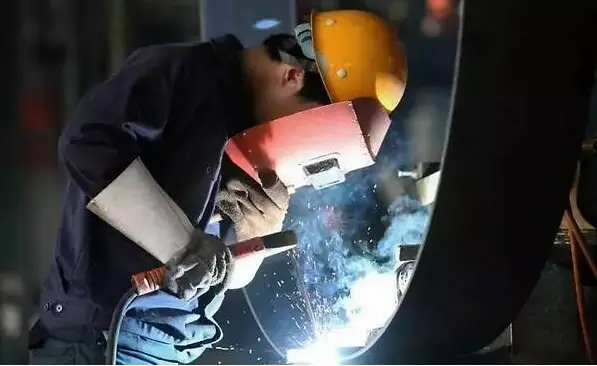


Essential tips! These welding fume treatment solutions reliably solve the environmental assessment challenges faced by most factories
In previous years, the food and consumer goods sectors have consistently been the hardest hit during the 315 Consumer Rights Day campaign, However, this year’s 315 campaign has seen a marked difference, with numerous metal manufacturing plants being singled out by the relevant authorities, who have directly accused them of “falsifying” their environmental impact assessment reports. This unexpected turn of events has prompted many factories to launch internal investigations, In particular, the issue of dust control in welding workshops—which has frequently been targeted for intensive environmental inspections in recent years—has been regarded by many factories as the most critical aspect of their self-inspection efforts.
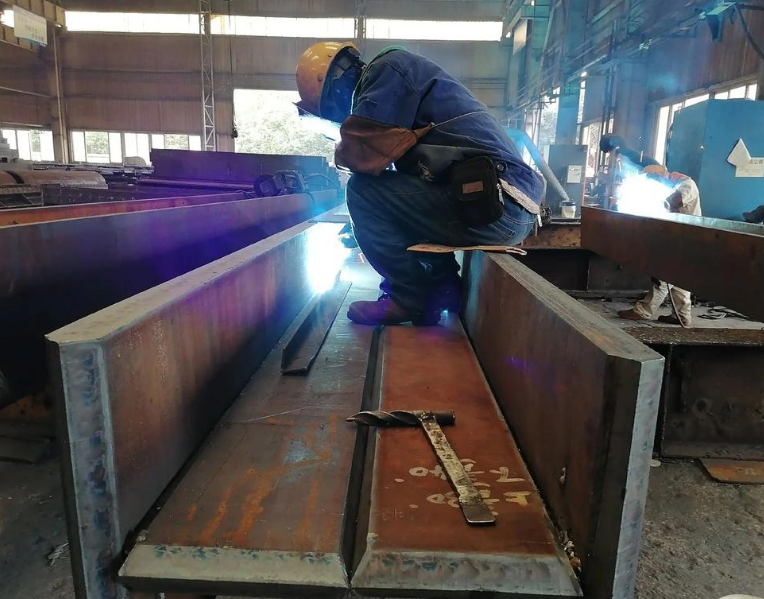
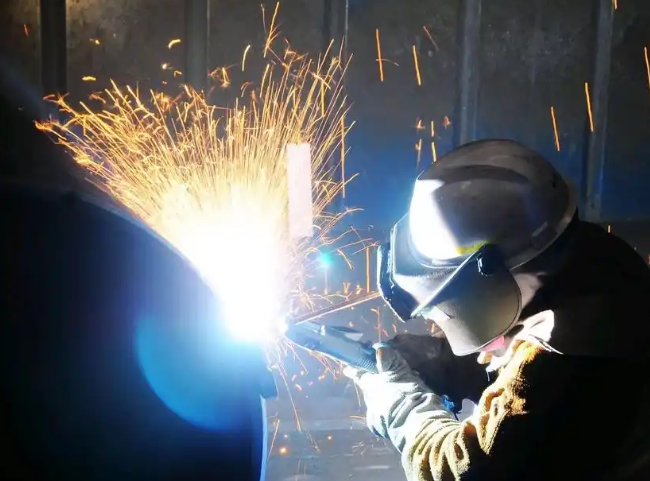
In the public imagination, welding workshops are often associated with scenes of thick, billowing fumes and poor visibility. This situation is largely due to the inadequate implementation of welding fume control measures, resulting in heavy concentrations of fumes within the workshop, resulting in severe pollution and emissions that fail to meet regulatory standards.

Many factories are seeking various ways to tackle welding fume pollution in their welding workshops; however, due to certain factors, efforts to control welding fumes are often less than satisfactory, failing to meet environmental assessment standards, or, even if the environmental assessment is initially approved, after a short while, due to unreasonable fume treatment plans, substandard equipment, or other reasons, the workshop reverts to a state of heavy fume and severe pollution.
To address these issues, the editorial team at Liwei Environmental Protection would like to share a number of general solutions for managing welding fumes in workshops. We encourage you to compare these options against your own specific circumstances to find the solution that best suits your needs!
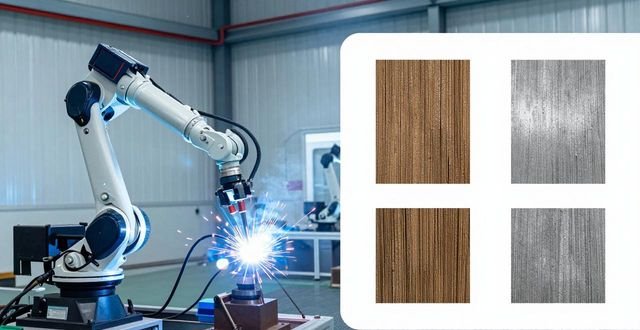
Under the first approach, improvements are made directly to the welding process, whilst also enhancing the materials used, thereby reducing the generation of welding fumes at source and consequently minimising their harmful effects.
Many factories are seeking to address the issue of welding fume pollution, partly due to environmental impact assessments and partly out of concern for the health of their employees. By improving the composition of welding rods and selecting clean, rust-free and oil-free welding consumables, it is possible to effectively reduce the generation and emission of harmful gases during the welding process. Furthermore, with regard to welding processes, measures can be taken to mechanise and automate welding operations through the use of welding robots. This not only reduces the physical strain on workers and boosts productivity but also helps to protect workers’ health.
The second option involves installing dust extraction equipment to collect fumes directly at the welding point.
This solution for dealing with welding fumes is highly favoured in modern factories, and it often involves the use of a mobile welding fume extractor. Thanks to the extraction arm and hood fitted to this mobile welding fume extractor, fumes generated during welding are extracted the moment they are produced and are only released after being purified by the extractor.
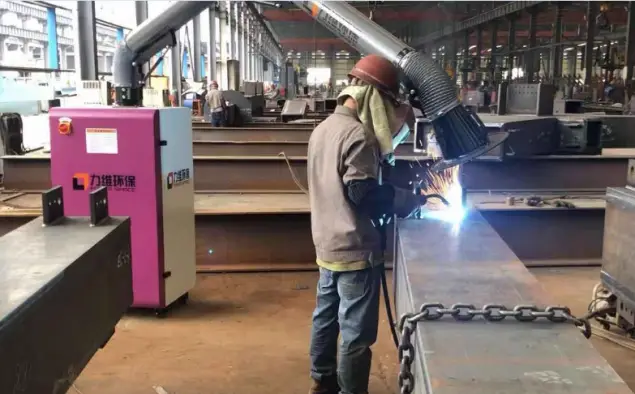
Take a look at the mobile welding fume extractor shown above: its extraction arm can rotate flexibly through a full 360 degrees and can be positioned in a stationary position. It boasts extremely powerful suction and is fitted with imported filter cartridges, achieving a purification efficiency of up to 99.9%. It is fair to say that once you have this unit, the welding fumes in the vast majority of workshops will be captured and purified before they can disperse into the air.
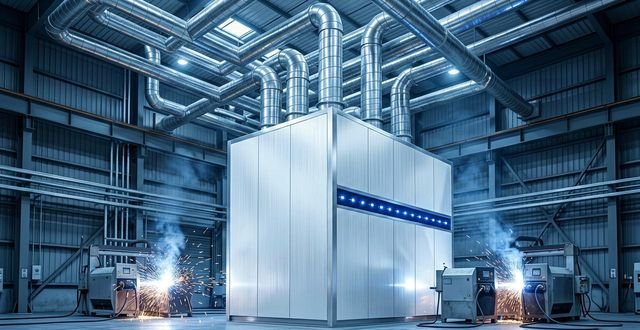
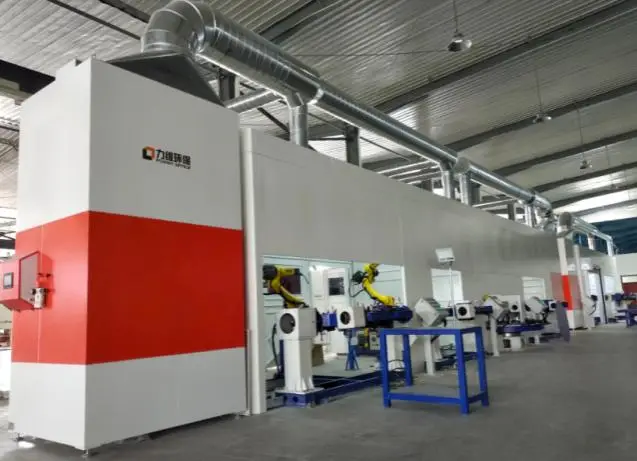
The third option involves collecting all workshop dust and subjecting it to centralised purification.
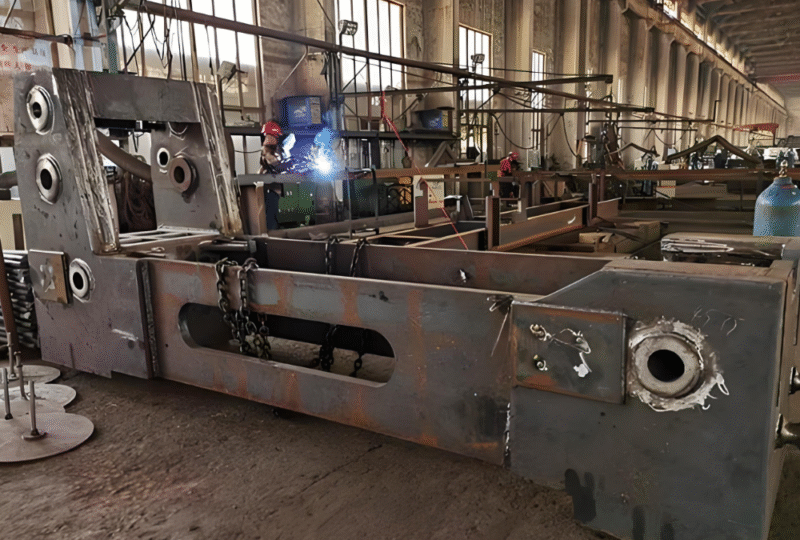
In large workshops where welding operations involve complex and variable conditions and large workpieces, it is generally more appropriate to adopt a control method that involves the comprehensive collection of fumes and centralised purification; the most commonly used equipment for this purpose is a centralised welding fume extraction system.
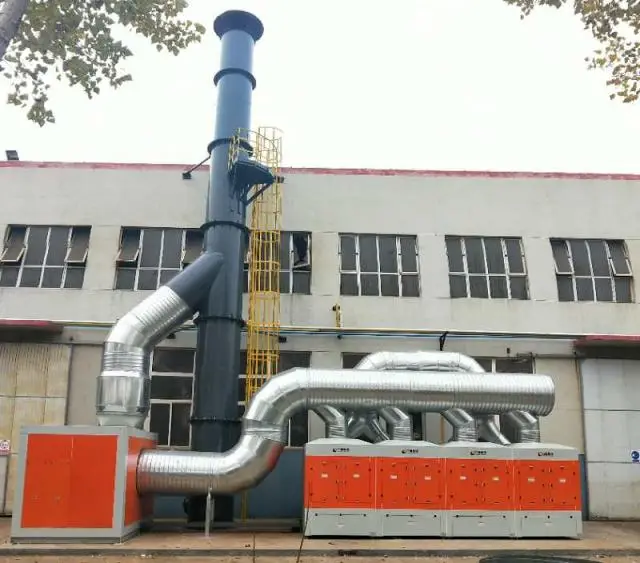
When it comes to welding fume extraction for large or irregularly shaped workpieces in the workshop—which typically require lifting by crane—the most suitable solution among the various options available is undoubtedly a self-contained welding fume extractor.
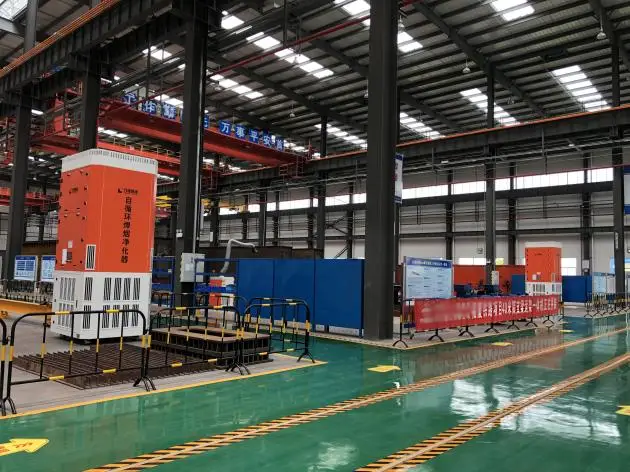
In short, environmental impact assessment issues must not be overlooked. If you wish to avoid your business’s day-to-day operations being disrupted by environmental impact assessments, the team at Liwei Environmental Protection strongly advises you to select suitable environmental protection equipment and an appropriate welding fume treatment solution!


 Chinese
  Japanese
  English
  German
  Finnish
暂无评论内容