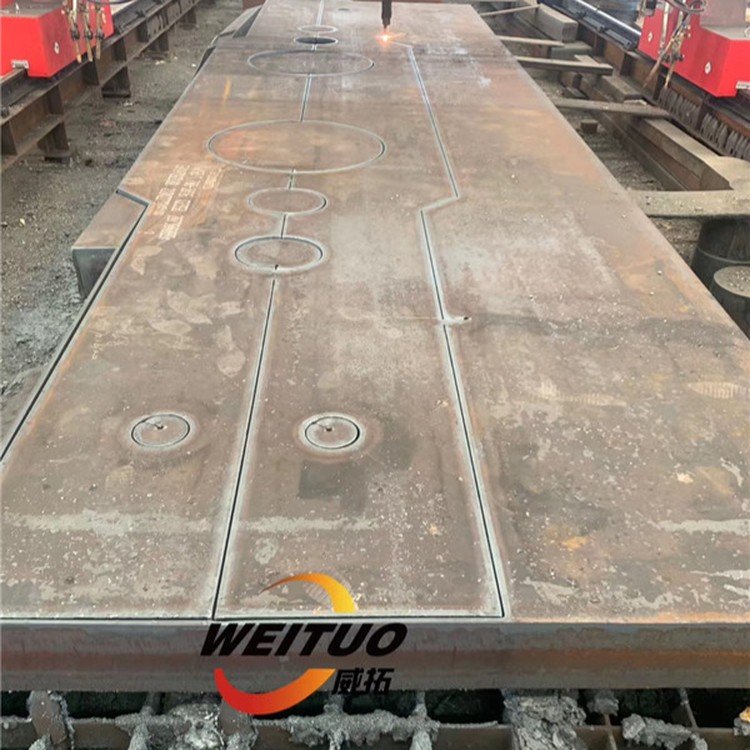


Currently, precision standards are a key indicator in material cutting operations. If the machining accuracy of the material fails to meet these standards during the manufacturing process, this can easily compromise the quality of the finished product and lead to material wastage, which is highly detrimental to production operations. Therefore, before selecting raw materials, they must be chosen in accordance with the customer’s requirements, and production and processing can only commence once the machining parameters have been finalised. In this way, the precision of the finished materials is better assured, and the generation of scrap can be avoided.
Firstly, when cutting steel plates, care must be taken to ensure that the plate thickness is appropriate. In certain production settings and within the manufacturing process, thick plates are often subject to specific processing. In such cases, particular attention must be paid to the selection of processing methods; after all, when processing thick plates, the use of inappropriate methods it is easy for errors to occur, and in some cases, the sheet may even develop cracks. Therefore, the appropriate processing method must be selected based on the material thickness.

Points to note when cutting:
Environmental requirements stipulate that the work area must be well ventilated, free from flammable or explosive materials, and equipped with fire-extinguishing equipment; in damp conditions, outdoor electric cutting operations are prohibited in order to avoid the risk of electric shock.
When taking personal protective measures, you must wear safety goggles that provide splash protection, gloves that are both slip-resistant and cut-resistant, a dust mask and earplugs; you must wear close-fitting work clothing, tuck long hair into a work cap, and you must not wear any jewellery on your head.
In accordance with operating procedures, workpieces must be securely clamped in place using fixtures; cutting whilst holding the workpiece by hand is not permitted; A safety distance of at least 15 centimetres must be maintained between the body and the saw blade or cutting nozzle; do not cross the path of the cut; an idle test run must be carried out before starting the equipment; should any abnormal noises or jamming occur, the machine must be stopped immediately, the power supply disconnected and an inspection carried out.
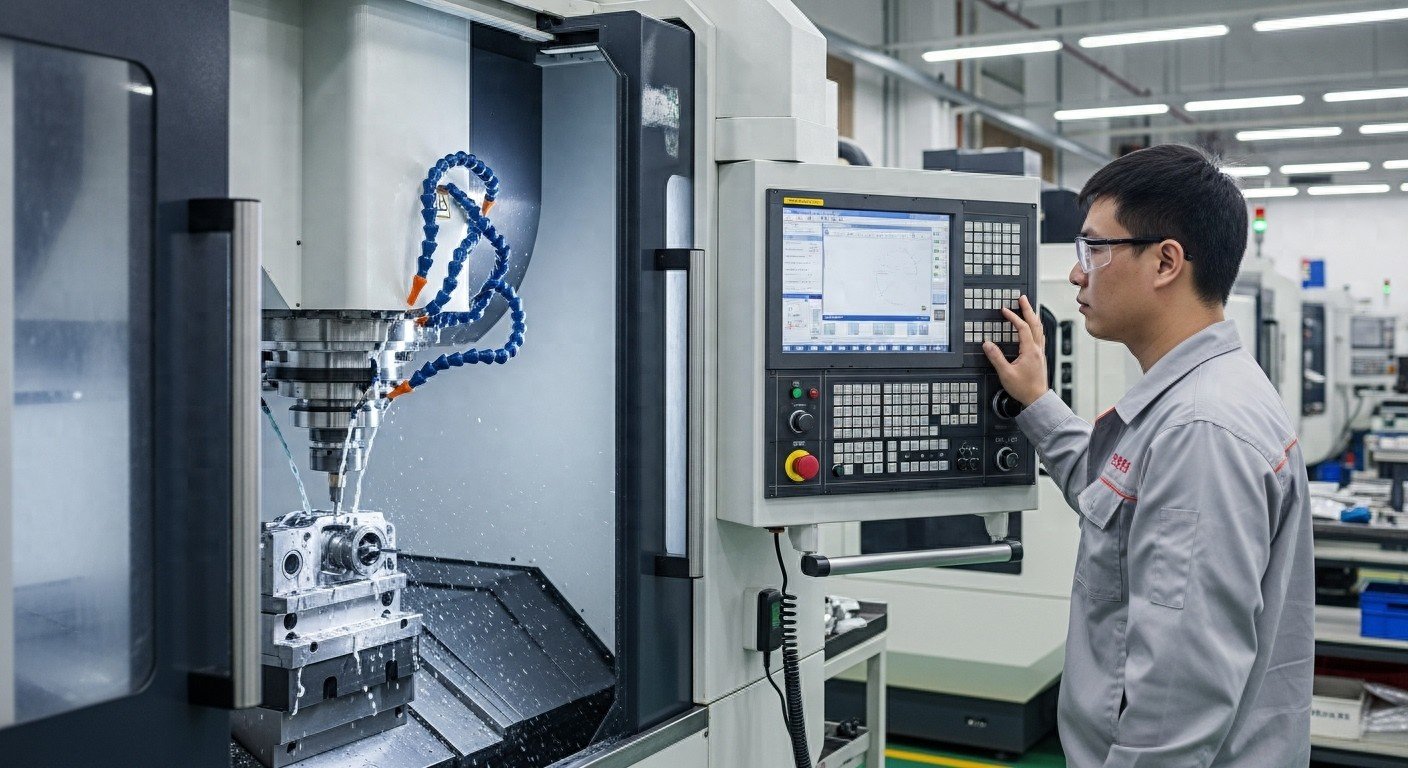
With regard to equipment maintenance, it is necessary to regularly inspect the condition of the solenoid valves, the cutting torch and the saw blades to ensure that the cooling system is functioning correctly, whilst also ensuring that the lubrication system is operating normally; For CNC equipment, cutting accuracy must be calibrated, and metal shavings must be cleared away promptly to prevent the build-up of shavings from generating excessive heat.
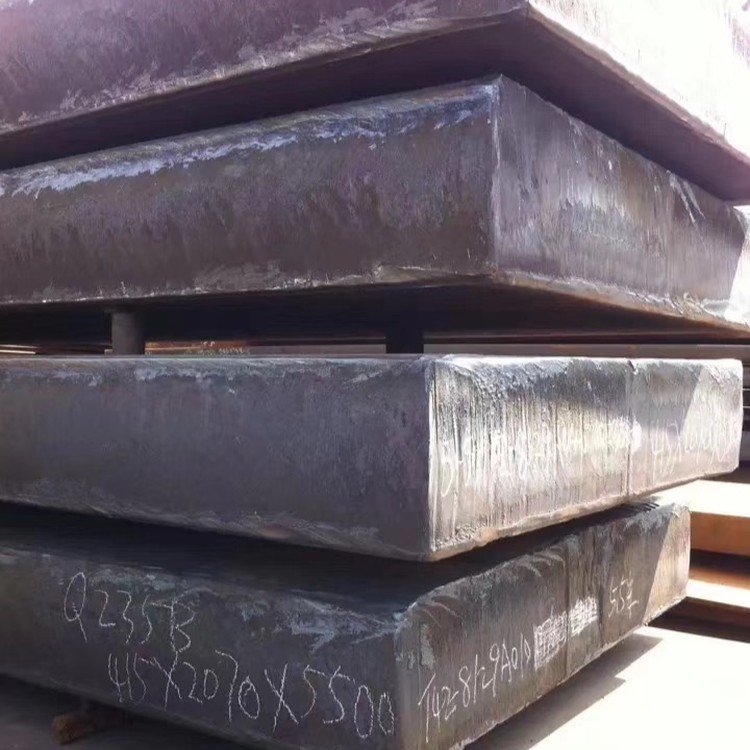
Are steel plate cutting and steel plate blanking the same thing? What is the difference between them?
These two concepts exist side by side; they are interrelated, yet they are not synonymous. Steel plate blanking is one of the steps in the manufacturing process, the key aspect of which lies in dividing a whole sheet of steel according to the drawings and cutting out the rough blanks. Steel plate cutting is the specific method used to carry out this work, encompassing various techniques such as CNC, flame and laser cutting. It not only completes the blanking operation but also enables the shaping of the blanks. Put simply, the purpose of blanking is to “define the boundaries”, whilst the purpose of cutting is to “achieve the final shape”; generally, these processes are carried out consecutively to complete the task.
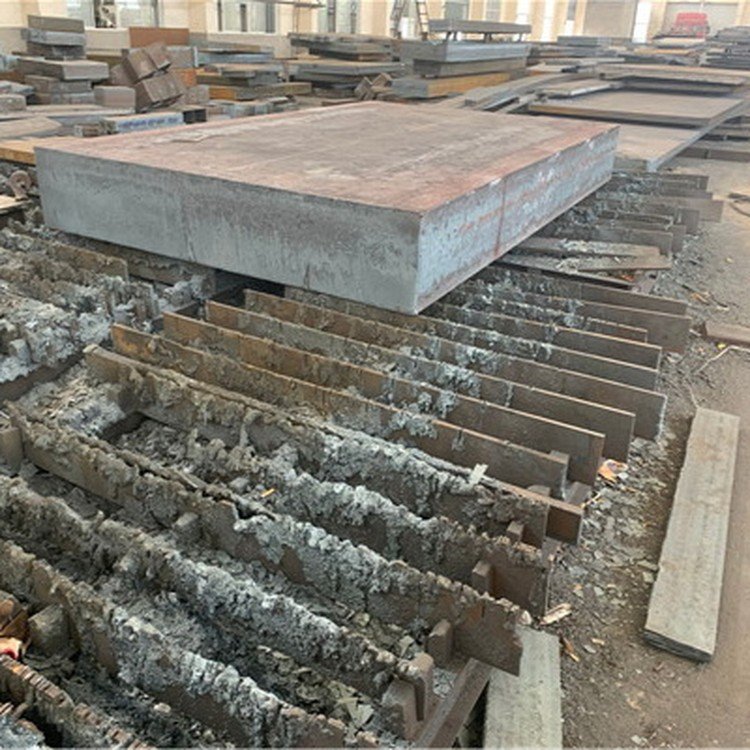
What factors should you consider when choosing a steel plate cutting service provider?
Key indicators include material authenticity (with material certification required), cutting accuracy (checking whether error detection is supported), process suitability (selecting the appropriate cutting method based on sheet thickness and material), and machining allowance control (to avoid insufficient machining or waste in subsequent processes), delivery lead times and after-sales service, including drawing optimisation and precision rework; for precision components such as bearing housings, it is also important to check whether the supplier possesses the necessary finishing capabilities.
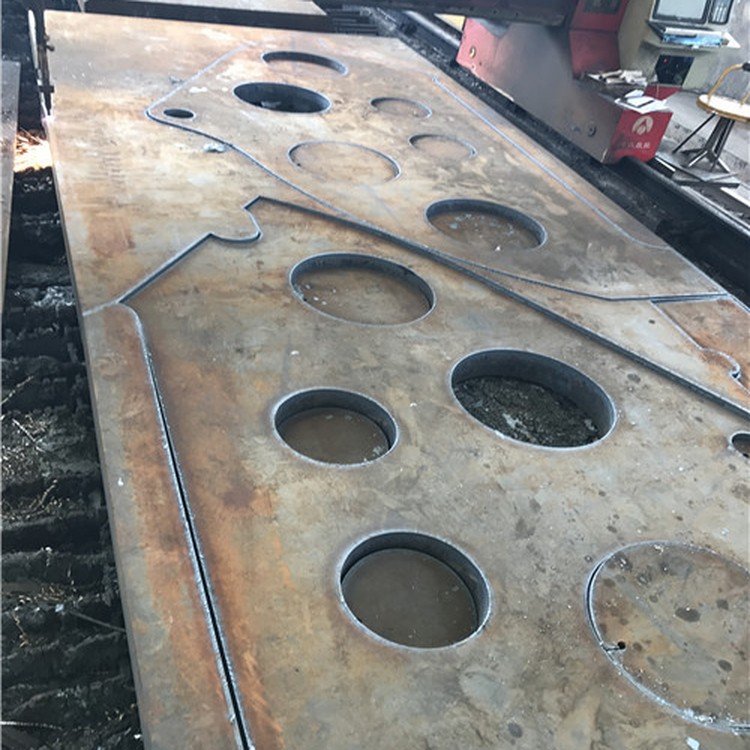
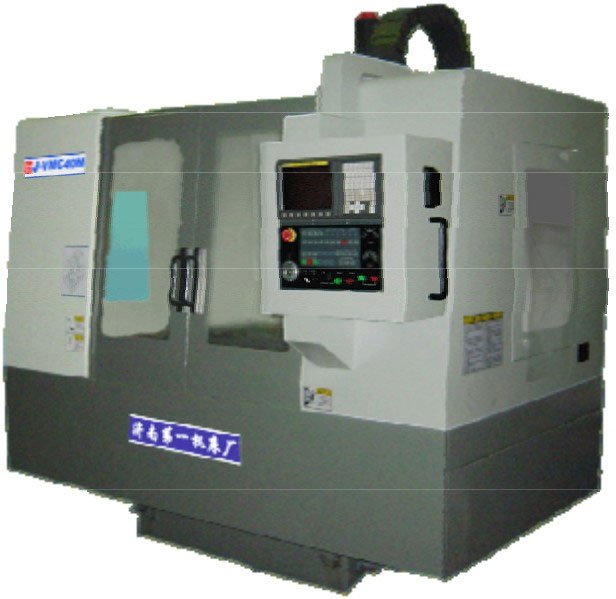
The advantages of CNC cutting include:
High precision: Cutting errors can be kept within ±0.1 mm.
: Automated operations reduce the need for manual intervention and improve production efficiency.
High flexibility: Capable of cutting complex shapes and supporting rapid changeovers.
High material utilisation: Material waste is reduced through optimised nesting.
Consistent quality: Cutting quality remains stable during mass production.
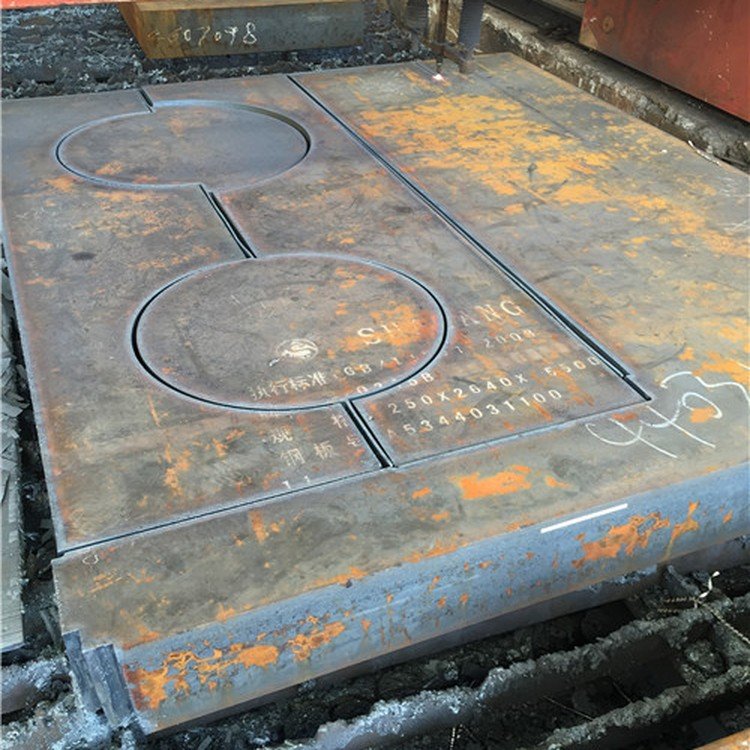
Steel plate cutting and processing, whichquality control, ...is a crucial step in ensuring that products meet design specifications, thereby improving production efficiency and reducing costs. The following presents a detailed analysis of quality control in steel plate cutting and processing:
I. Preliminary Preparations
Material inspection:
Check that the material, specifications and dimensions of the steel plates comply with the requirements of the cutting list.
Inspect the surface quality of the steel plates to check for blemishes, verify the condition of the core, examine for deformation, assess the extent of corrosion, and determine whether these meet the relevant quality specifications.
Pre-treatment of defective steel plates, such as straightening and removal of impurities.
Equipment inspection:
It is essential to ensure that cutting equipment—such as flame cutters, plasma cutters and laser cutters—is in good working order and that all performance indicators are within normal limits.
Check that the equipment accessories and tools are present and in good condition.
II. Control of the Cutting Process
Process parameter settings:
Taking into account the material of the steel plate, its thickness and dimensions, and the required cutting precision, it is necessary to determine the appropriate settings for the cutting process parameters, such as cutting speed, oxygen pressure and laser power.
Following the principle of starting slowly and then increasing speed, and starting at a low level and then raising it, gradually identify the optimal combination of machining parameters.




 Chinese
  Japanese
  English
  German
  Finnish
暂无评论内容